

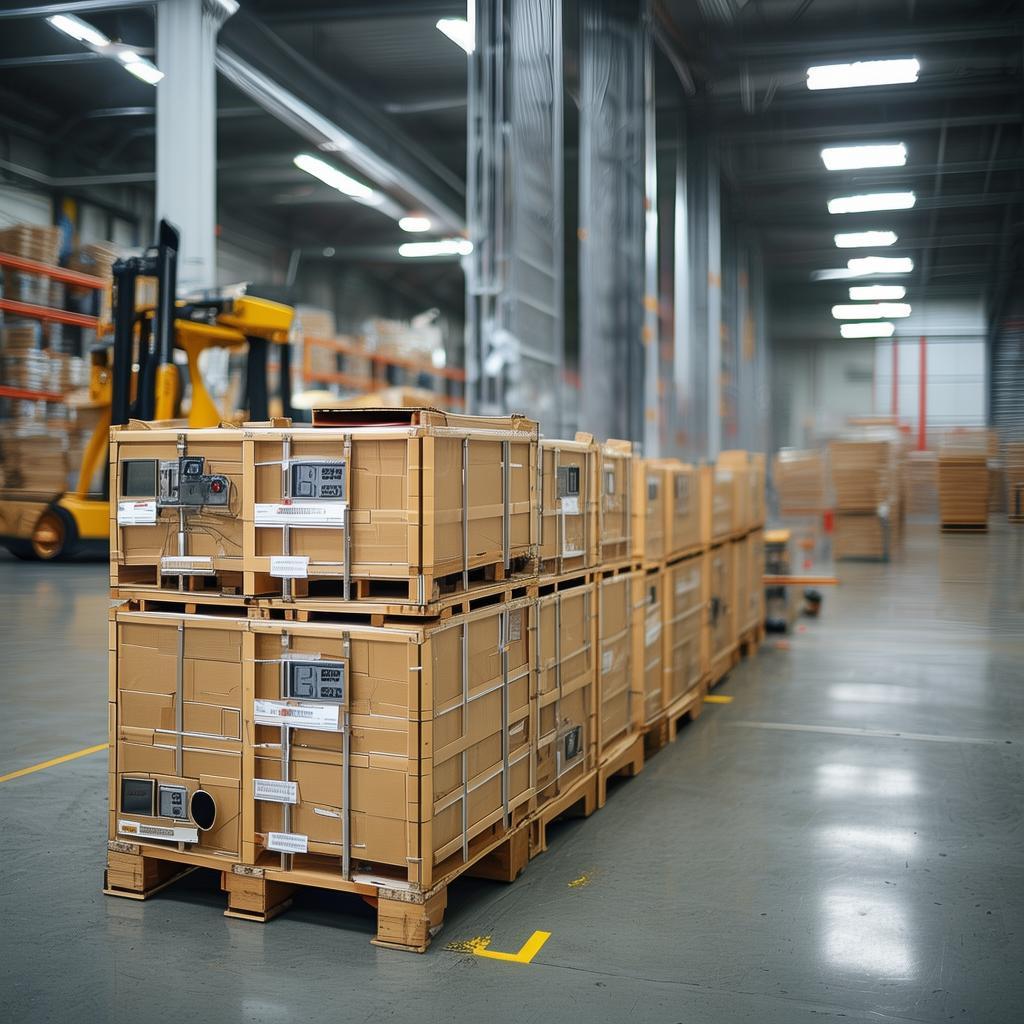
differential pressure gauge accuracy
Differential Pressure Gauge Accuracy
The differential pressure gauge is an essential instrument for measuring the difference in pressure between two points in a system. Its accuracy is crucial for various applications across industries such as HVAC, pharmaceuticals, and oil and gas. Our differential pressure gauge combines cutting-edge technology with robust design to deliver exceptional performance and reliability in measurement accuracy.
Key Features
- High Accuracy: Designed to provide superior differential pressure gauge accuracy, ensuring reliable readings in critical applications.
- Durable Construction: Built with materials that withstand harsh environments, ensuring longevity and consistent performance.
- Wide Measurement Range: Capable of measuring small to large pressure differentials, suitable for various industrial applications.
- Easy Calibration: Features a user-friendly calibration process, reducing downtime and ensuring optimal performance.
- Digital and Analog Options: Available in both digital and analog formats to meet diverse customer needs.
- Versatile Interfaces: Compatibility with multiple interfaces for seamless integration into existing systems.
Technical Specifications
| Specification | Details |
|---|---|
| Measurement Range | 0-1000 Pa to 0-10 Bar |
| Accuracy | ±0.5% of Full Scale |
| Temperature Range | -20°C to 70°C |
| Power Supply | 12-24 VDC |
| Output Signal | 4-20 mA, RS485 (optional) |
| Material | Stainless Steel, Polycarbonate |
Application Scenarios
The differential pressure gauge accuracy is integral to various industrial applications. Here are some scenarios where it excels:
- HVAC Systems: Monitoring air flow and pressure in ventilation systems to ensure efficient operation.
- Pharmaceutical Manufacturing: Ensuring sterile environments by maintaining accurate pressure differentials in cleanrooms.
- Oil and Gas Industry: Measuring pressure differences in pipelines and tanks to prevent leaks and ensure safety.
- Water Treatment Plants: Monitoring pressure in filtration systems to optimize performance and maintenance schedules.
- Food Processing: Ensuring proper air pressure in packaging to maintain product quality and safety.
Advantages
Choosing our differential pressure gauge not only guarantees high-quality measurements but also offers several key advantages:
- Enhanced Reliability: Our gauges are rigorously tested to ensure precise differential pressure gauge accuracy under varying conditions.
- Cost-Effective: Reduces operational costs by optimizing system performance and minimizing errors in pressure measurement.
- Expert Support: Our team of experts is available for technical support and guidance, ensuring you get the most out of your investment.
- Innovative Technology: Incorporates the latest advancements in measurement technology for improved accuracy and reliability.
- Customization Options: Tailor solutions to meet specific needs, ensuring optimal fitting for your unique applications.
Why Choose Us
When it comes to precision instruments like the differential pressure gauge, our commitment to quality and customer satisfaction sets us apart. Here’s why you should choose us:
- Industry Experience: With decades of experience in the industry, we understand the unique requirements of various sectors.
- Quality Assurance: Our products undergo stringent quality checks to meet international standards and regulations.
- Global Reach: We serve clients across the globe, ensuring timely delivery and support in multiple languages.
- Customer-Centric Approach: We prioritize our customers' needs and provide tailored solutions that match their requirements.
- Continuous Innovation: We invest in research and development to keep our products at the forefront of technology.
FAQ
1. What is the typical accuracy of a differential pressure gauge?
The typical accuracy of our differential pressure gauge is ±0.5% of full scale, ensuring precise readings for critical applications.
2. Can the gauge be calibrated on-site?
Yes, our differential pressure gauges are designed for easy calibration, allowing you to adjust settings on-site with minimal downtime.
3. What materials are used in the construction of the gauge?
Our gauges are constructed using high-quality stainless steel and polycarbonate to ensure durability and resistance to harsh environments.
4. How does the gauge interface with existing systems?
The differential pressure gauge features multiple output options, such as 4-20 mA and RS485, ensuring compatibility with various systems.
5. What industries benefit from using differential pressure gauges?
Industries such as HVAC, pharmaceuticals, oil and gas, water treatment, and food processing can significantly benefit from the accurate pressure measurements provided by our gauges.
Verwant PRODUCTEN
-
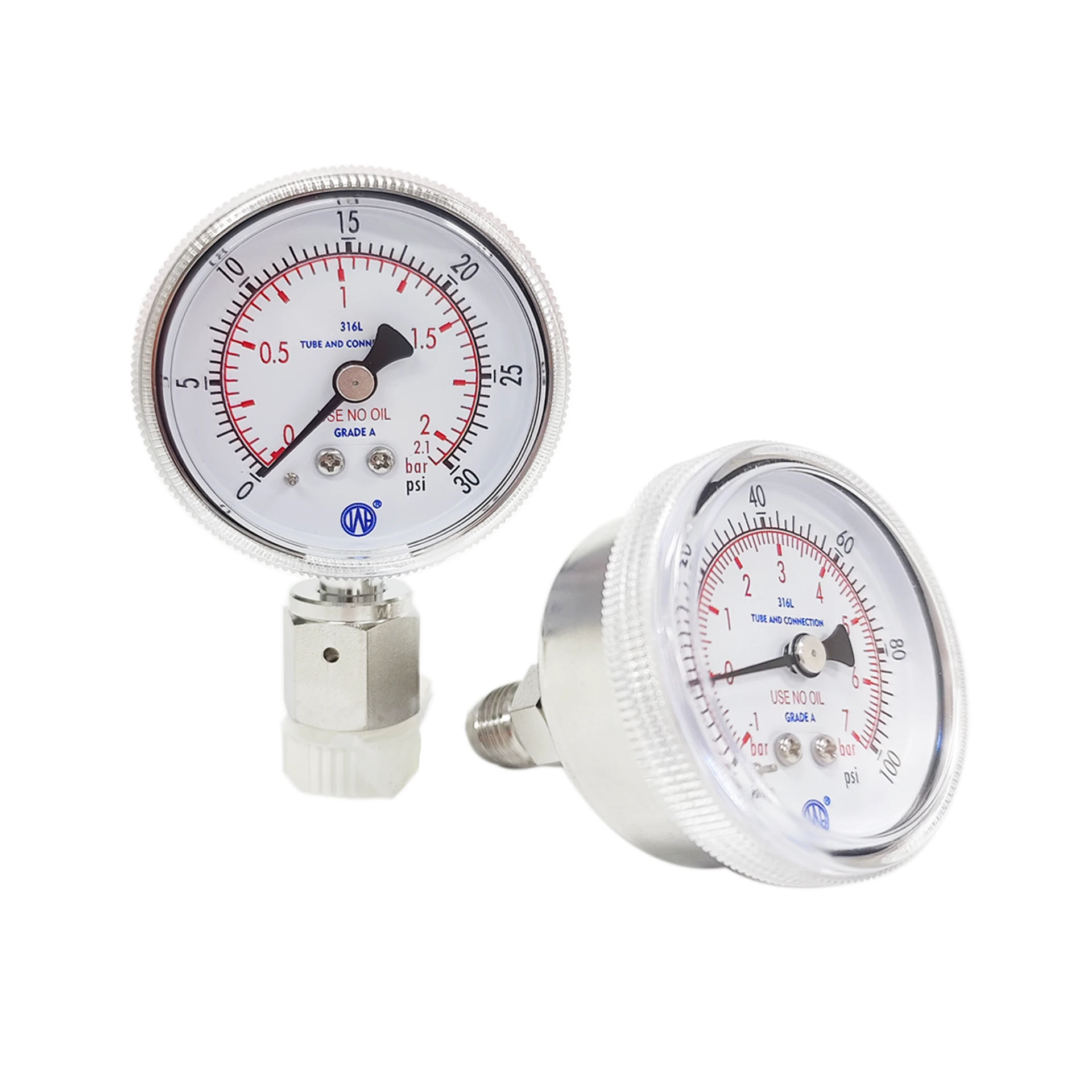
(Ultra)high purity clean pressure gauge-UPG50 / HPG50
-
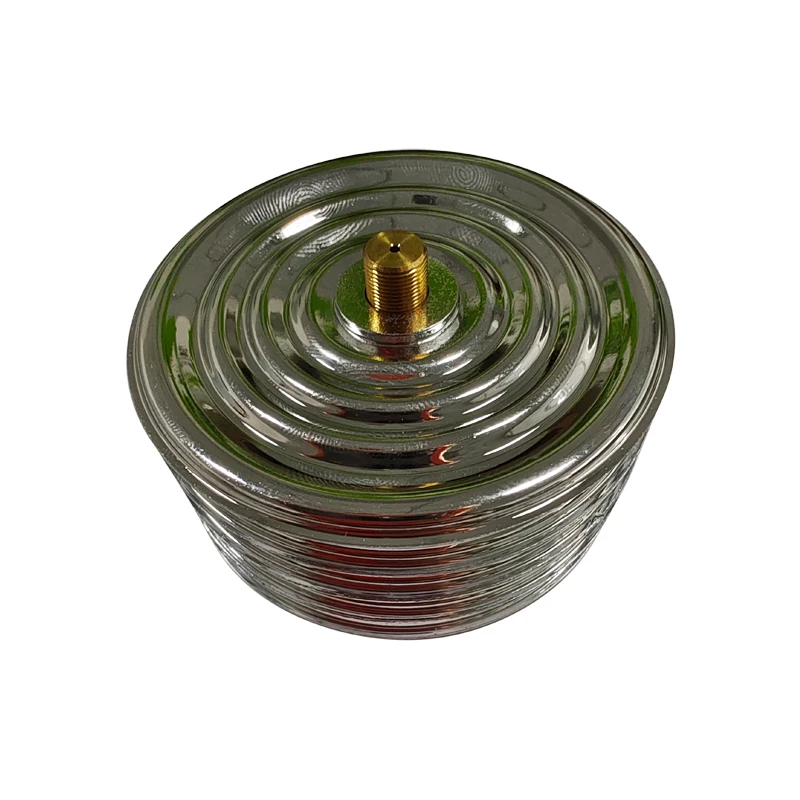
Pressure Diaphragm Capsule-Capsule string-Cube electroplate
-
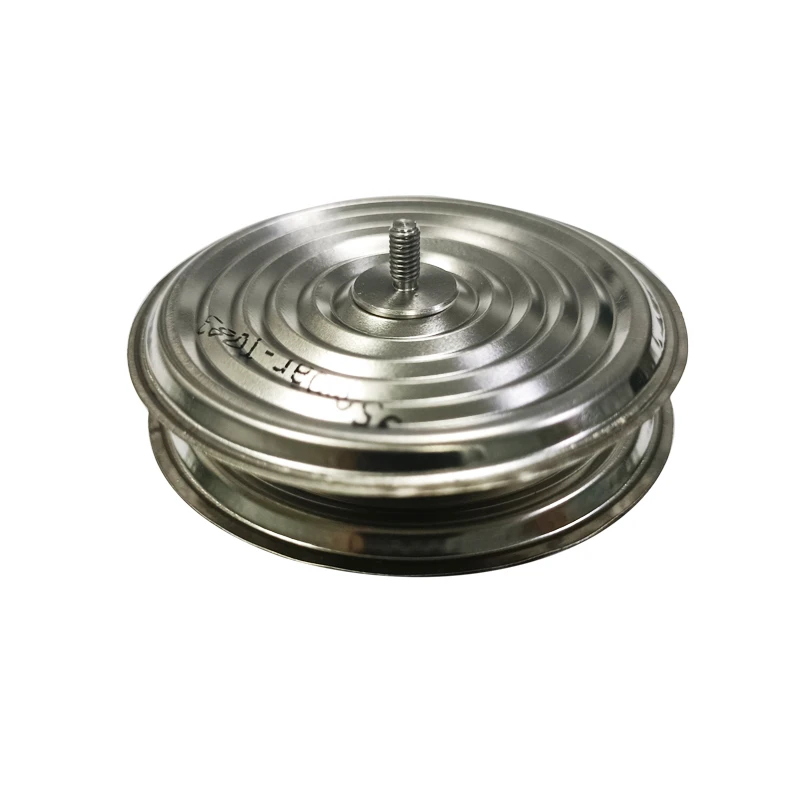
Pressure Diaphragm Capsule-Dual Capsule-316/L SS
-
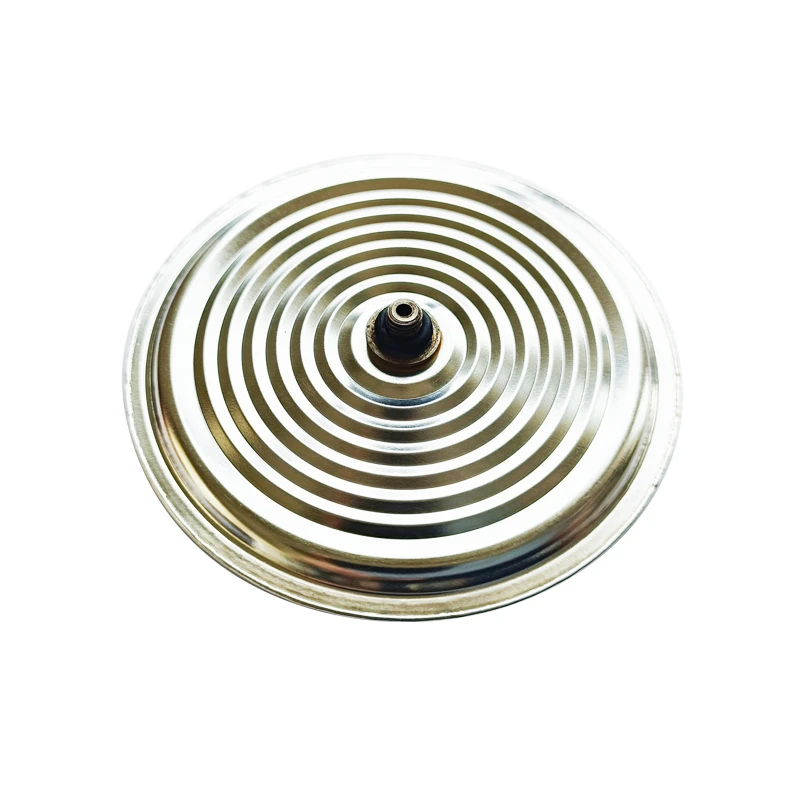
Pressure Diaphragm Capsule(DC)-316 SS-48mm
-
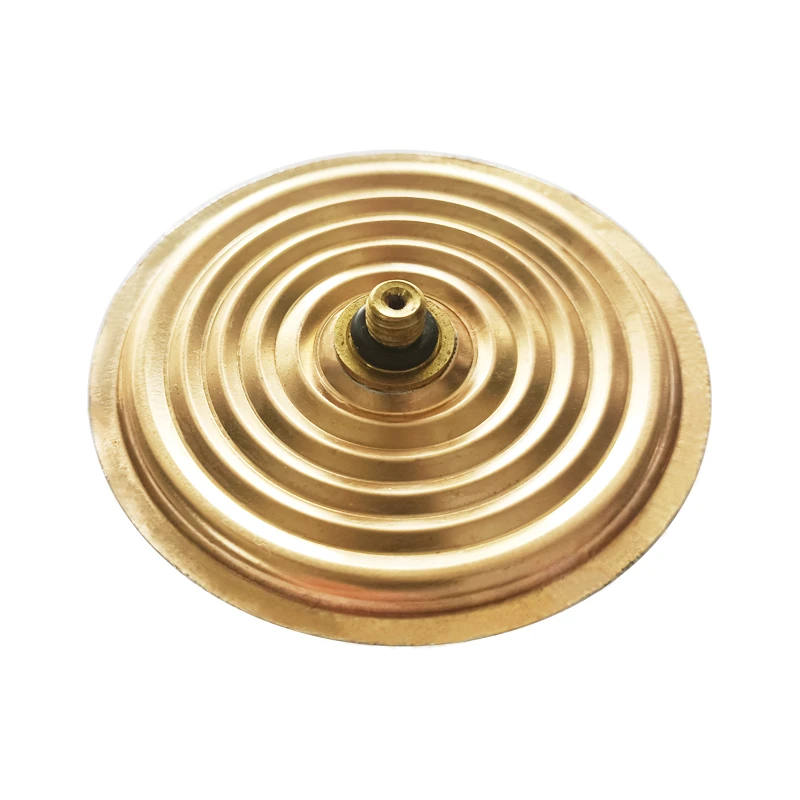
Pressure Diaphragm Capsule(DC)-All copper type-48mm
-
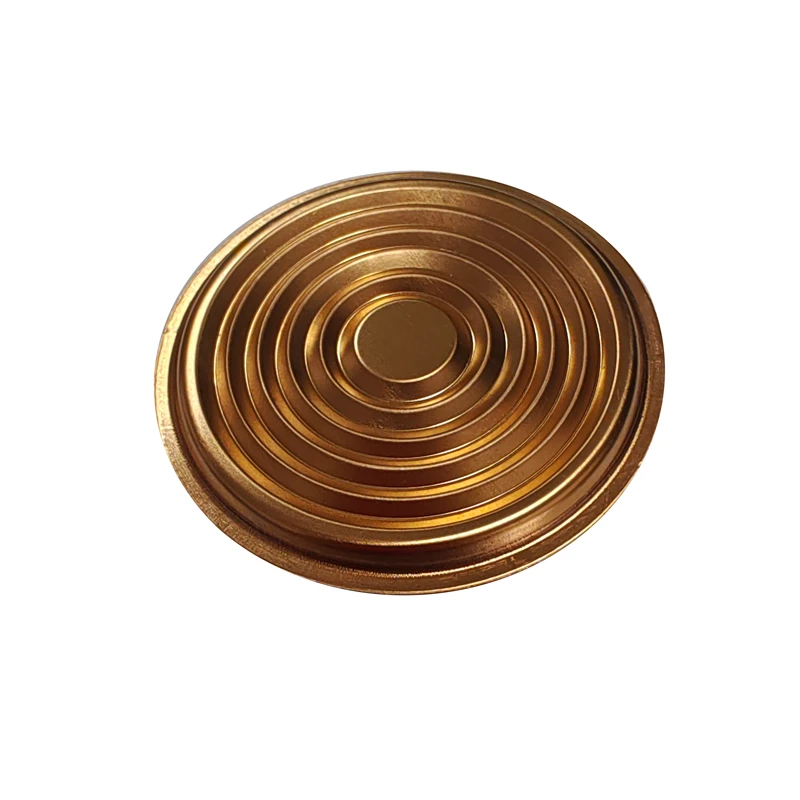
Pressure Single Diaphragm -micropressure-48mm,CuBe2
-
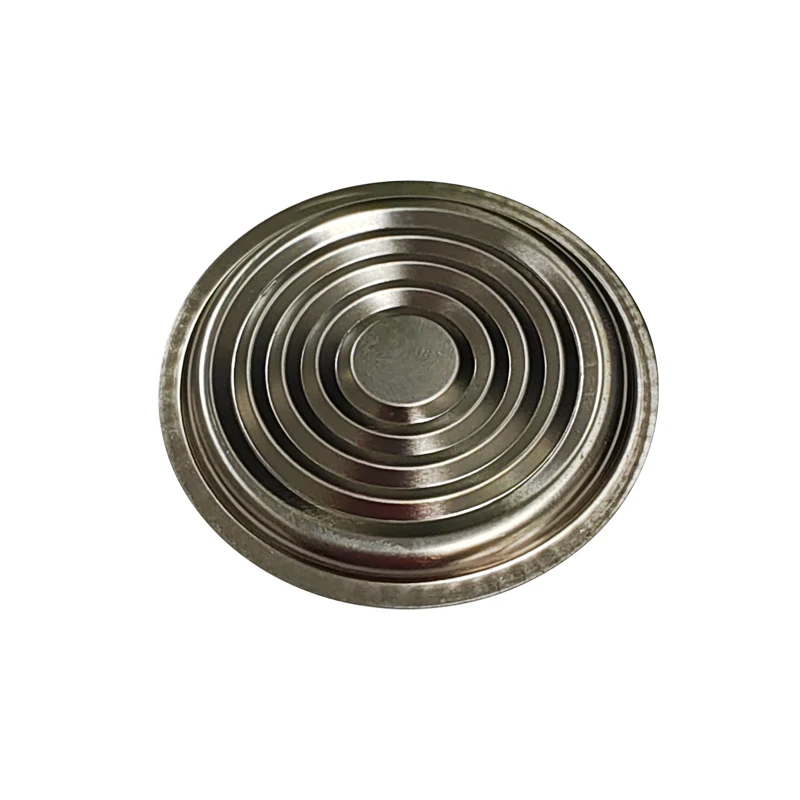
Pressure Single Diaphragm -Corrugated diaphragm-micropressure316/LSS
-
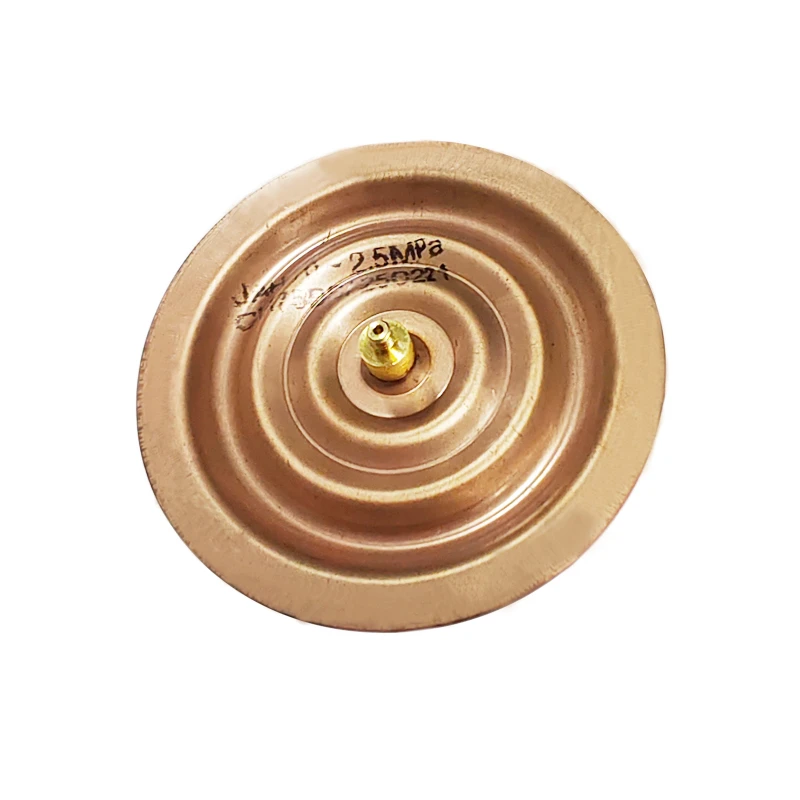
C+H Ø75AS Pressure Diaphragm(PD)-All copper type2.5MPa