


bourdon differential pressure gauge
Bourdon Differential Pressure Gauge
Product Overview
The bourdon differential pressure gauge is an essential instrument designed for measuring the difference in pressure between two points in various industrial applications. Utilizing the classic Bourdon tube mechanism, this gauge provides precise measurements that are crucial for monitoring and controlling processes across diverse sectors. Whether you are in oil and gas, water treatment, or HVAC systems, this gauge ensures reliable and accurate pressure readings, contributing to enhanced operational efficiency and safety.
Key Features
- High Accuracy: Delivers precise pressure readings with minimal deviation.
- Robust Design: Engineered to withstand harsh environments and extreme conditions.
- Wide Measurement Range: Suitable for various applications with different pressure requirements.
- Easy Installation: User-friendly design allows for quick and hassle-free installation.
- Durable Materials: Constructed from high-quality materials for longevity and reliability.
- Visual Clarity: Equipped with a clear dial and easy-to-read scale for instant readings.
Technical Specifications
| Specification | Details |
|---|---|
| Pressure Range | 0-1000 psi |
| Accuracy | ±1.0% of full scale |
| Dial Size | 4", 6" |
| Connection Type | 1/4" NPT, 1/2" NPT |
| Material | Stainless Steel, Bronze |
| Temperature Range | -40°F to 150°F |
| Weight | 1.5 lbs |
Application Scenarios
The bourdon differential pressure gauge is versatile and can be employed in a wide array of applications, including:
- Oil and Gas: Monitoring pressure differentials in pipelines and tanks.
- Water Treatment: Measuring pressure drops across filters and membranes.
- HVAC Systems: Ensuring optimal airflow by measuring pressure differences in ducts.
- Pharmaceuticals: Monitoring clean room environments and filtration processes.
- Food and Beverage: Ensuring consistent pressure in processing and packaging operations.
Advantages
Choosing a bourdon differential pressure gauge offers numerous advantages, including:
- Reliability: Proven technology ensures consistent performance over time.
- Cost-Effectiveness: Reduces downtime and maintenance costs through durable construction.
- Versatility: Adaptable to various industrial needs and environments.
- Safety: Provides critical data that helps prevent overpressure situations, enhancing workplace safety.
- Easy Maintenance: Simple design allows for straightforward calibration and servicing.
Why Choose Us
At [Your Company Name], we pride ourselves on being a trusted provider of high-quality industrial instruments, including the bourdon differential pressure gauge. Our commitment to excellence is reflected in:
- Expertise: Years of experience in the industry ensures we understand your precise needs.
- Quality Assurance: Our products undergo rigorous testing to meet international standards.
- Customer Support: Our knowledgeable team is here to assist you before, during, and after your purchase.
- Customization: We offer tailored solutions to fit your specific applications and requirements.
- Global Reach: Serving clients worldwide with reliable delivery and logistics solutions.
FAQ
What is a bourdon differential pressure gauge?
A bourdon differential pressure gauge is an instrument used to measure the difference in pressure between two points, providing crucial information for various industrial applications.
How does a bourdon differential pressure gauge work?
The gauge operates based on the Bourdon tube principle, where the deformation of a curved tube in response to pressure changes translates into a dial reading.
What industries commonly use bourdon differential pressure gauges?
Industries such as oil and gas, water treatment, HVAC, pharmaceuticals, and food and beverage frequently utilize bourdon differential pressure gauges for monitoring and control.
How do I select the right gauge for my application?
Consider factors such as the pressure range, connection type, accuracy requirements, and environmental conditions when selecting a bourdon differential pressure gauge.
What maintenance is required for a bourdon differential pressure gauge?
Regular calibration and visual inspections are recommended to ensure the accuracy and reliability of the gauge over time.
Verwant PRODUCTEN
-
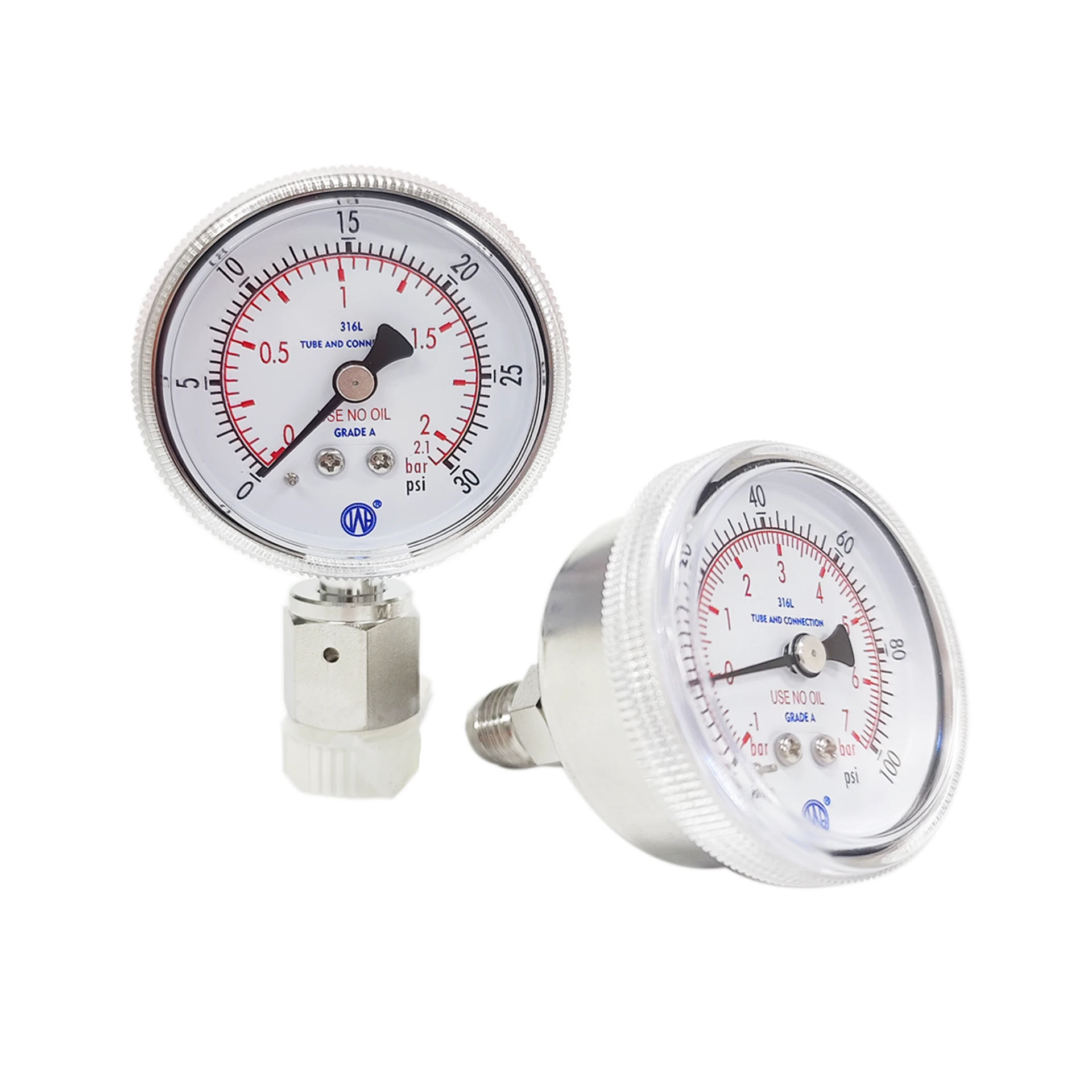
(Ultra)high purity clean pressure gauge-UPG50 / HPG50
-
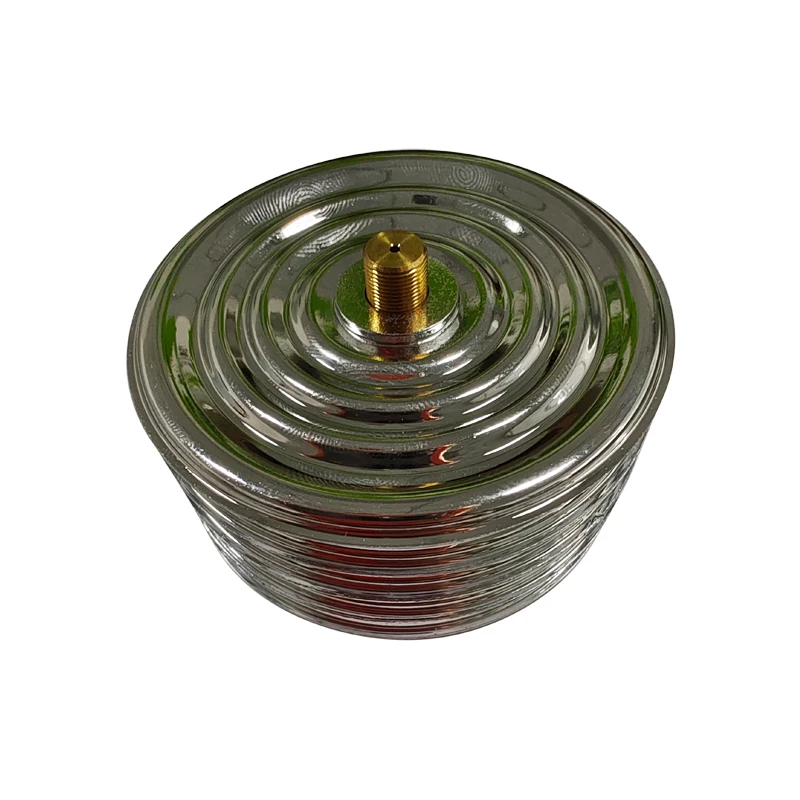
Pressure Diaphragm Capsule-Capsule string-Cube electroplate
-
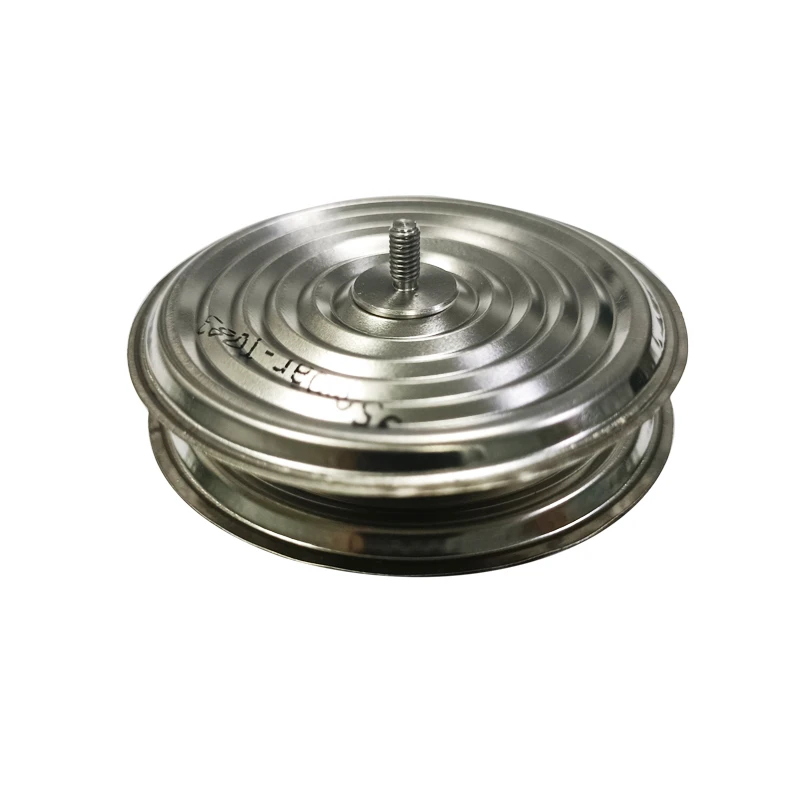
Pressure Diaphragm Capsule-Dual Capsule-316/L SS
-
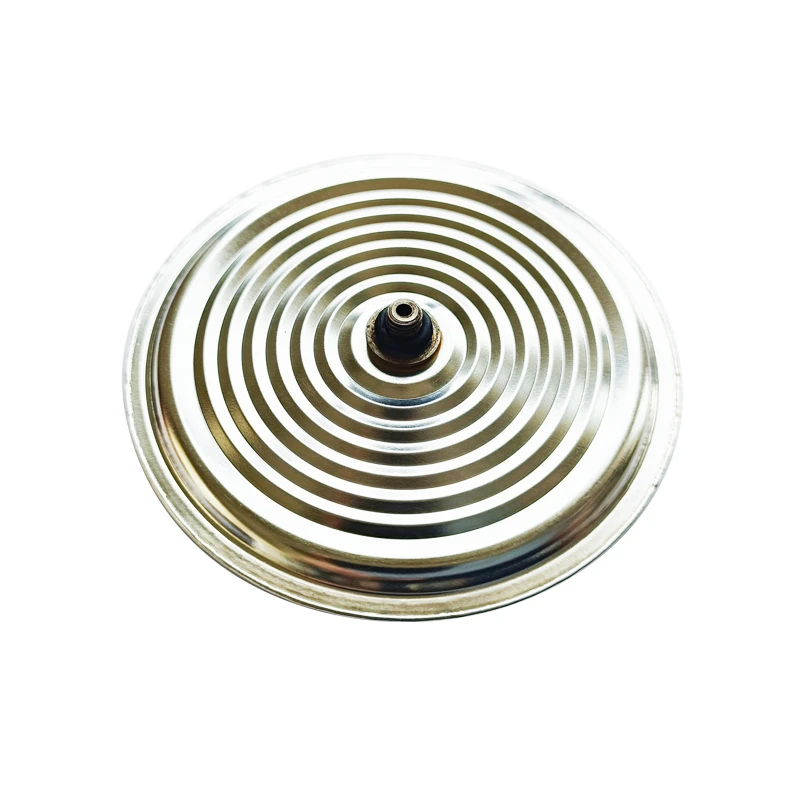
Pressure Diaphragm Capsule(DC)-316 SS-48mm
-
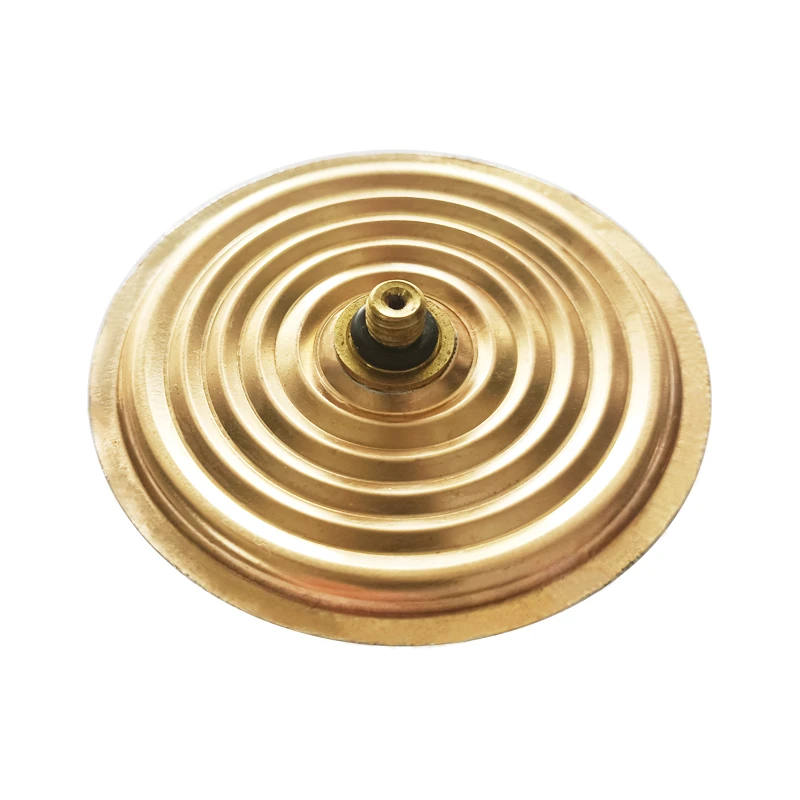
Pressure Diaphragm Capsule(DC)-All copper type-48mm
-
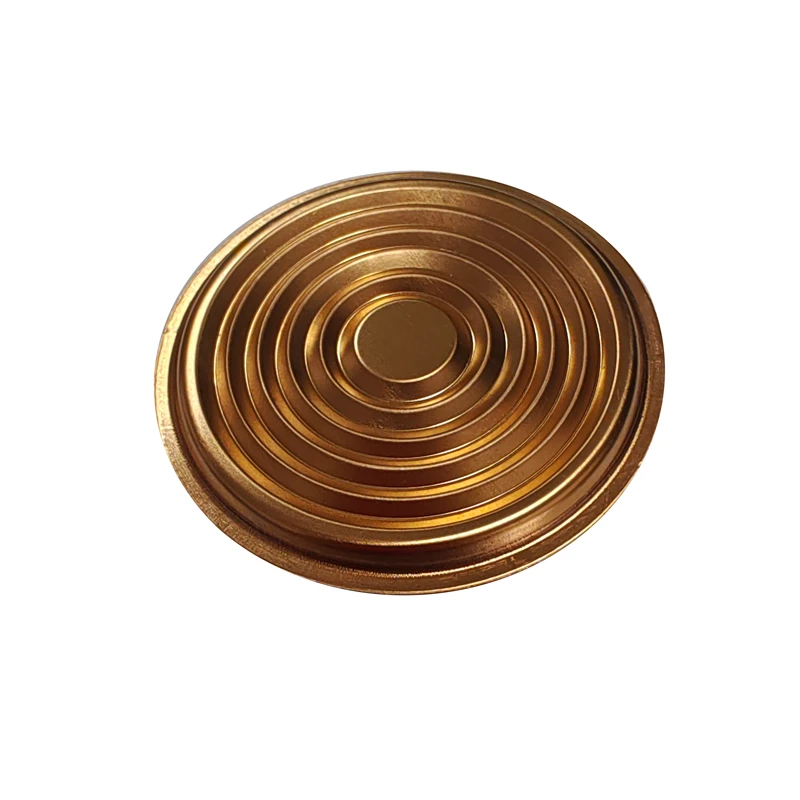
Pressure Single Diaphragm -micropressure-48mm,CuBe2
-
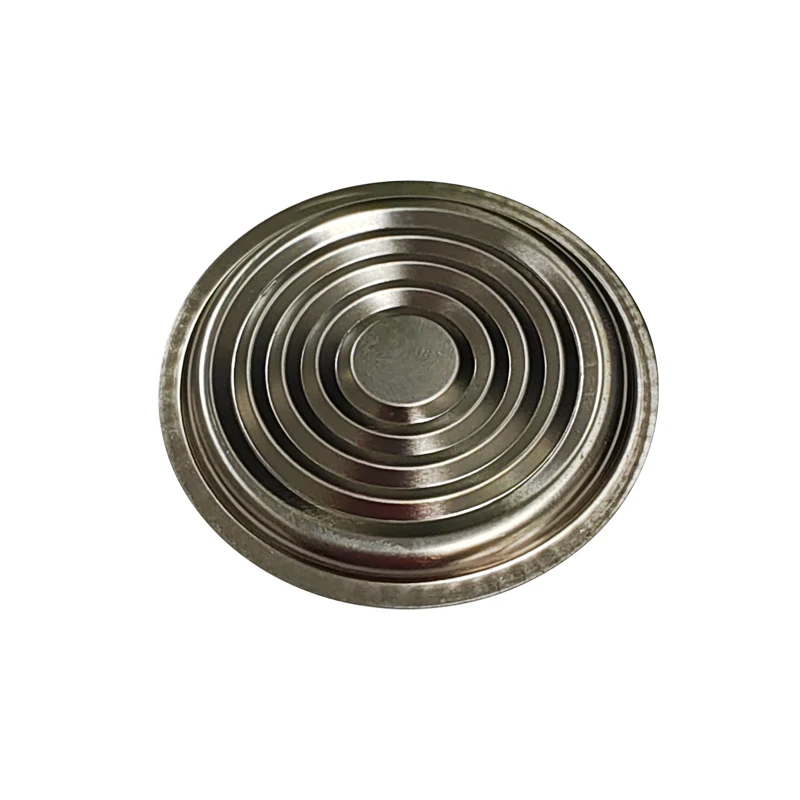
Pressure Single Diaphragm -Corrugated diaphragm-micropressure316/LSS
-
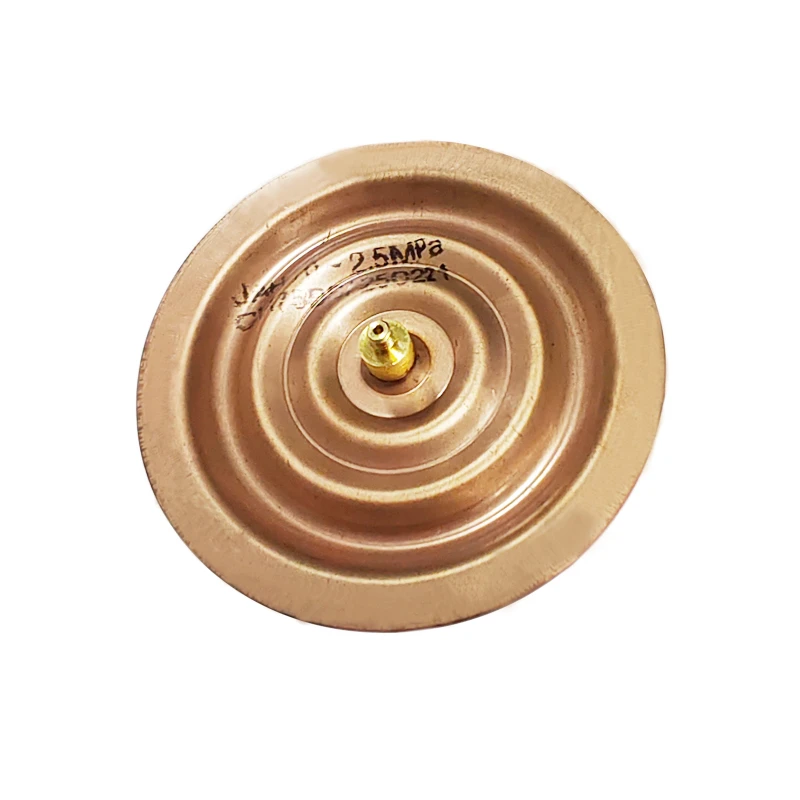
C+H Ø75AS Pressure Diaphragm(PD)-All copper type2.5MPa