
Apr . 01, 2024 17:55 Back to list
Air Pressure Gauge how to read air pressure gauge at gas station Performance Analysis
Introduction
Air pressure gauges at gas stations are ubiquitous tools for maintaining optimal vehicle tire performance and safety. These gauges, typically Bourdon tube mechanical devices, provide a critical reading of tire inflation, directly impacting fuel efficiency, handling, and tire longevity. The accurate interpretation of these gauges requires understanding the units of measurement (PSI, BAR, kPa), recognizing gauge limitations, and accounting for temperature effects on tire pressure. This guide will provide a comprehensive overview of air pressure gauge operation, encompassing the underlying physics, manufacturing tolerances, common error sources, and best practices for accurate readings, serving as a definitive resource for both individual vehicle owners and fleet maintenance professionals. Incorrect tire pressure is a leading cause of tire failure and compromised vehicle safety; therefore, proficiency in gauge reading is paramount.
Material Science & Manufacturing
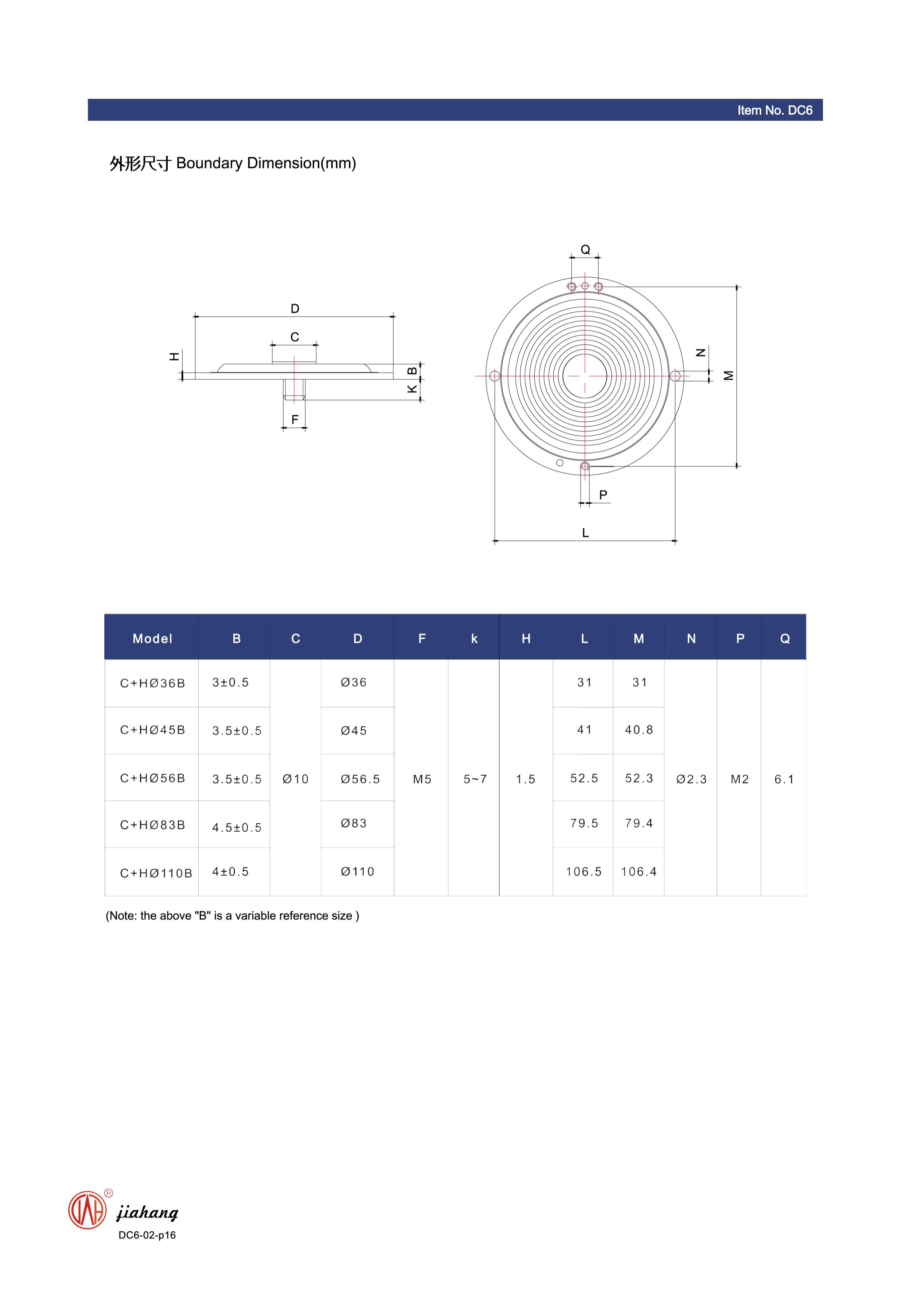
The core component of most gas station air pressure gauges is the Bourdon tube, typically crafted from alloy steel, specifically low-carbon steel alloys exhibiting high elasticity and yield strength. The manufacturing process begins with precision forming of the C-shaped tube through processes like hot extrusion or cold drawing. Critical parameters include wall thickness uniformity (±0.02mm) and internal surface finish (Ra < 0.8 μm) to minimize stress concentrations. The alloy steel undergoes heat treatment – often involving quenching and tempering – to achieve the desired hardness and tensile strength (typically 500-700 MPa). The gauge face and connection fittings are generally manufactured from brass (CZ132, a leaded brass offering good corrosion resistance) using CNC machining to ensure dimensional accuracy. The glass covering, protecting the dial, is typically tempered glass to resist shattering. Calibration relies on a master pressure standard traceable to NIST (National Institute of Standards and Technology), applying pressures across the gauge's range and adjusting internal mechanisms. Sealing is achieved using nitrile rubber O-rings, selected for compatibility with air and resistance to petroleum-based products. Long-term performance is affected by material creep in the Bourdon tube and degradation of the sealing materials.
Performance & Engineering
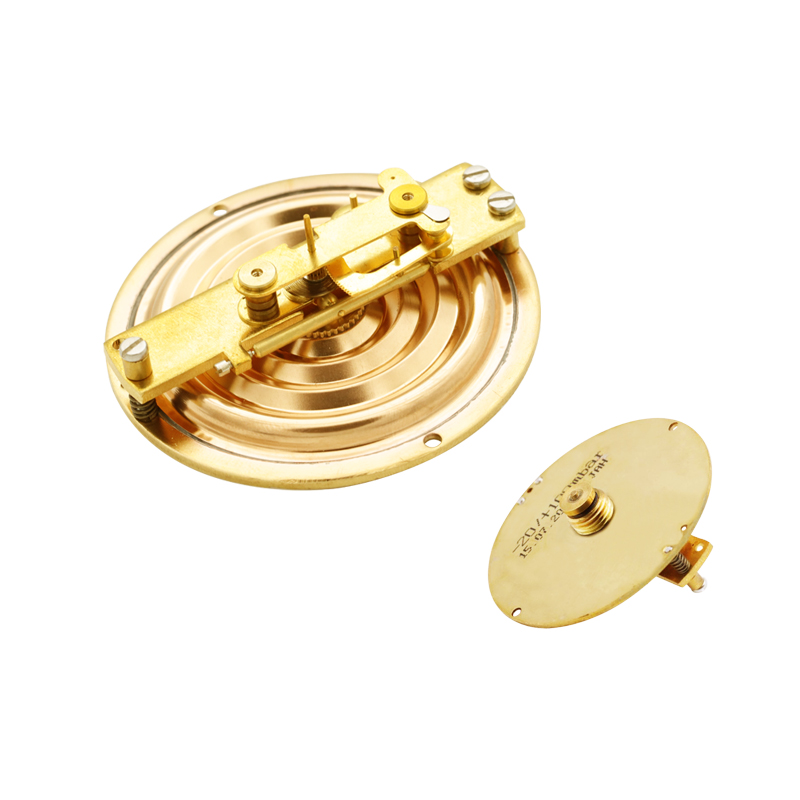
The functionality of an air pressure gauge relies on the principle of elastic deformation. When pressurized air enters the Bourdon tube, the tube attempts to straighten, and this movement is mechanically linked to a geared sector and pinion mechanism, translating the displacement into rotational motion of the gauge pointer. Force analysis reveals that the accuracy of the reading is directly proportional to the linearity of the Bourdon tube's response curve and the precision of the mechanical linkage. Environmental resistance is critical; gauges must withstand temperature fluctuations (-20°C to 60°C) without significant drift in calibration. Compliance requirements vary by region, but most gauges must meet or exceed SAE J1926 standards for accuracy (±2% of full scale) and repeatability. Engineering considerations include minimizing hysteresis (the difference in readings when approaching a pressure from above versus below) and ensuring the gauge can withstand pressure surges and vibrations inherent in a gas station environment. The gauge’s zero point is a crucial parameter and must remain stable over time; drift indicates internal wear or fatigue. Leakage tests, conducted using pressurized nitrogen, are critical for quality control.
Technical Specifications
| Parameter | Typical Value | Tolerance | Units |
|---|---|---|---|
| Pressure Range | 0-60 | ±1.2 | PSI |
| Accuracy | 3 | ±0.5 | % of Full Scale |
| Resolution | 1 | N/A | PSI |
| Operating Temperature | -20 to 60 | N/A | °C |
| Bourdon Tube Material | Alloy Steel (e.g., 1018) | N/A | N/A |
| Connection Type | 1/4" NPT | N/A | N/A |
Failure Mode & Maintenance
Common failure modes in air pressure gauges include Bourdon tube fatigue cracking (often initiated at points of high stress concentration near the welded connections), gradual calibration drift due to material creep, and leakage through the O-ring seals. Corrosion within the Bourdon tube, exacerbated by moisture ingress, can significantly reduce its elasticity and lead to inaccurate readings. Physical damage to the glass face, resulting from impact, is also frequent. Maintenance is typically limited to visual inspection for cracks or damage. Periodic calibration (every 6-12 months) using a certified pressure standard is recommended, particularly in high-use environments. If leakage is detected, the O-rings should be replaced with compatible nitrile rubber replacements. Severe drift or cracking of the Bourdon tube necessitates gauge replacement. Avoid dropping or subjecting the gauge to excessive shock. Cleaning should be performed with a mild detergent and water; avoid abrasive cleaners that can damage the glass face or brass components. A failing gauge often exhibits intermittent readings or a sluggish response to pressure changes.
Industry FAQ
Q: What does it mean if the gauge reading fluctuates rapidly when connected to the tire valve?
A: Rapid fluctuations typically indicate an incomplete seal between the gauge and the tire valve stem. This can be caused by a damaged valve core, debris on the valve stem, or improper seating of the gauge connector. Attempt to reseat the gauge firmly, inspect the valve stem for damage, and consider replacing the valve core if the problem persists. A leaking valve core will always yield inconsistent readings.
Q: How does ambient temperature affect the accuracy of the air pressure reading?
A: Tire pressure decreases with decreasing temperature and increases with increasing temperature, following the ideal gas law. For every 10°F (5.6°C) change in temperature, tire pressure changes by approximately 1 PSI. Therefore, it’s important to check and adjust tire pressure when the tires are cold (before driving) to ensure an accurate baseline. The gauge itself can also be slightly affected by extreme temperatures, though this is typically less significant than the tire pressure variation.
Q: I have a gauge that consistently reads 2 PSI higher than my vehicle's tire pressure monitoring system (TPMS). What could be the reason?
A: There's likely a calibration discrepancy between the gauge and the TPMS. TPMS sensors are electronically calibrated and generally more accurate than mechanical gauges. The gauge may require recalibration, or it may simply have an inherent inaccuracy within its specified tolerance. It is generally advisable to trust the TPMS reading, as it provides continuous monitoring and alerts.
Q: What is the difference between a digital and an analog air pressure gauge, and which is more accurate?
A: Digital gauges use electronic pressure sensors and display the reading on an LCD screen, while analog gauges use a mechanical Bourdon tube system. While digital gauges can offer higher resolution, accuracy is not inherently superior. High-quality analog gauges, regularly calibrated, can be very accurate. However, digital gauges are less susceptible to parallax errors (errors resulting from viewing the gauge from an angle). The primary advantage of digital gauges is convenience and ease of reading.
Q: My gauge has a protective rubber boot around the head. Is this necessary, and does it affect the reading?
A: The rubber boot provides protection against physical damage and helps to absorb shock, prolonging the gauge's lifespan. It shouldn’t significantly affect the reading as long as it doesn't impede the proper seating of the gauge connector onto the valve stem. A damaged or loose boot, however, could potentially allow moisture ingress, leading to corrosion and inaccurate readings over time.
Conclusion
Accurate tire pressure monitoring, facilitated by reliable air pressure gauges, is a cornerstone of vehicle safety and operational efficiency. Understanding the underlying principles of gauge operation, including the material science of the Bourdon tube, the mechanics of pressure translation, and potential failure modes, is essential for making informed assessments. Regular calibration, proper maintenance, and awareness of environmental factors contribute to consistently accurate readings and prolonged gauge lifespan.
The selection of an appropriate gauge, coupled with a rigorous adherence to best practices in its application, empowers both consumers and professionals to optimize tire performance, enhance fuel economy, and prioritize road safety. Future advancements may include the integration of wireless connectivity and automated calibration features, further streamlining the tire pressure monitoring process and minimizing the potential for human error.
 English
  Arabic
  China
China  China (Taiwan)
  Danish
  Dutch
Dutch  French
  German
  Greek
Greek  Hindi
Hindi  Indonesian
  Italian
  Japanese
  Korean
  Latin
Latin  Polish
  Portuguese
  Russian
  Spanish
  Turkish