
Apr . 01, 2024 17:55 Back to list
Blood Pressure Gauge how to read a blood pressure gauge Performance Analysis
Introduction
A sphygmomanometer, commonly referred to as a blood pressure gauge, is a critical medical instrument used to measure arterial blood pressure. This measurement is vital in diagnosing and monitoring cardiovascular health, and its accurate interpretation is paramount. Blood pressure is recorded as two numbers: systolic pressure, representing the pressure when the heart beats, and diastolic pressure, representing the pressure when the heart rests between beats. Accurate measurement relies on understanding the instrument's mechanics, proper technique, and recognizing potential sources of error. This guide provides a comprehensive overview of blood pressure gauge operation, encompassing material science, engineering principles, performance characteristics, potential failure modes, and relevant industry standards. The core pain point in blood pressure monitoring lies in ensuring consistent, reliable readings, minimizing observer bias, and maintaining instrument calibration over time. This is essential for accurate clinical assessment and effective patient management.
Material Science & Manufacturing
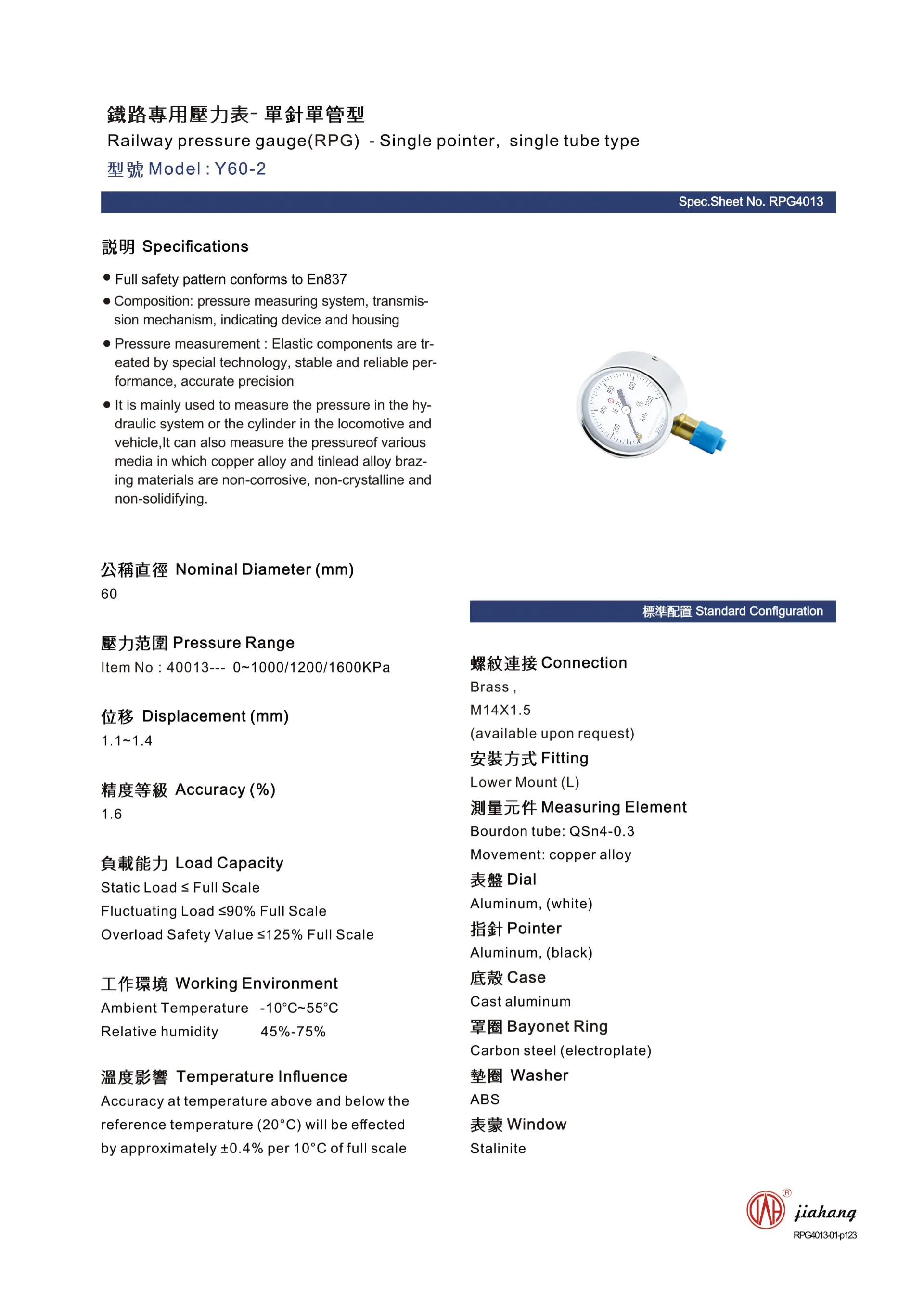
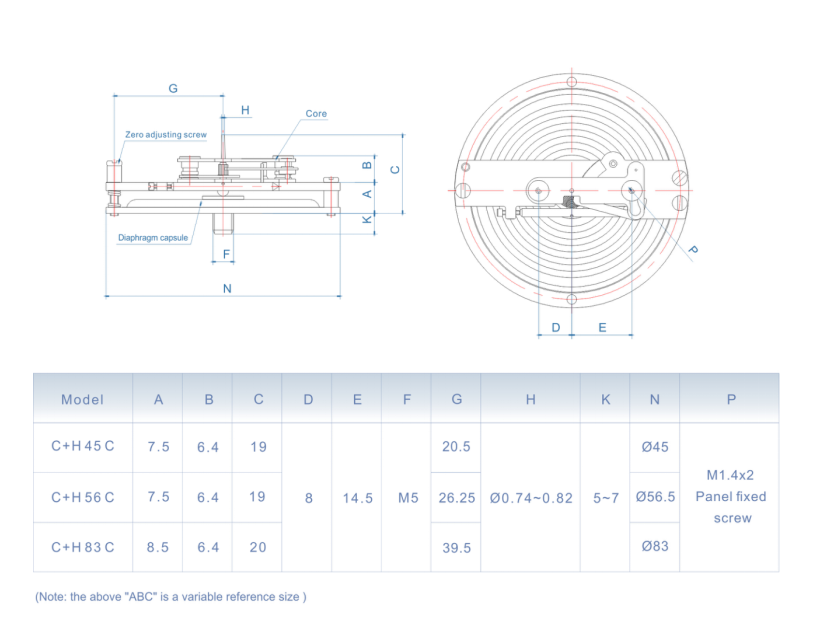
Blood pressure gauges typically employ either mercury, aneroid, or digital technologies. Traditional mercury sphygmomanometers utilize the physical properties of mercury – its high density and linear response to pressure. However, due to environmental concerns regarding mercury toxicity, aneroid and digital gauges are now more prevalent. Aneroid gauges rely on a corrugated metal chamber (often beryllium-copper alloy) that deforms under pressure. This deformation is mechanically linked to a pointer on the gauge face. The beryllium-copper alloy is chosen for its high elasticity, fatigue resistance, and ability to maintain accurate calibration over repeated cycles. Manufacturing involves precise forming of the chamber, heat treatment to achieve desired material properties, and careful assembly to minimize friction in the mechanical linkage. Digital gauges employ pressure sensors (piezoelectric or capacitive) that convert pressure into an electrical signal, processed and displayed digitally. The sensors themselves are fabricated from materials exhibiting predictable electrical characteristics under stress. The manometers housing is often constructed from durable ABS plastic or stainless steel for longevity and ease of cleaning. Tubing connecting the cuff to the gauge is typically made of reinforced PVC, chosen for its flexibility, chemical inertness, and resistance to kinking. Cuff material utilizes a durable nylon or polyester fabric, laminated with a flexible polymer for airtightness and comfort. Bladder material is commonly synthetic rubber, selected for its elasticity and ability to withstand repeated inflation and deflation cycles.
Performance & Engineering
The accuracy of a blood pressure gauge is governed by several engineering principles. In aneroid gauges, hysteresis (the difference in readings during inflation vs. deflation) is a critical performance parameter. Minimizing hysteresis requires precise manufacturing of the aneroid chamber and careful calibration. Force analysis involves understanding the relationship between applied pressure, chamber deformation, and pointer displacement. Environmental factors, such as temperature, can affect the gauge's performance. Temperature variations can alter the elastic properties of the metal chamber or affect the electronic components in digital gauges. Compliance requirements, such as those stipulated by the British and Irish Hypertension Society (BIHS) and the Association for the Advancement of Medical Instrumentation (AAMI), dictate acceptable levels of accuracy and repeatability. The cuff size is a crucial engineering consideration. An improperly sized cuff will lead to inaccurate readings. The cuff's width should be approximately 40% of the arm circumference. Furthermore, proper positioning of the cuff – with the lower edge approximately 2.5 cm above the antecubital fossa – is essential for accurate measurement. The stethoscope used in conjunction with the manual gauge requires proper acoustic engineering to ensure clear auscultation of Korotkoff sounds. The design of the bladder within the cuff is also critical; it must inflate evenly to apply uniform pressure to the brachial artery.
Technical Specifications
| Parameter | Aneroid Gauge | Digital Gauge | Mercury Gauge (Historical) |
|---|---|---|---|
| Pressure Range | 0-300 mmHg | 0-300 mmHg | 0-300 mmHg |
| Accuracy | ±3 mmHg | ±5 mmHg | ±1 mmHg |
| Resolution | 2 mmHg | 1 mmHg | 1 mmHg |
| Cuff Width (Typical) | 24-36 cm | 22-42 cm | 24-36 cm |
| Inflation Method | Manual (bulb & valve) | Automatic/Manual | Manual (bulb & valve) |
| Repeatability | ±2 mmHg | ±3 mmHg | ±0.5 mmHg |
Failure Mode & Maintenance
Aneroid gauges are susceptible to several failure modes. Fatigue cracking in the aneroid chamber is a common issue, leading to inaccurate readings. This is often caused by repeated stress cycles during inflation and deflation. Leakage in the connecting tubing or around the cuff valve can also affect accuracy. Digital gauges can fail due to sensor drift, battery depletion, or electronic component failure. Calibration drift is a concern for all types of gauges. Regular calibration against a traceable standard is essential. Cuffs can degrade over time due to wear and tear, leading to loss of elasticity and inaccurate pressure application. Failure modes associated with the cuff bladder include cracks, punctures, and loss of air retention. Maintenance involves regular visual inspection for leaks, cracks, and damage to the tubing and cuff. The gauge should be handled with care to avoid dropping or subjecting it to excessive shock. Aneroid gauges should be stored in a stable environment, away from extreme temperatures and humidity. Digital gauges require proper battery maintenance. Calibration should be performed annually by a qualified technician. Proper cleaning of the cuff and gauge surfaces with a mild disinfectant is recommended to prevent contamination.
Industry FAQ
Q: What is the significance of the Korotkoff sounds and how do they relate to systolic and diastolic pressure?
A: Korotkoff sounds are the tapping sounds heard through a stethoscope when measuring blood pressure. The first Korotkoff sound corresponds to the systolic pressure – the pressure at which the heart begins to pump blood and overcome the resistance in the arteries. The point at which the sounds disappear represents the diastolic pressure – the pressure when the heart is at rest between beats. Proper identification of these sounds requires a quiet environment and a trained observer.
Q: What are the potential sources of error in manual blood pressure measurement, and how can they be minimized?
A: Common errors include improper cuff size, incorrect cuff placement, observer bias (e.g., selective hearing of Korotkoff sounds), and patient positioning. To minimize errors, always use the appropriately sized cuff, position the cuff correctly on the brachial artery, ensure a quiet environment, and train observers to consistently identify Korotkoff sounds. Multiple readings should be taken and averaged.
Q: How often should a blood pressure gauge be calibrated, and what is involved in the calibration process?
A: Blood pressure gauges should be calibrated annually, or more frequently if they are used extensively or subjected to rough handling. Calibration involves comparing the gauge’s readings to a traceable standard (e.g., a mercury manometer). Adjustments are made to the mechanical linkage or electronic circuitry to ensure accuracy within specified tolerances.
Q: What are the advantages and disadvantages of digital vs. aneroid blood pressure gauges?
A: Digital gauges are generally easier to use and offer automated measurement capabilities. However, they can be more prone to electronic failure and may be less accurate than well-maintained aneroid gauges. Aneroid gauges require training and skill to operate accurately, but they are more reliable in the long term and do not rely on batteries.
Q: What is the impact of patient posture and arm position on blood pressure readings?
A: Patient posture and arm position significantly affect blood pressure readings. The arm should be supported at heart level. Measurements taken with the arm dependent (hanging down) will typically be lower than readings taken with the arm at heart level. The patient should be seated comfortably with their back supported, and their legs uncrossed.
Conclusion
Accurate blood pressure measurement is a cornerstone of effective cardiovascular healthcare. Understanding the underlying principles of operation, material science, and potential failure modes of blood pressure gauges is crucial for ensuring reliable data. Whether employing aneroid, digital, or, historically, mercury-based instruments, meticulous attention to technique, regular calibration, and proper maintenance are paramount. The selection of the appropriate gauge type and cuff size, coupled with standardized measurement protocols, contribute significantly to minimizing errors and improving diagnostic accuracy.
Future advancements in blood pressure monitoring technology will likely focus on developing more sophisticated sensors, automated analysis algorithms, and remote monitoring capabilities. However, the fundamental principles of accurate measurement – minimizing sources of error and ensuring instrument reliability – will remain essential. Continuous improvement in training and standardization of measurement techniques will further enhance the quality and consistency of blood pressure data, leading to better patient outcomes.
 English
  Arabic
  China
China  China (Taiwan)
  Danish
  Dutch
Dutch  French
  German
  Greek
Greek  Hindi
Hindi  Indonesian
  Italian
  Japanese
  Korean
  Latin
Latin  Polish
  Portuguese
  Russian
  Spanish
  Turkish