
Apr . 01, 2024 17:55 Back to list
Blood Pressure Gauge how to read blood pressure gauge Technical Analysis
Introduction
Sphygmomanometers, commonly known as blood pressure gauges, are critical medical devices used for determining arterial blood pressure. This guide provides a comprehensive technical analysis of aneroid and digital blood pressure measurement, focusing on the principles of operation, accuracy considerations, and practical application. Blood pressure, expressed in millimeters of mercury (mmHg), is a fundamental vital sign consisting of systolic (pressure during heart contraction) and diastolic (pressure during heart relaxation) readings. Proper interpretation of these values is essential for diagnosing and managing cardiovascular health. The industry faces challenges related to calibration drift, user technique variability, and the need for reliable, standardized measurements across diverse patient populations. This document will detail the technical aspects of overcoming these challenges.
Material Science & Manufacturing
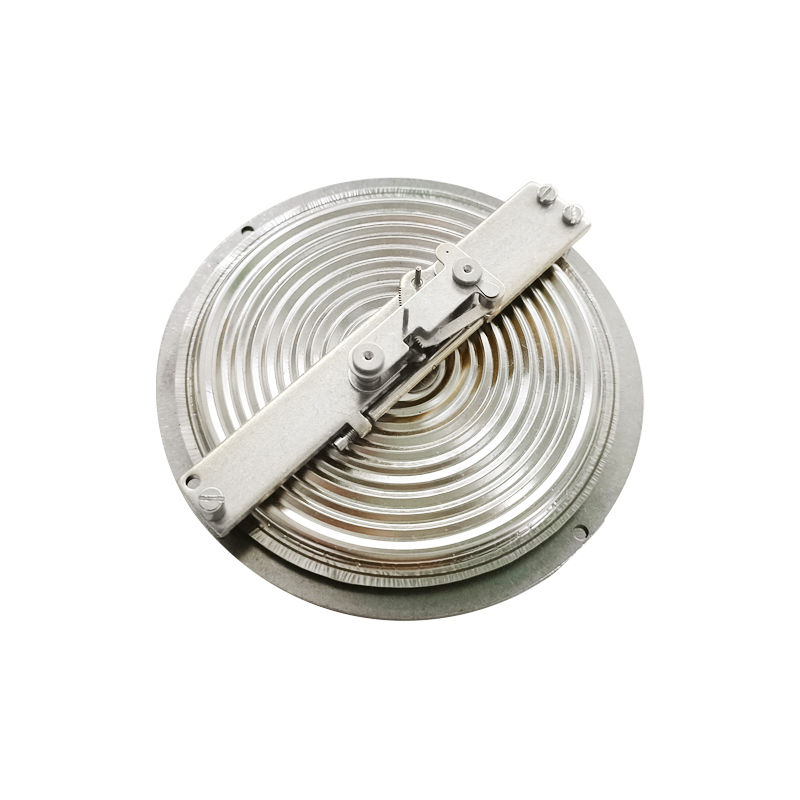
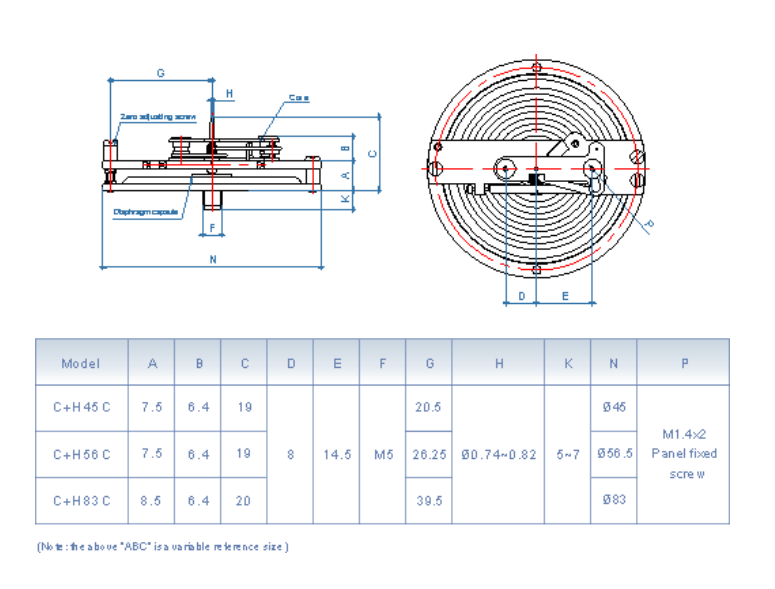
Aneroid sphygmomanometers primarily utilize a stainless steel or beryllium-copper alloy diaphragm connected to a mechanical linkage amplifying subtle pressure changes. The diaphragm's material selection is critical; beryllium-copper offers superior elasticity and fatigue resistance compared to standard stainless steel but presents manufacturing and environmental concerns. The cuff material typically consists of a multi-layer nylon fabric reinforced with polyester for tensile strength and abrasion resistance. Bladders are constructed from latex or a synthetic rubber compound, requiring careful consideration of elasticity and long-term degradation due to ozone exposure. Digital monitors incorporate piezoelectric pressure sensors coupled with analog-to-digital converters (ADCs) and microprocessor-based algorithms for signal processing. Manufacturing tolerances in the pressure sensor assembly directly impact the accuracy of digital readings. The housing materials are often ABS plastic or polycarbonate, selected for their impact resistance and chemical compatibility with cleaning agents. Precise calibration procedures, employing NIST-traceable pressure standards, are vital during manufacturing to minimize baseline errors. Quality control involves rigorous leak testing of cuffs and bladders, and functional testing of the mechanical linkages and electronic components.
Performance & Engineering
The performance of a blood pressure gauge is directly related to its ability to accurately measure pressure within the physiological range (typically 0-300 mmHg). Aneroid gauges rely on precise mechanical amplification; linkage friction and hysteresis can introduce errors. Digital gauges are susceptible to noise and signal drift. The cuff size is a critical engineering parameter; an improperly sized cuff will yield inaccurate results. The cuff’s width should be approximately 40% of the arm circumference, and the bladder’s length should encircle 80% of the arm. Environmental factors, such as temperature and humidity, affect the accuracy of both types of gauges. Temperature variations can alter the elasticity of the bladder and the calibration of the pressure sensor. The engineering design must minimize these effects through material selection and temperature compensation algorithms. Force analysis during cuff inflation demonstrates the potential for uneven pressure distribution if the cuff is not properly applied. Compliance with standards like ANSI/AAMI SP10 (Sphygmomanometers) dictates stringent requirements for accuracy, repeatability, and safety.
Technical Specifications
| Parameter | Aneroid Sphygmomanometer | Digital Sphygmomanometer | Accuracy (± mmHg) |
|---|---|---|---|
| Pressure Range | 0-300 mmHg | 0-300 mmHg | 3 |
| Resolution | 2 mmHg | 1 mmHg | - |
| Cuff Material | Nylon/Polyester | Nylon/Polyester | - |
| Bladder Material | Latex/Synthetic Rubber | Latex/Synthetic Rubber | - |
| Sensor Type | Mechanical (Diaphragm) | Piezoelectric | - |
| Calibration Standards | NIST Traceable | NIST Traceable | - |
Failure Mode & Maintenance
Common failure modes in aneroid sphygmomanometers include diaphragm rupture, linkage binding, and zero-point drift. Diaphragm failure results from material fatigue or physical damage. Linkage binding stems from corrosion or lack of lubrication. Zero-point drift is caused by calibration errors or temperature fluctuations. Digital gauges are prone to sensor drift, battery failure, and circuit board malfunction. Sensor drift is a gradual loss of accuracy due to aging and environmental factors. Battery failure is self-explanatory. Circuit board failures are typically caused by component degradation or moisture ingress. Preventive maintenance for aneroid gauges involves regular calibration checks (every 6-12 months) and lubrication of the mechanical linkages. Digital gauges require battery replacement, periodic sensor calibration, and careful protection from moisture. Visual inspection of the cuff and bladder for leaks or cracks is crucial for both types of devices. Any deviation from the specified accuracy range necessitates repair or replacement. Proper storage, avoiding extreme temperatures and direct sunlight, can prolong the lifespan of the device.
Industry FAQ
Q: What is the impact of observer bias on blood pressure readings?
A: Observer bias, stemming from the examiner’s expectations or interpretation, can significantly influence blood pressure readings. Inaccurate technique, such as improper cuff placement or inadequate auscultation, introduces variability. Standardized training protocols for healthcare professionals, including consistent cuff application and auscultation methods, are vital to minimize this bias. Automated readings, while not entirely immune, offer greater objectivity.
Q: How does white coat hypertension affect measurement accuracy?
A: White coat hypertension refers to elevated blood pressure readings solely due to the presence of a healthcare professional, triggering an anxiety response. Ambulatory blood pressure monitoring (ABPM), which measures blood pressure over a 24-hour period in a patient’s natural environment, is the gold standard for diagnosing and managing white coat hypertension. Multiple readings taken over time provide a more accurate representation of a patient’s true blood pressure.
Q: What are the limitations of oscillometric blood pressure measurement (digital gauges)?
A: Oscillometric measurement, used in digital gauges, detects pressure oscillations within the artery but does not directly measure systolic and diastolic pressures. Algorithms estimate these values, which can be inaccurate in patients with arrhythmias or arterial stiffness. Auscultatory measurement, utilizing a stethoscope, remains the more accurate method in such cases, albeit more operator-dependent.
Q: What is the recommended procedure for calibrating an aneroid sphygmomanometer?
A: Calibration requires a mercury manometer or a NIST-traceable electronic pressure calibrator. The aneroid gauge is adjusted to match the reference standard across its entire pressure range. Regular calibration, as per manufacturer recommendations, is essential to maintain accuracy. Calibration certificates should be maintained for quality assurance purposes.
Q: What is the significance of cuff deflation rate during auscultatory measurement?
A: A deflation rate of 2-3 mmHg per second is considered optimal for accurate auscultatory measurement. Too rapid deflation can lead to underestimation of systolic pressure, while too slow deflation can cause overestimation. Consistent deflation rate ensures accurate capture of Korotkoff sounds.
Conclusion
The accurate and reliable measurement of blood pressure remains a cornerstone of modern healthcare. Understanding the underlying material science, manufacturing processes, and engineering principles governing both aneroid and digital sphygmomanometers is critical for optimizing performance and minimizing error. Regular calibration, proper maintenance, and adherence to standardized procedures are paramount to ensuring the validity of blood pressure readings and ultimately, improving patient care.
The future of blood pressure measurement likely lies in advancements in sensor technology, miniaturization, and wireless connectivity. Continuous, non-invasive monitoring systems, coupled with sophisticated data analytics, have the potential to revolutionize hypertension management. Further research into the impact of environmental factors and individual patient characteristics on measurement accuracy is also warranted.
 English
  Arabic
  China
China  China (Taiwan)
  Danish
  Dutch
Dutch  French
  German
  Greek
Greek  Hindi
Hindi  Indonesian
  Italian
  Japanese
  Korean
  Latin
Latin  Polish
  Portuguese
  Russian
  Spanish
  Turkish