
Apr . 01, 2024 17:55 Back to list
Digital Tire Pressure Gauge how to use Performance Analysis
Introduction
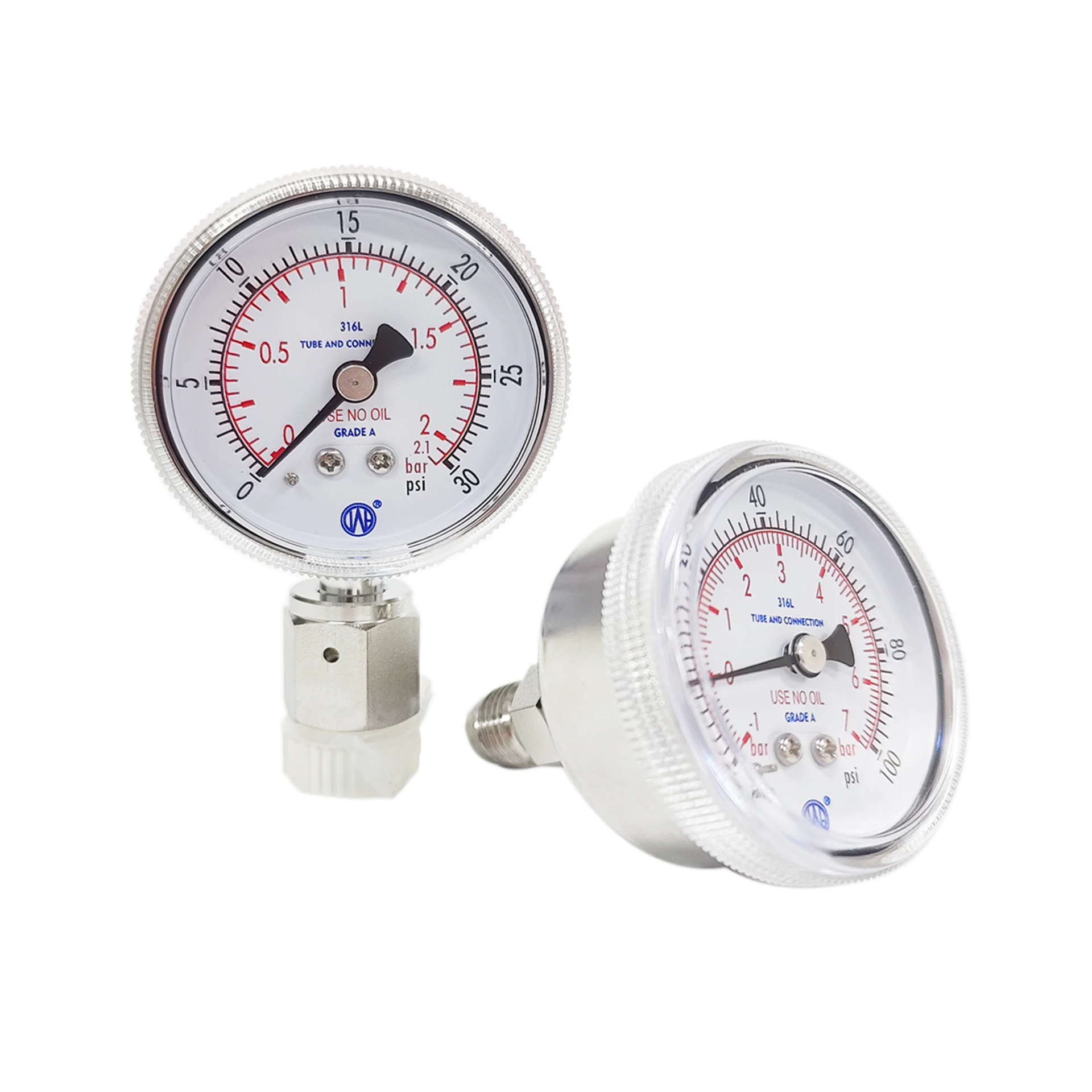
Digital tire pressure gauges are essential instruments for maintaining optimal vehicle performance, safety, and tire longevity. Functioning as precision transducers, these devices accurately measure the pneumatic pressure within a tire, expressed typically in pounds per square inch (PSI) or bar. They have superseded traditional mechanical gauges due to their enhanced accuracy, digital display, and often, additional features like memory recall and unit conversion. Within the automotive maintenance supply chain, digital tire pressure gauges represent a critical component for both professional technicians and individual vehicle owners. Core performance metrics include accuracy (typically within ±1%), resolution (0.1 PSI or similar), and durability, relating to the quality of the pressure sensor, housing materials, and battery life. Improper tire pressure contributes to uneven wear, reduced fuel efficiency, and increased risk of tire failure. Therefore, the accurate and consistent use of a digital tire pressure gauge is paramount for vehicle safety and operational cost-effectiveness.
Material Science & Manufacturing
The manufacturing of a digital tire pressure gauge involves several key material selections and processes. The core sensing element is typically a piezoresistive pressure sensor, often constructed from silicon. Silicon's piezoresistive effect – the change in electrical resistance under mechanical stress – provides a linear and reliable response to pressure variations. This sensor is bonded to a stainless steel diaphragm, ensuring compatibility with the air within the tire and providing structural integrity. The gauge housing is commonly manufactured from ABS plastic or polycarbonate, selected for their impact resistance and lightweight properties. The digital display utilizes LCD (Liquid Crystal Display) or OLED (Organic Light-Emitting Diode) technology, requiring a transparent acrylic or polycarbonate cover. Manufacturing processes include semiconductor fabrication for the pressure sensor, injection molding for the housing, and automated assembly for integrating the electronic components (microcontroller, display, battery). Critical parameter control during manufacturing focuses on sensor calibration, ensuring accuracy across the specified pressure range. The nozzle, which interfaces with the tire valve stem, is typically constructed from brass or stainless steel to prevent corrosion and maintain a secure seal. Battery selection often favors AAA or button-cell batteries, requiring careful consideration of leakage prevention and long-term stability.
Performance & Engineering
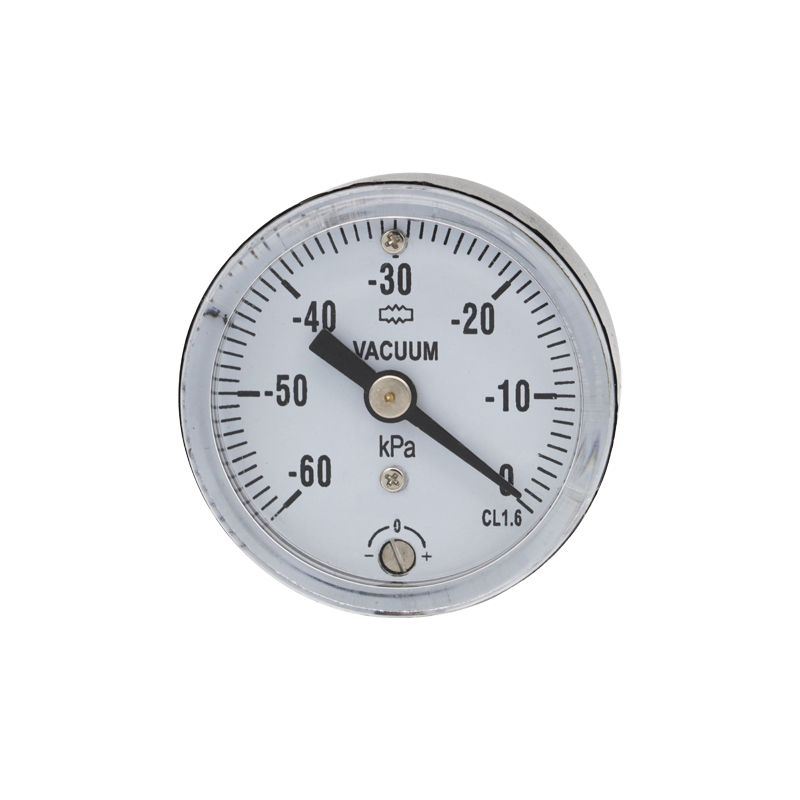
The performance of a digital tire pressure gauge is dictated by several engineering principles. Force analysis centers on the pressure applied to the sensing diaphragm, translating to a quantifiable electrical signal via the piezoresistive effect. This signal is then amplified and processed by a microcontroller, converting it to a digital reading displayed on the LCD/OLED screen. Environmental resistance is crucial, specifically regarding temperature fluctuations. Extreme temperatures can affect sensor accuracy and battery performance. Calibration is performed at a standardized temperature (e.g., 25°C) and may incorporate temperature compensation algorithms within the microcontroller's firmware. Compliance requirements, particularly for automotive applications, are stringent. The gauge must meet standards for accuracy and repeatability, often specified by regulatory bodies. Functional implementation involves robust filtering algorithms to minimize noise and ensure stable readings. The microcontroller also manages power consumption to extend battery life and may incorporate features like auto-off functionality. The design of the valve stem interface is paramount, ensuring a leak-proof connection to prevent pressure loss during measurement. The nozzle material and sealing mechanism (typically a rubber o-ring) contribute significantly to the gauge’s overall performance and reliability.
Technical Specifications
| Pressure Range (PSI) | Accuracy (PSI) | Resolution (PSI) | Operating Temperature (°F) |
|---|---|---|---|
| 0-60 | ±0.5 | 0.1 | -10 to 140 |
| 0-100 | ±1.0 | 0.1 | -4 to 158 |
| 0-150 | ±1.5 | 0.1 | -4 to 158 |
| 0-200 | ±2.0 | 0.1 | -4 to 158 |
| 0-250 | ±2.5 | 0.1 | -4 to 158 |
| 0-300 | ±3.0 | 0.1 | -4 to 158 |
Failure Mode & Maintenance
Digital tire pressure gauges are susceptible to several failure modes. Sensor drift, a gradual change in calibration, is a common issue, often caused by prolonged exposure to temperature extremes or mechanical stress. Battery leakage can corrode internal components, leading to inaccurate readings or complete failure. Cracking of the housing, typically due to impact, can expose internal circuitry to environmental contaminants. Failure of the LCD/OLED display is often a result of internal component degradation or moisture ingress. The nozzle valve can wear over time, resulting in pressure leaks during measurement. Preventative maintenance includes regular battery replacement, avoiding exposure to extreme temperatures, and storing the gauge in a clean, dry environment. If the gauge exhibits inconsistent readings, recalibration may be necessary, although this typically requires specialized equipment. For battery leakage, immediate removal of the batteries and cleaning of affected areas with isopropyl alcohol is recommended. If the housing is cracked, the gauge should be replaced. Routine visual inspection for physical damage and proper battery management are crucial for maximizing the lifespan and accuracy of the instrument.
Industry FAQ
Q: What is the acceptable tolerance for accuracy in a professional tire shop setting?
A: In a professional tire shop, accuracy is paramount. An acceptable tolerance is typically ±1 PSI, and ideally, gauges should be calibrated regularly – at least annually – to maintain this precision. Deviation beyond this tolerance can lead to improper tire inflation and potential safety issues.
Q: How does temperature affect the readings on a digital tire pressure gauge?
A: Temperature fluctuations can significantly impact readings. As temperature increases, tire pressure also increases. Most digital gauges don't automatically compensate for this; therefore, readings should be taken when tires are "cold"—meaning they haven't been driven on for at least three hours. Some high-end gauges incorporate temperature compensation, but these are typically more expensive.
Q: What is the lifespan of a typical digital tire pressure gauge?
A: The lifespan varies depending on usage and maintenance. A well-maintained gauge, used for personal vehicle checks, can last 5-10 years. In a commercial setting with frequent use, the lifespan may be shorter—around 2-5 years—due to increased wear and tear.
Q: What is the difference between a digital tire pressure gauge and a traditional analog gauge?
A: Digital gauges offer several advantages over analog gauges. They generally provide higher accuracy, a clear digital display, and often features like memory recall and unit conversion. Analog gauges are simpler and don't require batteries, but they are less accurate and can be more difficult to read.
Q: How often should a digital tire pressure gauge be calibrated?
A: Calibration frequency depends on usage. For personal use, annual calibration is sufficient. For professional use in tire shops or fleet maintenance, calibration should be performed every 6-12 months or after any significant impact or suspected malfunction.
Conclusion
Digital tire pressure gauges are indispensable tools for maintaining safe and efficient vehicle operation. Their accuracy, reliability, and ease of use represent a significant improvement over traditional mechanical gauges. Understanding the material science behind their construction, the engineering principles governing their performance, and potential failure modes is crucial for selecting the appropriate gauge and ensuring its longevity.
Continued advancements in sensor technology and materials science will likely lead to even more precise, durable, and feature-rich digital tire pressure gauges in the future. Regular calibration and proper maintenance remain key to maximizing the instrument's performance and ensuring consistent, reliable readings. Investing in a quality gauge and adopting a proactive maintenance schedule are essential practices for both individual vehicle owners and professional technicians.
 English
  Arabic
  China
China  China (Taiwan)
  Danish
  Dutch
Dutch  French
  German
  Greek
Greek  Hindi
Hindi  Indonesian
  Italian
  Japanese
  Korean
  Latin
Latin  Polish
  Portuguese
  Russian
  Spanish
  Turkish