
Apr . 01, 2024 17:55 Back to list
Fuel Pressure Gauge how to use Fuel Pressure Gauge Performance Analysis
Introduction
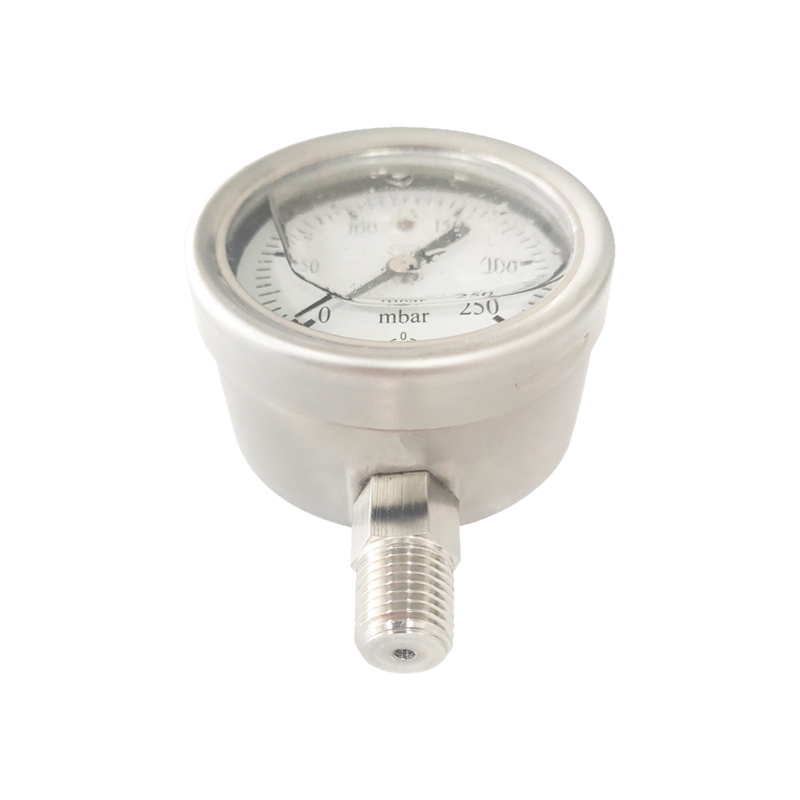
A fuel pressure gauge is a critical diagnostic tool utilized in internal combustion engine systems – encompassing gasoline, diesel, and increasingly, alternative fuel configurations. Its primary function is to measure the pressure exerted by the fuel pump within the fuel rail, providing valuable insights into the health and efficiency of the fuel delivery system. This guide provides an in-depth technical analysis of fuel pressure gauge operation, material science, performance characteristics, failure modes, and relevant industry standards. Within the automotive maintenance and repair industry, consistent and accurate fuel pressure readings are essential for diagnosing issues such as clogged fuel filters, failing fuel pumps, leaking injectors, or a faulty fuel pressure regulator. Inadequate or excessive fuel pressure directly impacts engine performance, fuel economy, and emissions control. The gauge's position in the service chain is post-initial diagnostics (scanning for codes) but pre-component replacement, guiding technicians towards targeted repair strategies. Core performance indicators include accuracy, resolution, durability, and compatibility with a range of fuel types.
Material Science & Manufacturing
Fuel pressure gauges typically employ a Bourdon tube sensing element, constructed from materials exhibiting high tensile strength, elasticity, and corrosion resistance. Common materials include beryllium copper (CuBe), stainless steel (304, 316), and certain nickel alloys. Beryllium copper is favored for its superior elasticity and ability to withstand repeated pressure cycling, crucial for accurate readings. Stainless steel provides excellent corrosion resistance against a broad spectrum of fuels, including those containing ethanol. The manufacturing process begins with precise tube forming, followed by heat treatment to optimize material properties. The gauge's casing is often manufactured from injection-molded ABS plastic or aluminum, selected for their impact resistance and lightweight characteristics. Diaphragm gauges, an alternative construction, use a flexible diaphragm – commonly made from nitrile rubber or PTFE – exposed to the fuel pressure. The diaphragm’s deflection is then translated into a measurable signal. Critical manufacturing parameters include dimensional tolerances of the Bourdon tube, weld integrity (if applicable), calibration accuracy, and sealing effectiveness to prevent fuel leaks. Seals are typically constructed from Viton or EPDM, chosen for their chemical compatibility with gasoline, diesel, and biofuels. Calibration is performed using NIST-traceable pressure standards, ensuring accuracy across the specified pressure range.
Performance & Engineering
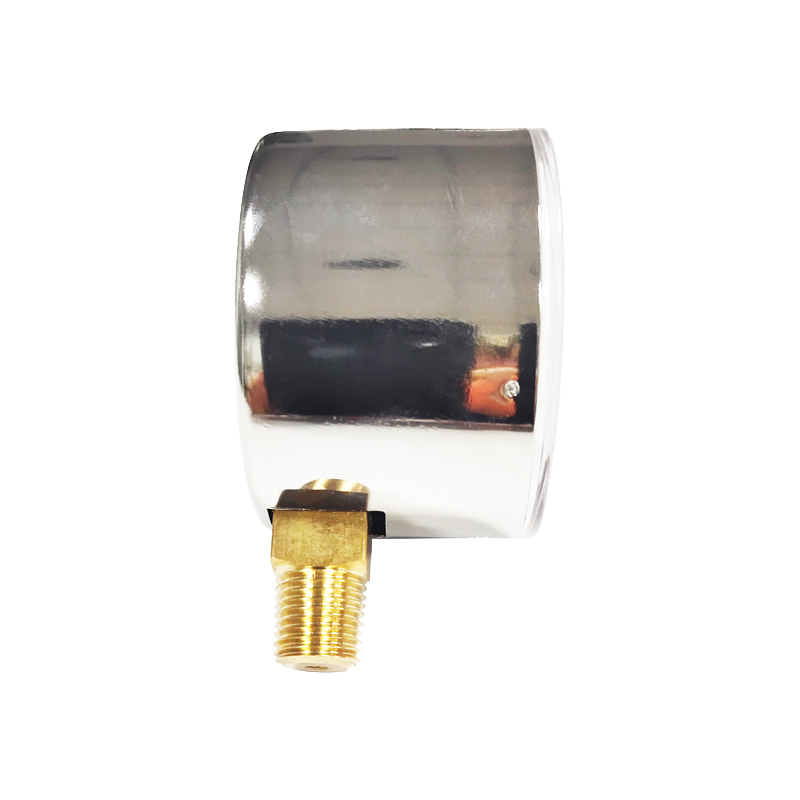
The performance of a fuel pressure gauge is governed by several engineering principles. Force analysis centers on the relationship between fuel pressure, the Bourdon tube’s cross-sectional area, and the resulting deflection. This deflection is mechanically linked to the gauge’s pointer, calibrated to display pressure in PSI, kPa, or bar. Environmental resistance is paramount; gauges must withstand temperature fluctuations, vibration, and exposure to engine fluids. Many gauges feature a liquid-filled case (glycerin or silicone oil) to dampen vibration and enhance readability. Compliance requirements vary by region but generally involve adherence to safety standards related to pressure vessel design and material compatibility. Functional implementation requires proper installation – typically involving a test port on the fuel rail – and a secure connection to prevent leaks. The gauge’s accuracy is affected by factors such as temperature (affecting material elasticity), hysteresis (lag in response to pressure changes), and linearity (consistency of readings across the pressure range). Advanced digital fuel pressure gauges incorporate microcontrollers and pressure sensors, offering enhanced accuracy, data logging capabilities, and wireless communication for real-time monitoring. Signal processing algorithms are employed to filter noise and compensate for temperature drift.
Technical Specifications
| Pressure Range (PSI) | Accuracy (% of Full Scale) | Resolution (PSI) | Operating Temperature (°F) |
|---|---|---|---|
| 0-100 | ±2% | 1 | -20 to 150 |
| 0-150 | ±1.5% | 0.5 | -20 to 180 |
| 0-300 | ±2.5% | 2 | -10 to 160 |
| 0-600 | ±3% | 5 | 0 to 140 |
| 0-1000 | ±3.5% | 10 | 0 to 120 |
| 0-2000 | ±4% | 20 | 10 to 100 |
Failure Mode & Maintenance
Fuel pressure gauges are susceptible to several failure modes. Fatigue cracking of the Bourdon tube can occur due to repeated pressure cycling, particularly at high pressures or with aggressive fuels. Corrosion, especially in gauges not constructed from corrosion-resistant materials, can lead to leaks and inaccurate readings. Delamination of the diaphragm (in diaphragm-type gauges) can occur due to material degradation or incompatibility with the fuel. Oxidation of internal components can increase friction and impede movement, resulting in erratic readings. Leaks around the connection points are common, often caused by worn or damaged seals. For maintenance, regular visual inspection for leaks, cracks, or corrosion is crucial. Periodic calibration against a NIST-traceable standard is recommended to ensure accuracy. Avoid exposing the gauge to extreme temperatures or harsh chemicals. If leaks are detected, replace the seals or, if the gauge is damaged, replace the entire unit. Digital gauges may require battery replacement or software updates. Proper storage in a clean, dry environment when not in use will extend the gauge’s lifespan.
Industry FAQ
Q: What is the significance of a fluctuating fuel pressure reading?
A: A fluctuating fuel pressure reading typically indicates an issue with the fuel pump, fuel pressure regulator, or a restriction in the fuel line. The fluctuation suggests the pump is unable to maintain a consistent pressure, or the regulator is malfunctioning. Further investigation is needed to pinpoint the exact source of the problem.
Q: How do I interpret a consistently low fuel pressure reading?
A: A consistently low fuel pressure reading usually points to a failing fuel pump, a clogged fuel filter, a leak in the fuel line, or a malfunctioning fuel pressure regulator. The fuel pump may not be generating sufficient pressure to supply the engine's demands.
Q: Can using ethanol-blended fuel affect the lifespan of a fuel pressure gauge?
A: Yes, ethanol can be corrosive to certain materials commonly used in fuel pressure gauges. It’s critical to select a gauge with components (especially the Bourdon tube and seals) that are specifically compatible with ethanol-blended fuels, such as those made from stainless steel or Viton.
Q: What safety precautions should be taken when working with fuel pressure gauges?
A: Fuel systems are under pressure and flammable. Always relieve fuel pressure before disconnecting any components. Wear appropriate personal protective equipment (PPE), including safety glasses and gloves. Work in a well-ventilated area and avoid open flames or sparks. Properly dispose of any spilled fuel.
Q: How often should a fuel pressure gauge be calibrated?
A: Calibration frequency depends on usage and accuracy requirements. As a general guideline, a fuel pressure gauge should be calibrated at least annually, or more frequently if it is used extensively or in critical applications. Maintaining calibration ensures accurate readings and reliable diagnostic results.
Conclusion
The fuel pressure gauge remains a fundamental diagnostic tool in automotive maintenance, providing critical data for evaluating the health of the fuel delivery system. Understanding the underlying material science, manufacturing processes, and engineering principles governing its operation is essential for accurate diagnosis and effective repair. Correct interpretation of readings – considering factors such as fluctuation, consistent high/low pressures, and environmental influences – guides technicians towards targeted solutions.
Future developments in fuel pressure gauge technology will likely focus on enhanced sensor accuracy, integration with vehicle diagnostic systems, and wireless data transmission for real-time monitoring. Furthermore, advancements in materials science will yield gauges more resistant to corrosion and degradation from increasingly complex fuel formulations. Proper maintenance and periodic calibration remain vital to ensuring the longevity and accuracy of these essential tools.
 English
  Arabic
  China
China  China (Taiwan)
  Danish
  Dutch
Dutch  French
  German
  Greek
Greek  Hindi
Hindi  Indonesian
  Italian
  Japanese
  Korean
  Latin
Latin  Polish
  Portuguese
  Russian
  Spanish
  Turkish