
Apr . 01, 2024 17:55 Back to list
Gas Station Tire Pressure Gauge how to read gas station tire pressure gauge Performance Analysis
Introduction
Gas station tire pressure gauges are ubiquitous tools utilized for verifying the inflation pressure of vehicle tires. While seemingly simple, accurate interpretation is critical for vehicle safety, fuel efficiency, and tire longevity. These gauges function based on the principle of a Bourdon tube or a digital pressure sensor, providing a reading in pounds per square inch (PSI) or kilopascals (kPa). Understanding the gauge’s scale, potential error sources, and the vehicle manufacturer’s recommended tire pressure is paramount. Incorrect tire pressure – whether over or under-inflated – significantly impacts handling, braking performance, and contributes to premature tire wear. This guide provides a comprehensive technical overview of gas station tire pressure gauge operation, calibration considerations, potential failure modes, and best practices for obtaining reliable readings.
Material Science & Manufacturing
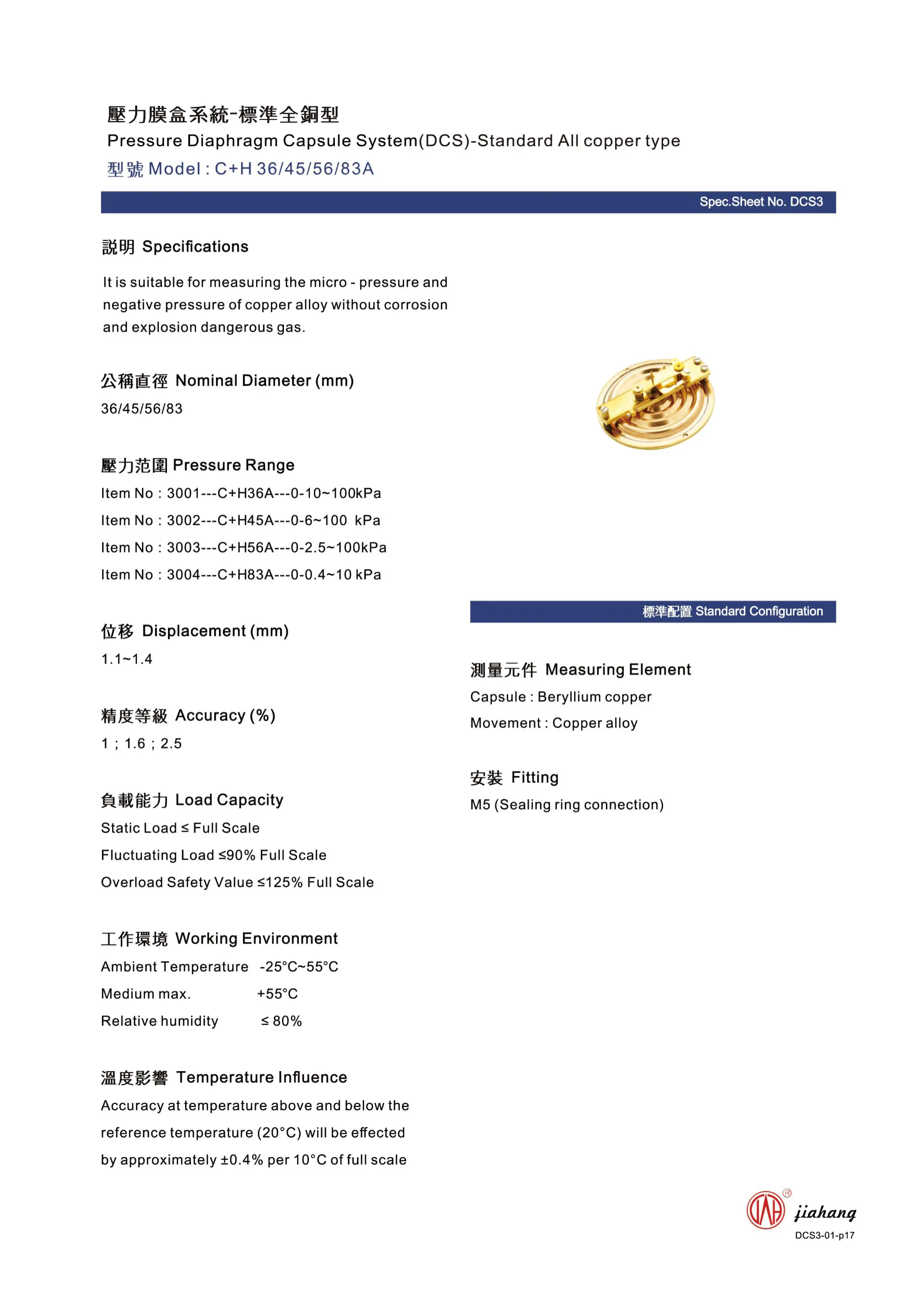
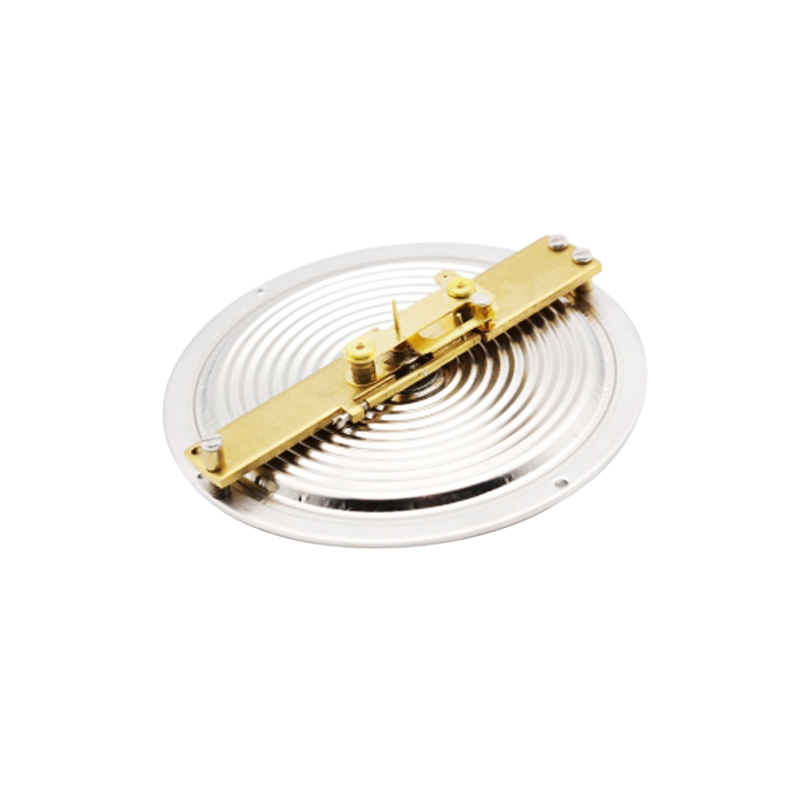
Gas station tire pressure gauges are typically constructed from a combination of materials chosen for their durability, resilience, and ability to withstand repeated stress. The core measuring element, often a Bourdon tube, is fabricated from alloy steel – specifically, materials like beryllium copper or spring steel – selected for their high elastic modulus and fatigue resistance. The gauge housing is often constructed from reinforced polymers (ABS plastic) or aluminum alloys, providing impact resistance and protection for the internal components. The rubber hose connecting the gauge to the tire valve is typically composed of nitrile rubber (NBR) or ethylene propylene diene monomer (EPDM) rubber, chosen for their compatibility with compressed air and resistance to degradation from ozone and UV exposure.
Manufacturing processes vary depending on the gauge type. Bourdon tube gauges involve forming the alloy steel tubing through a cold-drawing process, followed by heat treatment to achieve the desired spring characteristics. The tube is then calibrated and coupled to a mechanical linkage that drives the pointer on the gauge face. Digital gauges utilize a piezoresistive pressure sensor – often constructed from silicon – where the resistance changes proportionally to applied pressure. This signal is amplified, processed by a microcontroller, and displayed on an LCD screen. Quality control involves hydrostatic testing to verify leak tightness, calibration against a NIST-traceable standard, and visual inspection for defects. The accuracy of the gauge is heavily reliant on the precision of the Bourdon tube manufacturing or the calibration of the pressure sensor.
Performance & Engineering
The performance of a tire pressure gauge is primarily dictated by its accuracy, repeatability, and response time. Accuracy refers to how closely the displayed reading matches the actual tire pressure. Repeatability refers to the consistency of readings when measuring the same pressure multiple times. Response time describes how quickly the gauge reacts to changes in pressure. Engineering considerations include minimizing hysteresis (the difference in readings depending on whether the pressure is increasing or decreasing) and ensuring linear operation across the gauge’s entire pressure range.
Force analysis focuses on the stresses within the Bourdon tube or the silicon sensor under pressure. The tube's wall thickness and material properties must be carefully selected to prevent permanent deformation or failure. Environmental resistance is critical; gauges are exposed to temperature fluctuations, humidity, and potential contaminants. Sealed housings are used to protect the internal components from moisture ingress. Compliance requirements, such as those specified by the National Highway Traffic Safety Administration (NHTSA) in the United States, necessitate certain levels of accuracy and durability for tire pressure gauges sold to consumers. The gauge’s internal mechanical linkage (for analog gauges) must be designed to minimize friction and backlash, enhancing precision and longevity.
Technical Specifications
| Parameter | Typical Range | Accuracy | Resolution |
|---|---|---|---|
| Pressure Range | 0-60 PSI (0-414 kPa) | ±2 PSI (±14 kPa) | 1 PSI (7 kPa) |
| Housing Material | ABS Plastic / Aluminum Alloy | Impact Resistance: >10 J | - |
| Hose Material | Nitrile Rubber (NBR) / EPDM | Tensile Strength: >10 MPa | - |
| Operating Temperature | -20°C to 60°C (-4°F to 140°F) | Accuracy Drift: <0.5% per °C | - |
| Digital Display (if applicable) | LCD | Resolution: 0.1 PSI (7 kPa) | - |
| Bourdon Tube Material (if applicable) | Beryllium Copper / Spring Steel | Elastic Modulus: >200 GPa | - |
Failure Mode & Maintenance
Common failure modes for gas station tire pressure gauges include mechanical damage (e.g., a cracked housing, a bent Bourdon tube), leaks in the hose or fittings, and calibration drift. Analog gauges are susceptible to wear and tear in the mechanical linkage, leading to inaccurate readings. Digital gauges can fail due to battery depletion, LCD screen malfunction, or sensor damage. Corrosion, particularly in humid environments, can affect the internal components. Fatigue cracking in the Bourdon tube can occur due to repeated stress cycles.
Preventive maintenance primarily involves visual inspection for physical damage, checking for leaks using a soapy water solution, and periodically verifying the gauge’s accuracy against a calibrated standard. If the gauge consistently provides inaccurate readings, it should be replaced or professionally recalibrated. Avoid dropping the gauge or exposing it to extreme temperatures. Store the gauge in a clean, dry environment. Regular cleaning of the hose connection to remove dirt and debris will also help maintain accuracy. For digital gauges, replace the batteries as needed and avoid prolonged exposure to direct sunlight.
Industry FAQ
Q: What is the significance of the +/- tolerance specified on a tire pressure gauge?
A: The +/- tolerance indicates the maximum permissible deviation from the true pressure. For example, a gauge with an accuracy of ±2 PSI means the actual pressure could be up to 2 PSI higher or lower than the displayed reading. This tolerance is a crucial factor in determining the gauge’s suitability for critical applications.
Q: How often should a tire pressure gauge be calibrated?
A: Calibration frequency depends on usage and environmental conditions. For professional use, annual calibration is recommended. For infrequent personal use, calibration every 2-3 years is generally sufficient. Any time a gauge experiences significant impact or consistently provides questionable readings, it should be recalibrated.
Q: What causes a tire pressure gauge to read differently on different tires?
A: Variations in tire valve stem design, temperature differences between tires, and slight inconsistencies in gauge application can all contribute to reading variations. Ensure the gauge is fully seated on the valve stem and apply consistent pressure during each reading.
Q: Are digital tire pressure gauges inherently more accurate than analog gauges?
A: Not necessarily. While digital gauges often offer higher resolution, their accuracy depends on the quality of the pressure sensor and calibration. A well-maintained, high-quality analog gauge can be as accurate as a lower-end digital gauge.
Q: What is the impact of ambient temperature on tire pressure readings?
A: Tire pressure decreases approximately 1 PSI for every 10°F (5.6°C) drop in temperature. Account for temperature changes when verifying tire pressure, and always check pressure when the tires are cold (before driving).
Conclusion
Accurate tire pressure maintenance is vital for safety, fuel efficiency, and tire longevity. Gas station tire pressure gauges, while convenient, require a fundamental understanding of their operation, potential error sources, and limitations. The materials and manufacturing techniques employed in their construction directly impact performance and durability. Regular inspection, proper usage techniques, and periodic calibration are crucial for ensuring reliable readings.
The industry continues to move towards more sophisticated digital gauges with enhanced accuracy and features. However, even with advanced technology, the core principle of verifying tire pressure against the vehicle manufacturer’s recommendations remains paramount. Investing in a quality gauge and diligently monitoring tire pressure are essential components of responsible vehicle ownership and preventative maintenance.
 English
  Arabic
  China
China  China (Taiwan)
  Danish
  Dutch
Dutch  French
  German
  Greek
Greek  Hindi
Hindi  Indonesian
  Italian
  Japanese
  Korean
  Latin
Latin  Polish
  Portuguese
  Russian
  Spanish
  Turkish