
Apr . 01, 2024 17:55 Back to list
Gauge Pressure how to find gauge pressure Performance Analysis
Introduction
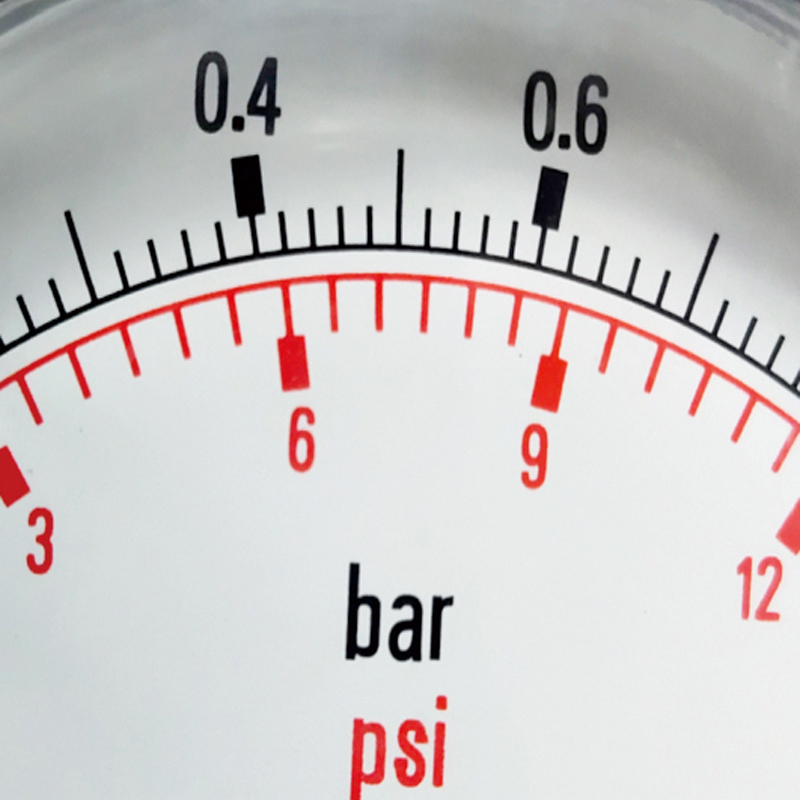
Gauge pressure, a fundamental measurement in industrial processes, represents the pressure relative to ambient atmospheric pressure. Its accurate determination is critical across numerous sectors, including oil & gas, chemical processing, power generation, and HVAC systems. This guide provides a comprehensive technical overview of gauge pressure, encompassing its underlying principles, measurement techniques, material considerations for pressure sensing elements, failure modes, and relevant industry standards. Inaccurate gauge pressure readings can lead to process inefficiencies, equipment damage, safety hazards, and compromised product quality. Understanding the nuances of gauge pressure measurement is therefore paramount for engineers, technicians, and procurement professionals involved in these industries. Common applications requiring precise gauge pressure monitoring include reactor pressure control, pipeline integrity assessment, boiler operation, and hydraulic system diagnostics. The core performance of gauge pressure measurement relies on the accurate transduction of force applied by a fluid to a measurable electrical signal, mechanical indication, or other quantifiable output.
Material Science & Manufacturing
The materials utilized in gauge pressure sensors and instrumentation significantly impact their performance, durability, and compatibility with the measured medium. Bourdon tubes, a common primary sensing element, are frequently constructed from beryllium copper, stainless steel (304, 316, 316L), and alloys like Inconel for corrosive environments. Beryllium copper offers high elasticity and fatigue resistance, ideal for low-to-moderate pressure ranges. Stainless steels provide excellent corrosion resistance in a wider range of applications. Diaphragm seals, used for highly viscous or corrosive media, often employ materials like Hastelloy, Teflon (PTFE), and ceramic materials. Manufacturing processes for Bourdon tubes involve cold forming, heat treatment, and welding. Precise heat treatment is crucial to optimize the material's spring characteristics and prevent stress corrosion cracking. Welding must be performed using techniques that minimize residual stress and maintain the material's integrity. For diaphragm seals, precision machining and bonding techniques are paramount. The material’s yield strength and tensile strength must be carefully controlled. The selection of O-rings and seals requires consideration of chemical compatibility with the process fluid. Common materials include Viton, Kalrez, and EPDM, each offering varying degrees of resistance to specific chemicals. Manufacturing tolerances are tightly controlled, as even minor dimensional variations can introduce significant errors in gauge pressure readings. Statistical Process Control (SPC) is widely employed to monitor and maintain consistent product quality during manufacturing.
Performance & Engineering
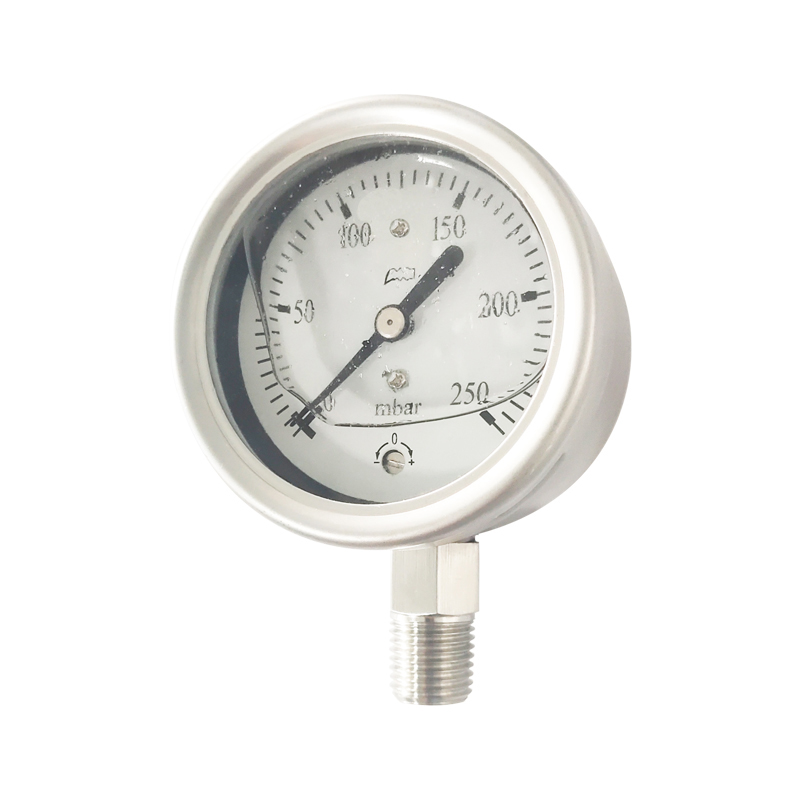
Gauge pressure measurement fundamentally relies on the principles of statics and fluid mechanics. The applied force due to the fluid pressure is balanced by the restoring force of the sensing element (e.g., Bourdon tube, diaphragm). Engineering design considerations include determining the appropriate pressure range, accuracy requirements, media compatibility, and environmental conditions. Force analysis involves calculating the stress on the sensing element under maximum pressure conditions, ensuring it remains within its elastic limit to prevent permanent deformation. Environmental resistance is a key concern, particularly in harsh industrial environments. Temperature variations can significantly affect the accuracy of gauge pressure measurements due to thermal expansion and contraction of the sensing element and associated components. Temperature compensation techniques, such as bimetallic strips or electronic temperature sensors, are often employed to mitigate these effects. Compliance requirements, such as those outlined by ASME B40.100 for pressure gauges, dictate stringent accuracy standards and testing procedures. Functional implementation involves selecting the appropriate transduction method (e.g., mechanical linkage, strain gauge, capacitive sensing) to convert the applied force into a measurable output signal. The linearity of the transducer is crucial for accurate measurements across the entire pressure range. Hysteresis, the difference between ascending and descending pressure readings, should be minimized through careful design and calibration. Vibration and shock resistance are also important considerations, particularly in mobile or dynamic applications.
Technical Specifications
| Parameter | Typical Range (psi) | Accuracy (±% of span) | Operating Temperature (°C) | Media Compatibility | Connection Type |
|---|---|---|---|---|---|
| Bourdon Tube Gauge | 0-30 to 0-10,000 | ±1-3 | -40 to 85 | General industrial fluids, gases | 1/8" NPT, 1/4" NPT |
| Diaphragm Seal Gauge | 0-100 to 0-15,000 | ±0.5-2 | -60 to 150 | Corrosive fluids, viscous media | 1/2" NPT, Flange |
| Transducer (Strain Gauge) | 0-10 to 0-5000 | ±0.1-0.5 | -20 to 80 | Wide range, depends on sensor material | 1/4" NPT, Electrical Connector |
| Transducer (Capacitive) | 0-1 to 0-1000 | ±0.1-0.25 | -30 to 90 | General industrial fluids, gases | 1/4" NPT, Electrical Connector |
| Digital Pressure Gauge | 0-5 to 0-6000 | ±0.25-1 | -10 to 60 | Wide range, depends on sensor type | 1/4" NPT, USB, Bluetooth |
| Sanitary Pressure Gauge | 0-30 to 0-500 | ±1-2 | -10 to 85 | Food grade, pharmaceutical | Tri-Clamp, Sanitary Flange |
Failure Mode & Maintenance
Common failure modes in gauge pressure measurement include fatigue cracking of Bourdon tubes, diaphragm rupture, sensor drift, and seal leakage. Fatigue cracking typically occurs due to cyclic pressure fluctuations exceeding the material's endurance limit. Diaphragm rupture can result from overpressure events or corrosion. Sensor drift is often caused by temperature variations, hysteresis, or contamination. Seal leakage leads to inaccurate readings and potential process contamination. Failure analysis techniques include visual inspection for cracks or corrosion, non-destructive testing (NDT) methods like ultrasonic testing, and metallurgical analysis of failed components. Regular maintenance practices are crucial to prevent failures and ensure accurate measurements. These include periodic calibration using a certified pressure standard, visual inspection of sensors and connections, and replacement of worn or damaged seals. For diaphragm seals, it's essential to check for signs of corrosion or cracking. For electronic transducers, it's important to verify the integrity of the electrical connections and power supply. Proper storage of spare parts is also essential to minimize downtime in the event of a failure. Implementing a preventative maintenance schedule based on operating conditions and manufacturer recommendations can significantly extend the lifespan of gauge pressure instrumentation. Proper dampening mechanisms should also be used in applications with significant pressure pulsation to reduce stress on the sensing element.
Industry FAQ
Q: What is the impact of media viscosity on gauge pressure measurement accuracy?
A: High media viscosity can introduce significant errors in gauge pressure measurements. Viscous fluids exhibit increased resistance to flow, which can cause a delay in pressure transmission to the sensing element, resulting in a dampened response and potentially inaccurate readings. Diaphragm seals are often used with viscous media to minimize this effect, and dynamic response correction factors may be applied during calibration.
Q: How does ambient temperature affect the accuracy of a Bourdon tube gauge?
A: Ambient temperature affects the accuracy of Bourdon tube gauges through thermal expansion and contraction of the tube material. This can cause a shift in the zero point and span of the gauge. Temperature compensation techniques, such as bimetallic strips or electronic temperature sensors, can be employed to minimize these effects. It is crucial to select gauges with appropriate temperature ratings for the intended operating environment.
Q: What are the benefits of using a remote seal in a gauge pressure application?
A: Remote seals (diaphragm seals) are used when the process fluid is corrosive, viscous, contains solids, or is at a high temperature. They isolate the gauge from the process, protecting it from damage and ensuring accurate readings. Remote seals also allow the gauge to be mounted remotely from the process connection, improving accessibility and operator safety.
Q: What is the proper calibration frequency for gauge pressure instruments?
A: The proper calibration frequency depends on the application, operating conditions, and required accuracy. A general guideline is to calibrate gauges annually, but more frequent calibration (e.g., quarterly or monthly) may be necessary for critical applications or harsh environments. Calibration should be performed using a certified pressure standard traceable to national standards.
Q: What are the key considerations when selecting a pressure gauge for a corrosive fluid application?
A: When selecting a pressure gauge for a corrosive fluid application, the primary consideration is material compatibility. The wetted parts of the gauge (e.g., Bourdon tube, diaphragm seal, connections) must be constructed from materials that are resistant to corrosion by the specific fluid. Common materials include stainless steel (316, 316L), Hastelloy, and Teflon (PTFE). Regular inspection and maintenance are also essential to detect and address any signs of corrosion.
Conclusion
Accurate gauge pressure measurement is fundamental to the safe and efficient operation of numerous industrial processes. This guide has detailed the critical aspects of gauge pressure, from material science and manufacturing techniques to performance engineering and failure mode analysis. Understanding the nuances of pressure sensing elements, environmental factors, and relevant industry standards is essential for ensuring reliable and precise measurements. Selecting the appropriate gauge type, considering the media compatibility, and implementing a robust maintenance program are vital for minimizing downtime and maximizing the lifespan of pressure instrumentation.
The ongoing development of advanced pressure sensing technologies, such as micro-electromechanical systems (MEMS) based transducers, offers the potential for even greater accuracy, miniaturization, and integration into smart industrial systems. Future trends will likely focus on wireless pressure monitoring, predictive maintenance algorithms, and enhanced data analytics for optimizing process control and reducing operational costs. Continued adherence to international standards and best practices will remain critical for maintaining the integrity and reliability of gauge pressure measurements in demanding industrial environments.
 English
  Arabic
  China
China  China (Taiwan)
  Danish
  Dutch
Dutch  French
  German
  Greek
Greek  Hindi
Hindi  Indonesian
  Italian
  Japanese
  Korean
  Latin
Latin  Polish
  Portuguese
  Russian
  Spanish
  Turkish