
Apr . 01, 2024 17:55 Back to list
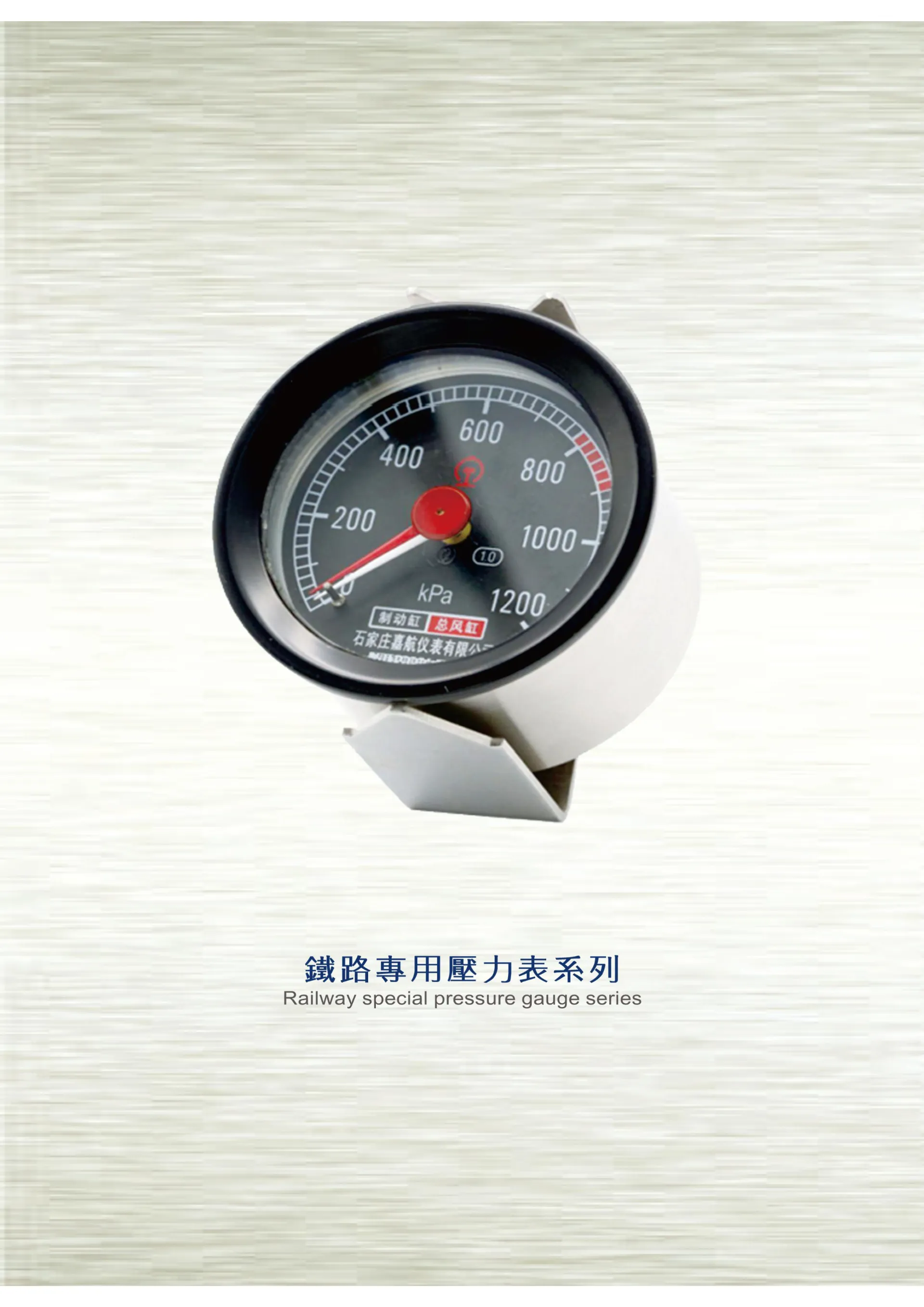
Gauge Pressure what is a gauge pressure Performance Analysis
Introduction
Gauge pressure is a measurement of pressure relative to atmospheric pressure. Unlike absolute pressure, which uses a perfect vacuum as a reference point, gauge pressure utilizes the current ambient atmospheric pressure as zero. This makes it a widely used metric in numerous industrial applications, including process control, fluid power systems, and meteorological measurements. Understanding gauge pressure is crucial for designing, operating, and maintaining equipment that relies on pressure differentials. Its significance lies in its direct relevance to the operational stresses and performance characteristics of systems interacting with the environment. Incorrect interpretation or application of gauge pressure can lead to system inefficiencies, component failures, and potentially hazardous situations. This guide provides an in-depth exploration of gauge pressure, covering its underlying principles, material considerations for sensing technologies, engineering applications, common failure modes, and relevant industry standards.
Material Science & Manufacturing
The manufacturing of gauge pressure sensors and instruments relies heavily on the properties of specific materials. Diaphragms, a critical component in many gauge pressure transducers, are commonly fabricated from stainless steel (304, 316, 17-4 PH), nickel alloys (Inconel, Hastelloy), and titanium alloys. These materials are chosen for their high tensile strength, corrosion resistance, and elastic properties. Stainless steel 304 is frequently used for general-purpose applications due to its cost-effectiveness and adequate corrosion resistance. However, for aggressive media or high-temperature environments, nickel alloys are preferred due to their superior resistance to chemical attack and oxidation. Titanium alloys offer an excellent strength-to-weight ratio, making them suitable for aerospace and other weight-sensitive applications. Manufacturing processes include deep drawing for diaphragm formation, precision machining for sensor housings, and resistance welding or laser welding for secure assembly. Critical parameters during manufacturing include surface finish (to minimize hysteresis and improve accuracy), heat treatment (to optimize material properties and reduce residual stresses), and calibration procedures (using certified pressure standards). The selection of materials and control of manufacturing parameters directly impact the sensor's accuracy, repeatability, and long-term stability. Furthermore, the manufacturing process must adhere to stringent quality control procedures to ensure consistency and reliability.
Performance & Engineering
Engineering applications involving gauge pressure require a thorough understanding of force analysis and environmental considerations. The relationship between gauge pressure (P), force (F), and area (A) is fundamental: F = P A. This principle dictates the design of pressure-containing vessels, piping systems, and mechanical components. For example, in hydraulic systems, gauge pressure determines the force exerted by actuators. Accurate pressure measurement is crucial for maintaining system control and preventing overpressure scenarios. Environmental resistance is another key engineering factor. Temperature fluctuations can significantly affect gauge pressure readings due to thermal expansion and contraction of sensor components. Compensation techniques, such as temperature sensors integrated within the transducer, are employed to mitigate these effects. Corrosion is also a major concern, particularly in harsh industrial environments. Selecting corrosion-resistant materials and implementing protective coatings are essential for ensuring long-term reliability. Furthermore, compliance requirements, such as those stipulated by ASME Boiler and Pressure Vessel Code (Section VIII, Division 1) or the Pressure Equipment Directive (PED) in Europe, must be strictly adhered to. These standards dictate design calculations, material specifications, and testing procedures to ensure the safe operation of pressure vessels and systems. Dynamic pressure measurements, involving rapidly changing pressures, require sensors with high response times and minimal damping to accurately capture transient events.
Technical Specifications
| Pressure Range (psi) | Accuracy (%FS) | Operating Temperature (°C) | Media Compatibility |
|---|---|---|---|
| 0-100 | ±0.25 | -20 to 85 | Water, Oil, Air |
| 0-500 | ±0.5 | -40 to 125 | Hydraulic Fluid, Gas |
| 0-1000 | ±1.0 | -10 to 150 | Chemicals (specific to material) |
| 0-5000 | ±1.5 | -20 to 100 | High-Pressure Gases |
| 0-10000 | ±2.0 | 0 to 80 | Specialty Fluids (consult datasheet) |
| -14.5 to 0 (Vacuum Gauge) | ±0.5 | -20 to 85 | Air, Non-Corrosive Gases |
Failure Mode & Maintenance
Common failure modes in gauge pressure sensors and systems include diaphragm rupture (due to overpressure or fatigue), zero drift (caused by material creep or thermal instability), and sensor signal degradation (resulting from corrosion or electrical interference). Fatigue cracking is a significant concern in applications involving cyclical pressure loading. The number of cycles to failure is dependent on the stress amplitude and material properties. Delamination of the diaphragm can occur due to bonding failures or corrosion under the diaphragm. Degradation of the sensing element, often a piezoresistive or capacitive sensor, can lead to inaccurate readings and eventual failure. Oxidation of electrical contacts can also contribute to signal loss or intermittent operation. Preventative maintenance is crucial for extending the lifespan of these systems. Regular calibration, using certified pressure standards, is essential for maintaining accuracy. Visual inspections should be conducted to identify signs of corrosion, leaks, or physical damage. Periodic cleaning of the sensor and associated components can prevent build-up of contaminants that can affect performance. For critical applications, implementing a redundant sensor system provides backup in case of primary sensor failure. Furthermore, ensuring proper installation and avoiding excessive mechanical shock or vibration can minimize the risk of premature failure. Analyzing failed sensors through metallurgical analysis and failure analysis techniques helps identify root causes and implement corrective actions.
Industry FAQ
Q: What is the difference between gauge pressure, absolute pressure, and vacuum pressure?
A: Gauge pressure measures pressure relative to atmospheric pressure, with atmospheric pressure considered zero. Absolute pressure measures pressure relative to a perfect vacuum. Vacuum pressure measures pressure below atmospheric pressure. Converting between these requires knowing the current atmospheric pressure. Absolute Pressure = Gauge Pressure + Atmospheric Pressure.
Q: How does temperature affect gauge pressure measurements?
A: Temperature fluctuations can cause thermal expansion or contraction of the sensor and the measured fluid, leading to inaccurate readings. Many sensors incorporate temperature compensation techniques to minimize these effects. The thermal coefficient of expansion of the sensor materials and the fluid must be considered.
Q: What materials are best suited for gauge pressure sensors in corrosive environments?
A: Nickel alloys like Hastelloy and Inconel, as well as certain stainless steel grades (e.g., 316 stainless steel) offer excellent corrosion resistance. The specific material selection depends on the nature of the corrosive medium. Protective coatings, such as Teflon or ceramic coatings, can also be applied.
Q: What are the common causes of gauge pressure sensor drift?
A: Sensor drift can be caused by material creep, thermal instability, corrosion, or changes in the sensor’s electrical components. Regular calibration is necessary to correct for drift and maintain accuracy. Mechanical stress and vibration can also contribute to drift over time.
Q: What safety precautions should be taken when working with high-pressure gauge systems?
A: Always use pressure relief valves to prevent overpressure situations. Ensure all components are rated for the maximum operating pressure. Inspect hoses and connections for leaks or damage before use. Wear appropriate personal protective equipment (PPE), including safety glasses and gloves. Follow all relevant safety regulations and industry standards.
Conclusion
Gauge pressure measurement is a fundamental aspect of numerous industrial processes and engineering applications. Accurate and reliable gauge pressure sensing is paramount for efficient operation, safety, and compliance with industry standards. The selection of appropriate materials, meticulous manufacturing processes, and diligent maintenance practices are crucial for ensuring long-term performance and minimizing the risk of failures. Understanding the interplay between gauge pressure, material properties, and environmental factors is essential for engineers and procurement professionals alike.
Looking ahead, advancements in micro-electro-mechanical systems (MEMS) technology are driving the development of smaller, more accurate, and more cost-effective gauge pressure sensors. Wireless communication capabilities are also becoming increasingly prevalent, enabling remote monitoring and control of pressure systems. Continued research and development efforts focused on material science and sensor design will further enhance the performance and reliability of gauge pressure measurement technologies.
 English
  Arabic
  China
China  China (Taiwan)
  Danish
  Dutch
Dutch  French
  German
  Greek
Greek  Hindi
Hindi  Indonesian
  Italian
  Japanese
  Korean
  Latin
Latin  Polish
  Portuguese
  Russian
  Spanish
  Turkish