
Sulfuric Acid Production Line For H2so4 Plant operations depend on precise pressure monitoring to maintain optimal reaction conditions and ensure safety. The accuracy of pressure gauges directly influences product quality, energy efficiency, and process reliability in modern chemical manufacturing facilities.
Across industries such as power generation, water treatment, pharmaceuticals, and chlor-alkali processing, pressure gauges serve as the eyes of the operator. When these instruments drift or fail, the consequences can range from off-spec product to catastrophic equipment damage. Understanding the relationship between the chemical equipment they monitor and the measurement tools themselves is essential for any plant engineer or maintenance professional.
The Critical Role of Material Selection in Gauge Performance
Pressure gauges installed in chemical environments face corrosive atmospheres, temperature extremes, vibration, and pressure spikes. The materials used in the sensing element, housing, and process connection determine whether a gauge will deliver reliable readings for years or fail within weeks. Stainless steel (316L) is the baseline for most chemical service, but aggressive media such as sulfuric acid, hydrochloric acid, and caustic solutions demand specialized alloys or protective linings.
Diaphragm seals, chemical seals, and isolation rings are common solutions that protect the gauge from direct contact with the process fluid. Yet even these components must be selected with care — the fill fluid, diaphragm material, and seal design all affect response time and accuracy. In high-temperature applications, for instance, a sodium-potassium fill may be required, while for oxygen service, halogen-free fluids are mandatory.
Composite Materials in Modern Pressure Measurement Systems
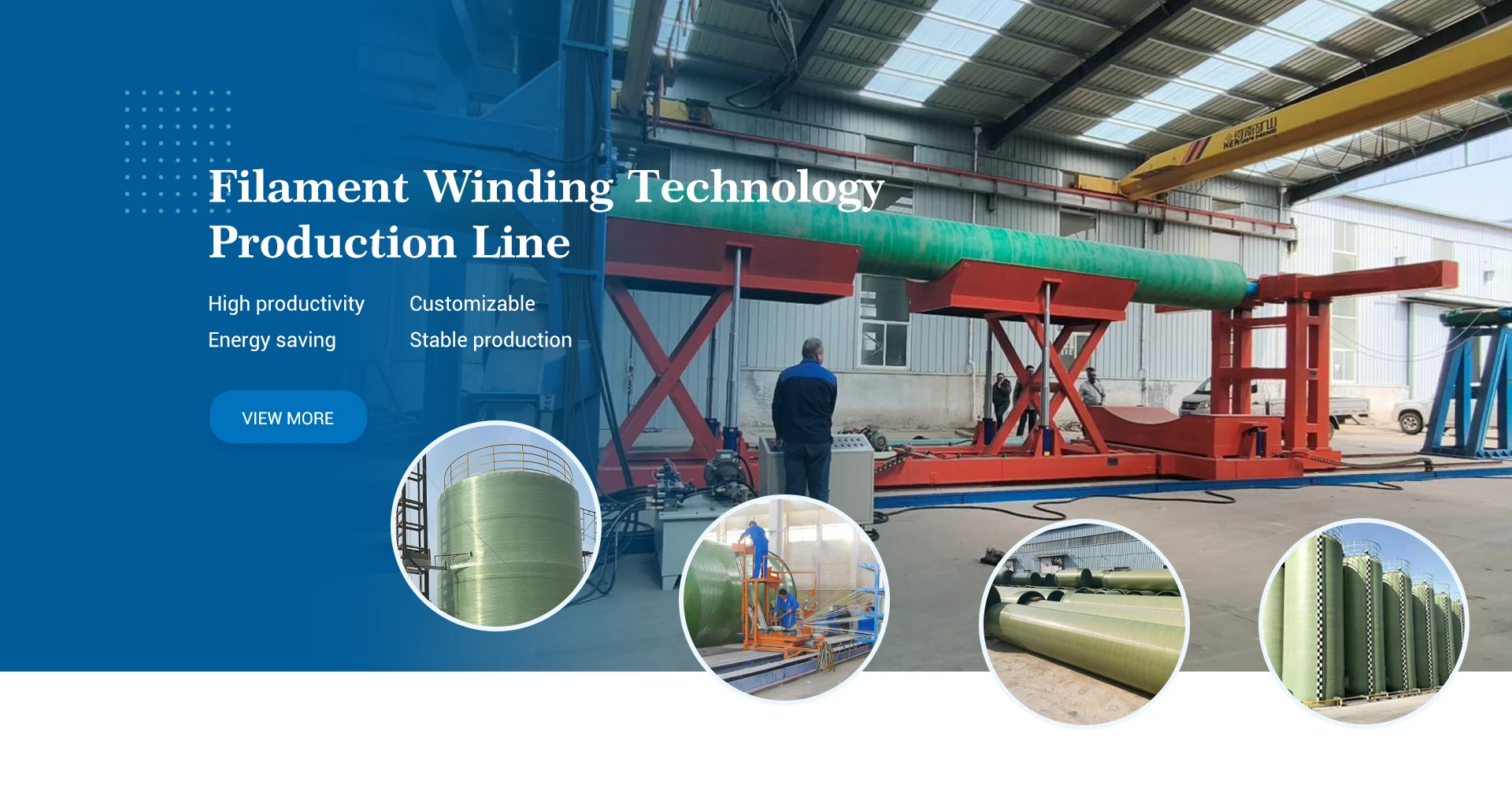
The growing adoption of fiber-reinforced polymer (FRP) composites in chemical equipment has created new considerations for pressure measurement. FRP vessels, pipes, and towers behave differently than their metallic counterparts — they have different thermal expansion rates, lower stiffness, and unique failure modes. Pressure gauges installed on FRP equipment must be mounted with care to avoid stress concentrations at the nozzle, and the gauge range must account for the lower operating pressures typical of composite systems.
Interestingly, the same composite manufacturing technologies that produce corrosion-resistant chemical equipment are also finding their way into gauge components. For example, FRP Rebar Making Machine technology, originally developed for construction reinforcement, has been adapted to produce high-strength composite parts for instrument housings and protective enclosures. These composite housings offer excellent corrosion resistance, light weight, and electrical insulation — all valuable properties in harsh chemical environments.
"The integration of advanced composite materials into both process equipment and measurement instrumentation is one of the most significant trends in chemical plant design. It allows engineers to specify systems that last longer, require less maintenance, and operate more safely."
Process Integration and System Reliability
Modern chemical plants are increasingly moving toward integrated control systems where pressure data flows from the gauge to the DCS (distributed control system) in real time. This enables predictive maintenance, automated shutdown sequences, and continuous process optimization. However, the accuracy of the entire system is only as good as its weakest link — and that is often the primary sensing element.
Calibration practices, installation techniques, and environmental compensation all play a role in maintaining accuracy. For example, a pressure gauge installed on a Mannheim process potassium sulfate production line must be calibrated for the specific temperature and pressure profile of that process. Similarly, gauges on FRP cooling towers must account for the effects of UV exposure and moisture ingress on the instrument housing.
Best Practices for Specifying Pressure Gauges in Chemical Service
When selecting pressure gauges for chemical equipment applications, engineers should consider the following factors:
- Process compatibility — Verify that all wetted materials are resistant to the process fluid at operating temperature and pressure.
- Range selection — Choose a gauge range where normal operating pressure falls in the middle third of the scale (typically 50–75% of full scale).
- Mounting considerations — Use proper supports and vibration dampeners, especially on reciprocating or rotating equipment.
- Environmental protection — Specify weatherproof or explosion-proof housings as required by the area classification.
- Calibration traceability — Ensure that the gauge can be calibrated with traceability to national standards, and that calibration intervals are established based on service severity.
In many cases, plant engineers work closely with equipment manufacturers to ensure that the pressure measurement system is fully integrated with the process equipment. This collaboration is especially important when dealing with custom-designed chemical equipment, such as complete sets of potassium sulfate production lines or specialized FRP vessels. The equipment supplier's knowledge of process conditions, material behavior, and operating envelopes can be invaluable in selecting the right instrumentation.
Looking Ahead: The Future of Pressure Measurement in Chemical Processing
The next decade will bring significant advances in pressure measurement technology. Wireless gauges with self-diagnostic capabilities, digital communication protocols (such as HART and Foundation Fieldbus), and smart sensors that can compensate for environmental effects in real time are already becoming standard in new installations. At the same time, the materials used in gauge construction continue to evolve, with new alloys, ceramics, and composites offering improved performance in the most demanding applications.
For plant operators and maintenance teams, staying informed about these developments is essential. The choice of a pressure gauge may seem like a small detail in the context of a multimillion-dollar chemical plant, but it is a detail that can have outsized impact on safety, quality, and uptime. By understanding the interplay between chemical equipment and measurement instrumentation, engineers can make better decisions that lead to more reliable and efficient plant operations.
Ultimately, the goal is to create a unified system where the process equipment and the measurement instruments work together seamlessly. This requires not only careful specification and installation but also ongoing attention to calibration, maintenance, and process changes. With the right approach, pressure gauges can provide the accurate, reliable data that modern chemical plants need to operate at their best.
This article is provided for informational purposes only. Always consult with qualified engineering professionals when designing or specifying equipment for chemical processing applications.
 English