
For hydraulic systems, a Hose Crimping Machine is essential for fabricating durable hose assemblies. However, even the best-crimped hose can fail if the assembly is not validated through rigorous pressure testing. In industries ranging from construction to oil and gas, the integrity of hose connections directly impacts operational safety and uptime. This article explores how combining precision crimping with thorough pressure testing creates a reliable hydraulic network.
The Foundation of Hydraulic Hose Integrity
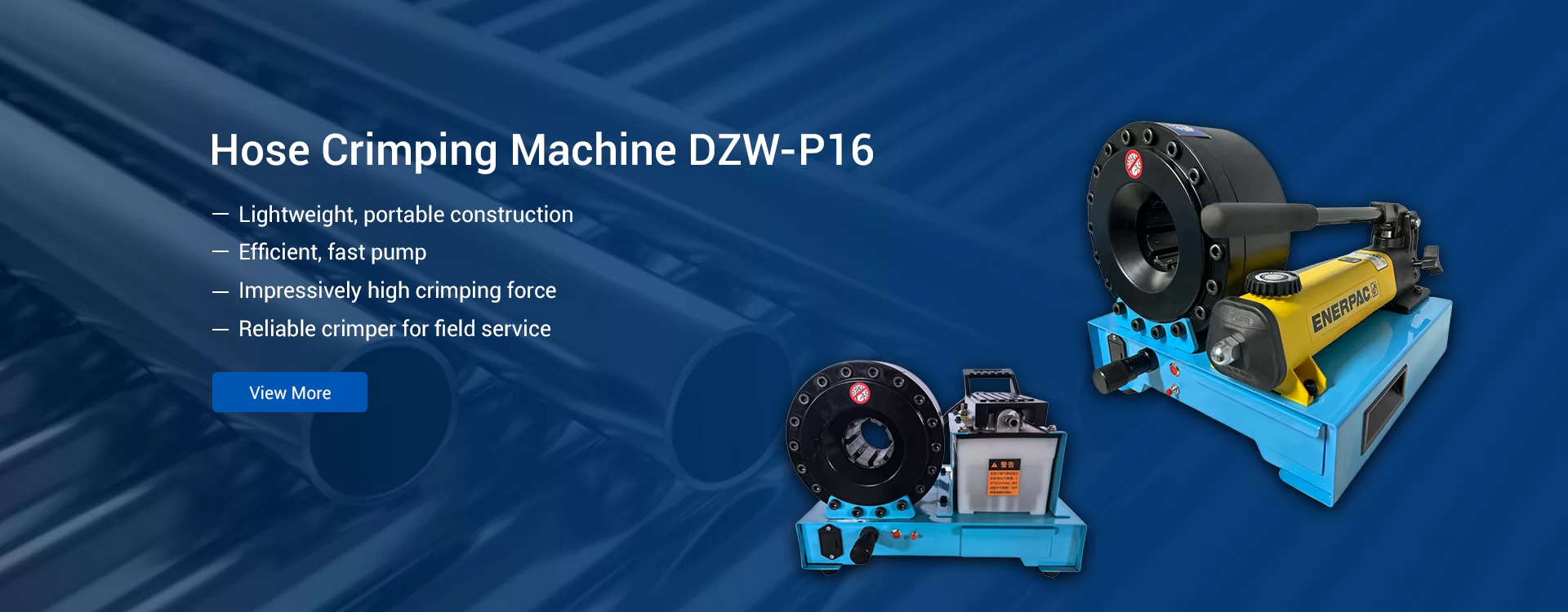
A hydraulic hose assembly is only as strong as its weakest link. This includes the hose itself, the fittings, and the crimp that joins them. Improper crimp diameter or off-center application can lead to leaks, bursts, or premature wear. That’s why industry professionals rely on high-precision crimping equipment that offers repeatable, controlled force. Modern machines accommodate a wide range of hose sizes and fitting types, allowing custom assemblies for diverse pressure ratings.
After crimping, the next critical step is validation. A Hose Pressure Testing Equipment verifies that the assembly can withstand its rated working pressure without deformation or leakage. This equipment typically includes a pump, pressure gauge, and test stand. The gauge itself—often a high-accuracy bourdon tube type—must be regularly calibrated to ensure trustworthy readings.
Pressure Testing: More Than a Routine Check
Pressure testing serves multiple purposes. First, it confirms that the crimp is secure and the fitting is properly seated. Second, it reveals any micro‑leaks in the hose wall or fitting seal. Third, it documents the assembly’s performance for quality records. Best practices recommend testing at 1.0 to 1.5 times the maximum working pressure, holding for a designated dwell time, and observing the pressure gauge for any drop.
Pressure gauges themselves must be chosen with care. For hydraulic applications, liquid‑filled gauges are often preferred because they dampen vibration and needle flutter, providing stable readings. A gauge with a range that is twice the test pressure ensures accuracy without risking damage. Regular calibration against a reference standard is non‑negotiable for safety‑critical systems.
Integrating Crimping and Testing for Maximum Productivity
In high‑volume hose shops or mobile service trucks, having dedicated stations for both crimping and testing streamlines workflow. Operators can move from crimping to testing without waiting, reducing turnaround time. Modern crimping machines offer digital control and data logging for each assembly, while pressure testers can record test results and generate certificates. This combination supports traceability and helps manufacturers maintain ISO or ASME compliance.
For complex systems involving multiple hoses—such as those found in hydraulic presses or injection molding machines—consistent assembly quality becomes even more critical. A single failed hose can halt production for hours. By investing in reliable crimping and testing equipment, facilities can significantly reduce unscheduled downtime and extend hose life.
Choosing the Right Equipment Partners
While the principles of hose assembly are universal, the quality of the machinery makes a tangible difference. Look for suppliers that provide robust mechanical construction, consistent crimp force, and responsive after‑sales support. Likewise, pressure testing equipment should offer adjustable pressure ranges, safety interlocks, and compatibility with various hose sizes. The right combination ensures that every hose leaving the workshop meets or exceeds its design specifications.
In an industry where safety and reliability are paramount, the marriage of advanced crimping technology with thorough pressure verification is not optional—it’s the foundation of trustworthy hydraulic systems. By paying attention to both steps, professionals can prevent failures, protect personnel, and keep operations running smoothly.
 English