
Apr . 01, 2024 17:55 Back to list
Oil Pressure Gauge how to read an oil pressure gauge Performance Analysis
Introduction
An oil pressure gauge is a critical instrument for monitoring the lubrication system health within an internal combustion engine. It indicates the force exerted by the oil on the cylinder walls and engine components, crucial for preventing wear and ensuring efficient operation. Unlike temperature gauges, oil pressure is not a direct indicator of engine temperature but a measure of the oil pump’s ability to deliver oil at the correct pressure. This guide provides a comprehensive understanding of interpreting oil pressure gauge readings, encompassing the underlying principles, potential failure modes, and relevant industry standards. Accurate interpretation is vital for preventative maintenance and identifying potential engine damage before catastrophic failure occurs. The gauge operates on principles of fluid dynamics and mechanical transduction, transforming pressure into a readable output, typically displayed in pounds per square inch (PSI) or bar. Fluctuations outside the normal operating range are indicative of issues requiring immediate attention. Proper understanding and interpretation of oil pressure readings are fundamental for automotive technicians, fleet managers, and informed vehicle owners.
Material Science & Manufacturing
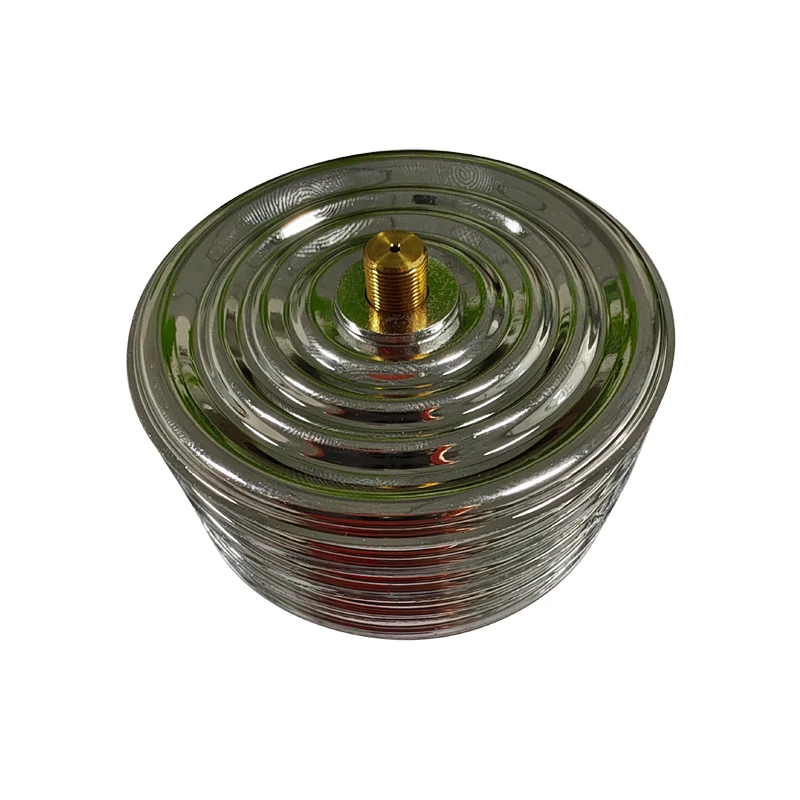
The construction of an oil pressure gauge involves several material science and manufacturing considerations. The Bourdon tube, the primary sensing element, is commonly constructed from beryllium copper or phosphor bronze. These alloys are selected for their high elasticity, corrosion resistance, and ability to maintain precise shape after repeated deformation. The manufacturing process involves forming a flat metal strip into a curved tube, heat treating it to enhance its elastic properties, and sealing one end. The gauge face and housing are typically made from steel or aluminum alloys, chosen for their durability and resistance to impact. The pointer is fabricated from a lightweight, yet rigid, material, often aluminum alloy, and is connected to the Bourdon tube via a linkage mechanism. The dial itself is often printed using durable, UV-resistant inks on a plastic or metal substrate. Critical manufacturing parameters include the precise annealing temperature of the Bourdon tube, the quality of the welding or brazing used to seal the tube, and the calibration accuracy of the linkage and pointer assembly. Material compatibility is paramount; the materials within the gauge must be chemically compatible with the oil being monitored to prevent corrosion or degradation. The glass used for the gauge cover must also be resistant to oil and solvents.
Performance & Engineering
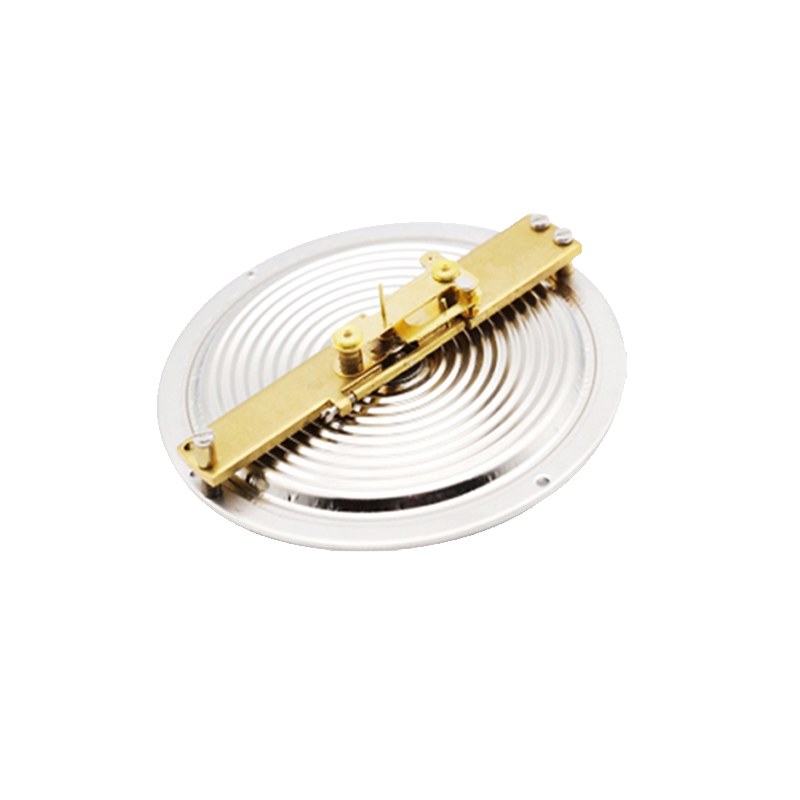
The performance of an oil pressure gauge is dictated by several engineering principles. Hooke's Law governs the relationship between the applied pressure and the deformation of the Bourdon tube. The degree of curvature change in the tube is directly proportional to the oil pressure. The gauge’s accuracy is determined by the precise calibration of this relationship. Force analysis is essential in the design of the linkage mechanism connecting the Bourdon tube to the pointer. Minimizing friction within the linkage ensures responsive and accurate readings. Environmental resistance is also a critical performance factor. Gauges must withstand vibrations, temperature fluctuations, and potential exposure to oil and solvents. Compliance requirements, such as those outlined by SAE International (Society of Automotive Engineers), specify minimum accuracy standards and testing procedures for oil pressure gauges. Functional implementation involves connecting the gauge to the engine's oil pressure sending unit via a copper alloy tubing. Proper installation is crucial to prevent leaks and ensure accurate readings. The gauge's response time—the time it takes to register a pressure change—is another key performance metric. This is directly affected by the volume of the Bourdon tube and the damping characteristics of the mechanism.
Technical Specifications
| Parameter | Typical Range (PSI) | Accuracy (%) | Operating Temperature (°F) |
|---|---|---|---|
| Pressure Range | 0-100 PSI | ±2% of full scale | -40 to 250 |
| Connection Type | 1/8" NPT | N/A | N/A |
| Housing Material | Steel/Aluminum | N/A | N/A |
| Bourdon Tube Material | Beryllium Copper/Phosphor Bronze | N/A | N/A |
| Dial Size | 2.5" | N/A | N/A |
| Response Time | < 1 second | N/A | N/A |
Failure Mode & Maintenance
Oil pressure gauges can fail through several modes. One common failure is fatigue cracking of the Bourdon tube, particularly due to prolonged exposure to pressure cycling and vibration. Corrosion, particularly internal corrosion due to moisture ingress or incompatible fluids, can weaken the tube and lead to rupture. Delamination of the dial face or degradation of the pointer due to UV exposure are also possible failures. Blockage of the connecting tubing due to sediment or debris can lead to inaccurate readings or a complete lack of response. A common issue is a sticking or sluggish pointer, caused by friction within the linkage mechanism or contamination. For maintenance, periodic visual inspection for leaks, cracks, or corrosion is recommended. Regular cleaning of the gauge face and housing prevents buildup of contaminants. The connecting tubing should be periodically inspected for kinks or blockages and replaced if necessary. Calibration checks against a known pressure source should be performed annually to ensure accuracy. Avoid subjecting the gauge to excessive shock or vibration. If the gauge consistently provides erratic readings, it should be replaced. Proper storage in a clean, dry environment when not in use extends its lifespan.
Industry FAQ
Q: What constitutes a normal oil pressure reading for a typical gasoline engine?
A: A normal oil pressure reading typically falls between 40-60 PSI at operating temperature when the engine is running at idle speed. While driving at highway speeds, readings often range from 60-80 PSI. However, specific values vary depending on engine design, oil viscosity, and operating conditions; consult the vehicle's manufacturer specifications for precise values.
Q: What does a consistently low oil pressure reading indicate?
A: A consistently low oil pressure reading is a serious concern. It can indicate a failing oil pump, a significant oil leak, excessive bearing wear, or a blocked oil pickup screen. Continuing to operate the engine with low oil pressure can cause severe and irreversible damage.
Q: What should I do if the oil pressure gauge suddenly spikes to a very high reading?
A: A sudden spike in oil pressure could indicate a malfunctioning oil pressure sensor or a blockage in the oil return line. While less common, it could also be due to extremely cold oil viscosity. Immediate investigation is necessary, as excessively high pressure can damage seals and other engine components.
Q: How often should an oil pressure gauge be calibrated?
A: For critical applications and precision monitoring, annual calibration is recommended. However, for general automotive use, calibration should be performed whenever there is reason to suspect inaccurate readings, such as after a significant impact or suspected internal damage.
Q: Can oil viscosity affect oil pressure gauge readings?
A: Yes, oil viscosity significantly impacts oil pressure. Colder oil is more viscous and will result in higher pressure readings, especially during startup. Conversely, hotter, thinner oil will result in lower pressure readings. Ensure you are interpreting readings in relation to the engine's operating temperature and the oil's viscosity grade.
Conclusion
Accurate interpretation of oil pressure gauge readings is paramount for maintaining engine health and preventing costly repairs. Understanding the underlying principles of operation, recognizing potential failure modes, and adhering to recommended maintenance procedures are crucial for ensuring the gauge’s reliability and providing accurate indications of lubrication system performance. The oil pressure gauge serves as a vital early warning system for potential engine problems, allowing for proactive intervention before catastrophic damage occurs.
Continued advancements in sensor technology and digital instrumentation are leading to more sophisticated oil pressure monitoring systems. Future trends include the integration of oil pressure data with vehicle diagnostics systems, enabling real-time monitoring and predictive maintenance capabilities. Investing in a high-quality, properly installed, and regularly maintained oil pressure gauge is a prudent measure for any vehicle owner or fleet manager seeking to maximize engine lifespan and minimize downtime.
 English
  Arabic
  China
China  China (Taiwan)
  Danish
  Dutch
Dutch  French
  German
  Greek
Greek  Hindi
Hindi  Indonesian
  Italian
  Japanese
  Korean
  Latin
Latin  Polish
  Portuguese
  Russian
  Spanish
  Turkish