
Apr . 01, 2024 17:55 Back to list
Oil Pressure Gauge how to read oil pressure gauge Performance Analysis
Introduction
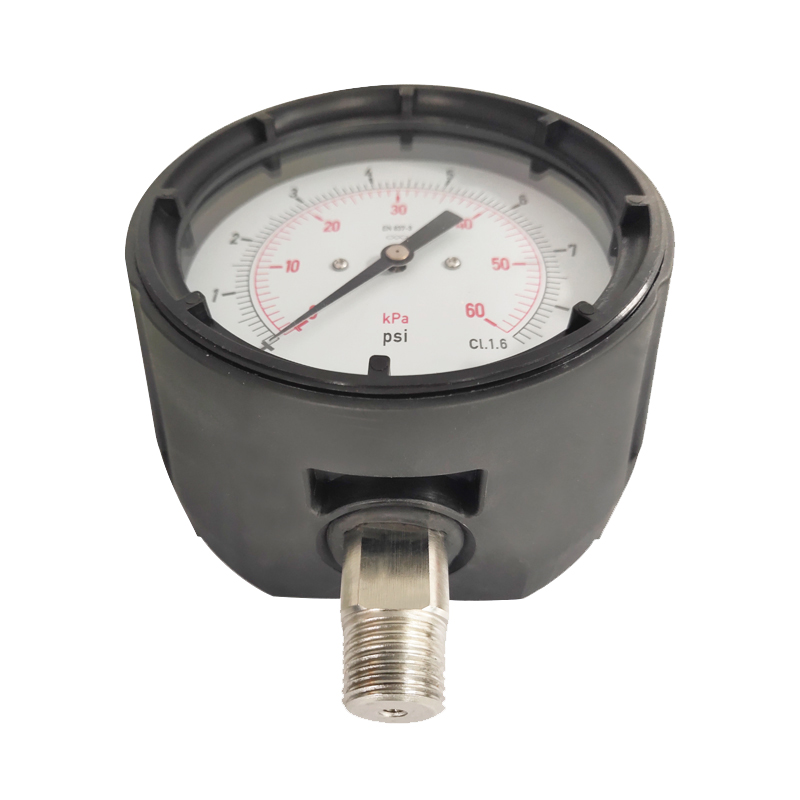
Oil pressure gauges are critical monitoring devices in internal combustion engines, providing a direct indication of the lubrication system's health and performance. This guide details the principles of oil pressure measurement, gauge interpretation, and the implications of observed readings for engine maintenance and operation. A properly functioning lubrication system is paramount to engine longevity, mitigating friction, removing heat, and preventing component wear. Oil pressure, therefore, is not merely a diagnostic data point, but a vital indicator of engine condition. The gauge displays pressure in pounds per square inch (PSI) or Kilopascals (kPa), offering operators and technicians insight into the oil pump's efficacy, the integrity of oil passages, and the overall mechanical health of the engine. This document is geared towards maintenance personnel, fleet managers, and automotive engineers requiring a comprehensive understanding of oil pressure gauge operation and diagnostic interpretation.
Material Science & Manufacturing
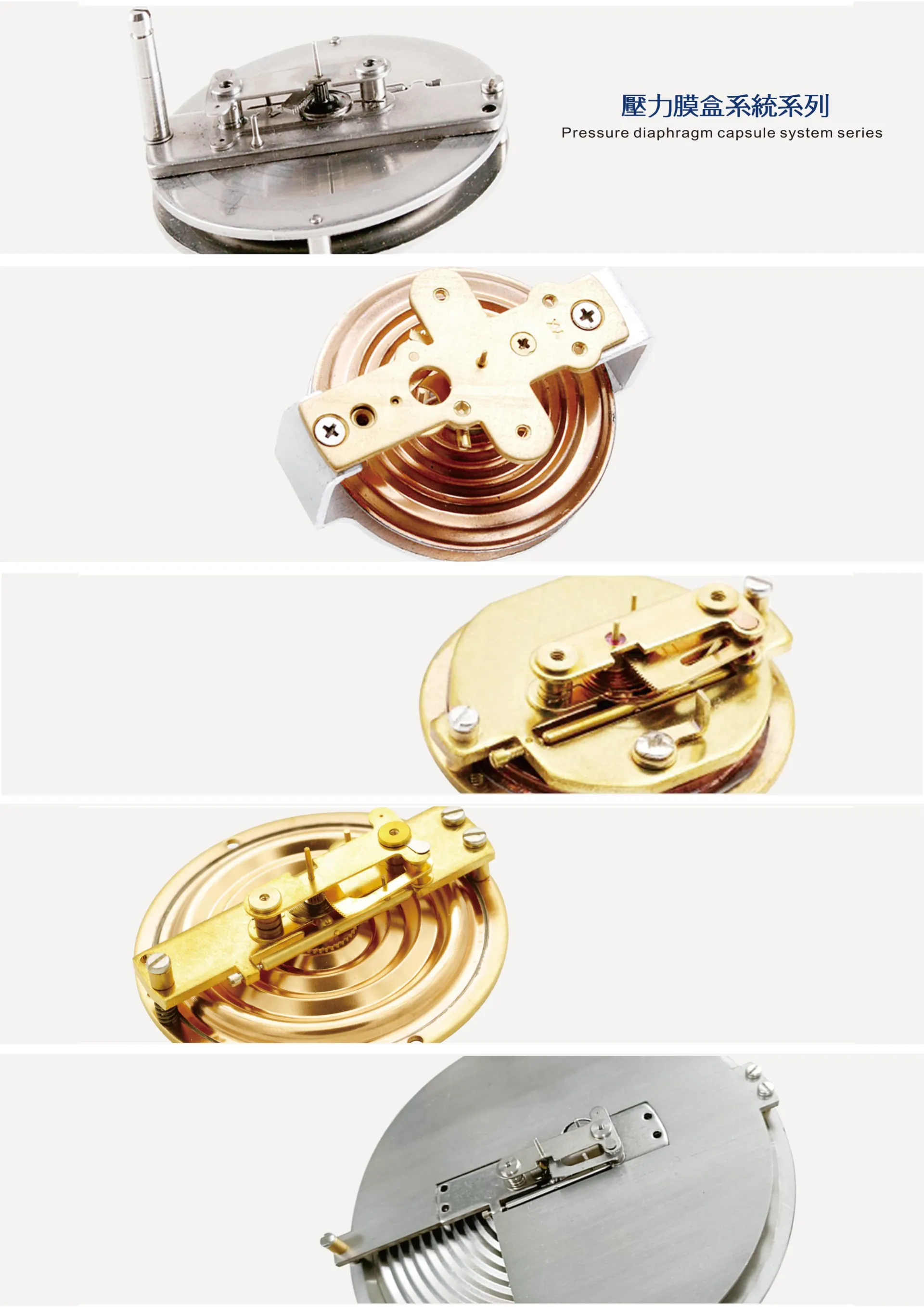
The construction of a typical oil pressure gauge involves several key materials and manufacturing processes. The gauge housing is often constructed from steel or aluminum alloy, selected for their robustness and corrosion resistance. Bourdon tubes, the core sensing element, are typically manufactured from beryllium copper or phosphor bronze, chosen for their high elasticity and fatigue resistance. These alloys undergo precise cold forming and heat treatment to achieve the required spring characteristics. The gauge face is typically acrylic or tempered glass, providing clarity and impact resistance. Manufacturing processes include deep drawing for the housing, bending and annealing for the Bourdon tube, and automated assembly for the complete gauge. Critical parameters include the Bourdon tube’s wall thickness (affecting sensitivity and pressure range) and the accuracy of the gear linkage translating tube movement to the needle position. Oil-filled gauges utilize a silicone-based damping fluid to minimize needle oscillation and provide a stable reading. The fluid's viscosity and thermal expansion coefficient are precisely controlled to ensure consistent performance across varying temperatures. Sensor manufacturing for electronic gauges involves semiconductor pressure transducers, often utilizing piezoresistive or capacitive sensing elements. These sensors are encapsulated in stainless steel housings for durability and compatibility with engine oil.
Performance & Engineering
Oil pressure gauge performance is dictated by several engineering considerations. The gauge must accurately translate pressure differentials into a readable output, minimizing hysteresis and non-linearity. Hysteresis refers to the difference in readings when approaching a specific pressure from increasing versus decreasing sides. Non-linearity describes the deviation of the gauge's output from a perfect linear relationship with applied pressure. Calibration is crucial, often performed using precision pressure testing rigs traceable to national standards. Environmental factors, particularly temperature variations, significantly impact accuracy. Temperature compensation mechanisms are integrated into high-precision gauges to mitigate these effects. Force analysis involves understanding the stress distribution within the Bourdon tube under pressure. Finite element analysis (FEA) is commonly used to optimize tube geometry and material selection for maximum strength and resilience. Furthermore, the gauge must withstand vibration and shock encountered in typical engine environments. Dampening fluid selection and mechanical design play a vital role in mitigating these effects. Electronic gauges are subject to electromagnetic compatibility (EMC) testing to ensure they do not interfere with other electronic systems and are immune to external interference. Compliance requirements, such as those stipulated by SAE International, dictate accuracy standards and safety features.
Technical Specifications
| Parameter | Typical Range (PSI) | Accuracy (PSI) | Operating Temperature (°F) |
|---|---|---|---|
| Pressure Range | 0-100 PSI | ±3% of full scale | -40 to 250 |
| Connection Type | 1/8" NPT | - | - |
| Housing Material | Steel/Aluminum Alloy | - | - |
| Bourdon Tube Material | Beryllium Copper/Phosphor Bronze | - | - |
| Damping Fluid | Silicone Oil | - | - |
| Gauge Face Diameter | 2.5 inches | - | - |
Failure Mode & Maintenance
Oil pressure gauges can fail through several mechanisms. Bourdon tube rupture, though rare, can occur due to excessive pressure spikes or material fatigue. Leakage around the connection points is common, often resulting from deteriorated sealing threads or damaged gaskets. Needle oscillation or sticking can be caused by low damping fluid levels or a malfunctioning gear mechanism. For electronic gauges, sensor drift or failure due to contamination or electrical shorts are primary concerns. Delamination of the gauge face can occur due to UV exposure or physical impact. Oxidation of internal components, particularly in older gauges, can lead to corrosion and inaccurate readings. Preventive maintenance includes periodic visual inspection for leaks, checking the gauge reading against manufacturer’s specifications, and verifying the integrity of the connection. If the gauge consistently reads abnormally high or low, or exhibits erratic behavior, it should be replaced. Regular cleaning of the gauge face helps prevent delamination. For electronic gauges, ensuring proper grounding and shielding can minimize electrical interference and extend sensor life. Calibration should be performed annually or as dictated by operational requirements.
Industry FAQ
Q: What does a consistently low oil pressure reading indicate?
A: A consistently low oil pressure reading typically indicates a problem with the oil pump, a significant oil leak, or excessively worn engine bearings. The oil pump may be failing to generate sufficient pressure, or a leak could be reducing the overall oil volume. Worn bearings increase the internal clearances, leading to lower oil pressure as oil escapes more readily. Further investigation, including an oil pressure test and a bearing inspection, is crucial.
Q: What is considered normal oil pressure for a typical gasoline engine?
A: Normal oil pressure for a typical gasoline engine varies depending on engine speed and temperature, but generally falls between 30-60 PSI when the engine is at operating temperature and idling. At higher RPMs, pressure will increase, potentially reaching 80-100 PSI. Consult the engine manufacturer’s specifications for precise values.
Q: Can a clogged oil filter cause low oil pressure?
A: Yes, a severely clogged oil filter can restrict oil flow, leading to a reduction in oil pressure. The filter element becomes increasingly restrictive as it accumulates debris, hindering the pump’s ability to deliver oil to the engine. Regular oil and filter changes are essential for maintaining optimal oil pressure.
Q: What are the risks of operating an engine with high oil pressure?
A: While generally less concerning than low oil pressure, excessively high oil pressure can stress the lubrication system components, potentially leading to oil seal failures or damage to the oil pump. It can also indicate a blockage in the oil return passages. A pressure relief valve, if malfunctioning, can also cause high pressure.
Q: How often should an oil pressure gauge be calibrated?
A: Oil pressure gauges should be calibrated annually, or more frequently if used in critical applications or exposed to harsh environments. Calibration ensures the gauge provides accurate readings and allows for early detection of potential issues within the lubrication system.
Conclusion
The oil pressure gauge serves as an indispensable diagnostic tool for monitoring engine health. Understanding the principles of operation, interpreting gauge readings accurately, and recognizing potential failure modes are crucial for maintaining engine longevity and preventing catastrophic failures. A diligent approach to maintenance, including regular inspections, filter changes, and calibration, ensures the gauge provides reliable data for informed decision-making.
Furthermore, advancements in sensor technology are leading to the development of more accurate and reliable electronic oil pressure gauges, offering enhanced diagnostic capabilities and integration with engine management systems. Continued research into material science and manufacturing processes will further improve gauge performance and durability, ensuring their continued relevance in the evolving landscape of automotive and industrial engineering.
 English
  Arabic
  China
China  China (Taiwan)
  Danish
  Dutch
Dutch  French
  German
  Greek
Greek  Hindi
Hindi  Indonesian
  Italian
  Japanese
  Korean
  Latin
Latin  Polish
  Portuguese
  Russian
  Spanish
  Turkish