
Apr . 01, 2024 17:55 Back to list
Oil Pressure Gauge Placement and Performance Analysis where should the oil pressure gauge be
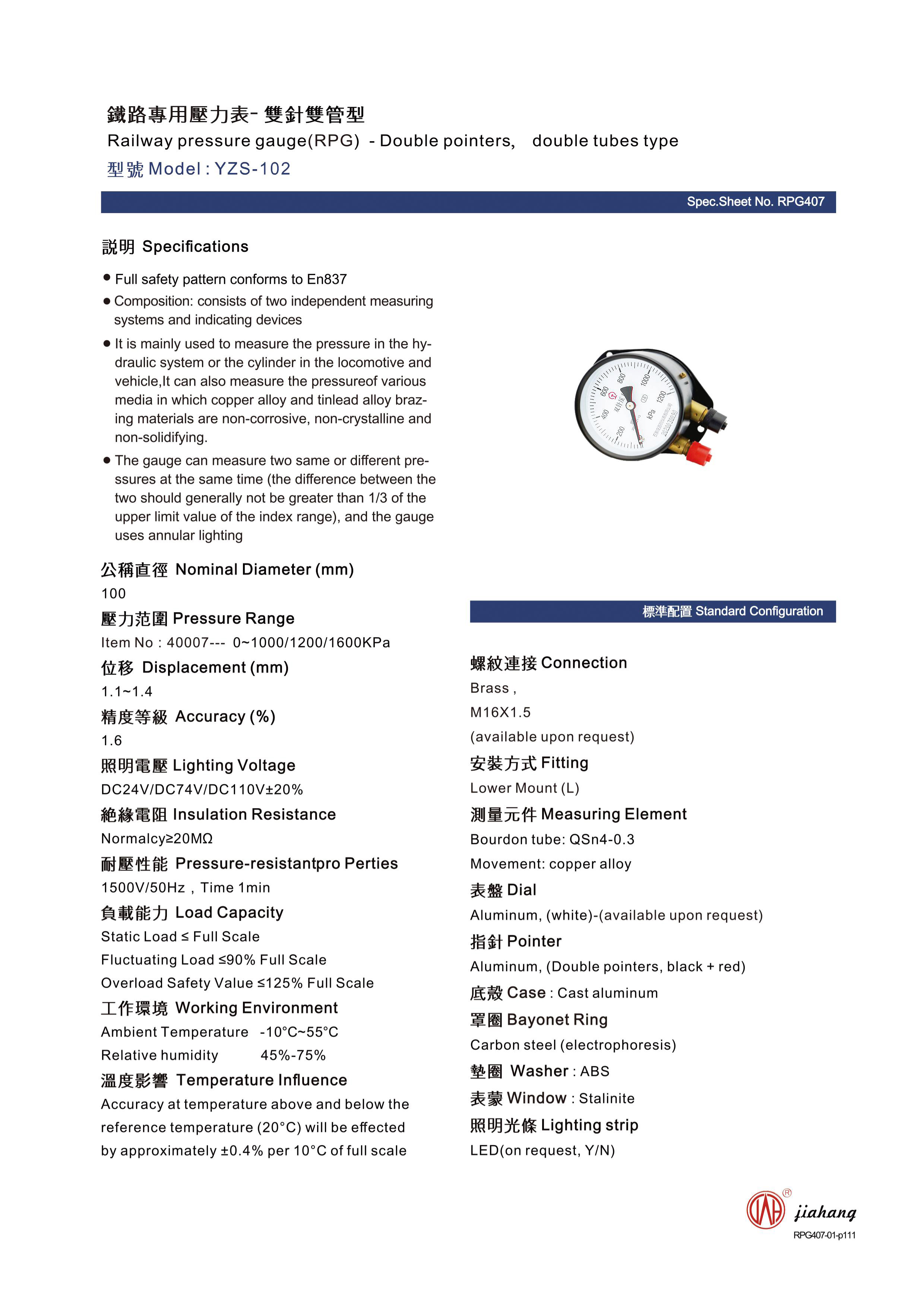
Introduction
The oil pressure gauge is a critical instrument in internal combustion engine monitoring, providing real-time indication of the lubricating oil's force within the engine’s oil galleries. Its correct positioning is paramount for accurate readings and timely identification of potential engine problems. This guide details the optimal placement of oil pressure gauges in various engine configurations, detailing the engineering considerations, material science behind the components, and relevant industry standards. A malfunctioning oil pressure system, or an inaccurate gauge reading, can lead to catastrophic engine failure. The gauge’s location directly influences its ability to reflect true system pressure, mitigating factors like pulse pressure and oil temperature variations. Understanding these variables is essential for maintenance personnel, engine builders, and automotive technicians. The gauge is fundamentally linked to the engine's longevity and operational efficiency.
Material Science & Manufacturing
Oil pressure gauges typically utilize a Bourdon tube, constructed from alloys of copper, beryllium, and nickel – chosen for their high elasticity and corrosion resistance. Manufacturing involves a precise cold-forming process to create the curved tube, followed by heat treatment to relieve stress and enhance dimensional stability. The tube's material composition is critical; beryllium copper, for example, offers excellent resistance to fatigue cracking under repeated pressure cycles. The gauge face is usually made of acrylic or tempered glass, selected for clarity and impact resistance. Connection fittings are commonly brass or stainless steel (316L grade is preferred for enhanced corrosion resistance against engine oils containing sulfur compounds). Diaphragm gauges, an alternative technology, often employ materials like Hastelloy or Inconel for greater chemical compatibility with aggressive synthetic oils. The oil line connecting the gauge to the engine’s oil galley must be a high-pressure hydraulic hose, typically constructed with a reinforced polymer core (e.g., PTFE) and a stainless steel braided exterior, capable of withstanding pressures exceeding the maximum expected oil pressure plus a substantial safety factor. Improper material selection can lead to hose failure, resulting in oil leaks and inaccurate readings. The manufacturing of the Bourdon tube requires stringent quality control, including non-destructive testing (NDT) like eddy current testing to identify any flaws that could compromise its structural integrity.
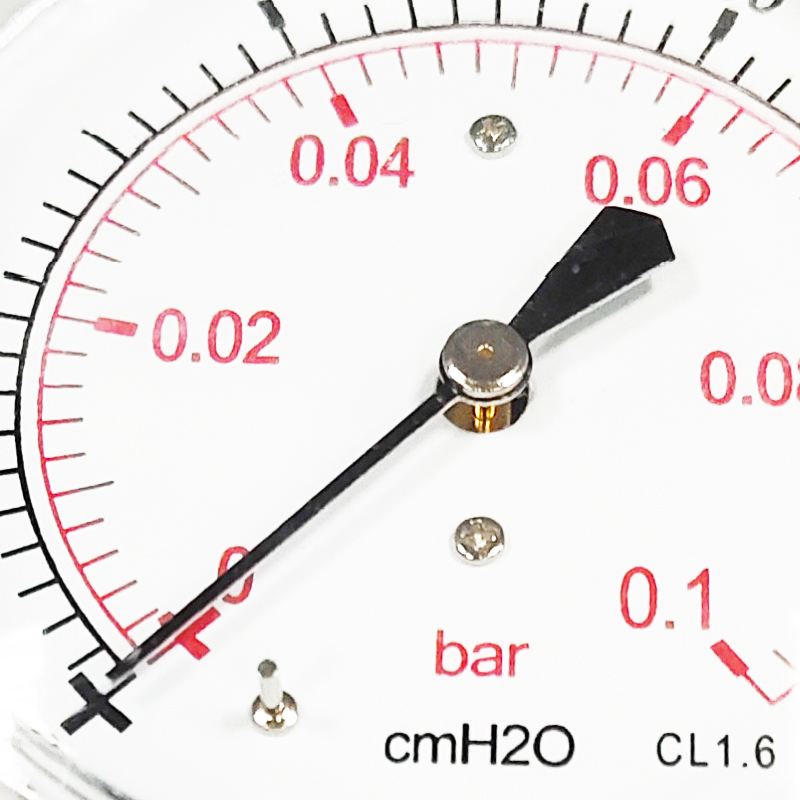
Performance & Engineering
Optimal placement of the oil pressure gauge minimizes the impact of hydraulic resonance and pulse pressure. Mounting the gauge directly on the engine block can transmit vibrations leading to inaccurate readings and premature gauge failure. Instead, it should be mounted remotely on a solid, vibration-dampened surface within the vehicle cabin. The connection point on the engine should be a port that represents the main oil galley pressure. Ideally, this location is after the oil pump but before the oil filter, ensuring the gauge reflects the pressure generated by the pump. The length of the oil line must be minimized to reduce pressure drop and signal delay. However, excessive bending should be avoided, as it can create flow restrictions. The oil line’s internal diameter should also be appropriately sized; too small a diameter will create a restriction, while too large a diameter can amplify pressure fluctuations. Considering thermal expansion is crucial; the oil line must be routed to avoid contact with hot exhaust components. Force analysis dictates that the gauge mounting location must withstand potential shock loads during vehicle operation. The gauge itself must be calibrated regularly to ensure accuracy. Environmental resistance, specifically resistance to engine oil mist and temperature fluctuations, is vital for reliable long-term performance.
Technical Specifications
| Gauge Range (PSI) | Accuracy (Percentage of Full Scale) | Connection Size (NPT) | Operating Temperature (°F) |
|---|---|---|---|
| 0-100 PSI | ±3% | 1/8" NPT | -20 to 250 |
| 0-150 PSI | ±2.5% | 1/4" NPT | -40 to 280 |
| 0-200 PSI | ±2% | 1/8" NPT | -10 to 260 |
| 0-300 PSI | ±3% | 3/8" NPT | -20 to 240 |
| 0-600 PSI | ±4% | 1/4" NPT | -30 to 270 |
| 0-1000 PSI | ±5% | 3/8" NPT | -40 to 250 |
Failure Mode & Maintenance
Common failure modes include Bourdon tube rupture due to overpressure, connection leaks caused by thread damage or corrosion, and gauge face cracking from impact. Fatigue cracking in the Bourdon tube can occur from prolonged exposure to pressure pulsations. Delamination of the gauge face coating can impair readability. Oil contamination can clog the gauge mechanism, leading to inaccurate readings or complete failure. Oxidation of internal components, particularly in gauges exposed to high temperatures, can also contribute to malfunction. Preventative maintenance involves periodic visual inspection for leaks, cracks, and damage. Regular calibration against a known pressure standard is essential. The oil line should be inspected for kinks, chafing, and signs of degradation. Replace the oil line every 5 years or as recommended by the manufacturer. If the gauge exhibits erratic readings or fails to respond to engine operation, it should be replaced immediately. Avoid using excessive force when tightening connections, as this can damage the threads. Proper storage of the gauge when not in use, away from moisture and extreme temperatures, is crucial for longevity.
Industry FAQ
Q: What is the impact of oil viscosity on gauge readings?
A: Higher oil viscosity, especially at low temperatures, can increase resistance to flow, resulting in a slightly lower gauge reading. However, this effect is typically minor and within acceptable tolerance levels for most applications. Significant viscosity changes may necessitate recalibration or the use of a viscosity-compensated gauge.
Q: Can electrical interference affect the oil pressure gauge?
A: While less common with mechanical gauges, electrical noise can sometimes induce spurious readings in gauges with electronic sensors. Proper shielding of the gauge and wiring harness can mitigate this issue. Grounding the gauge properly is also crucial.
Q: What is the recommended torque for tightening the oil pressure gauge fitting?
A: The recommended torque varies depending on the fitting size and material. Generally, 1/8" NPT fittings should be tightened to 15-20 ft-lbs, while 1/4" NPT fittings require 20-25 ft-lbs. Using a torque wrench is essential to avoid over-tightening and damaging the threads.
Q: What are the warning signs that an oil pressure gauge is failing?
A: Warning signs include erratic readings, a stuck needle, a complete lack of response to engine operation, visible leaks around the gauge or fittings, and a cracked or damaged gauge face. Any of these symptoms warrant immediate attention and potential gauge replacement.
Q: Is a digital oil pressure gauge more accurate than an analog gauge?
A: Digital gauges can offer higher resolution and potentially greater accuracy, provided they are properly calibrated and utilize high-quality sensors. However, a well-maintained and calibrated analog gauge can provide sufficient accuracy for most automotive applications. The accuracy of both types depends heavily on the quality of the components and proper installation.
Conclusion
Correct oil pressure gauge placement is fundamental to accurate engine monitoring and preventative maintenance. The optimal location, after the oil pump but before the filter, coupled with the selection of appropriate materials for the gauge and oil line, ensures reliable readings and contributes significantly to engine longevity. Factors such as vibration damping, thermal expansion, and potential shock loads must be meticulously considered during installation.
Regular calibration, visual inspection, and adherence to recommended maintenance intervals are vital for maintaining gauge accuracy and preventing catastrophic engine failures. Implementing these best practices extends the operational life of the gauge and safeguards the integrity of the engine. A proactive approach to oil pressure monitoring translates directly into reduced downtime and improved overall vehicle performance.
 English
  Arabic
  China
China  China (Taiwan)
  Danish
  Dutch
Dutch  French
  German
  Greek
Greek  Hindi
Hindi  Indonesian
  Italian
  Japanese
  Korean
  Latin
Latin  Polish
  Portuguese
  Russian
  Spanish
  Turkish