
Apr . 01, 2024 17:55 Back to list
Oil Pressure Gauge where should oil pressure gauge be Performance Analysis
Introduction
The oil pressure gauge is a critical instrument for monitoring the internal lubrication health of internal combustion engines and hydraulic systems. Its primary function is to display the fluid pressure generated by the oil pump, providing operators with immediate insight into the efficacy of the lubrication system. Placement of the gauge is not arbitrary; it must adhere to specific engineering principles and operational requirements to ensure accurate readings and optimal system performance. Incorrect placement can lead to inaccurate data, delayed detection of critical failures, and ultimately, catastrophic engine or system damage. This guide details the optimal positioning of oil pressure gauges, encompassing material considerations, manufacturing processes, performance parameters, potential failure modes, and relevant industry standards.
Material Science & Manufacturing
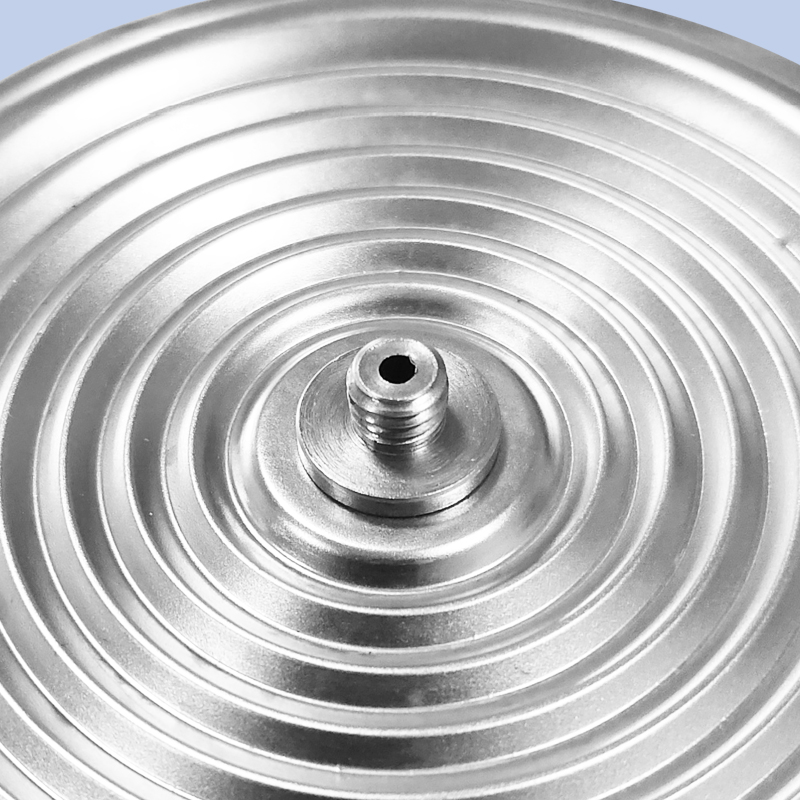
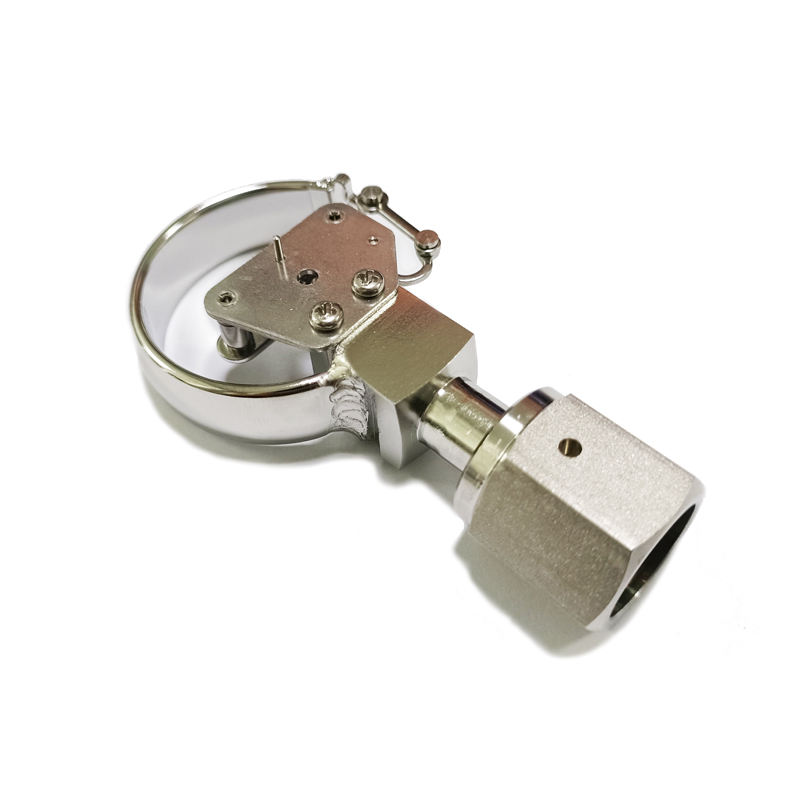
Oil pressure gauges rely on a combination of materials to function reliably under demanding conditions. The Bourdon tube, the primary sensing element, is typically constructed from beryllium copper or phosphor bronze, alloys chosen for their high elasticity, corrosion resistance, and ability to withstand repeated flexing. The gauge housing is commonly manufactured from stainless steel (304 or 316 grades) or brass, providing robustness and protection from environmental factors. The gauge face is usually glass, often with a polycarbonate overlay for impact resistance. Manufacturing processes vary based on gauge type. Mechanical gauges involve precision bending and welding of the Bourdon tube, followed by calibration. Digital gauges utilize pressure transducers converting pressure to electrical signals, requiring stringent quality control of semiconductor components and circuit board assembly. Parameter control during Bourdon tube forming is critical; deviations in bending radius directly impact accuracy. Welding must be performed in inert gas environments to prevent oxidation and maintain material integrity. Calibration is performed against NIST-traceable standards, utilizing precision pressure testing equipment. The selection of sealing materials (e.g., Viton, Teflon) is vital, considering oil compatibility and temperature resistance. Improper material selection leads to leaks, corrosion, and inaccurate readings.
Performance & Engineering
Optimal placement of the oil pressure gauge is dictated by several engineering considerations. Firstly, proximity to the pressure source (oil pump outlet) is paramount to minimize pressure drop due to capillary tubing resistance. Long capillary lines introduce lag in response time and potential for clogging. Secondly, the gauge must be positioned in a location shielded from excessive vibration, which can damage the internal mechanism and lead to inaccurate readings. Mounting the gauge on a vibration dampening pad is recommended. Thirdly, visibility is crucial; the gauge should be readily accessible to the operator without requiring awkward positioning. Typically, in automotive applications, gauges are mounted within the instrument cluster or on a dedicated pillar pod. In industrial applications, gauges are mounted on control panels. Force analysis dictates that the mounting point must be sufficiently robust to withstand the weight of the gauge and any potential impacts. Environmental resistance requires consideration of temperature fluctuations and exposure to fluids. The gauge must be protected from direct sunlight and potential splashing. Compliance with industry standards (SAE J1226 for automotive) dictates specific performance requirements regarding accuracy, repeatability, and environmental tolerance. Proper installation minimizes hysteresis and ensures consistent readings across the operating temperature range.
Technical Specifications
| Parameter | Typical Range (PSI) | Accuracy (%FS) | Operating Temperature (°C) | Connection Type | Bourdon Tube Material |
|---|---|---|---|---|---|
| Automotive Oil Pressure | 0-100 | ±2% | -40 to 125 | 1/8” NPT | Beryllium Copper |
| Hydraulic System - Low Pressure | 0-300 | ±1.5% | -20 to 85 | 1/4” NPT | Phosphor Bronze |
| Hydraulic System - High Pressure | 0-6000 | ±1% | -30 to 100 | 1/2” NPT | Beryllium Copper |
| Industrial Lubrication | 0-500 | ±2.5% | 0 to 60 | M12x1.5 | Phosphor Bronze |
| Digital Gauge Range | 0-10000 | ±0.25% | -10 to 70 | 1/8” NPT | Stainless Steel (Transducer) |
| Capillary Tube Length (Max) | Varies | N/A | -40 to 100 | N/A | Copper Alloy |
Failure Mode & Maintenance
Common failure modes for oil pressure gauges include Bourdon tube rupture due to overpressure, leakage through the connection threads, and internal sticking caused by contaminants or corrosion. Fatigue cracking can occur in the Bourdon tube after prolonged cycling, particularly if the gauge is subjected to excessive vibration. Delamination of the gauge face can result from UV exposure or impact. Oxidation of internal components can lead to sluggish response and inaccurate readings. In digital gauges, transducer failure is a primary concern, often resulting from electrical overload or physical damage. Preventive maintenance involves periodic visual inspection for leaks, cracks, or damage to the gauge face. Regular calibration against a known pressure standard is crucial to ensure accuracy. Capillary tubing should be inspected for kinks or blockages. If leakage is detected, replace the sealing tape or fitting. If the gauge is consistently inaccurate, it should be replaced. Avoid exposing the gauge to extreme temperatures or corrosive fluids. For mechanical gauges, periodic lubrication of the movement (as specified by the manufacturer) can prolong its lifespan. Ensure proper venting of the system to prevent pressure spikes that could damage the gauge.
Industry FAQ
Q: What is the impact of capillary tube length on accuracy?
A: Increased capillary tube length introduces several challenges. Firstly, it increases pressure drop, leading to a slightly lower reading. Secondly, it increases response time, causing a delay in detecting pressure fluctuations. Thirdly, longer tubes are more susceptible to clogging due to contaminant accumulation. For critical applications, minimizing capillary tube length is highly recommended.
Q: How do I determine the correct pressure range for my application?
A: The pressure range should be selected based on the normal operating pressure plus a safety margin. Choosing a gauge with a range too low can lead to frequent over-range conditions and premature failure. Choosing a range too high reduces accuracy, as the pointer will only deflect a small amount for normal operating pressures.
Q: What materials are compatible with various engine oils and hydraulic fluids?
A: Compatibility depends on the specific fluid. Most common engine oils and hydraulic fluids are compatible with brass, stainless steel, and Viton. However, some synthetic fluids may require Teflon or other specialized sealing materials. Consult the fluid manufacturer's data sheet for compatibility information.
Q: How often should an oil pressure gauge be calibrated?
A: Calibration frequency depends on the application and operating environment. For critical applications, annual calibration is recommended. For less demanding applications, calibration every 2-3 years may be sufficient. Any time the gauge is suspected of being inaccurate, it should be recalibrated.
Q: What are the key differences between mechanical and digital oil pressure gauges?
A: Mechanical gauges are simpler, more robust, and do not require power. However, they are generally less accurate and have slower response times. Digital gauges offer higher accuracy, faster response times, and can be integrated with data logging systems, but they require power and are more susceptible to electrical interference.
Conclusion
The proper selection and placement of an oil pressure gauge are fundamental to ensuring the reliable operation and longevity of machinery. Understanding the interplay between material science, manufacturing precision, performance engineering, and potential failure modes is crucial for informed decision-making. By adhering to industry best practices and relevant standards, operators can maximize the accuracy and lifespan of this critical instrument.
Effective maintenance, including regular inspection, calibration, and replacement of worn components, further contributes to the sustained performance of oil pressure gauges. The increasing adoption of digital gauges offers enhanced accuracy and data acquisition capabilities, but requires careful consideration of power requirements and potential electromagnetic interference. Continued research and development in sensor technology will undoubtedly lead to further advancements in oil pressure monitoring systems.
 English
  Arabic
  China
China  China (Taiwan)
  Danish
  Dutch
Dutch  French
  German
  Greek
Greek  Hindi
Hindi  Indonesian
  Italian
  Japanese
  Korean
  Latin
Latin  Polish
  Portuguese
  Russian
  Spanish
  Turkish