
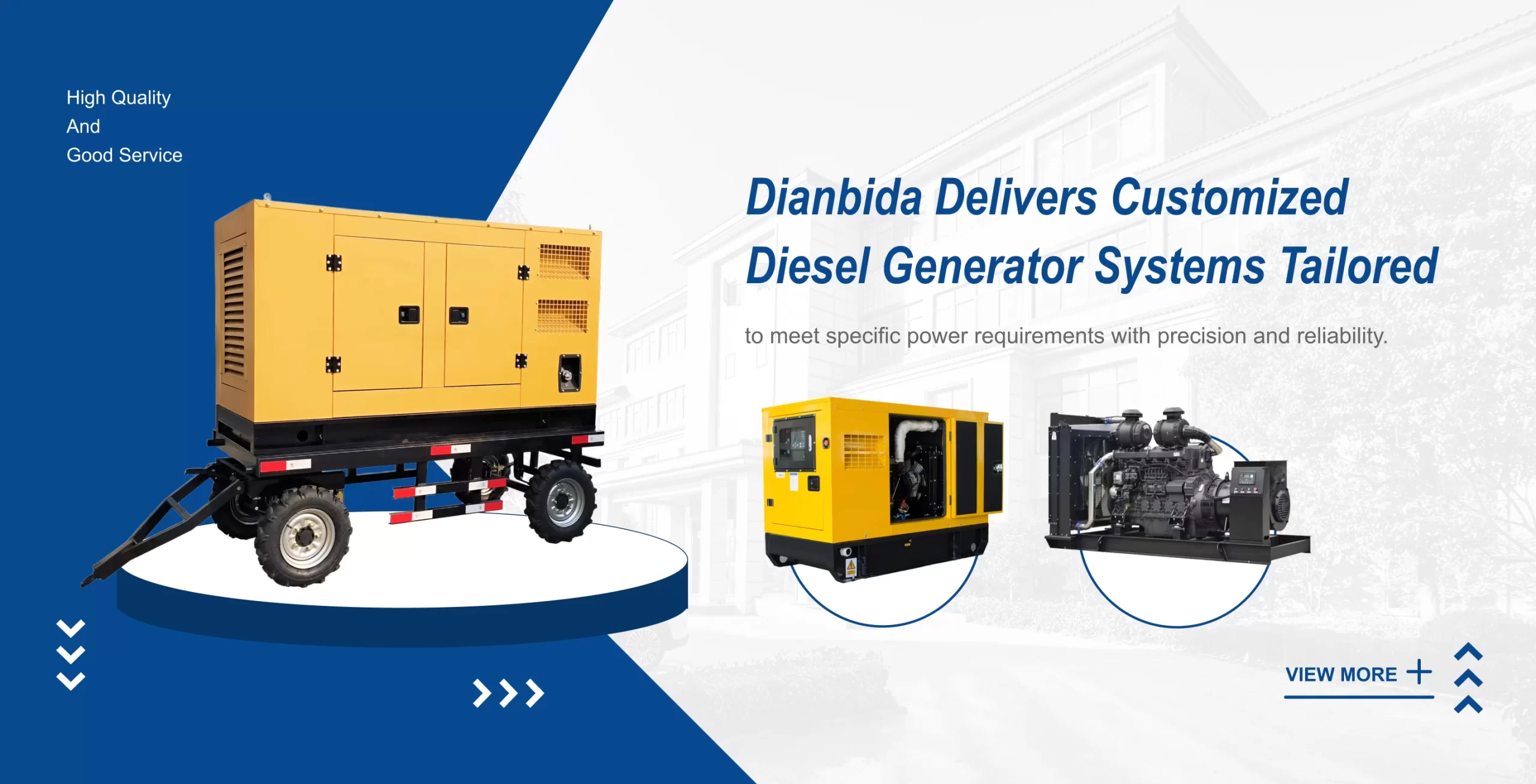
Open Type Generator systems form the foundation of backup power solutions across industries, from telecommunications to healthcare. These robust machines rely on precise monitoring of critical parameters to maintain peak performance and prevent unexpected failures. The integration of high-quality measurement instruments, particularly pressure gauges, plays an often underestimated role in ensuring generator reliability and longevity.
Why Monitoring Matters in Power Generation
Diesel generators are complex electro-mechanical systems where temperature, pressure, and flow rates must stay within strict operating ranges. Even minor deviations in oil pressure, coolant temperature, or fuel pressure can signal developing problems that, if left unchecked, lead to costly downtime and repairs. This is where precision measurement instruments become indispensable.
Pressure gauges monitoring lubrication systems, for instance, provide early warnings of pump wear, clogged filters, or oil degradation. Temperature sensors on exhaust manifolds help detect combustion irregularities. Without accurate, reliable monitoring, operators are essentially flying blind, risking damage to valuable equipment and potential power outages at critical moments.
The Material Quality Connection
The accuracy and durability of monitoring instruments depend heavily on the quality of materials used in their construction. Bourdon tubes, diaphragms, and other sensing elements must withstand vibration, temperature extremes, and corrosive environments common in generator rooms. High-grade stainless steel, brass alloys, and specialized elastomers ensure that gauges maintain calibration over years of service.
This material quality imperative extends to the generators themselves. Manufacturers that prioritize superior components and rigorous testing deliver equipment that performs reliably under demanding conditions. The choice of raw materials, from the steel in the alternator housing to the copper in the windings, directly impacts the machine's durability and efficiency.
Integrating Monitoring with Generator Design
Modern generator sets incorporate multiple monitoring points as standard features. Control panels display real-time data on oil pressure, coolant temperature, battery voltage, and fuel level. More advanced systems include remote monitoring capabilities, allowing operators to track performance from anywhere and receive alerts before problems escalate.
For instance, the WEICHAI Diesel Generators Series exemplifies how thoughtful engineering integrates monitoring seamlessly into the power system. These generators are designed with comprehensive instrumentation that provides operators with clear, actionable data, enabling proactive maintenance and maximizing uptime.
Best Practices for Monitoring System Maintenance
To ensure monitoring instruments remain accurate and reliable, regular calibration and inspection are essential. Pressure gauges should be checked annually against certified standards. Temperature sensors need verification against known references. Any gauge showing signs of damage, corrosion, or erratic behavior should be replaced immediately.
Generator operators should also maintain detailed logs of all monitored parameters, establishing baseline readings for normal operation. Deviations from these baselines often provide the earliest indication of developing issues. Combined with routine oil analysis and vibration monitoring, pressure and temperature readings form a comprehensive picture of generator health.
The Future of Power Generation Monitoring
Advancements in sensor technology and data analytics are transforming how facilities manage their power systems. Wireless sensors, IoT platforms, and predictive algorithms enable operators to anticipate failures before they occur, schedule maintenance more efficiently, and optimize fuel consumption. These innovations build on the fundamental principle that accurate measurement is the foundation of reliable power generation.
As industries continue to demand higher uptime and efficiency, the partnership between precision instrument manufacturers and power equipment providers becomes increasingly important. The quality of monitoring directly influences the reliability of power systems, making material selection and engineering excellence critical factors in the supply chain.
Conclusion
The relationship between precision monitoring and power generation reliability is clear. Accurate pressure gauges, temperature sensors, and flow meters provide the data needed to keep generators running efficiently and to catch problems early. For facilities depending on backup power, investing in quality monitoring equipment and working with manufacturers committed to material excellence is not just good practice—it is essential for operational continuity.
 English