
Apr . 01, 2024 17:55 Back to list
Pressure Gauge how to calibrate a pressure gauge Performance Analysis
Introduction
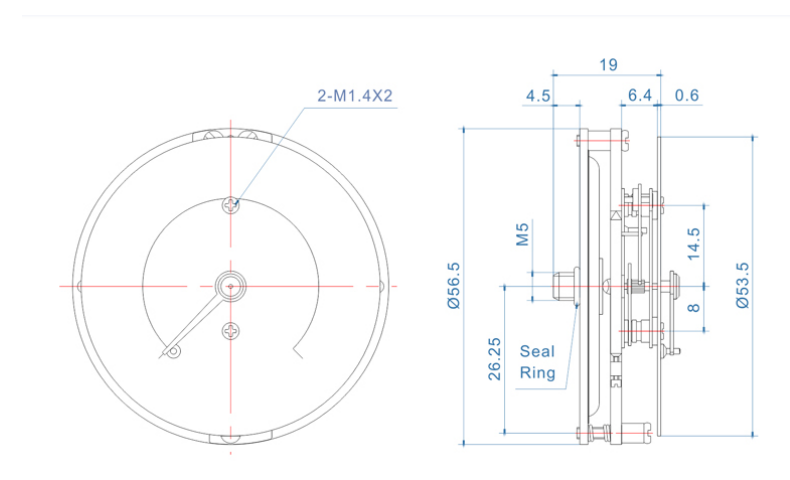
Pressure gauges are critical instrumentation components in a vast array of industrial processes, including oil and gas, chemical processing, power generation, and HVAC systems. Accurate pressure measurement is paramount for process control, safety, and regulatory compliance. Calibration, the process of comparing a gauge's readings to a known standard, is essential to ensure continued accuracy and reliability. This guide provides a comprehensive technical overview of pressure gauge calibration, encompassing material science, manufacturing considerations, performance engineering, specifications, failure modes, and maintenance procedures. The core pain point in industry stems from the cost of inaccurate readings – leading to process inefficiencies, potential equipment damage, and safety hazards. Proper calibration mitigates these risks, reducing downtime and improving overall operational effectiveness. Gauge calibration isn’t merely a verification; it's a vital component of a robust quality management system.
Material Science & Manufacturing
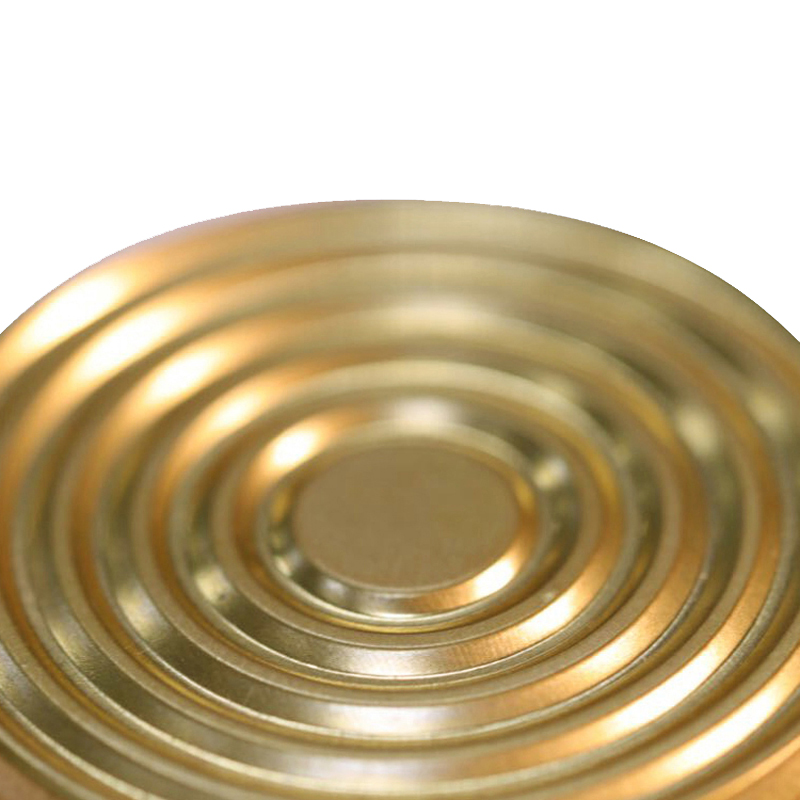
Pressure gauge construction relies on several key materials, each selected for specific properties. Bourdon tubes, the core sensing element in many gauges, are typically manufactured from alloys like beryllium copper, phosphor bronze, or stainless steel (304, 316). Beryllium copper offers excellent elasticity and corrosion resistance, vital for cyclical pressure applications. Phosphor bronze provides good fatigue strength and is suitable for lower pressure ranges. Stainless steel ensures durability in harsh corrosive environments. Cases are commonly made from steel, aluminum, or polymer composites, chosen based on environmental considerations and required ingress protection (IP rating). The manufacturing process for Bourdon tubes involves forming a flat strip of alloy into a curved, flattened tube, followed by heat treatment to relieve stress and achieve the desired elastic properties. Precise forming is critical, as deviations can introduce non-linearity in the gauge's response. Welding, used to connect the Bourdon tube to the gauge movement, must be performed with techniques that minimize heat-affected zones to prevent material degradation. The gauge movement, typically a geared mechanism, is often manufactured from brass or stainless steel, requiring tight tolerances for accurate pointer deflection. Parameter control during manufacturing, including material composition verification, heat treatment temperatures, and weld quality inspections, are essential for ensuring consistent performance.
Performance & Engineering
Pressure gauge performance is governed by several engineering principles. The fundamental operating principle is the elastic deformation of the Bourdon tube, which deflects proportionally to the applied pressure. This deflection is translated into a rotary motion via the gauge movement, driving the pointer across a calibrated scale. Force analysis reveals that the deflection is non-linear, especially at higher pressures, necessitating calibration adjustments. Environmental resistance is a critical consideration. Temperature fluctuations can affect the material properties of the Bourdon tube and the gauge movement, leading to drift in readings. Gauges designed for outdoor use or harsh environments require materials with low thermal expansion coefficients and robust sealing to prevent ingress of moisture, dust, or corrosive substances. Compliance requirements, such as those stipulated by ASME B40.100 (Pressure Gauges and Pressure Indicating Dial Devices), dictate acceptable accuracy classes (AAA, AA, A, B) and testing procedures. Functional implementation involves careful selection of gauge range based on the expected operating pressure, appropriate materials for the process fluid compatibility, and consideration of vibration and shock loads which can induce premature wear or damage. Cyclic pressure testing and fatigue analysis are vital for ensuring long-term reliability.
Technical Specifications
| Accuracy Class | Pressure Range (psi) | Temperature Range (°F) | Connection Size (NPT) |
|---|---|---|---|
| AAA (±0.25% FS) | 0-30 | -40 to 150 | 1/8" |
| AA (±0.5% FS) | 0-100 | -20 to 180 | 1/4" |
| A (±1% FS) | 0-500 | -10 to 200 | 3/8" |
| B (±2% FS) | 0-1000 | 0 to 220 | 1/2" |
| AAA (±0.25% FS) | 0-600 | -40 to 150 | 1/4" |
| AA (±0.5% FS) | 0-1500 | -20 to 180 | 3/4" |
Failure Mode & Maintenance
Pressure gauge failures can manifest in several ways. Fatigue cracking in the Bourdon tube is a common failure mode, especially in applications with high cyclic pressures or vibrations. This often initiates at the root of the tube where stress concentration is highest. Delamination of the Bourdon tube, though less frequent, can occur due to material defects or corrosion. Zero drift, a gradual shift in the gauge's reading even with no pressure applied, is often caused by wear in the gauge movement or changes in ambient temperature. Oxidation and corrosion of internal components can lead to sticking or binding of the movement, resulting in inaccurate readings or complete failure. Regular maintenance is crucial for preventing these failures. Visual inspections should be conducted periodically to check for leaks, damaged cases, or loose connections. Periodic calibration, typically every 6-12 months, is essential to verify accuracy. When cleaning, use only compatible solvents to avoid damaging the Bourdon tube or case materials. Lubrication of the gauge movement, if applicable, should be performed with a suitable instrument oil. If a gauge exhibits significant drift or consistent inaccuracies, it should be removed from service and either repaired or replaced.
Industry FAQ
Q: What is the difference between field calibration and a certified calibration?
A: Field calibration is a quick check performed in-situ, often using a handheld pressure calibrator, to verify basic functionality. A certified calibration is conducted in a controlled laboratory environment, traceable to national standards (e.g., NIST), and includes a detailed calibration certificate documenting the gauge’s performance against those standards. Certified calibrations provide a higher level of assurance and are often required for regulatory compliance.
Q: How does temperature affect pressure gauge accuracy?
A: Temperature affects accuracy in several ways. The Bourdon tube’s elasticity changes with temperature, altering its deflection characteristics. The gauge movement’s components can expand or contract, influencing the pointer’s position. Ambient temperature fluctuations can also cause pressure variations within the gauge itself. Calibration should account for the operating temperature range, and temperature compensation techniques may be employed.
Q: What are common causes of hysteresis in pressure gauges?
A: Hysteresis refers to a difference in readings when approaching a given pressure from increasing versus decreasing pressure. Common causes include friction within the gauge movement, elasticity loss in the Bourdon tube over time, and stiction in the linkage mechanisms. Regular maintenance and, if necessary, gauge replacement can address hysteresis issues.
Q: What type of pressure calibrator is best suited for pressure gauge calibration?
A: The choice depends on the gauge’s pressure range and required accuracy. For low-pressure gauges, a pneumatic calibrator is often suitable. For higher pressures, hydraulic calibrators are preferred. Digital pressure calibrators with integrated electronic pressure sensors offer greater accuracy and repeatability compared to analog devices. Ensure the calibrator's uncertainty is at least four times lower than the gauge’s required accuracy.
Q: How often should a pressure gauge be calibrated?
A: The calibration frequency depends on the application, operating conditions, and regulatory requirements. As a general guideline, annual calibration is recommended for most industrial applications. More frequent calibration (e.g., every 6 months) may be necessary for critical processes, harsh environments, or gauges subjected to frequent cycling or vibration. Any event that could compromise the gauge’s accuracy (e.g., shock, overpressure event) should trigger an immediate calibration check.
Conclusion
Accurate pressure gauge calibration is a cornerstone of reliable industrial operations. This guide has detailed the material science underpinning gauge construction, the performance engineering principles governing their function, essential technical specifications, potential failure modes, and preventative maintenance procedures. The meticulous control of manufacturing parameters and adherence to industry standards are paramount to ensuring consistent and dependable performance.
Moving forward, advances in digital pressure sensing technology and smart calibration tools are enhancing the precision and efficiency of pressure measurement. Implementing robust calibration schedules, coupled with ongoing training for personnel, is vital for maximizing the lifespan and accuracy of pressure gauges, ultimately contributing to safer, more efficient, and more profitable industrial processes.
 English
  Arabic
  China
China  China (Taiwan)
  Danish
  Dutch
Dutch  French
  German
  Greek
Greek  Hindi
Hindi  Indonesian
  Italian
  Japanese
  Korean
  Latin
Latin  Polish
  Portuguese
  Russian
  Spanish
  Turkish