
Electric Hydraulic Platform systems rely on hydraulic pressure to move loads, but the gauge that displays that pressure is more than a dial on a control panel. Selected and maintained well, it helps operators spot abnormal conditions, supports troubleshooting, and adds useful context to routine equipment checks.
That role matters across warehouses, factories, and distribution centers, where lifting equipment works alongside forklifts, dock systems, and vehicles under changing loads. Understanding what a pressure gauge can—and cannot—tell an operator is an important part of managing mechanical equipment safely.
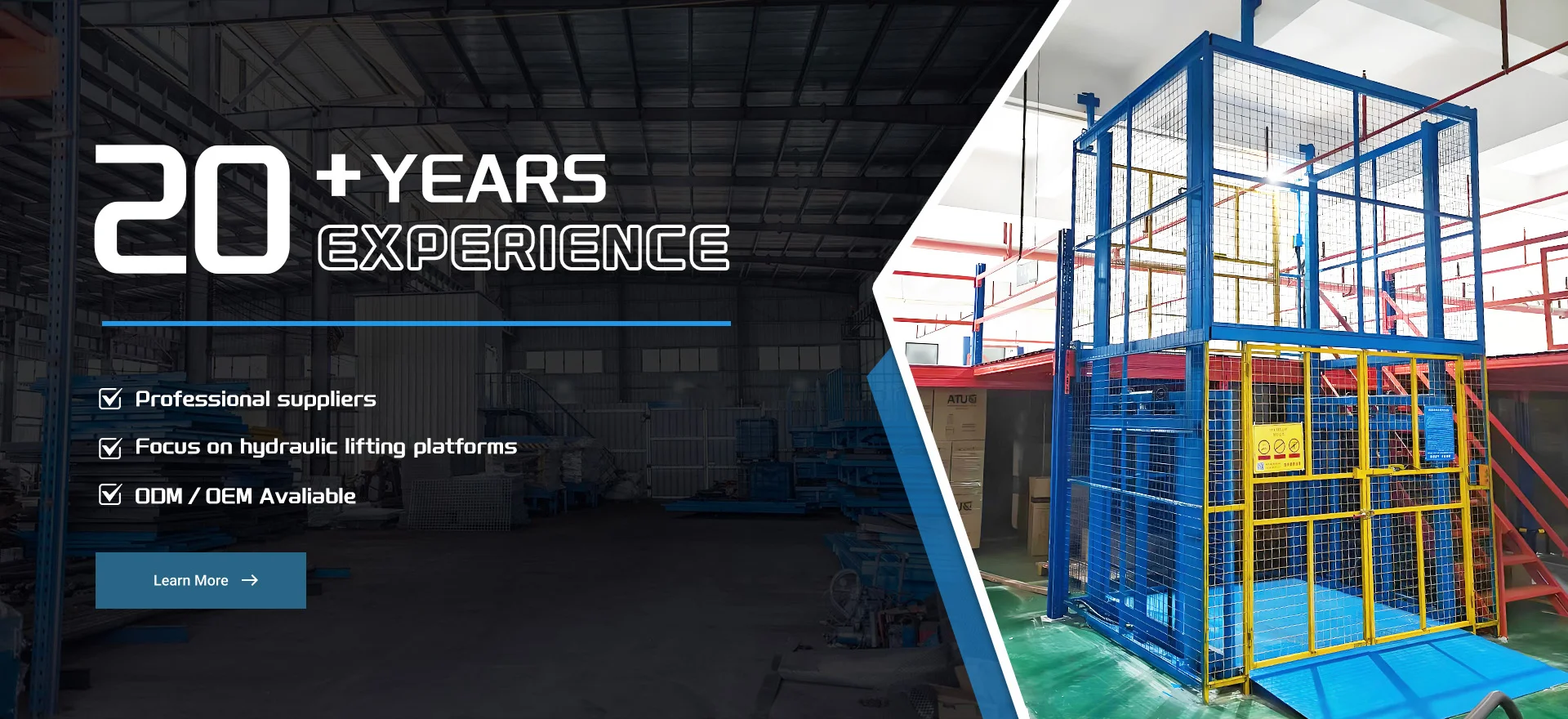
Why pressure readings matter in hydraulic machinery
In a hydraulic circuit, a pump moves fluid through connected components to create force. A pressure gauge measures the force exerted by that fluid at its connection point. The reading can help a technician assess whether a system is operating within its specified range, but it does not directly reveal every condition inside the machinery.
For example, pressure that rises unusually quickly may point to a restriction, an overloaded application, or a component reaching its limit. A reading that fluctuates can indicate changing load, air in the fluid, vibration, or another issue that needs investigation. These are clues rather than diagnoses: the machine’s operating manual, inspection procedures, and qualified technical assessment remain essential.
At loading areas, the distinction is especially useful. A dock leveler or lifting platform may experience different demands as vehicle heights, cargo weights, and operating cycles change. A gauge can make hydraulic behavior easier to observe during maintenance, while the equipment’s rated capacity and safety devices—not a pressure reading alone—must guide operation.
Match the gauge to the operating environment
Gauge selection starts with the pressure range specified for the system. The instrument should be suitable for the expected operating pressure and foreseeable variations, without making normal readings difficult to distinguish. An incorrectly chosen range can reduce readability or expose the gauge to conditions beyond its design limits.
The environment also affects performance. Equipment in warehouses and loading bays may be exposed to vibration, dust, temperature changes, moisture, and occasional impact. A gauge’s construction, connection type, mounting position, and protection should suit those conditions. Where vibration is persistent, designers may consider measures intended to reduce its effect on the instrument, following the gauge and equipment manufacturers’ guidance.
Readability is a practical safety consideration. Operators and maintenance personnel should be able to identify the scale and units clearly from the normal viewing position. Consistent units across related equipment can also reduce interpretation errors, particularly in facilities where different machinery is serviced by the same team.
Interpret readings in context
A pressure value has meaning only when it is compared with the correct operating conditions. Load, platform position, temperature, and the stage of an operating cycle can all influence a reading. Maintenance records are more useful when they note these conditions rather than recording a number without explanation.
Comparing readings over time can help reveal changes that deserve attention. A gradual deviation from the equipment’s established pattern may justify an inspection, even if a single reading does not appear dramatic. Conversely, repeatedly checking a gauge without a defined procedure can create confusion or encourage unsafe troubleshooting.
This is one reason pressure gauges should be treated as part of a broader monitoring approach. Visual inspections, scheduled maintenance, functional checks, and the condition of hoses, fittings, and hydraulic fluid all contribute to a more complete picture of system health.
Build inspection habits around safe limits
Good inspection practices are straightforward, consistent, and based on the equipment manufacturer’s instructions. A maintenance plan may include checking whether the dial is legible, the gauge is securely mounted, and the casing or connection shows visible damage. Suspected leaks, unusual system behavior, or damaged instruments should be referred to qualified personnel.
- Confirm the specified pressure range and units before interpreting a reading.
- Record relevant operating conditions when tracking readings over time.
- Follow site procedures and equipment documentation; never exceed rated limits to test a system.
- Keep inspection and calibration work within the responsibilities of trained, authorized personnel.
A gauge should not be used to justify bypassing an interlock, overloading a platform, or continuing operation when a fault is suspected. Pressure indication supports informed maintenance; it does not replace guards, limit devices, operator training, or approved procedures.
Equipment design and supply-chain considerations
Pressure instrumentation is one part of a larger mechanical system. Designers and purchasers need to consider how the gauge interfaces with pumps, cylinders, valves, controls, and the working structure. Clear specifications can reduce mismatches in pressure range, connection details, mounting, and environmental suitability before equipment reaches the facility.
The same systems perspective applies to lifting equipment such as a Lift Table, where hydraulic components must work together with the platform, controls, and intended load. Equipment manufacturers such as Jiangmen Hongli Machinery Co., Ltd., which produces hydraulic lifting and loading equipment, illustrate why coordination between mechanical design, component selection, and after-sales technical support is relevant to dependable operation.
For facility teams, useful purchasing and maintenance documentation should identify operating limits, inspection requirements, replacement specifications, and the appropriate service contact. Strong supply-chain coordination helps ensure that replacement instruments and hydraulic components match the system rather than merely appearing compatible.
A small instrument with an important supporting role
Pressure gauges do not prevent every failure, and their readings should never be interpreted in isolation. Their value comes from appropriate selection, clear operating guidance, regular inspection, and informed maintenance. In busy material-handling environments, that disciplined approach helps teams understand hydraulic equipment more clearly and keep safety decisions grounded in the complete operating picture.
 English