
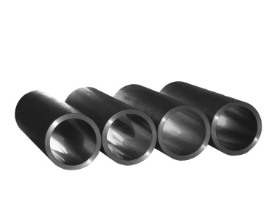
Selecting a cold rolled tube for load-bearing applications is the foundational step in engineering resilient industrial canopies and temporary structures. In the realm of industrial covers, agricultural tents, and large-span shelters, the framing material must endure a relentless barrage of environmental stressors. Balancing structural stability with modularity requires a deep dive into metallurgical advancements and innovative supply chain solutions.
Wind Load and Aerodynamic Resilience
Large-span canopies act as massive sails, capturing significant wind energy that translates into immense kinetic stress on the skeletal framework. To prevent catastrophic failure, the underlying structure must possess superior tensile strength and flexibility. Modern engineering relies on high-strength alloys that can flex under extreme aerodynamic loads and return to their original geometry without permanent deformation. This elastic resilience is critical for structures deployed in coastal or high-altitude regions where wind shear is a constant threat.
Corrosion Mitigation in Outdoor Deployments
Unlike indoor machinery, industrial canopies are continuously exposed to rain, UV radiation, and atmospheric pollutants. Over time, traditional materials succumb to oxidation, compromising structural integrity. Advanced suppliers address this by providing materials that have undergone rigorous anti-corrosive treatments. Whether through galvanization or advanced polymer coatings, extending the lifespan of the framing elements drastically lowers the total cost of ownership and ensures absolute safety for the personnel and assets housed beneath.
Modularity and Rapid Deployment
One of the primary value propositions of temporary industrial structures is the speed of deployment. Disaster relief centers, seasonal agricultural storage, and pop-up logistics hubs require frameworks that can be rapidly assembled and disassembled. This necessitates lightweight components that do not sacrifice load-bearing capacity. The exceptional strength-to-weight ratio of advanced tubular elements allows small teams to erect massive structures without the need for heavy lifting machinery.
Dimensional Precision in Interchangeable Parts
For modular systems to function effectively, every component must fit together flawlessly. Variations in joint diameters or tube straightness can stall an entire assembly process. Utilizing rolled welded tubes manufactured to exacting tolerances guarantees that structural nodes interlock securely. This dimensional accuracy is a hallmark of premium manufacturers, who understand that on-site machining is not a viable option in emergency or rapid-deployment scenarios.
Sustainable Practices in Temporary Infrastructure
As the demand for temporary industrial structures grows, so does the scrutiny regarding their environmental impact. Utilizing materials that are 100% recyclable ensures that once a shelter reaches the end of its operational life, its components do not end up in landfills. By partnering with eco-conscious, high-quality providers, the industry can deliver robust infrastructural solutions that align with global sustainability targets and reduce the overarching carbon footprint of temporary deployments.
 English