
Apr . 01, 2024 17:55 Back to list
Tire Pressure Gauge how do i use a tire pressure gauge Performance Analysis
Introduction
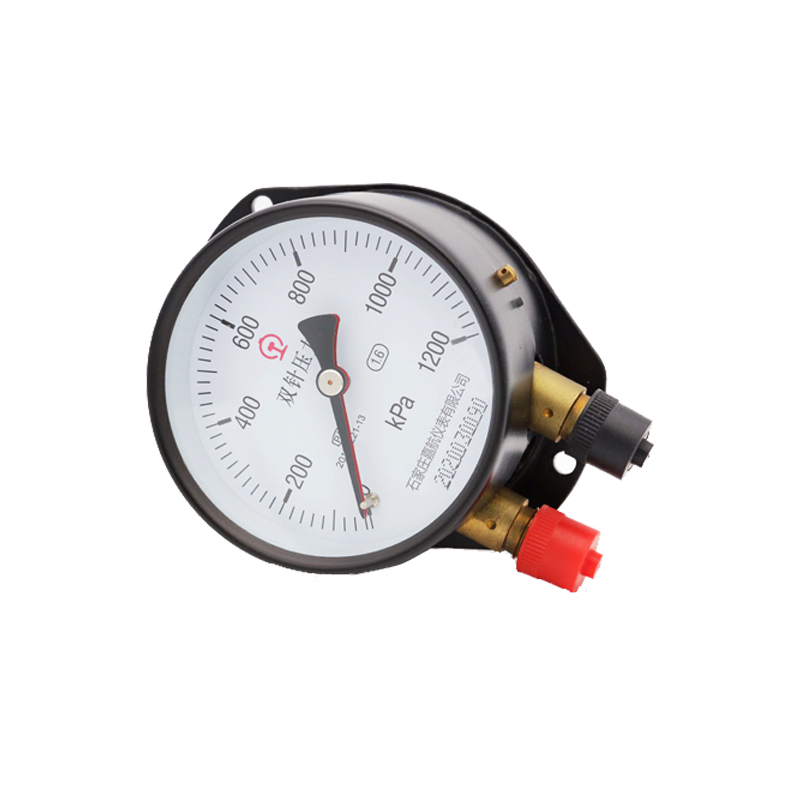
A tire pressure gauge is a critical instrument for vehicle maintenance and safety, falling within the broader automotive tooling and diagnostic equipment category. It measures the pressure of air within a pneumatic tire, expressed typically in pounds per square inch (PSI), kilopascals (kPa), or bar. Accurate tire pressure is fundamental to optimal vehicle handling, fuel efficiency, tire longevity, and, most importantly, passenger safety. Improperly inflated tires – whether overinflated or underinflated – can lead to reduced braking performance, increased risk of tire failure (blowouts), and uneven wear. This guide provides a comprehensive overview of tire pressure gauge functionality, operation, material science, potential failure modes, and relevant industry standards, focusing on ensuring precise and reliable tire pressure management. The core performance metric for a tire pressure gauge is accuracy, typically within ±1 PSI, and its ability to provide a consistent and repeatable reading.
Material Science & Manufacturing
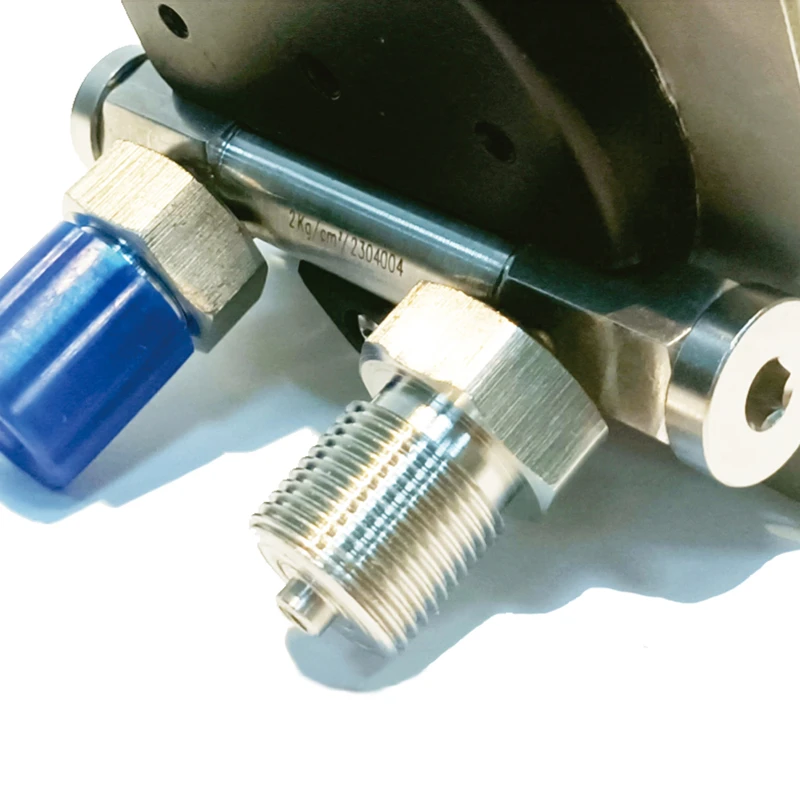
Tire pressure gauges utilize a variety of materials and manufacturing processes. The core sensing element is often a Bourdon tube, a curved tube that straightens proportionally to the internal pressure. This tube is commonly constructed from spring steel, specifically alloyed steel for enhanced elasticity and resistance to permanent deformation. Manufacturing involves precision bending and heat treatment to achieve the desired spring characteristics. Digital gauges employ pressure sensors, frequently utilizing piezoelectric or strain gauge technology. These sensors convert pressure into an electrical signal, which is then processed and displayed digitally. Housing materials range from impact-resistant polymers (ABS, polycarbonate) for cost-effectiveness to stainless steel or brass for durability and resistance to corrosion. The manufacturing process for the housing typically involves injection molding or machining. The gauge face, for analog gauges, is often constructed from durable acrylic or polycarbonate, protected by a scratch-resistant coating. Calibration is a crucial step in the manufacturing process. Gauges are tested against NIST-traceable standards to ensure accuracy and repeatability. Key parameter control involves precise dimensional tolerances for the Bourdon tube and careful selection of sensor materials for optimal performance and stability over temperature variations.
Performance & Engineering
The performance of a tire pressure gauge hinges on its ability to accurately translate pneumatic pressure into a readable format. Force analysis focuses on the relationship between the applied pressure, the deflection of the Bourdon tube (or the electrical signal from a pressure sensor), and the resulting displayed value. Environmental resistance is a significant consideration. Gauges must maintain accuracy across a wide temperature range, typically -20°C to 60°C, and resist degradation from exposure to oils, fuels, and UV radiation. Compliance requirements vary by region. In the US, the National Highway Traffic Safety Administration (NHTSA) provides guidelines for tire safety. European standards (EN) mandate accurate tire pressure monitoring systems (TPMS), influencing the demand for accurate calibration gauges. Digital gauges rely on sophisticated firmware algorithms to linearize sensor outputs, compensate for temperature drift, and provide a stable reading. The mechanical design of analog gauges focuses on minimizing hysteresis (the difference in readings depending on whether pressure is increasing or decreasing) and ensuring smooth and consistent movement of the indicator needle. Proper venting is essential to prevent pressure build-up within the gauge housing, which could affect accuracy and potentially cause damage.
Technical Specifications
| Gauge Type | Pressure Range (PSI) | Accuracy (PSI) | Resolution (PSI) |
|---|---|---|---|
| Analog Stick | 0-60 | ±2 | 1 |
| Analog Pencil | 0-50 | ±1.5 | 0.5 |
| Digital LCD | 0-100 | ±0.5 | 0.1 |
| Digital Backlit LCD | 0-150 | ±0.3 | 0.1 |
| Heavy-Duty Analog | 0-120 | ±2.5 | 1 |
| Commercial Truck Digital | 0-200 | ±1 | 0.1 |
Failure Mode & Maintenance
Tire pressure gauges are susceptible to several failure modes. Analog gauges can experience mechanical wear in the Bourdon tube, leading to decreased accuracy or complete failure. Corrosion of the internal components, particularly in humid environments, can also affect performance. Digital gauges are prone to battery failure, sensor drift, and electronic component malfunction. LCD screen failure is also common. Calibration drift is a significant concern for both analog and digital gauges, especially after prolonged use or exposure to extreme temperatures. Fatigue cracking can occur in the Bourdon tube due to repeated flexing. To maintain accuracy, regular calibration is essential, ideally annually. Avoid dropping the gauge, as this can damage the internal components. Store the gauge in a clean, dry environment. For digital gauges, replace the battery promptly when the low battery indicator appears. Periodically inspect the gauge for physical damage, such as cracks in the housing or a loose connection. If a gauge consistently provides inaccurate readings, it should be replaced or professionally repaired.
Industry FAQ
Q: What is the recommended calibration frequency for a tire pressure gauge?
A: The recommended calibration frequency is annually, or more frequently if the gauge is used in a high-volume or critical application. Calibration ensures the gauge continues to provide accurate readings, which is vital for tire safety and performance.
Q: Can temperature affect the accuracy of a tire pressure gauge?
A: Yes, temperature can significantly impact accuracy. Extreme temperatures can cause the Bourdon tube (in analog gauges) to expand or contract, leading to inaccurate readings. Digital gauges are typically temperature-compensated, but may still exhibit some drift in extreme conditions.
Q: What is the difference between a pencil-type and a stick-type tire pressure gauge?
A: Pencil-type gauges are generally smaller and less expensive, offering lower accuracy. Stick-type gauges are larger and provide greater accuracy and readability, often featuring a more robust construction.
Q: How should I properly use a tire pressure gauge to get an accurate reading?
A: Ensure the gauge is clean and free of debris. Press the gauge firmly onto the tire valve stem until the hissing sound of air escaping stops. Read the pressure immediately, avoiding parallax error. Repeat the measurement to confirm consistency.
Q: What does 'NIST-traceable' mean in relation to tire pressure gauge calibration?
A: 'NIST-traceable' means the gauge’s calibration standards are ultimately traceable to the National Institute of Standards and Technology, ensuring a high degree of accuracy and reliability.
Conclusion
The tire pressure gauge, while seemingly simple, is a sophisticated instrument requiring careful material selection, precise manufacturing, and regular maintenance to ensure accurate performance. Understanding its underlying principles – from the mechanics of the Bourdon tube to the complexities of digital sensor technology – is paramount for professionals in the automotive industry, motorsport, and vehicle maintenance. Accurate tire pressure contributes directly to improved vehicle safety, fuel efficiency, and tire longevity.
Future advancements in tire pressure gauge technology may focus on integrating wireless connectivity for real-time data logging and remote monitoring, as well as developing more robust and temperature-stable sensors. Continued adherence to industry standards and rigorous calibration procedures will remain critical to maintaining the reliability and accuracy of these essential tools.
 English
  Arabic
  China
China  China (Taiwan)
  Danish
  Dutch
Dutch  French
  German
  Greek
Greek  Hindi
Hindi  Indonesian
  Italian
  Japanese
  Korean
  Latin
Latin  Polish
  Portuguese
  Russian
  Spanish
  Turkish