
Apr . 01, 2024 17:55 Back to list
Tire Pressure Gauge how to check tire pressure gauge Performance Analysis
Introduction
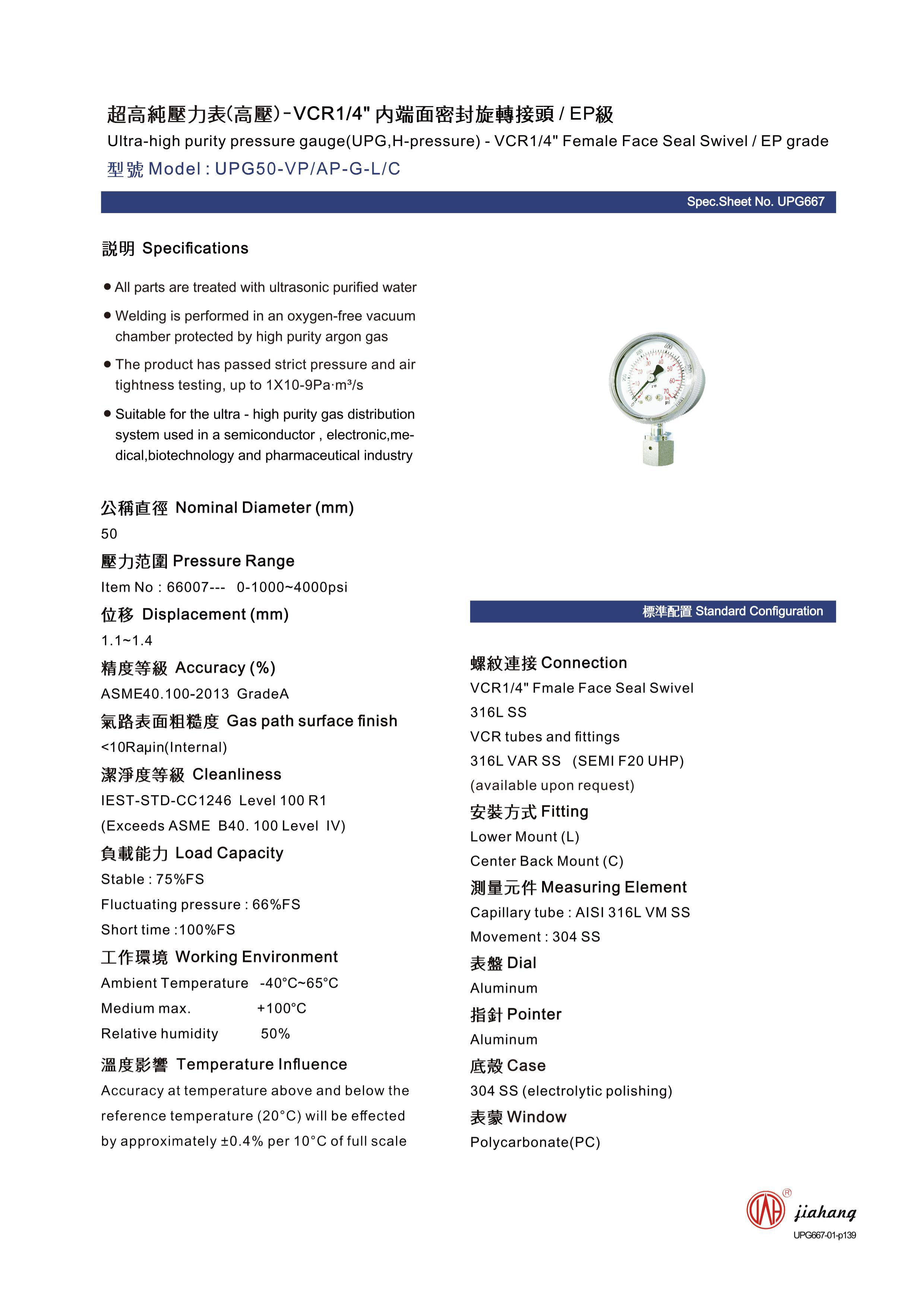
Tire pressure gauges are critical instruments in vehicle maintenance, directly impacting safety, fuel efficiency, and tire lifespan. These gauges, ranging from simple mechanical stick types to sophisticated digital models, measure the pressure of air within a tire, expressed typically in pounds per square inch (PSI), bar, or kilopascals (kPa). Their function resides within the broader vehicle maintenance ecosystem, acting as a pivotal link between preventative care and the avoidance of potentially hazardous driving conditions. Proper tire inflation, verified using a calibrated tire pressure gauge, ensures optimal contact patch, reduces rolling resistance, and minimizes the risk of tire failure. This guide provides a comprehensive technical overview of tire pressure gauge operation, material science, performance, failure modes, and industry standards.
Material Science & Manufacturing
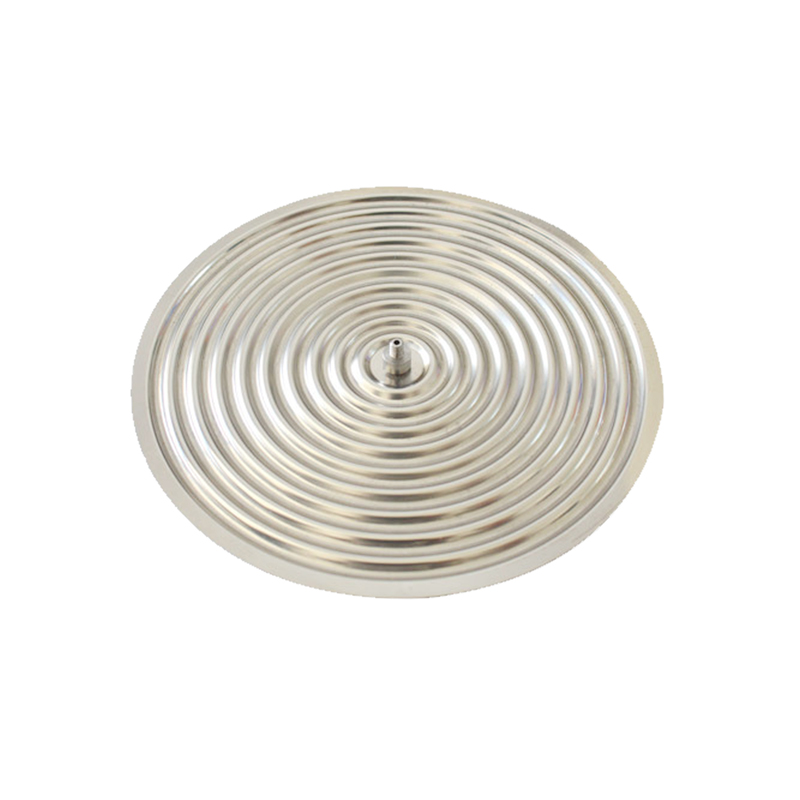
The majority of analog tire pressure gauges utilize a Bourdon tube – a curved, hollow, partially flattened metal tube. This tube is typically constructed from beryllium copper alloy, chosen for its excellent spring characteristics, corrosion resistance, and fatigue strength. Manufacturing involves cold drawing the alloy into the desired tube shape, followed by heat treatment to achieve optimal elastic properties. The tube is sealed at one end and connected to the tire valve stem at the other. As pressure increases, the tube attempts to straighten, driving a mechanical linkage connected to a calibrated dial indicator. Digital gauges, conversely, employ piezoelectric sensors. These sensors generate an electrical charge proportional to the applied pressure. The analog-to-digital converter (ADC) then transforms this charge into a numerical pressure reading displayed on an LCD screen. The housing of both types of gauges is generally manufactured from acrylonitrile butadiene styrene (ABS) plastic or aluminum, prioritizing impact resistance and durability. Quality control involves rigorous leak testing, calibration against NIST-traceable standards, and dimensional verification of critical components. The rubber hose connecting the gauge to the valve stem is typically EPDM (ethylene propylene diene monomer) rubber, selected for its compatibility with automotive fluids and resistance to ozone degradation.
Performance & Engineering
Gauge performance is primarily dictated by accuracy and linearity. Accuracy, expressed as a percentage of full scale, defines the deviation between the indicated pressure and the actual pressure. Linearity refers to the consistency of this deviation across the entire pressure range. Engineering considerations center on minimizing hysteresis – the difference in readings when approaching a pressure from increasing versus decreasing directions. The Bourdon tube's geometry and material properties directly influence hysteresis. Digital gauges, while generally more accurate, are susceptible to errors stemming from temperature drift and ADC calibration. Environmental resistance is a crucial performance parameter. Gauges must withstand exposure to temperature fluctuations, humidity, and potential exposure to road salts or other corrosive substances. Force analysis focuses on the stresses induced within the Bourdon tube during pressure measurement. Fatigue analysis is essential to ensure the tube’s long-term structural integrity. Compliance requirements vary by region but often include adherence to safety standards related to material flammability and electrical safety for digital models. The valve stem interface must maintain a secure seal to prevent air leakage during measurement. Proper design minimizes the potential for damage to the valve core.
Technical Specifications
| Parameter | Analog Gauge (Typical) | Digital Gauge (Typical) | Unit |
|---|---|---|---|
| Pressure Range | 0-60 PSI | 0-120 PSI | PSI |
| Accuracy | ± 2% of Full Scale | ± 1% of Full Scale | % |
| Resolution | 1 PSI | 0.1 PSI | PSI |
| Operating Temperature | -20°C to 60°C | -10°C to 50°C | °C |
| Housing Material | ABS Plastic | ABS Plastic/Aluminum | - |
| Bourdon Tube Material (Analog) | Beryllium Copper Alloy | N/A | - |
Failure Mode & Maintenance
Common failure modes for analog gauges include Bourdon tube rupture due to overpressure, dial mechanism jamming caused by corrosion or debris, and leakage at the valve stem connection. Digital gauges are prone to battery failure, LCD screen malfunction, sensor drift leading to inaccurate readings, and electronic component damage from moisture ingress. Fatigue cracking in the Bourdon tube can occur over time with repeated pressure cycles, particularly with exposure to significant vibrations. Delamination of the dial face can also occur due to UV exposure. Maintenance for analog gauges primarily involves visual inspection for physical damage, periodic calibration against a known standard, and cleaning to remove dirt or debris. Digital gauges require battery replacement, periodic calibration, and protection from moisture and extreme temperatures. Regularly checking the gauge against a known accurate source, such as a calibrated professional gauge, is crucial. Avoid dropping or subjecting the gauge to severe impacts. Store the gauge in a clean, dry environment when not in use.
Industry FAQ
Q: What is the impact of temperature on tire pressure readings?
A: Temperature directly affects tire pressure. As temperature increases, air molecules expand, leading to a higher pressure reading. Conversely, decreasing temperatures cause air molecules to contract, reducing pressure. Therefore, it's crucial to check tire pressure when the tires are cold—before driving or after they’ve been sitting for at least three hours—to obtain an accurate baseline reading. Temperature compensation is inherent in some digital gauges, but even these require cold tire readings for optimal accuracy.
Q: How often should a tire pressure gauge be calibrated?
A: Calibration frequency depends on usage and the gauge’s accuracy requirements. For professional automotive technicians, annual calibration is recommended. For personal use, calibration every 1-2 years is sufficient, but more frequent checks are advisable if the gauge is subjected to rough handling or extreme temperatures. Calibration should be performed by a certified calibration laboratory using NIST-traceable standards.
Q: What is the difference between a pencil-type and a digital tire pressure gauge?
A: Pencil-type gauges are simple, mechanical devices relying on a Bourdon tube. They are inexpensive and require no batteries, but generally offer lower accuracy (±2-3% of full scale). Digital gauges use electronic sensors and provide more precise readings (±1% of full scale), often with features like digital displays and automatic shut-off. However, they require batteries and can be more expensive.
Q: How can I identify a faulty tire pressure gauge?
A: A faulty gauge may exhibit inconsistent readings, readings that drift over time, or readings that differ significantly from a known accurate gauge. If the dial is sticky or unresponsive, or if the digital display is malfunctioning, the gauge is likely defective. A physical inspection can reveal leaks, cracks, or damage to the Bourdon tube or housing.
Q: What is the recommended tire pressure for my vehicle?
A: The recommended tire pressure for your vehicle is not found on the tire sidewall (which indicates the maximum pressure). It is typically located on a sticker on the driver's side doorjamb, in the glove compartment, or in the vehicle's owner's manual. Always adhere to the vehicle manufacturer’s recommended pressure, as it is optimized for vehicle handling, ride comfort, and tire wear.
Conclusion
The reliable operation of a tire pressure gauge is paramount to vehicle safety and performance. Understanding the underlying material science – specifically the properties of beryllium copper and EPDM rubber – and the engineering principles governing Bourdon tube mechanics and sensor technology is crucial for evaluating gauge quality and performance. Regular calibration, proper maintenance, and awareness of potential failure modes are essential for ensuring accurate pressure readings and maximizing tire lifespan.
As vehicle technology evolves, we can anticipate further advancements in tire pressure gauge design, including integrated tire monitoring systems (TPMS) and wireless digital gauges offering real-time pressure monitoring. Continued adherence to industry standards and rigorous quality control will be vital to maintaining the accuracy and reliability of these critical instruments.
 English
  Arabic
  China
China  China (Taiwan)
  Danish
  Dutch
Dutch  French
  German
  Greek
Greek  Hindi
Hindi  Indonesian
  Italian
  Japanese
  Korean
  Latin
Latin  Polish
  Portuguese
  Russian
  Spanish
  Turkish