
Apr . 01, 2024 17:55 Back to list
Tire Pressure Gauge how to check tire pressure with a gauge Performance Analysis
Introduction
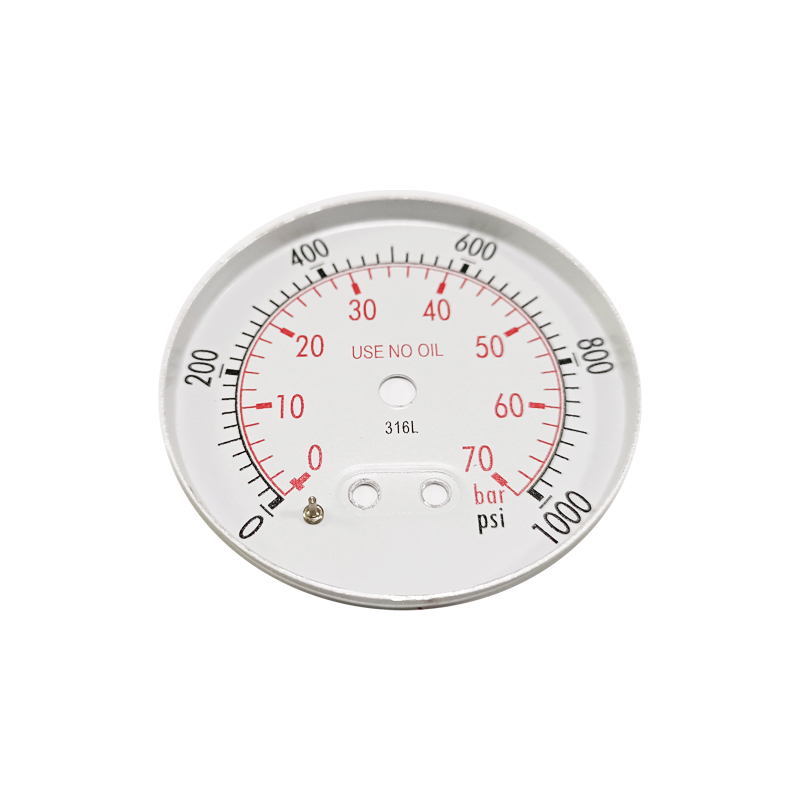
Tire pressure gauges are critical instruments for vehicle safety and maintenance, directly influencing handling, fuel efficiency, and tire lifespan. This guide details the principles of tire pressure measurement, the technology behind common gauge types, proper usage procedures, and relevant industry standards. Maintaining correct tire inflation is a fundamental aspect of preventative vehicle maintenance, mitigating risks associated with under-inflation (increased rolling resistance, overheating, sidewall failure) or over-inflation (reduced contact patch, harsh ride, increased wear in the tire center). This document aims to provide a comprehensive understanding for automotive technicians, fleet managers, and vehicle owners. The accuracy of the measurement directly impacts operational cost, safety, and compliance with regulatory requirements. This is not merely a procedural guide; it’s a deep dive into the metrology and engineering principles that underpin reliable tire pressure assessment.
Material Science & Manufacturing
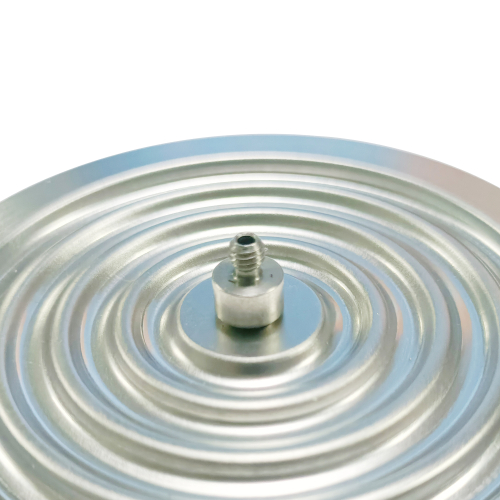
The construction of tire pressure gauges relies on a combination of materials selected for their elastic properties, corrosion resistance, and durability. Analog gauges commonly utilize a Bourdon tube – a C-shaped, flattened tube typically made of beryllium copper or steel alloy. Beryllium copper is preferred due to its superior elasticity and resistance to fatigue, crucial for repeated flexing during pressure changes. The manufacturing of the Bourdon tube involves precise bending, heat treatment, and calibration. Digital gauges employ pressure sensors, often based on piezoresistive or capacitive technology. Piezoresistive sensors use silicon diaphragms with embedded resistors; deformation of the diaphragm under pressure alters the resistance, which is then converted to a digital reading. Capacitive sensors measure changes in capacitance due to diaphragm deflection. The housings of gauges are frequently constructed from stainless steel or high-impact polymers like ABS plastic, selected for robustness and resistance to environmental factors. The seals critical for maintaining gauge accuracy are commonly made from nitrile rubber or Viton, chosen for their compatibility with air and resistance to degradation. Manufacturing tolerances in sensor construction and assembly are tightly controlled to ensure adherence to industry accuracy standards (discussed later). Calibration processes involve comparison against NIST-traceable standards using precision pressure controllers.
Performance & Engineering
The performance of a tire pressure gauge is governed by several engineering principles. Accuracy, typically expressed as a percentage of full scale (e.g., ±2%), is paramount. This accuracy is directly affected by the linearity of the Bourdon tube or sensor’s response to pressure changes. Hysteresis – the difference in readings when approaching a pressure from above versus below – is another critical performance characteristic. Temperature sensitivity must also be considered; variations in ambient temperature can affect the elastic properties of the Bourdon tube and the electrical characteristics of sensors. Engineering design focuses on minimizing these effects through material selection and compensation techniques. The gauge's mechanical strength is evaluated through stress analysis and drop tests, ensuring its ability to withstand typical usage conditions. Pressure relief mechanisms are incorporated into some gauges to prevent over-pressurization and potential damage. For digital gauges, signal conditioning circuitry and analog-to-digital converters (ADCs) play a vital role in converting the sensor signal into a precise digital reading. The display resolution (e.g., 0.1 PSI) directly impacts the operator’s ability to discern subtle pressure differences. The ergonomic design of the gauge – grip, nozzle configuration – contributes to ease of use and accurate reading.
Technical Specifications
| Gauge Type | Pressure Range (PSI) | Accuracy (% of Full Scale) | Resolution (PSI) |
|---|---|---|---|
| Analog Dial Gauge | 0-60 | ±3% | 1 |
| Analog Pencil Gauge | 0-30 | ±2.5% | 0.5 |
| Digital Gauge (LCD) | 0-100 | ±1% | 0.1 |
| Digital Gauge (Backlit LCD) | 0-150 | ±0.5% | 0.1 |
| Heavy-Duty Analog Gauge | 0-200 | ±4% | 2 |
| Commercial Fleet Digital Gauge | 0-120 | ±0.2% | 0.05 |
Failure Mode & Maintenance
Tire pressure gauges, despite their relative simplicity, are subject to several failure modes. Analog gauges can experience Bourdon tube fatigue, leading to inaccurate readings or complete failure. Corrosion of internal components, particularly in gauges exposed to moisture, can also degrade performance. Calibration drift is common over time due to wear and tear on the mechanical linkages. Digital gauges are susceptible to sensor drift, battery failure, and damage to the LCD display or electronic circuitry. Moisture ingress can corrode sensitive electronic components. Nozzle damage, resulting from accidental impacts, can lead to air leaks and inaccurate readings. Preventative maintenance includes regular calibration against a known standard (at least annually, or more frequently in high-usage environments). Visual inspection for physical damage (cracks, leaks, corrosion) is crucial. Batteries in digital gauges should be replaced regularly. Storage in a clean, dry environment will minimize corrosion risks. If a gauge consistently provides readings that deviate significantly from a known standard, it should be replaced or professionally repaired. For analog gauges, avoid dropping or subjecting them to excessive shock. Regular cleaning with a mild solvent can help prevent corrosion.
Industry FAQ
Q: What is the impact of temperature on tire pressure readings obtained with a gauge?
A: Temperature significantly influences tire pressure. As ambient temperature increases, air inside the tire expands, leading to a higher pressure reading. Conversely, lower temperatures cause air to contract, reducing pressure. Gauge readings are typically taken with tires at a "cold" temperature – meaning the vehicle has not been driven for at least three hours. If tires are warm, adjust the reading downward by approximately 3-4 PSI to account for the temperature increase. Digital gauges with temperature compensation features can mitigate this effect, but even those have limitations.
Q: How often should a tire pressure gauge be calibrated?
A: Calibration frequency depends on the gauge’s usage and the criticality of accurate readings. For general automotive use, annual calibration is recommended. For commercial fleets, motorsport applications, or any scenario demanding high precision, calibration should be performed every 6 months, or even more frequently. Calibration must be traceable to NIST standards to ensure verifiable accuracy.
Q: What's the difference between PSI, BAR, and kPa, and how do gauges handle these units?
A: PSI (pounds per square inch), BAR, and kPa (kilopascals) are different units of pressure measurement. 1 BAR is approximately equal to 14.5 PSI, and 1 kPa is approximately equal to 0.145 PSI. Many digital gauges offer the ability to switch between these units. Analog gauges are typically calibrated in a single unit (usually PSI), and conversions require manual calculation.
Q: What are the limitations of using a pencil-type tire pressure gauge?
A: Pencil-type gauges are relatively inexpensive and portable, but they are less accurate than digital or high-quality analog dial gauges. They are also more susceptible to damage. The reading can be difficult to interpret accurately due to the small scale and the need to hold the gauge perpendicular to the tire valve stem. Frequent recalibration is recommended for pencil gauges.
Q: How can I verify the accuracy of my tire pressure gauge without access to a calibration standard?
A: While not a substitute for professional calibration, you can compare readings from multiple gauges. If one gauge consistently deviates significantly from the others, it is likely inaccurate. Also, comparing the gauge reading to the tire pressure monitoring system (TPMS) reading, if equipped, can provide a rough check. However, TPMS readings are not always perfectly accurate themselves.
Conclusion
Accurate tire pressure measurement is a cornerstone of vehicle safety and efficiency. The selection of a suitable tire pressure gauge – whether analog or digital – depends on the required accuracy, budget, and application. Understanding the underlying principles of pressure measurement, the materials used in gauge construction, and the potential failure modes is essential for informed usage and preventative maintenance. Regular calibration and careful handling are vital for ensuring the long-term reliability and accuracy of these critical instruments.
Looking ahead, advancements in sensor technology and wireless communication are likely to drive the development of more sophisticated tire pressure monitoring systems. Integration of tire pressure data with vehicle control systems will further enhance safety and optimize fuel efficiency. Furthermore, ongoing refinements in gauge manufacturing processes will continue to improve accuracy and durability, ultimately contributing to safer and more economical transportation.
 English
  Arabic
  China
China  China (Taiwan)
  Danish
  Dutch
Dutch  French
  German
  Greek
Greek  Hindi
Hindi  Indonesian
  Italian
  Japanese
  Korean
  Latin
Latin  Polish
  Portuguese
  Russian
  Spanish
  Turkish