
Apr . 01, 2024 17:55 Back to list
Tire Pressure Gauge how to measure tire pressure gauge Performance Analysis
Introduction
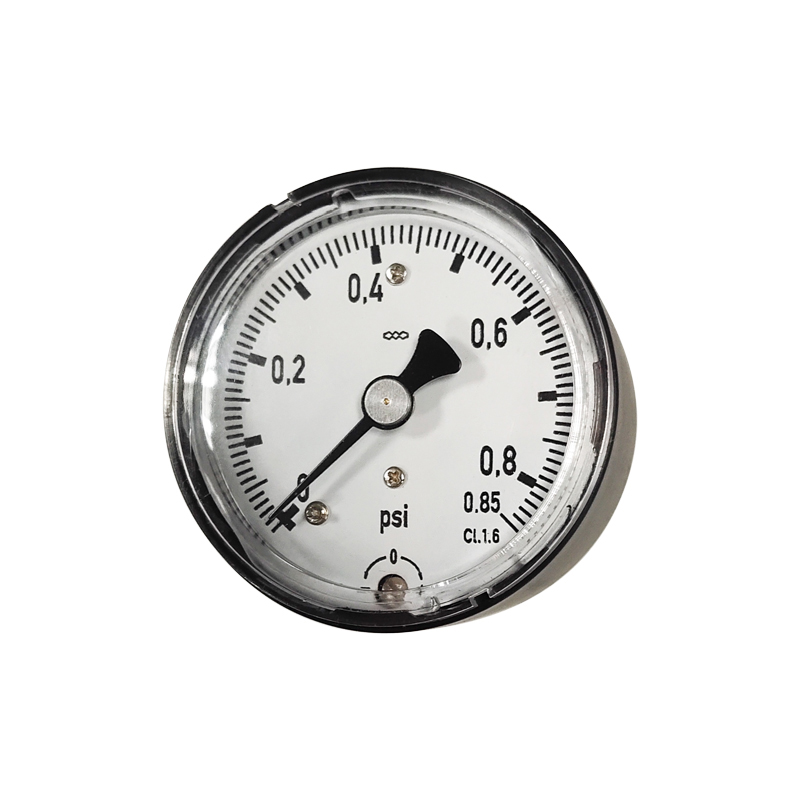
Tire pressure gauges are critical instruments used to assess and maintain the air pressure within pneumatic tires. Their function is fundamental to vehicle safety, fuel efficiency, and tire longevity, spanning automotive, aviation, cycling, and heavy machinery applications. These gauges are classified broadly into analog (dial) and digital types, each utilizing different principles to translate pressure into a readable value. Analog gauges typically employ a Bourdon tube, a curved metal tube that straightens proportionally to pressure, while digital gauges often utilize strain gauges or piezoelectric sensors. Accurate tire pressure is crucial as under-inflation leads to increased rolling resistance, fuel consumption, and tire wear, while over-inflation reduces ride comfort and can contribute to uneven wear patterns and potential tire failure. This guide provides a comprehensive technical overview of tire pressure gauge operation, material science, performance characteristics, failure modes, and relevant industry standards.
Material Science & Manufacturing
The core materials used in tire pressure gauge construction are dictated by the required precision, durability, and cost considerations. Bourdon tubes in analog gauges are typically manufactured from beryllium copper alloy, brass, or spring steel. Beryllium copper offers superior elasticity and corrosion resistance, essential for maintaining accuracy over repeated cycles. Digital gauges rely heavily on silicon-based strain gauges, bonded to a substrate material like aluminum or stainless steel. The housings of both analog and digital gauges are commonly constructed from ABS plastic, polypropylene, or aluminum. Manufacturing processes vary significantly. Bourdon tube fabrication involves cold forming, heat treatment, and precision calibration. Strain gauge manufacturing requires semiconductor processing and meticulous bonding techniques. Digital gauge assembly incorporates surface mount technology (SMT) for electronic component placement and automated testing. Critical parameters during manufacturing include heat treatment temperatures for metal components, bonding agent viscosity for strain gauges, and calibration procedures using NIST-traceable pressure standards. Quality control utilizes statistical process control (SPC) to monitor dimensional accuracy, gauge linearity, and hysteresis.

Performance & Engineering
Tire pressure gauge performance is evaluated based on several key engineering parameters. Accuracy, typically expressed as a percentage of full scale (FS), is paramount. Higher accuracy requires tighter manufacturing tolerances and more sophisticated calibration procedures. Repeatability refers to the gauge's ability to consistently display the same pressure reading under identical conditions. Hysteresis, the difference in readings when approaching the same pressure from increasing or decreasing directions, is another critical factor. Response time, the speed at which the gauge displays a stable reading, is important for efficient tire maintenance. Environmental resistance is also crucial; gauges must withstand temperature fluctuations, humidity, and potential exposure to automotive fluids. Force analysis involves understanding the stress distribution within the Bourdon tube or strain gauge during pressure application. Compliance requirements vary by region and application, encompassing standards related to metrology, safety, and material compatibility. For example, aviation gauges are subject to stringent FAA regulations regarding accuracy and traceability. The selection of appropriate materials and manufacturing processes is dictated by these performance and engineering considerations.
Technical Specifications
| Parameter | Analog Gauge (Typical) | Digital Gauge (Typical) | Unit |
|---|---|---|---|
| Pressure Range | 0-60 PSI | 0-100 PSI | PSI |
| Accuracy | ± 2% FS | ± 0.5% FS | % |
| Resolution | 1 PSI | 0.1 PSI | PSI |
| Operating Temperature | -20 to 60 °C | -10 to 50 °C | °C |
| Housing Material | ABS Plastic | ABS Plastic | - |
| Bourdon Tube Material/Sensor Type | Beryllium Copper | Silicon Strain Gauge | - |
Failure Mode & Maintenance
Tire pressure gauges are susceptible to several failure modes. Analog gauges can experience Bourdon tube fatigue cracking due to repeated stress cycles, leading to inaccurate readings. Corrosion of the Bourdon tube, particularly in humid environments, can also affect accuracy. Digital gauges can fail due to strain gauge delamination, electronic component malfunction, or battery depletion. LCD screen failure is also common in digital models. Common maintenance practices include regular calibration against a certified pressure standard. Visual inspection for physical damage, such as cracks in the housing or bent Bourdon tubes, is crucial. For digital gauges, battery replacement and ensuring proper sensor connections are essential. Avoid dropping the gauge, as this can damage the internal components. If accuracy is questionable, the gauge should be discarded or professionally repaired. Preventative measures include storing the gauge in a clean, dry environment and avoiding exposure to extreme temperatures or corrosive substances. Long-term exposure to UV radiation can also degrade plastic housing materials.
Industry FAQ
Q: What is the impact of temperature on tire pressure gauge accuracy?
A: Temperature significantly affects the accuracy of tire pressure gauges. For analog gauges, temperature changes can alter the elasticity of the Bourdon tube, leading to drift in readings. Digital gauges are generally less susceptible to temperature effects, but the electronic components and sensors can still exhibit some temperature sensitivity. Calibration should ideally be performed at the intended operating temperature.
Q: How often should a tire pressure gauge be calibrated?
A: The recommended calibration frequency depends on usage and application. For professional automotive shops or aviation maintenance, calibration should be performed at least annually, or more frequently if the gauge is used heavily. For personal use, calibration every two years is generally sufficient, but it’s prudent to recalibrate if accuracy is suspected.
Q: What is the difference between PSI, BAR, and kPa units?
A: PSI (pounds per square inch) is a customary unit of pressure commonly used in the United States. BAR is a metric unit of pressure, equal to 100,000 Pascals. kPa (kilopascals) is another metric unit of pressure, where 1 bar equals 100 kPa. Conversion factors are readily available online and within gauge documentation.
Q: Are digital tire pressure gauges inherently more accurate than analog gauges?
A: Not necessarily. While digital gauges can offer higher accuracy due to advanced sensor technology, the overall accuracy depends on the quality of the components, calibration, and manufacturing tolerances. A well-calibrated, high-quality analog gauge can be just as accurate as a low-end digital gauge.
Q: What are the common causes of inconsistent readings from a tire pressure gauge?
A: Inconsistent readings can be caused by several factors, including leaks in the gauge itself, a faulty sensor (digital gauges), a damaged Bourdon tube (analog gauges), improper sealing against the tire valve stem, or low battery power (digital gauges). Ensuring a tight seal and regular calibration are crucial.
Conclusion
Tire pressure gauges represent a critical interface between tire technology and vehicle performance. Accurate and reliable pressure measurement is fundamental for ensuring safety, optimizing fuel efficiency, and maximizing tire lifespan. The selection of an appropriate gauge depends on the specific application, desired accuracy, and budget considerations. Understanding the underlying material science, manufacturing processes, and potential failure modes allows for informed selection, proper maintenance, and prolonged operational life.
Ongoing advancements in sensor technology and digital calibration techniques are poised to further enhance the accuracy and reliability of tire pressure gauges. Future trends may include integration with vehicle telematics systems for real-time pressure monitoring and automated alerts, contributing to proactive tire maintenance and improved vehicle safety. Adherence to established industry standards and rigorous quality control measures will remain paramount in ensuring the continued performance of these essential tools.
 English
  Arabic
  China
China  China (Taiwan)
  Danish
  Dutch
Dutch  French
  German
  Greek
Greek  Hindi
Hindi  Indonesian
  Italian
  Japanese
  Korean
  Latin
Latin  Polish
  Portuguese
  Russian
  Spanish
  Turkish