
Apr . 01, 2024 17:55 Back to list
Tire Pressure Gauge how to reset tire pressure gauge Performance Analysis
Introduction
Tire pressure gauges are critical instruments in vehicle maintenance and safety, ensuring optimal tire performance, fuel efficiency, and preventing premature wear. These gauges, available in both digital and analog forms, measure the pressure of air within a tire, expressed in pounds per square inch (PSI), bar, or kilopascals (kPa). While typically reliable, periodic recalibration or resetting is essential to maintain accuracy, particularly after exposure to significant temperature fluctuations, physical shock, or prolonged use. This technical guide details the procedures, underlying principles, and potential issues surrounding the resetting of tire pressure gauges, providing a comprehensive understanding for automotive technicians, fleet managers, and informed vehicle owners. The accuracy of a tire pressure gauge directly correlates with vehicle safety systems such as Tire Pressure Monitoring Systems (TPMS), making precise calibration non-negotiable. This document will cover resetting procedures for both mechanical and digital gauges, acknowledging the differing methodologies involved.
Material Science & Manufacturing
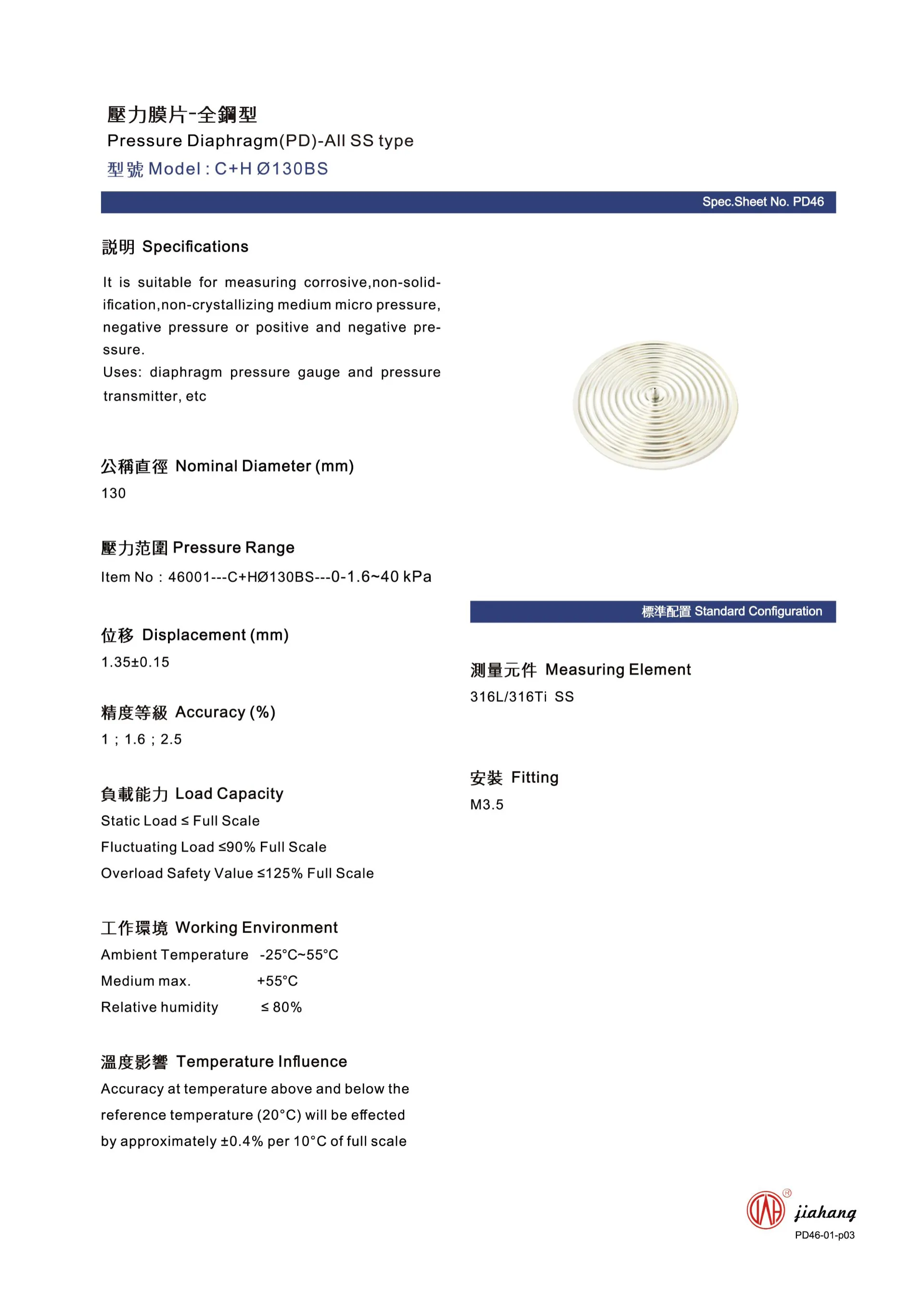
The construction of tire pressure gauges utilizes a range of materials, each selected for specific properties. Analog gauges typically employ a Bourdon tube, crafted from alloy steel (commonly beryllium copper or spring steel), known for its elasticity and ability to deform predictably under pressure. The manufacturing process involves cold drawing the steel into a curved tube, heat treatment to establish the desired spring characteristics, and precise calibration against a known pressure standard. Digital gauges, conversely, rely on piezoresistive pressure sensors, often fabricated from silicon. These sensors exhibit a change in electrical resistance proportional to applied pressure. Silicon's sensitivity, coupled with microfabrication techniques like photolithography and etching, allows for miniaturization and high accuracy. The sensor is integrated with an analog-to-digital converter (ADC) and a microcontroller for signal processing and display. Both analog and digital gauges incorporate housing materials like ABS plastic or aluminum for durability and protection. The critical manufacturing parameter for analog gauges is the precise coiling and heat treatment of the Bourdon tube, impacting linearity and hysteresis. For digital gauges, sensor calibration, ADC resolution, and temperature compensation circuits are paramount for accuracy.
Performance & Engineering
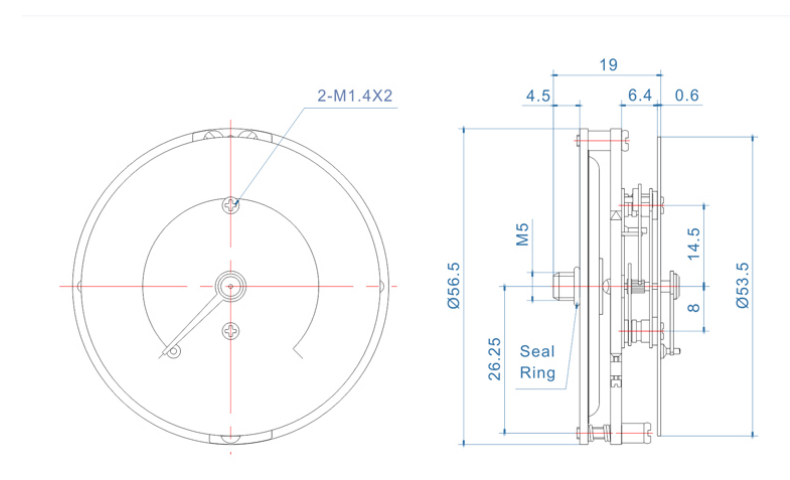
The performance of a tire pressure gauge is dictated by its accuracy, repeatability, and linearity. Accuracy refers to the degree to which the reading matches the actual tire pressure. Repeatability assesses the consistency of readings under identical conditions. Linearity quantifies how uniformly the gauge responds across its entire pressure range. Engineering considerations involve minimizing hysteresis – the difference in readings between increasing and decreasing pressure. Analog gauges are susceptible to hysteresis due to the plastic deformation of the Bourdon tube over time. Digital gauges leverage digital signal processing to mitigate this effect through calibration algorithms. Environmental factors play a significant role; temperature fluctuations can affect both the Bourdon tube's elasticity and the silicon sensor's characteristics. Therefore, temperature compensation circuitry is crucial in digital gauges. Force analysis centers on understanding the stresses induced within the Bourdon tube or the piezoresistive sensor, ensuring structural integrity and preventing failure. Compliance requirements, such as those stipulated by the National Institute of Standards and Technology (NIST), mandate traceable calibration and adherence to specified accuracy tolerances. The operating principle behind resetting relies on either mechanically adjusting the analog gauge's linkage or electronically recalibrating the digital gauge’s sensor reading against a known standard.
Technical Specifications
| Gauge Type | Pressure Range (PSI) | Accuracy (PSI) | Resolution (PSI) |
|---|---|---|---|
| Digital | 0-60 | ±0.5 | 0.1 |
| Digital | 0-100 | ±1.0 | 0.1 |
| Analog (Piston Type) | 0-60 | ±2.0 | 1.0 |
| Analog (Bourdon Tube) | 0-100 | ±2.5 | 1.0 |
| Digital (Heavy Duty) | 0-150 | ±1.5 | 0.1 |
| Analog (Stick Type) | 0-50 | ±3.0 | 1.0 |
Failure Mode & Maintenance
Failure modes in tire pressure gauges can stem from several sources. Analog gauges are prone to Bourdon tube fatigue, leading to drift and inaccurate readings. Corrosion within the mechanism can also hinder movement and accuracy. Digital gauges can experience sensor drift, ADC malfunction, or display errors. Battery depletion is a common issue. Physical shock, such as dropping the gauge, can damage the sensor or internal circuitry. Fatigue cracking in the Bourdon tube is a common failure point, particularly after repeated high-pressure cycles. Delamination of the sensor's protective coating (in digital gauges) can compromise its functionality. Oxidation of electrical contacts can lead to intermittent readings. Maintenance for analog gauges involves periodic lubrication of the mechanism and careful handling to avoid physical shock. For digital gauges, regular battery replacement, protection from extreme temperatures and moisture, and avoiding excessive impact are crucial. Recalibration against a traceable standard (e.g., using a calibrated pressure controller) is recommended annually, or more frequently in high-use applications. If a digital gauge consistently displays erroneous readings after battery replacement, the sensor or ADC likely requires replacement. Resetting, while not a maintenance procedure, confirms the gauge is interpreting the sensor reading correctly.
Industry FAQ
Q: What is the proper procedure for resetting a digital tire pressure gauge?
A: The reset procedure for digital gauges varies by manufacturer. Typically, it involves pressing and holding the 'ON/OFF' button for 5-10 seconds until the display indicates a reset or calibration mode. Some gauges require cycling the power on and off three times rapidly. Consult the gauge’s user manual for the specific reset sequence. After resetting, verify accuracy against a known pressure standard.
Q: Can an analog tire pressure gauge be ‘reset,’ or only adjusted?
A: Analog gauges generally cannot be ‘reset’ in the same way as digital gauges. Instead, they can be mechanically adjusted. This typically involves carefully bending the linkage connecting the Bourdon tube to the needle, but this is a highly specialized procedure best left to calibration technicians. Improper adjustment can severely compromise accuracy. It is generally more cost-effective to replace an inaccurate analog gauge.
Q: How often should a tire pressure gauge be recalibrated?
A: Recalibration should be performed at least annually, or more frequently for gauges used in commercial applications or subjected to harsh conditions. Recalibration ensures adherence to accuracy standards and maintains the reliability of tire pressure readings.
Q: What causes a digital tire pressure gauge to lose calibration?
A: Several factors can cause calibration drift in digital gauges, including temperature extremes, physical shock, exposure to corrosive chemicals, and natural aging of the sensor. Repeated exposure to high pressures can also contribute to sensor drift.
Q: Is it possible to self-calibrate a tire pressure gauge accurately?
A: While some digital gauges have user-calibration modes, achieving accurate self-calibration requires access to a calibrated pressure standard – a pressure controller or a certified reference gauge. Without a traceable reference, self-calibration may not yield reliable results and could introduce further errors.
Conclusion
Maintaining accurate tire pressure is paramount for vehicle safety, fuel efficiency, and tire longevity. Tire pressure gauges, despite their simplicity, are precision instruments requiring periodic attention and, potentially, recalibration. Understanding the material science, manufacturing processes, and potential failure modes is crucial for informed selection, proper use, and effective maintenance. The difference between resetting and recalibrating is fundamental; resetting addresses minor electronic anomalies, while recalibration ensures adherence to traceable accuracy standards.
Ultimately, the choice between analog and digital gauges depends on specific application requirements and budget constraints. However, regardless of the type, consistent monitoring of accuracy and adherence to recommended maintenance practices will ensure reliable performance and contribute to overall vehicle safety and operational efficiency.
 English
  Arabic
  China
China  China (Taiwan)
  Danish
  Dutch
Dutch  French
  German
  Greek
Greek  Hindi
Hindi  Indonesian
  Italian
  Japanese
  Korean
  Latin
Latin  Polish
  Portuguese
  Russian
  Spanish
  Turkish