
Apr . 01, 2024 17:55 Back to list
Tire Pressure Gauge what is a good tire pressure gauge Performance Analysis
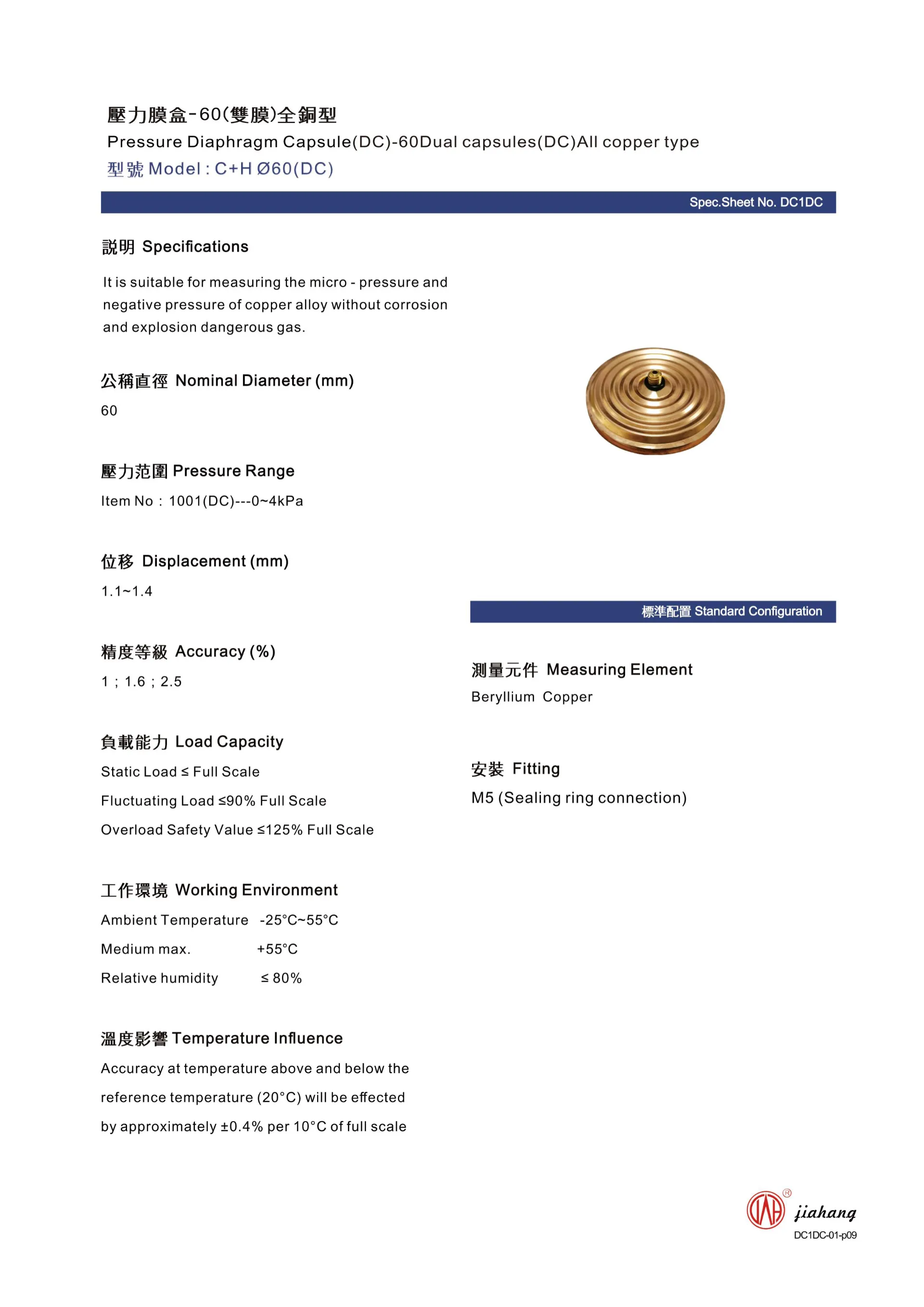
Introduction
A tire pressure gauge is an instrument used to measure the air pressure within pneumatic tires. Its technical position within the automotive maintenance chain is foundational; accurate tire pressure directly impacts vehicle safety, fuel efficiency, tire lifespan, and handling characteristics. Gauges range in complexity from simple, analog mechanical designs to sophisticated digital models with integrated data logging. Core performance metrics center around accuracy (deviation from a known standard), repeatability (consistency of readings), resolution (smallest discernible pressure increment), and durability. Underinflation leads to increased rolling resistance, reduced fuel economy, and accelerated tire wear. Overinflation compromises ride comfort and can lead to uneven wear patterns and potential tire failure. The selection of an appropriate gauge is therefore critical, with the level of precision required dependent upon the application – from passenger vehicles to heavy-duty commercial trucks and motorsport applications. A 'good' tire pressure gauge delivers consistently accurate readings within a defined tolerance, provides clear and unambiguous pressure indication, and exhibits robust construction for sustained performance in demanding environments.
Material Science & Manufacturing
The construction of tire pressure gauges involves several material science considerations. Analog gauges typically utilize a Bourdon tube – a curved, flattened tube that straightens proportionally to the internal pressure. These tubes are commonly manufactured from beryllium copper or steel alloys, selected for their elastic properties, corrosion resistance, and ability to withstand cyclical stress. The manufacturing process involves precision forming, heat treatment to optimize spring characteristics, and careful calibration. Digital gauges employ pressure sensors, frequently based on piezoresistive or capacitive technology. Piezoresistive sensors utilize the change in electrical resistance of a semiconductor material (typically silicon) under applied pressure. Capacitive sensors measure the change in capacitance between two plates due to diaphragm deflection caused by pressure. The housings of gauges are often constructed from ABS plastic, aluminum, or stainless steel for durability and protection of internal components. Manufacturing processes include injection molding for plastic housings, CNC machining for metal components, and automated assembly lines. Calibration is a critical step, employing NIST-traceable pressure standards to ensure accuracy. The accuracy of the gauge is profoundly influenced by the material properties of the sensing element, the precision of the manufacturing processes, and the effectiveness of the calibration procedure. The selection of sealing materials (e.g., nitrile rubber, Viton) for the gauge head is vital for maintaining pressure integrity and preventing leaks, considering compatibility with various tire inflation gases (nitrogen, compressed air).
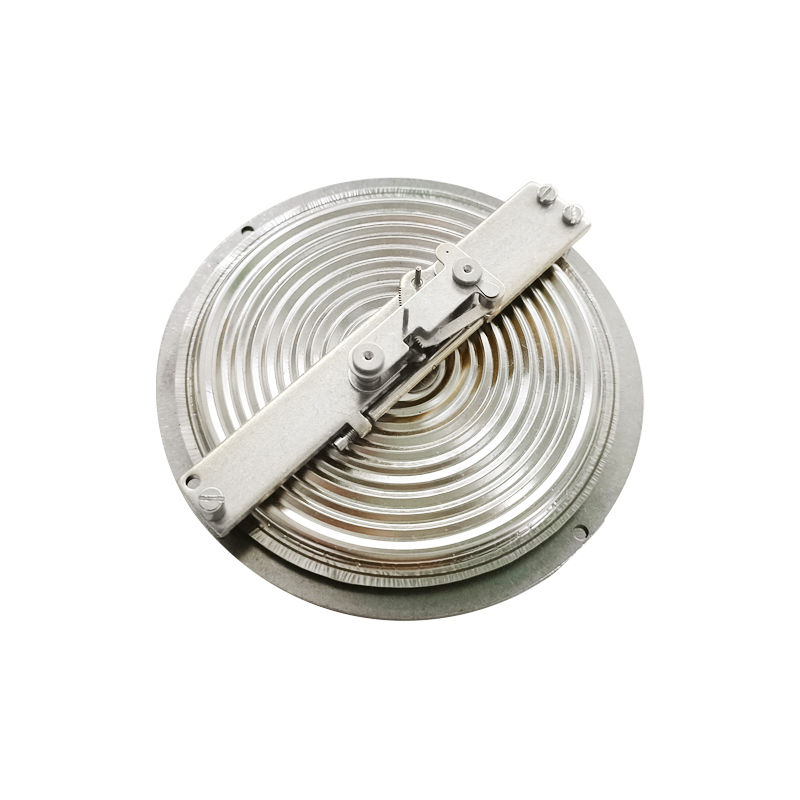
Performance & Engineering
The performance of a tire pressure gauge is deeply rooted in engineering principles related to pressure measurement, materials science, and dimensional metrology. Force analysis centers on the relationship between applied pressure, the area of the sensing element (Bourdon tube or sensor diaphragm), and the resulting force. This force is translated into a measurable signal – either mechanical displacement in analog gauges or electrical change in digital gauges. Environmental resistance is crucial; gauges must maintain accuracy across a wide temperature range (-40°C to 85°C is common) and resist the effects of humidity, dust, and vibration. Compliance requirements are driven by industry standards (see Section 7). Accuracy is typically specified as a percentage of full scale (%FS) or as a maximum error in PSI or Bar. For example, a gauge with an accuracy of ±2%FS on a 100 PSI scale would have a maximum error of ±2 PSI. Digital gauges often incorporate signal conditioning circuitry to amplify, filter, and linearize the sensor output. Display resolution impacts the readability of the gauge; higher resolution allows for more precise pressure readings. The chuck (the portion that interfaces with the tire valve stem) design is critical to prevent air leakage and ensure a secure seal. Materials selection for the chuck must consider compatibility with valve stem materials and resistance to corrosion. Fatigue life is a significant concern, particularly for gauges subjected to repeated use. The Bourdon tube in analog gauges is susceptible to fatigue cracking over time, necessitating regular calibration and eventual replacement.
Technical Specifications
| Gauge Type | Pressure Range (PSI) | Accuracy (%FS) | Resolution (PSI) |
|---|---|---|---|
| Analog, Bourdon Tube | 0-60 | ±3% | 1 |
| Analog, Bourdon Tube | 0-100 | ±2% | 2 |
| Digital, Piezoresistive | 0-50 | ±0.5% | 0.1 |
| Digital, Piezoresistive | 0-150 | ±0.3% | 0.1 |
| Digital, Capacitive | 0-200 | ±0.2% | 0.01 |
| Heavy Duty Analog | 0-200 | ±1.5% | 2 |
Failure Mode & Maintenance
Tire pressure gauges are subject to various failure modes. Analog gauges frequently experience Bourdon tube fatigue cracking, leading to inaccurate readings and eventual gauge failure. This is exacerbated by over-pressurization or repeated exposure to vibration. Digital gauges can fail due to sensor drift, corrosion of electrical contacts, battery depletion, or damage to the display. LCD displays are susceptible to fading or cracking over time. A common failure mode is air leakage around the chuck, caused by worn or damaged seals. Another concern is calibration drift, where the gauge's accuracy degrades over time due to temperature fluctuations, mechanical stress, or component aging. Maintenance is crucial for ensuring reliable performance. Regular calibration against a NIST-traceable standard is recommended (at least annually for professional use). Avoid dropping or subjecting the gauge to excessive impact. Store the gauge in a clean, dry environment. For analog gauges, periodically inspect the Bourdon tube for signs of cracking or deformation. For digital gauges, replace the batteries as needed and clean the electrical contacts. If air leakage is detected, replace the chuck seal. If the gauge consistently provides inaccurate readings even after calibration, it should be replaced. Prevention of corrosion, particularly in humid environments, is crucial. Periodic cleaning and the application of a corrosion inhibitor can extend the gauge's lifespan.
Industry FAQ
Q: What is the difference between a pencil-type gauge and a digital gauge in terms of accuracy?
A: Pencil-type (analog) gauges are generally less accurate than digital gauges. They rely on a mechanical Bourdon tube and visual reading, introducing potential for parallax error and manufacturing tolerances. Typically, pencil gauges have an accuracy of ±2-3% of full scale, while digital gauges, leveraging piezoresistive or capacitive sensors, can achieve accuracies of ±0.2-0.5% of full scale. Digital gauges also offer improved resolution and often include features like automatic shut-off and unit conversion.
Q: How often should a tire pressure gauge be calibrated?
A: Calibration frequency depends on usage and application. For casual, personal use, annual calibration is recommended. For professional automotive technicians, fleet maintenance personnel, or motorsport applications, calibration should be performed at least every six months, or even more frequently if the gauge is subjected to harsh conditions or heavy use. Calibration should be traceable to NIST standards.
Q: What impact does temperature have on tire pressure gauge accuracy?
A: Temperature affects both the gauge itself and the tire pressure being measured. Extreme temperatures can cause the gauge’s internal components to expand or contract, leading to calibration drift. Additionally, tire pressure changes with temperature – it decreases as temperature drops and increases as temperature rises. High-quality digital gauges often incorporate temperature compensation to mitigate these effects.
Q: What materials are best for a gauge chuck to ensure longevity and prevent damage to valve stems?
A: Chucks constructed from stainless steel or brass are generally preferred for their durability and corrosion resistance. The chuck should also incorporate a rubber boot or sealing material (e.g., nitrile rubber, EPDM) to create a tight seal on the valve stem and prevent air leakage. Avoid chucks made from brittle plastics that could crack or damage the valve stem.
Q: What does "%FS" mean when looking at a gauge’s accuracy specification?
A: "%FS" stands for "Percent of Full Scale." It indicates the maximum allowable error as a percentage of the gauge's highest measurable pressure. For example, a gauge with an accuracy of ±1%FS on a 100 PSI scale means the reading could be off by ±1 PSI at any point within the 0-100 PSI range.
Conclusion
Selecting a ‘good’ tire pressure gauge necessitates a clear understanding of the underlying principles of pressure measurement, material science, and the specific application requirements. Analog gauges offer simplicity and affordability, while digital gauges provide superior accuracy, resolution, and features. Regular calibration and proper maintenance are paramount for ensuring reliable performance and extending the gauge’s lifespan. Ignoring accurate tire pressure maintenance can result in compromised safety, reduced fuel efficiency, and accelerated tire wear.
The future of tire pressure measurement will likely involve increasingly sophisticated digital gauges with wireless connectivity, integration with vehicle monitoring systems, and advanced data analytics capabilities. The trend towards electric vehicles and low-rolling-resistance tires will further emphasize the importance of precise tire pressure control. Continuous improvement in sensor technology and calibration techniques will drive even higher levels of accuracy and reliability in tire pressure gauges, contributing to safer and more efficient transportation.
 English
  Arabic
  China
China  China (Taiwan)
  Danish
  Dutch
Dutch  French
  German
  Greek
Greek  Hindi
Hindi  Indonesian
  Italian
  Japanese
  Korean
  Latin
Latin  Polish
  Portuguese
  Russian
  Spanish
  Turkish