
Apr . 01, 2024 17:55 Back to list
Tire Pressure Gauge where can i buy a tire pressure gauge Performance Analysis
Introduction
A tire pressure gauge is a critical instrument for vehicle maintenance, ensuring optimal tire performance, safety, and fuel efficiency. While seemingly simple, its functionality relies on precise engineering and adherence to stringent standards. The gauge’s primary role is to measure the air pressure within a pneumatic tire, expressed in pounds per square inch (PSI), kilopascals (kPa), or bar. Accurate tire pressure is vital for preventing premature wear, reducing rolling resistance (improving MPG), and minimizing the risk of tire failure – including blowouts. The market for these gauges spans a wide spectrum, ranging from basic mechanical stick gauges to sophisticated digital models incorporating features like automatic shut-off, backlit displays, and memory functions. Procurement sources include automotive parts retailers, online marketplaces, hardware stores, and specialized industrial supply companies. Understanding the intricacies of gauge construction, measurement principles, and calibration protocols is paramount for informed purchasing decisions and consistent, reliable performance. This guide provides a comprehensive overview, encompassing material science, manufacturing processes, performance characteristics, failure modes, and relevant industry standards.
Material Science & Manufacturing
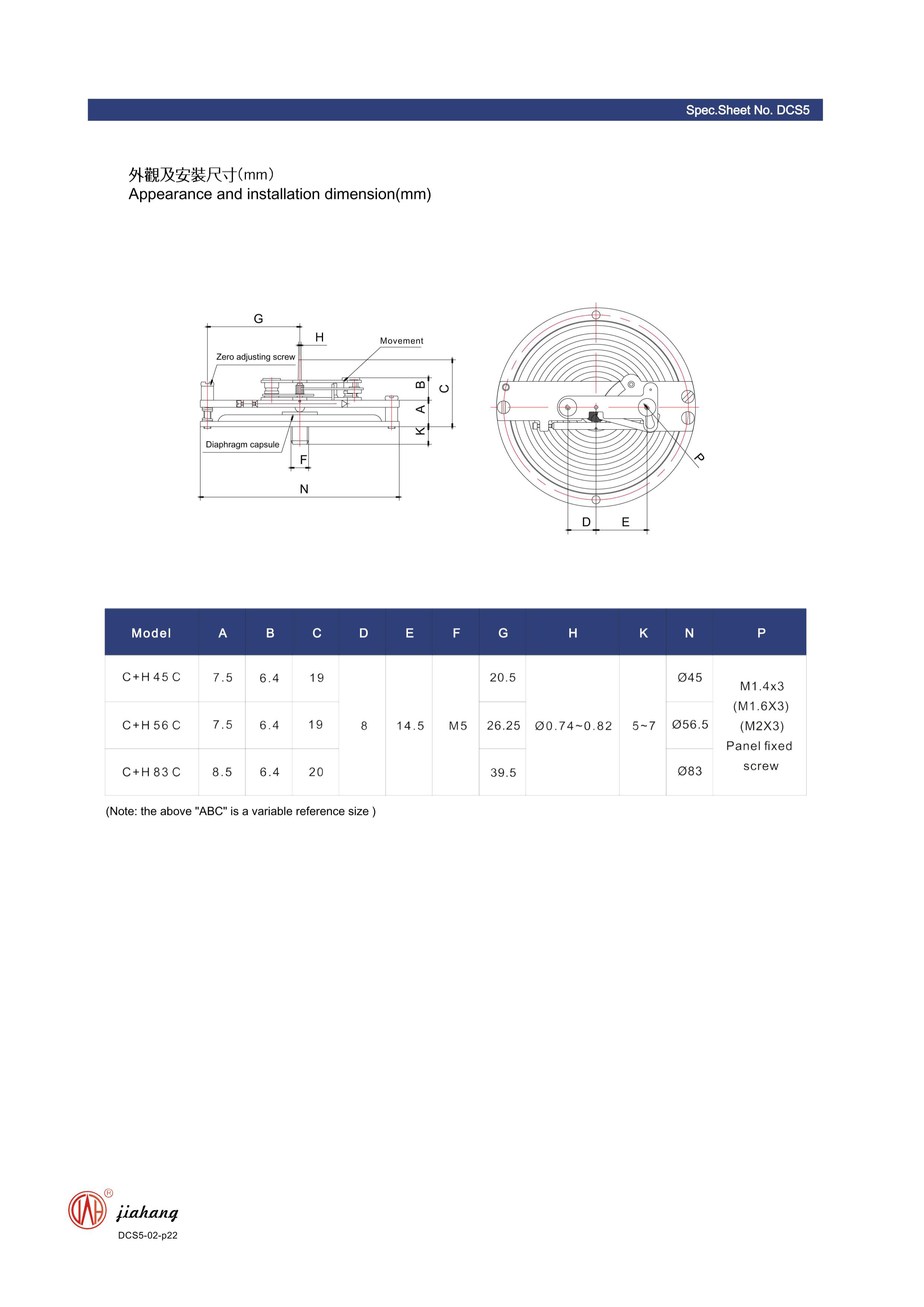
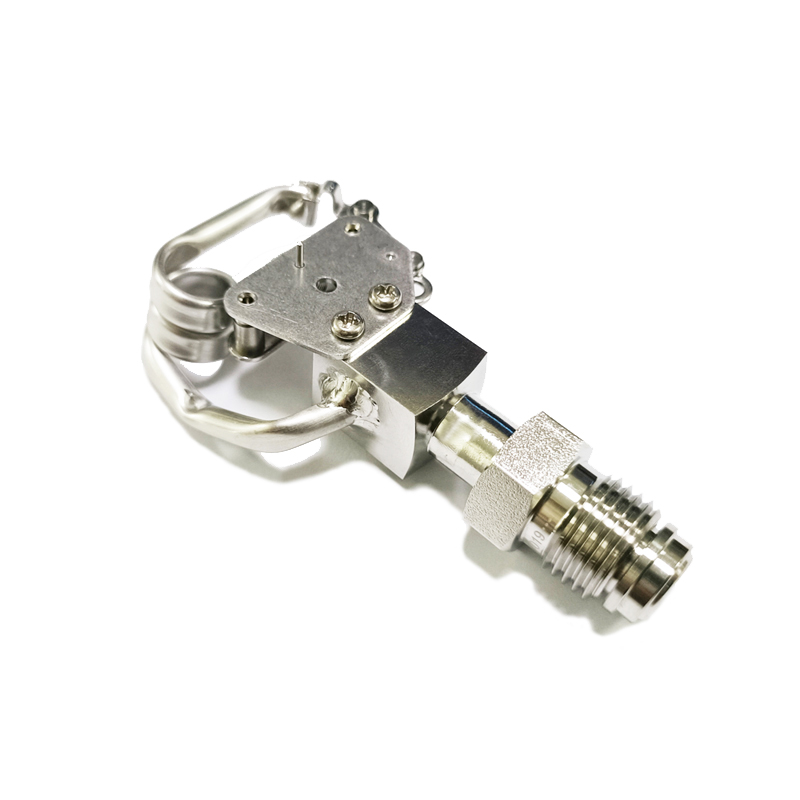
The construction of a tire pressure gauge utilizes a variety of materials, each selected for specific properties. The gauge body is commonly manufactured from stainless steel (304 or 316 grades) for corrosion resistance and durability, or from reinforced polymers like ABS plastic for lower-cost applications. The sensing element, crucial for accurate measurement, typically incorporates a Bourdon tube (in mechanical gauges) or a piezoresistive sensor (in digital gauges). Bourdon tubes are fabricated from beryllium copper or spring steel, chosen for their high elasticity and resilience. Piezoresistive sensors utilize silicon-based microelectromechanical systems (MEMS) due to silicon’s sensitivity to stress and its suitability for miniaturization. The gauge face, if present, is generally acrylic or polycarbonate for clarity and impact resistance. Manufacturing processes vary depending on gauge type. Mechanical gauges involve precise forming and welding of the Bourdon tube, followed by assembly with the gauge movement and casing. Digital gauges involve MEMS sensor fabrication via photolithography and etching, followed by signal conditioning circuitry, LCD display integration, and plastic housing molding. Critical parameters controlled during manufacturing include Bourdon tube annealing temperature (to optimize elasticity), sensor calibration (using NIST-traceable standards), and housing seal integrity (to prevent environmental ingress). The rubber boot covering some gauges is typically EPDM, chosen for its resistance to ozone, weathering, and abrasion.
Performance & Engineering
The performance of a tire pressure gauge is dictated by several engineering considerations. Accuracy is paramount, typically specified as a percentage of full scale (e.g., ±2%). This accuracy is affected by temperature variations, hysteresis (the difference in readings during pressurization and depressurization), and linearity (the consistency of readings across the pressure range). Force analysis centers around the stresses within the Bourdon tube or the MEMS sensor element under pressure. These stresses are directly proportional to the applied pressure and are converted into a readable output. Environmental resistance is a key factor, with gauges needing to withstand temperature fluctuations (-40°C to 85°C is common), humidity, and exposure to automotive fluids. Compliance requirements are often dictated by SAE J1926 standards for tire pressure gauges. Furthermore, ergonomic design is crucial for ease of use, including grip design, nozzle compatibility, and display readability. The gauge’s pressure relief valve, if equipped, must function reliably to prevent overpressure damage. Digital gauges incorporate analog-to-digital converters (ADCs) to translate the sensor signal into a digital reading. Signal processing algorithms are employed to filter noise and improve accuracy. The selection of battery type (e.g., lithium CR2032) and power management circuitry impact the gauge's lifespan and reliability.
Technical Specifications
| Parameter | Mechanical Stick Gauge | Digital Gauge (Basic) | Digital Gauge (Advanced) | Units |
|---|---|---|---|---|
| Pressure Range | 0-60 PSI | 0-100 PSI | 0-150 PSI | PSI |
| Accuracy | ±3% | ±1.5% | ±0.5% | % of Full Scale |
| Resolution | 1 PSI | 0.1 PSI | 0.01 PSI | PSI |
| Housing Material | Steel/Plastic | ABS Plastic | Stainless Steel/ABS | - |
| Display Type | Analog Dial | LCD | Backlit LCD | - |
| Operating Temperature | -20°C to 60°C | -10°C to 50°C | -20°C to 60°C | °C |
Failure Mode & Maintenance
Tire pressure gauges are susceptible to several failure modes. Mechanical gauges can experience Bourdon tube fatigue cracking due to repeated flexing, leading to inaccurate readings or complete failure. Leakage around the gauge movement can also occur, resulting in pressure loss and inaccurate readings. Digital gauges can suffer from sensor drift (loss of calibration over time), battery depletion, LCD display failure, and circuit board corrosion due to moisture ingress. Common causes of failure include physical impact (dropping the gauge), exposure to extreme temperatures, and contamination by corrosive fluids. Maintenance is relatively straightforward. For mechanical gauges, periodic calibration against a known pressure standard is recommended. For digital gauges, battery replacement is essential. Regular inspection for physical damage (cracks, leaks) is also important. Storage in a clean, dry environment can prevent corrosion. Avoid exposing gauges to extreme temperatures or harsh chemicals. If a gauge consistently provides inaccurate readings or exhibits signs of physical damage, it should be replaced. Proper handling and storage significantly extend the lifespan of the gauge. Avoid forcibly bending the Bourdon tube in mechanical gauges as this can permanently deform it.
Industry FAQ
Q: What is the difference between a mechanical and a digital tire pressure gauge in terms of long-term accuracy?
A: Mechanical gauges, while simpler, are more prone to accuracy drift over time due to Bourdon tube fatigue and wear. Digital gauges, while initially more expensive, maintain accuracy for longer periods if properly calibrated. However, digital gauges rely on battery power and electronic components which can fail, requiring replacement. Periodic calibration is vital for both types, but digital gauges typically hold calibration better between service intervals.
Q: How does temperature affect the readings of a tire pressure gauge?
A: Temperature directly impacts tire pressure. As temperature increases, tire pressure rises, and vice versa. Tire pressure gauges themselves can also be affected by temperature, leading to slight variations in readings. High-quality gauges are designed to compensate for temperature effects to a degree, but significant temperature swings can still introduce errors. It's best to check tire pressure when the tires are "cold" – before driving or after they’ve been sitting for several hours.
Q: What is the significance of the "Full Scale Accuracy" specification?
A: Full Scale Accuracy indicates the maximum permissible error across the entire range of the gauge. For example, a gauge with ±2% Full Scale Accuracy means that the reading could be off by up to 2% of the highest pressure reading on the gauge. A lower percentage indicates higher accuracy.
Q: What materials are most resistant to corrosion in tire pressure gauge construction?
A: Stainless steel (304 or 316 grades) offers excellent corrosion resistance and is commonly used for the gauge body and Bourdon tubes. For plastic components, ABS plastic provides good chemical resistance. Using gauges with sealed components, minimizing exposure to moisture and automotive fluids, further enhances corrosion protection.
Q: Are there industry standards for the calibration of tire pressure gauges?
A: Yes, SAE J1926 is a key industry standard that defines the requirements for tire pressure gauges, including accuracy, repeatability, and calibration procedures. NIST traceability is also crucial - calibration should be performed using equipment traceable to the National Institute of Standards and Technology.
Conclusion
The selection and utilization of a tire pressure gauge are far from trivial. A thorough understanding of the underlying material science, manufacturing processes, and performance characteristics is crucial for ensuring accurate measurements and optimal tire performance. From the elasticity of Bourdon tubes to the sensitivity of MEMS sensors, each component plays a vital role in achieving reliable results. Maintaining proper calibration and adhering to industry standards like SAE J1926 are essential for long-term accuracy and preventing potential safety hazards.
Future developments in tire pressure gauge technology may include more sophisticated sensor designs, wireless connectivity for real-time monitoring, and integration with vehicle tire pressure monitoring systems (TPMS). Continued focus on improving accuracy, durability, and user-friendliness will drive innovation in this critical automotive maintenance tool. Proper selection, careful handling, and regular maintenance remain the cornerstone of effective tire pressure management.
 English
  Arabic
  China
China  China (Taiwan)
  Danish
  Dutch
Dutch  French
  German
  Greek
Greek  Hindi
Hindi  Indonesian
  Italian
  Japanese
  Korean
  Latin
Latin  Polish
  Portuguese
  Russian
  Spanish
  Turkish