
Apr . 01, 2024 17:55 Back to list
Tire Pressure Gauges how to gauge tire pressure
Introduction
Tire pressure gauging is a critical element of vehicle maintenance and safety, impacting fuel efficiency, tire lifespan, and overall handling performance. While seemingly simple, accurate tire pressure management necessitates understanding the underlying physics of pneumatic systems, the material science of tire construction, and the metrological principles governing pressure measurement. This guide provides an in-depth examination of tire pressure gauging techniques, encompassing instrumentation, procedural best practices, and the implications of deviations from optimal pressure. The automotive industry chain positions tire pressure gauging as a final stage quality control check performed by both manufacturers and end-users, ensuring compliance with safety regulations and maximizing vehicle operational parameters. Core performance is evaluated by the precision of the gauge, the consistency of readings, and the ability to identify deviations impacting rolling resistance and structural integrity.
Material Science & Manufacturing
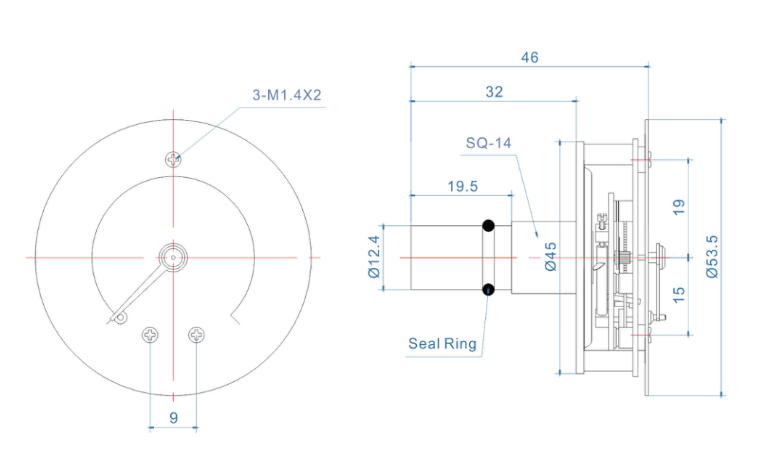
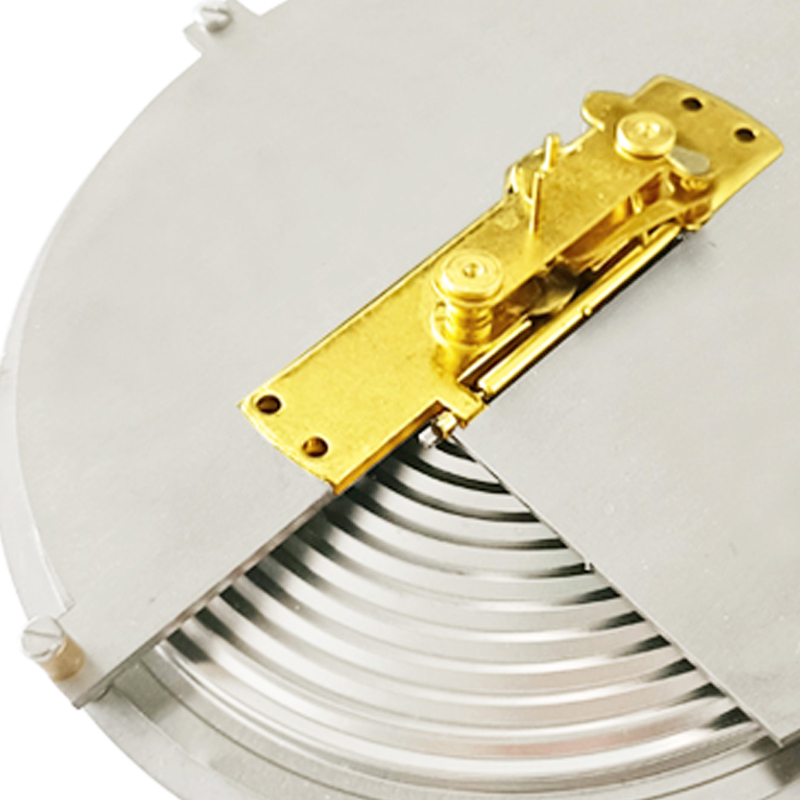
Tire pressure gauges rely on a variety of manufacturing processes and material properties. The core mechanism in most gauges – the Bourdon tube, digital sensor, or piston-cylinder arrangement – demands high-precision manufacturing. Bourdon tubes, typically constructed from beryllium copper or spring steel, exploit the principle of elastic deformation. Material selection is critical; beryllium copper offers excellent corrosion resistance and fatigue life, essential for repeated flexing. Digital gauges employ piezoresistive pressure sensors fabricated using micro-electromechanical systems (MEMS) technology. Silicon is the primary substrate, with doping processes establishing piezoresistive elements. Gauge housings are commonly manufactured from stainless steel or high-impact polymers like acrylonitrile butadiene styrene (ABS). ABS provides a balance of cost-effectiveness and durability. Manufacturing tolerances are paramount. For analog gauges, the precision of the Bourdon tube bending and welding processes directly influences accuracy. For digital gauges, calibration is key, requiring traceable standards and sophisticated algorithms to convert sensor resistance changes to pressure values. Sealants used within the gauge mechanism must exhibit chemical compatibility with the internal fluids and materials to prevent degradation and maintain long-term performance. The manufacturing of tire valves (Schrader or Presta) also directly impacts the gauging process. Valve core material (typically rubber) must maintain a tight seal under varying temperature and pressure conditions.
Performance & Engineering
The performance of a tire pressure gauge is governed by several engineering principles. Force analysis centers on the relationship between internal pressure, gauge deflection (in analog gauges), and electrical signal output (in digital gauges). Environmental resistance is a significant concern. Temperature fluctuations can affect the calibration of both analog and digital gauges. Extreme temperatures can alter the elasticity of Bourdon tubes and shift the zero point of sensors. Humidity can induce corrosion in metallic components and affect the dielectric properties of electronic circuits. Compliance requirements are dictated by national and international standards (detailed in the footer). These standards specify accuracy classes, test procedures, and safety requirements. Functional implementation involves the proper calibration of the gauge against a known pressure standard. Calibration procedures must account for linear error, hysteresis, and repeatability. The choice of units (PSI, kPa, BAR) must be clearly indicated and accurately displayed. Ergonomic design is also crucial, ensuring the gauge is comfortable to hold and easy to read in various lighting conditions. The design must minimize parallax error in analog gauges and ensure clear visibility of the digital display. Understanding the tire’s load capacity and recommended inflation range (found on the tire sidewall) is critical for accurate and safe operation. Overinflation increases rolling resistance and can lead to tire failure, while underinflation causes excessive heat buildup and uneven wear.
Technical Specifications
| Accuracy | Pressure Range | Resolution | Operating Temperature |
|---|---|---|---|
| ±1.5% of full scale | 30-50 PSI | 0.5 PSI | -10°C to 60°C (14°F to 140°F) |
| ±1.0% of full scale | 0-60 PSI | 0.1 PSI | -20°C to 80°C (-4°F to 176°F) |
| ±0.5% of full scale | 0-100 PSI | 0.1 PSI | 0°C to 50°C (32°F to 122°F) |
| ±2.0% of full scale | 0-30 PSI | 1 PSI | -5°C to 40°C (23°F to 104°F) |
| ±1.0% of reading + 0.5 PSI | 0-87 PSI | 0.1 PSI | -18°C to 65°C (0°F to 149°F) |
| ±1.5% of reading | 0-120 PSI | 0.1 PSI | -4°C to 50°C (25°F to 122°F) |
Failure Mode & Maintenance
Tire pressure gauges are susceptible to various failure modes. Fatigue cracking in Bourdon tubes is a common issue, particularly with frequent use and exposure to vibration. Delamination of the diaphragm in digital sensors can occur due to corrosion or material defects. Degradation of the rubber seal in the gauge's internal components can lead to pressure leaks and inaccurate readings. Oxidation of metallic parts can also contribute to inaccurate readings and eventual failure. A key failure mode with tire valves themselves is core degradation or failure, leading to slow leaks. Maintenance primarily focuses on calibration and protection from physical damage. Regular calibration against a traceable pressure standard is essential. Gauges should be stored in a clean, dry environment to prevent corrosion. Avoid dropping or subjecting the gauge to excessive impact. For digital gauges, replace batteries as needed. Periodically inspect the gauge for signs of physical damage, such as cracks or dents. If a gauge consistently provides inaccurate readings or exhibits signs of damage, it should be replaced. Valve cores should be checked for leaks using a soapy water solution and replaced if necessary. Proper storage and handling procedures can significantly extend the lifespan and reliability of the gauge.
Industry FAQ
Q: What is the acceptable tolerance for tire pressure readings?
A: The acceptable tolerance depends on the application. For passenger vehicles, a tolerance of ±2 PSI is generally considered acceptable. However, for high-performance vehicles or racing applications, a tighter tolerance of ±0.5 PSI may be required. Calibration should be performed annually or whenever accuracy is in doubt.
Q: How does temperature affect tire pressure readings?
A: Temperature directly impacts tire pressure. As temperature increases, tire pressure increases due to the expansion of the air inside the tire. Conversely, as temperature decreases, tire pressure decreases. It's best to check tire pressure when the tires are cold, meaning they haven't been driven on for at least three hours.
Q: What is the difference between a mechanical and a digital tire pressure gauge?
A: Mechanical gauges use a Bourdon tube to measure pressure, offering a visual analog reading. Digital gauges utilize electronic sensors to convert pressure into a digital display. Digital gauges generally offer higher accuracy and easier readability, while mechanical gauges are often more durable and require no batteries.
Q: What is the proper procedure for checking tire pressure?
A: Remove the valve cap, firmly press the gauge onto the valve stem until the hissing stops, and read the pressure. Repeat this process several times to ensure consistent readings. Add or release air as needed to reach the recommended pressure. Replace the valve cap securely.
Q: What safety precautions should be taken when checking tire pressure?
A: Always check tire pressure when the tires are cold. Avoid checking tire pressure immediately after driving, as the heat will affect the reading. Ensure the gauge is properly seated on the valve stem to prevent air leakage. Wear appropriate eye protection to shield against potential air bursts.
Conclusion
Accurate tire pressure gauging is foundational to vehicle safety, performance, and longevity. The selection of an appropriate gauge, understanding the material science underpinning its construction, and adhering to proper calibration and maintenance procedures are essential for ensuring reliable and consistent measurements. Deviations from recommended tire pressure can have significant consequences, ranging from reduced fuel efficiency to increased risk of tire failure.
Future advancements in tire pressure monitoring systems (TPMS) and sensor technology will likely further enhance the accuracy and convenience of tire pressure management. Integration of wireless communication capabilities and predictive analytics will enable proactive maintenance and optimize tire performance. Continued adherence to international standards and best practices will remain crucial for ensuring the safety and reliability of tire pressure gauging systems.
 English
  Arabic
  China
China  China (Taiwan)
  Danish
  Dutch
Dutch  French
  German
  Greek
Greek  Hindi
Hindi  Indonesian
  Italian
  Japanese
  Korean
  Latin
Latin  Polish
  Portuguese
  Russian
  Spanish
  Turkish