
Apr . 01, 2024 17:55 Back to list
Tyre Pressure Gauge how does a tyre pressure gauge work
Introduction
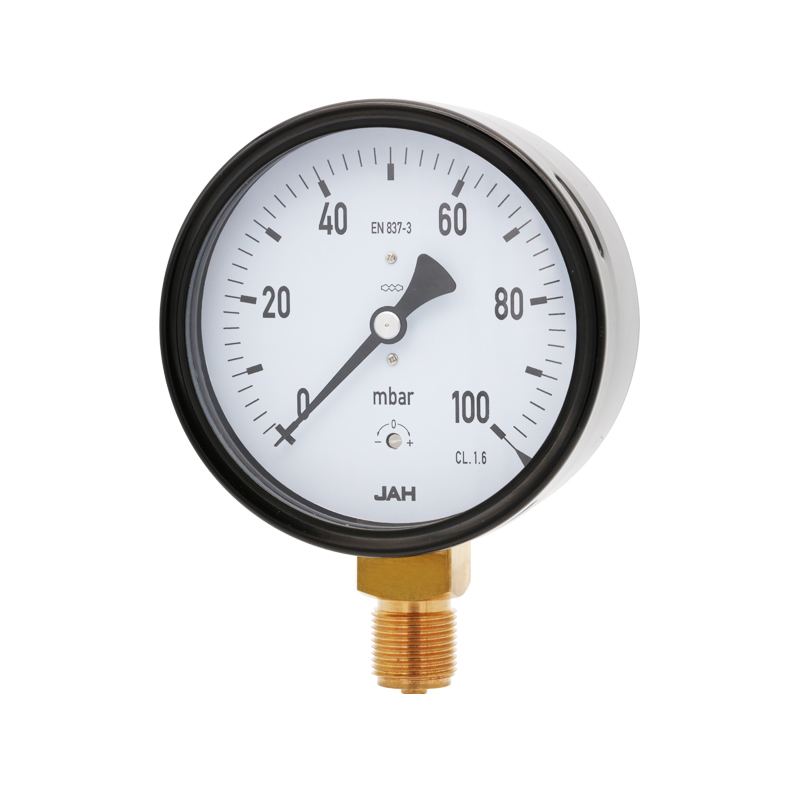
A tyre pressure gauge is a critical instrument used to measure the air pressure within pneumatic tires. Its primary function is to ensure tires are inflated to the vehicle manufacturer’s recommended specifications, impacting vehicle safety, fuel efficiency, and tire lifespan. Within the automotive maintenance industry chain, the gauge occupies a foundational position; inaccurate readings directly translate to compromised handling, increased rolling resistance (and thus, fuel consumption), and accelerated tire wear. Modern gauges range from simple mechanical designs to sophisticated digital models, each relying on fundamental principles of pneumatics and material science. Core performance characteristics include accuracy, repeatability, pressure range, and durability – parameters significantly influenced by the gauge’s internal construction and calibration procedures. The widespread adoption of Tyre Pressure Monitoring Systems (TPMS) hasn’t diminished the need for manual gauges, as they offer a reliable secondary check and are essential for verifying TPMS functionality.
Material Science & Manufacturing
The construction of a typical tyre pressure gauge relies on a selection of materials chosen for their elastic properties, corrosion resistance, and ability to withstand repeated stress. The gauge body is frequently constructed from stainless steel (304 or 316 grade), providing robust protection against environmental factors and mechanical damage. The Bourdon tube, the core sensing element in mechanical gauges, is typically made from alloy steel, specifically selected for its high yield strength and elastic modulus. This material undergoes a heat treatment process (annealing and tempering) to optimize its elasticity and prevent permanent deformation. Digital gauges incorporate piezoresistive pressure sensors, often utilizing silicon diaphragms. These diaphragms deflect under pressure, altering the electrical resistance of the silicon, a change proportional to the applied pressure. The housing for digital gauges may be constructed from ABS plastic or polycarbonate, providing impact resistance and lightweight characteristics. Manufacturing processes include tube forming (hydroforming or bending for Bourdon tubes), welding (for stainless steel housings), silicon wafer fabrication (for sensors), and plastic injection molding. Crucially, calibration involves applying known pressures and adjusting internal mechanisms to ensure accuracy within specified tolerances. Key parameter control includes maintaining precise tube dimensions, ensuring weld integrity, and controlling the doping levels in silicon sensors.
Performance & Engineering
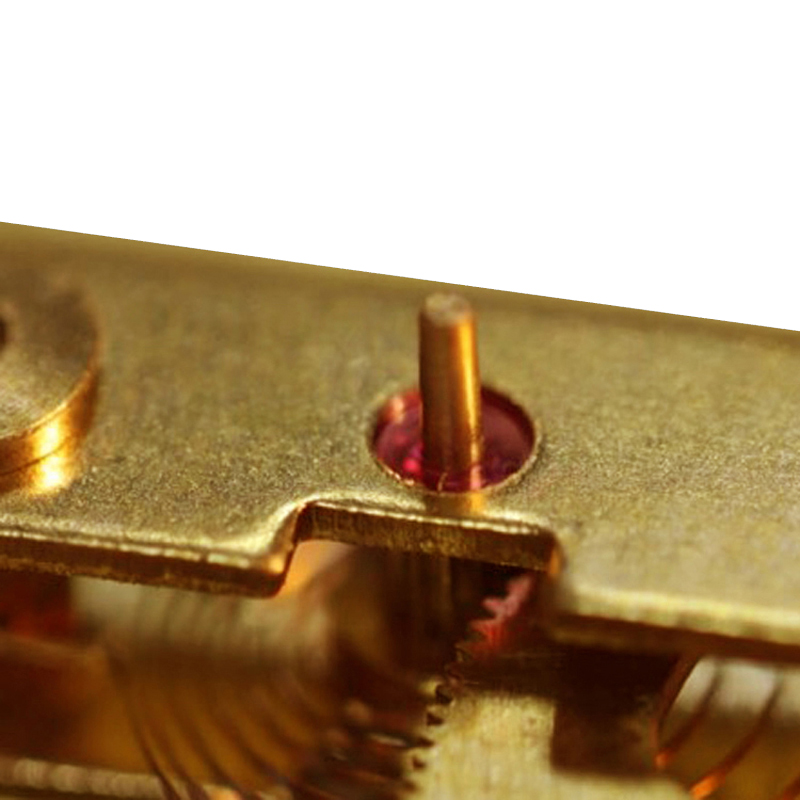
The functionality of a tyre pressure gauge is fundamentally governed by Pascal's Law, stating that pressure applied to a confined fluid is transmitted equally in all directions. In mechanical gauges, this principle is realized through the Bourdon tube. As pressure increases within the tube, it attempts to straighten, and this movement is mechanically linked to a geared mechanism that drives the pointer on the gauge’s dial. Force analysis reveals that the force exerted by the tube is proportional to the pressure multiplied by the cross-sectional area of the tube. Digital gauges leverage the piezoresistive effect; the deflection of the silicon diaphragm under pressure alters its resistance, generating a voltage signal that is amplified and converted into a digital readout. Environmental resistance is a critical performance characteristic. Gauges must operate reliably across a wide temperature range (-20°C to 60°C typically) and resist corrosion from moisture and road salts. Compliance requirements often mandate adherence to standards such as SAE J1926 (for automotive gauges) and EN 13063 (for motorcycle gauges), specifying accuracy classes and testing procedures. Engineering design considerations also include minimizing hysteresis (the difference in readings during increasing and decreasing pressure) and ensuring linearity of the pressure-to-reading conversion.
Technical Specifications
| Parameter | Mechanical Gauge | Digital Gauge | Accuracy (Typical) |
|---|---|---|---|
| Pressure Range | 0-60 PSI (0-4.14 bar) | 0-100 PSI (0-6.9 bar) | ±2% of full scale |
| Resolution | 1 PSI | 0.1 PSI | N/A |
| Operating Temperature | -20°C to 60°C | -10°C to 50°C | -10°C to 60°C (sensor dependent) |
| Construction Material (Body) | Stainless Steel | ABS Plastic/Polycarbonate | Stainless Steel/Aluminum Alloy |
| Sensing Element | Bourdon Tube (Alloy Steel) | Piezoresistive Silicon Sensor | Capacitive Silicon Sensor |
| Display Type | Analog Dial | LCD/Digital Display | LED Display |
Failure Mode & Maintenance
Tyre pressure gauges, despite their seemingly simple design, are susceptible to several failure modes. Mechanical gauges can experience Bourdon tube fatigue cracking due to repeated flexing, particularly at the welded connections. Corrosion within the tube can also lead to inaccurate readings or complete failure. Gear train wear within the movement mechanism can introduce hysteresis and reduce accuracy. Digital gauges are prone to sensor drift over time, requiring periodic recalibration. Battery failure is a common issue, leading to a loss of functionality. Damage to the sensor diaphragm from overpressure or physical impact can result in inaccurate or erratic readings. Failure analysis often reveals that inaccurate readings stem from a lack of calibration, physical damage to the sensing element, or internal leaks. Maintenance solutions for mechanical gauges involve periodic cleaning to remove dirt and debris, and careful handling to prevent physical damage. For digital gauges, regular battery replacement and periodic recalibration against a calibrated standard are crucial. If a gauge consistently provides inaccurate readings, it should be replaced or professionally serviced. Avoid exposing gauges to extreme temperatures or corrosive substances.
Industry FAQ
Q: What is the impact of temperature on gauge accuracy?
A: Temperature fluctuations can significantly affect gauge accuracy. Changes in temperature alter the elasticity of the Bourdon tube in mechanical gauges and the sensitivity of the piezoresistive sensor in digital gauges. Calibration is typically performed at a specific temperature (e.g., 20°C), and readings will deviate from this calibration as the temperature changes. High-quality gauges are designed to minimize temperature sensitivity, but it’s still essential to consider temperature when performing critical measurements.
Q: How often should a tyre pressure gauge be calibrated?
A: The calibration frequency depends on usage and application criticality. For general automotive use, annual calibration is recommended. For professional applications, such as fleet maintenance or motorsport, calibration should be performed every six months or even more frequently. Calibration involves comparing the gauge’s readings against a known standard and adjusting the internal mechanisms to ensure accuracy.
Q: What is the difference between PSI, bar, and kPa?
A: These are different units of pressure. PSI (pounds per square inch) is a common unit in the United States. Bar is a metric unit of pressure, approximately equal to 14.5 PSI. kPa (kilopascals) is another metric unit, with 1 bar equaling 100 kPa. Most gauges can display readings in multiple units, allowing for versatility.
Q: What causes a digital tyre pressure gauge to give inconsistent readings?
A: Inconsistent readings in digital gauges can be caused by several factors, including low battery voltage, sensor drift, damage to the sensor diaphragm, or interference from electromagnetic sources. Ensure the battery is fresh and that the gauge is not exposed to strong electromagnetic fields. If the problem persists, the gauge may require recalibration or replacement.
Q: Can a tyre pressure gauge be used to measure the pressure in other pneumatic systems?
A: While technically possible, it's generally not recommended. Tyre pressure gauges are typically calibrated for the specific pressure range of pneumatic tires. Using them in other systems with significantly higher or lower pressures can lead to inaccurate readings and potentially damage the gauge. Specialized gauges are available for different applications.
Conclusion
The tyre pressure gauge, whether mechanical or digital, remains an indispensable tool for maintaining optimal tyre performance and vehicle safety. Its functionality relies on fundamental principles of pneumatics, material science, and precision engineering. Understanding the materials used in its construction, the manufacturing processes employed, and the potential failure modes is crucial for selecting a reliable gauge and ensuring its longevity. Regular calibration and proper maintenance are essential for maintaining accuracy and preventing costly tyre-related issues.
Future advancements may see increased integration of tyre pressure gauges with TPMS systems, providing real-time pressure monitoring and data logging capabilities. The development of more durable and accurate sensors, along with improved calibration techniques, will further enhance the performance and reliability of these critical instruments. Continued adherence to industry standards and a focus on quality control will ensure that tyre pressure gauges continue to play a vital role in automotive safety and efficiency.
 English
  Arabic
  China
China  China (Taiwan)
  Danish
  Dutch
Dutch  French
  German
  Greek
Greek  Hindi
Hindi  Indonesian
  Italian
  Japanese
  Korean
  Latin
Latin  Polish
  Portuguese
  Russian
  Spanish
  Turkish