
Apr . 01, 2024 17:55 Back to list
accurate tyre air pressure gauge Performance Analysis
Introduction
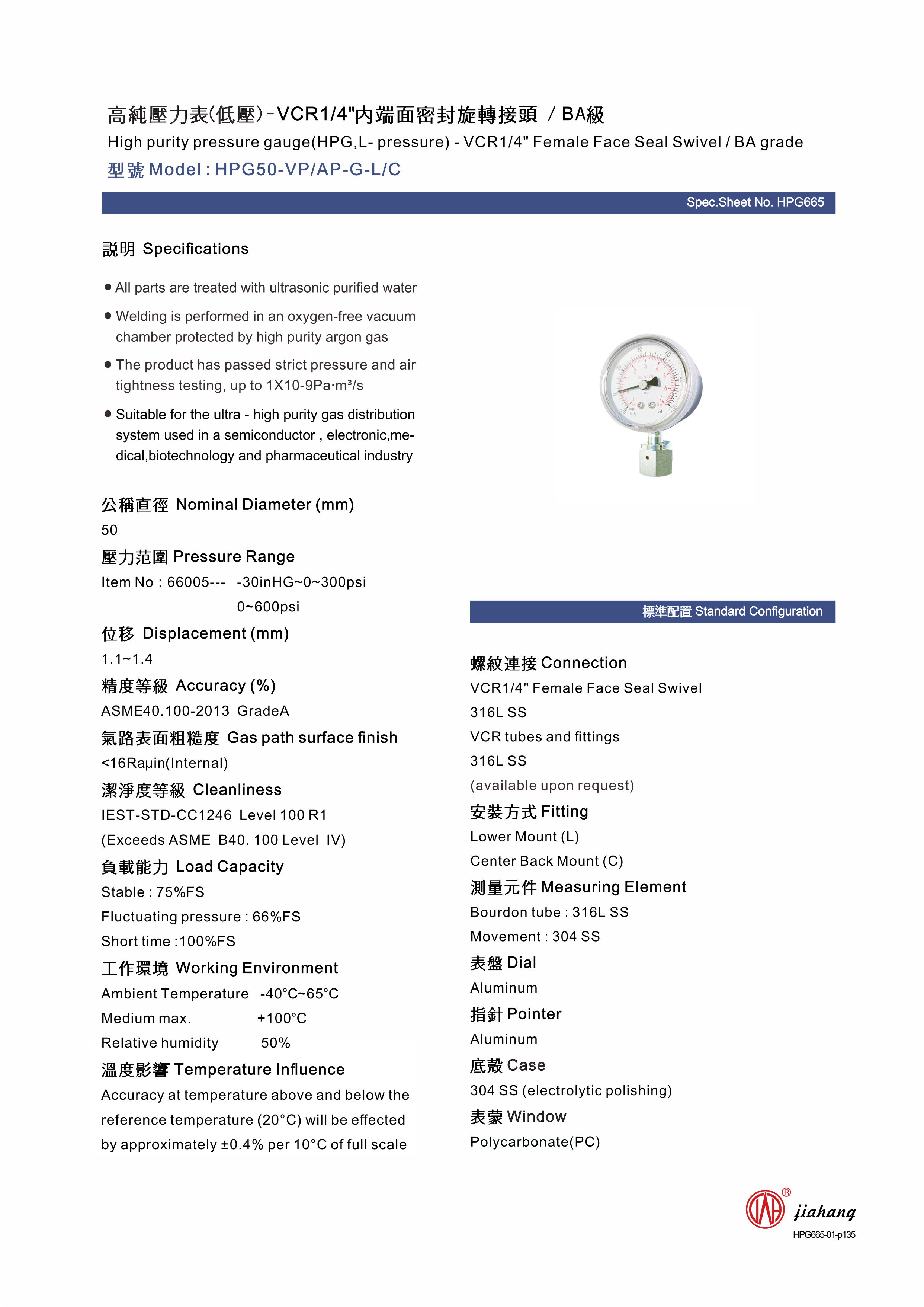
Tyre air pressure gauges are critical components in vehicle maintenance, impacting safety, fuel efficiency, and tyre lifespan. These instruments, ranging from simple mechanical designs to sophisticated digital systems, measure the pneumatic pressure within a tyre, expressed typically in pounds per square inch (PSI) or kilopascals (kPa). The gauge's function is rooted in Hooke’s Law, utilizing the elastic deformation of a Bourdon tube, diaphragm, or piezoelectric sensor to translate pressure into a readable indication. Accurate tyre pressure is paramount; under-inflation leads to increased rolling resistance, reduced fuel economy, and accelerated tyre wear, while over-inflation results in a harsher ride, compromised handling, and increased susceptibility to impact damage. This guide details the material science, manufacturing processes, performance characteristics, failure modes, and relevant industry standards pertaining to accurate tyre air pressure gauges, focusing on B2B considerations for manufacturers and procurement professionals.
Material Science & Manufacturing
The construction of an accurate tyre air pressure gauge involves several key materials. The sensing element, most commonly a Bourdon tube in analogue gauges, is typically manufactured from beryllium copper or phosphor bronze alloys. These alloys exhibit high elastic limits, excellent corrosion resistance, and predictable deformation characteristics essential for accurate measurement. Digital gauges often employ a silicon piezoresistive pressure sensor encapsulated within a stainless steel housing. The gauge body is often constructed from acrylonitrile butadiene styrene (ABS) plastic, polycarbonate, or aluminum alloy, chosen for their durability, impact resistance, and cost-effectiveness. Manufacturing processes vary depending on the gauge type. Bourdon tube gauges require precise tube forming, heat treatment for stress relief and enhancement of elastic properties, and meticulous calibration. Digital gauges involve semiconductor fabrication for the sensor, printed circuit board assembly (PCBA), and plastic injection molding for the housing. Critical parameter control includes maintaining dimensional tolerances within microns during tube forming, precise doping levels in semiconductor manufacturing, and consistent material densities during plastic molding. Surface treatments like passivation and anodization are frequently applied to metal components to improve corrosion resistance. Calibration is typically performed using NIST-traceable pressure standards, ensuring accuracy within specified tolerances.
Performance & Engineering
The performance of a tyre air pressure gauge is dictated by several engineering considerations. Accuracy, typically expressed as a percentage of full scale (%FS), is paramount. High-precision gauges aim for accuracies of ±1% FS or better. Repeatability, or the ability to consistently produce the same reading under identical conditions, is equally critical. Environmental factors significantly impact performance. Temperature variations can affect the elasticity of the Bourdon tube or the sensitivity of the semiconductor sensor, requiring temperature compensation circuitry in digital gauges. Humidity can induce corrosion in metal components, impacting long-term stability. Vibration and shock resistance are important considerations, particularly for gauges intended for heavy-duty applications. Force analysis focuses on the stresses induced within the sensing element during pressure application, ensuring the gauge can withstand pressures exceeding its rated range without permanent deformation or failure. Compliance requirements often necessitate adherence to standards like SAE J1926, which specifies performance requirements for tyre pressure gauges used in automotive applications, and ISO 8107, which defines the requirements for pressure gauges. The gauge’s response time – how quickly it registers a change in pressure – is also a key performance indicator, particularly in dynamic testing scenarios.
Technical Specifications
| Parameter | Units | Typical Range | Accuracy |
|---|---|---|---|
| Pressure Range | PSI | 0-60, 0-100, 0-120 | ±2% FS |
| Operating Temperature | °C | -20 to 60 | N/A (Accuracy drift: <0.5%FS per 10°C) |
| Resolution | PSI | 0.5, 1.0 | N/A |
| Housing Material | - | ABS Plastic, Aluminum Alloy | N/A |
| Sensing Element | - | Bourdon Tube (BeCu/PhBr), Piezoresistive Silicon | N/A |
| Connection Type | - | Chuck, Screw-on, Inline | N/A |
Failure Mode & Maintenance
Tyre air pressure gauges are susceptible to various failure modes. Mechanical gauges can experience fatigue cracking in the Bourdon tube due to repeated flexing, leading to inaccurate readings or complete failure. Corrosion of metal components, particularly in harsh environments, can also compromise accuracy and functionality. Digital gauges can fail due to sensor drift, damage to the PCBA, or battery depletion. Over-pressurization, exceeding the gauge’s rated range, can cause permanent deformation of the sensing element. A common failure mode is the sticking of the internal mechanism due to contamination or lack of lubrication. Preventative maintenance includes periodic calibration against NIST-traceable standards, cleaning to remove debris and contaminants, and careful handling to avoid dropping or subjecting the gauge to excessive shock. For mechanical gauges, light lubrication of the internal mechanism can help prevent sticking. Digital gauges require regular battery replacement. If a gauge consistently provides inaccurate readings or exhibits erratic behavior, it should be replaced or professionally repaired. Regular visual inspection for physical damage, such as cracks or corrosion, is also crucial.
Industry FAQ
Q: What is the impact of temperature on the accuracy of a digital tyre pressure gauge?
A: Temperature significantly impacts the performance of digital gauges. While temperature compensation circuitry is included, it doesn't eliminate drift entirely. Higher and lower temperatures can affect the sensor’s sensitivity and zero point, leading to inaccurate readings. Typical specifications allow for a drift of less than 0.5% of full scale per 10°C change in temperature. For critical applications, pre-conditioning the gauge to the ambient temperature before use is recommended.
Q: What is the difference between a pencil-type gauge and a digital gauge in terms of accuracy and reliability?
A: Pencil-type gauges, relying on a simple Bourdon tube mechanism, are generally less accurate and less reliable than digital gauges. Their accuracy is typically ±2%FS or worse, and they are more susceptible to drift and damage. Digital gauges, employing piezoresistive sensors and electronic circuitry, offer higher accuracy (often ±1%FS or better) and improved reliability. However, digital gauges require batteries and are more complex, increasing the potential for electronic failures.
Q: How often should tyre pressure gauges be calibrated?
A: Calibration frequency depends on usage and application. For general automotive use, annual calibration is recommended. For professional applications, such as fleet maintenance or motorsport, calibration should be performed every six months, or more frequently if the gauge is subjected to harsh conditions or heavy use. Calibration should always be performed against NIST-traceable standards.
Q: What materials are best suited for gauges used in corrosive environments (e.g., near saltwater)?
A: In corrosive environments, gauges constructed from stainless steel (316 or higher grade) are preferred. The housing, sensing element connections, and internal components should all be stainless steel to resist corrosion. Plastic housings can also offer good protection, but ensure the plastic is resistant to the specific corrosive agents present. Applying a protective coating, such as epoxy, can further enhance corrosion resistance.
Q: What standards govern the accuracy and safety of tyre pressure gauges?
A: Several standards are relevant. SAE J1926 specifies performance requirements for tyre pressure gauges used in automotive applications. ISO 8107 defines general requirements for pressure gauges. ASTM E74 defines standards for calibration of pressure measuring instruments. Compliance with these standards ensures the gauge meets minimum accuracy, safety, and reliability criteria.
Conclusion
Accurate tyre air pressure gauges are indispensable tools for maintaining vehicle safety and optimizing performance. The selection process should prioritize accuracy, reliability, and durability, considering the specific application and environmental conditions. Material science advancements continue to drive improvements in sensor technology and housing materials, enhancing gauge performance and longevity.
Future trends point towards increased integration of wireless connectivity (Bluetooth, NFC) for real-time pressure monitoring and data logging, as well as the development of self-calibrating gauges. Procurement professionals should stay abreast of these advancements to ensure they are specifying gauges that meet evolving industry demands and regulatory requirements. Ensuring consistent calibration and implementing preventative maintenance procedures are fundamental to maximizing the lifespan and accuracy of these vital instruments.
 English
  Arabic
  China
China  China (Taiwan)
  Danish
  Dutch
Dutch  French
  German
  Greek
Greek  Hindi
Hindi  Indonesian
  Italian
  Japanese
  Korean
  Latin
Latin  Polish
  Portuguese
  Russian
  Spanish
  Turkish