
Apr . 01, 2024 17:55 Back to list
air pressure gauge Performance Analysis
Introduction
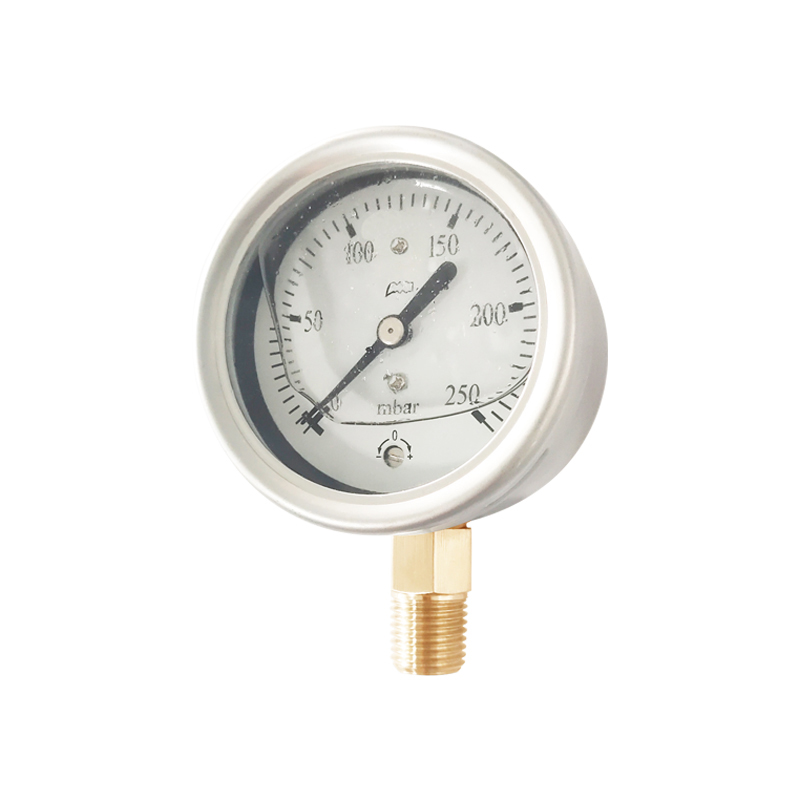
Air pressure gauges are critical instrumentation devices used to measure and display the pressure of gases within a system. Positioned within the broader industrial process control chain, they represent a fundamental component in maintaining safe and efficient operations across diverse sectors including pneumatic systems, HVAC, automotive, aerospace, and manufacturing. These gauges serve as direct indicators of system health, enabling preventative maintenance and preventing catastrophic failures. Core performance characteristics include accuracy, repeatability, response time, and resistance to the measured media and environmental conditions. Understanding these characteristics is paramount for effective system integration and reliable performance. The prevalence of both mechanical and digital designs necessitates a detailed analysis of their respective advantages and limitations based on application-specific requirements.
Material Science & Manufacturing
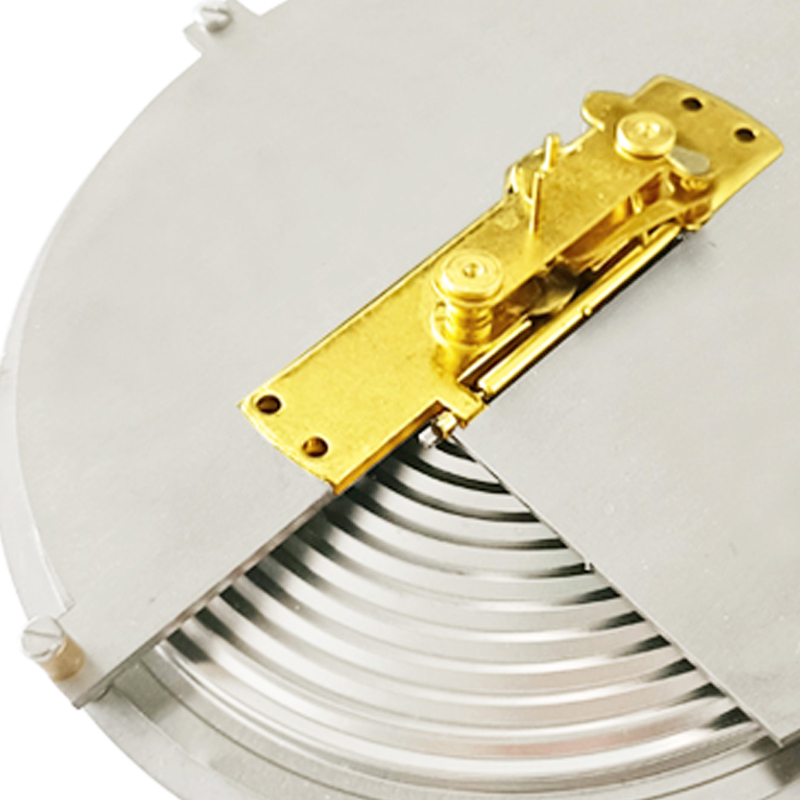
The construction of air pressure gauges relies on a selection of materials optimized for both mechanical strength and chemical compatibility. Bourdon tubes, the core sensing element in many mechanical gauges, are typically manufactured from beryllium copper, phosphor bronze, or stainless steel alloys (304, 316). Beryllium copper offers excellent elasticity and corrosion resistance, while phosphor bronze provides good spring characteristics. Stainless steel is favoured in corrosive environments. Diaphragm gauges utilize materials like stainless steel, Hastelloy, or Inconel, chosen for their resilience to pressure cycling and chemical attack. The case construction commonly employs aluminum, stainless steel, or polymer materials like ABS. Manufacturing processes vary based on the gauge type. Bourdon tube gauges require precise forming and heat treatment to achieve the desired elastic properties. Diaphragm gauges involve deep drawing and welding techniques. Digital gauges incorporate semiconductor pressure sensors (piezoresistive, capacitive, or piezoelectric) fabricated through micro-electromechanical systems (MEMS) processes. Critical parameter control includes tube wall thickness, material annealing temperatures, weld integrity, and sensor calibration. Surface treatments, such as passivation for stainless steel, are employed to enhance corrosion resistance. Leak testing is crucial at multiple stages to ensure accuracy and reliability.
Performance & Engineering
Performance evaluation of air pressure gauges centers around several key engineering considerations. Force analysis involves understanding the stresses induced within the Bourdon tube or diaphragm under pressure. This dictates the material selection and geometry to prevent plastic deformation or rupture. Environmental resistance is crucial, particularly in applications exposed to extreme temperatures, humidity, vibration, or corrosive substances. Ingress Protection (IP) ratings (e.g., IP65, IP67) define the level of protection against dust and water. Compliance requirements often involve adherence to industry standards like ASME B40.100 for pressure gauges, ensuring accuracy and safety. Digital gauges require careful consideration of signal conditioning circuitry, analog-to-digital conversion (ADC) resolution, and temperature compensation algorithms to minimize errors. Response time, defined as the time taken for the gauge to register a pressure change, is critical in dynamic applications. Hysteresis, the difference in readings for increasing and decreasing pressure, must be minimized for accurate measurements. Material fatigue under cyclical loading is a key failure mode that needs to be addressed through appropriate design and material selection. Proper mounting techniques are essential to prevent vibrations from affecting accuracy or causing premature failure.
Technical Specifications
| Pressure Range (PSI) | Accuracy (% of Full Scale) | Connection Size (NPT) | Operating Temperature (°F) |
|---|---|---|---|
| 0-30 | ±2.0 | 1/8" | -20 to 140 |
| 0-60 | ±1.5 | 1/4" | -40 to 176 |
| 0-100 | ±1.0 | 3/8" | -20 to 212 |
| 0-200 | ±0.5 | 1/2" | -4 to 194 |
| 0-300 | ±0.25 | 3/4" | -40 to 248 |
| 0-500 | ±0.2 | 1" | -60 to 275 |
Failure Mode & Maintenance
Air pressure gauges are susceptible to several failure modes. Fatigue cracking in the Bourdon tube or diaphragm can occur due to prolonged exposure to pressure cycling, particularly near weld points or stress concentrations. Corrosion, especially in environments with aggressive gases or liquids, leads to material degradation and inaccurate readings. Zero drift, a gradual shift in the zero point of the gauge, is often caused by mechanical wear or temperature fluctuations. For digital gauges, failure of the sensor, ADC, or signal conditioning circuitry is common. Delamination of the dial face or protective lens can occur due to UV exposure or physical impact. Oxidation of internal components, particularly in gauges exposed to moisture, can cause corrosion and malfunction. Regular maintenance includes visual inspection for physical damage, leak testing of the connection points, and calibration against a known pressure standard. Lubrication of moving parts (in mechanical gauges) reduces friction and wear. Protection from extreme temperatures, vibration, and corrosive environments extends the gauge's lifespan. Digital gauges may require periodic battery replacement or firmware updates. Thorough record-keeping of calibration and maintenance activities is crucial for traceability and quality control.
Industry FAQ
Q: What is the impact of media compatibility on gauge selection?
A: Media compatibility is paramount. Exposure to incompatible gases or liquids can cause corrosion, swelling of seals, or chemical attack on the sensing element, leading to inaccurate readings and premature failure. The gauge's wetted parts must be constructed from materials resistant to the specific media being measured. For example, gauges used with oxygen require oil-free construction to prevent fire hazards.
Q: How does temperature affect the accuracy of an air pressure gauge?
A: Temperature affects accuracy in several ways. Thermal expansion and contraction of the sensing element can cause zero drift. Changes in the viscosity of the measured fluid can alter the damping characteristics of the gauge. Digital gauges require temperature compensation algorithms to minimize errors due to variations in sensor sensitivity. Operating temperature ranges specified by the manufacturer should be strictly adhered to.
Q: What are the advantages of digital gauges over mechanical gauges?
A: Digital gauges offer several advantages, including higher accuracy, improved resolution, and the ability to transmit data remotely. They can also incorporate features like data logging, alarm functions, and self-diagnostics. However, they typically require a power supply and can be more expensive than mechanical gauges.
Q: What is the recommended calibration interval for air pressure gauges?
A: The recommended calibration interval depends on the application, operating conditions, and the gauge's criticality. Generally, annual calibration is recommended for most industrial applications. However, gauges used in critical safety systems or exposed to harsh environments may require more frequent calibration (e.g., quarterly or even monthly).
Q: How do I troubleshoot a gauge that is exhibiting erratic readings?
A: Erratic readings can be caused by several factors. Check for leaks in the connection points, ensure the gauge is properly damped, and inspect the sensing element for damage or corrosion. Verify that the gauge is operating within its specified temperature and pressure ranges. If the problem persists, recalibrate the gauge or replace it.
Conclusion
Air pressure gauges are indispensable components in numerous industrial applications, demanding meticulous attention to material science, manufacturing processes, and performance characteristics. Selecting the appropriate gauge necessitates a comprehensive understanding of the measured media, operating environment, and accuracy requirements. The transition from mechanical to digital technologies offers enhanced functionality and precision, but also introduces new considerations regarding power consumption and signal conditioning.
Proactive maintenance, including regular calibration and visual inspections, is crucial for ensuring long-term reliability and preventing costly failures. Adherence to relevant industry standards, such as ASME B40.100, guarantees traceability and promotes safe operating practices. Continued advancements in sensor technology and materials science will drive further improvements in air pressure gauge performance and durability, enabling increasingly sophisticated process control systems.
 English
  Arabic
  China
China  China (Taiwan)
  Danish
  Dutch
Dutch  French
  German
  Greek
Greek  Hindi
Hindi  Indonesian
  Italian
  Japanese
  Korean
  Latin
Latin  Polish
  Portuguese
  Russian
  Spanish
  Turkish