
Apr . 01, 2024 17:55 Back to list
air pressure gauges Performance Analysis
Introduction
Air pressure gauges are vital instrumentation components utilized across a diverse range of industrial and commercial applications, fundamentally responsible for the precise measurement and indication of fluid pressure. Occupying a critical position within process control systems, pneumatic systems, and safety monitoring protocols, these gauges translate physical pressure into a visually readable format. They are not merely indicators but integral parts of ensuring operational efficiency, preventing equipment damage, and maintaining safe working conditions. This guide provides an in-depth exploration of air pressure gauges, covering material science, manufacturing processes, performance characteristics, failure modes, and relevant industry standards. A core industry pain point centers around maintaining accuracy and reliability in harsh environments, specifically those involving corrosive media, temperature fluctuations, and mechanical vibration, leading to frequent calibration needs and potential process upsets.
Material Science & Manufacturing
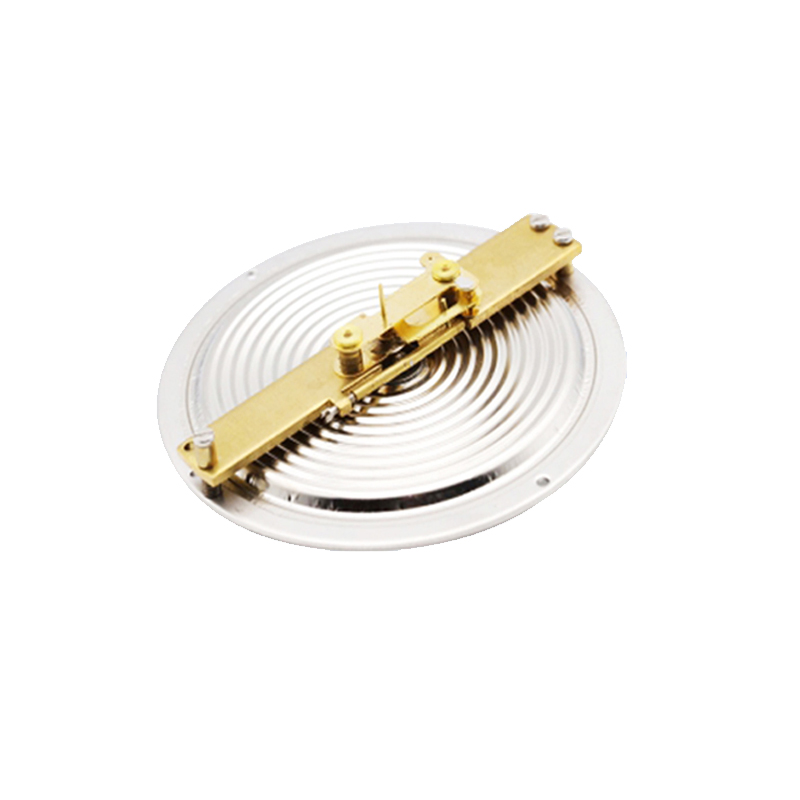
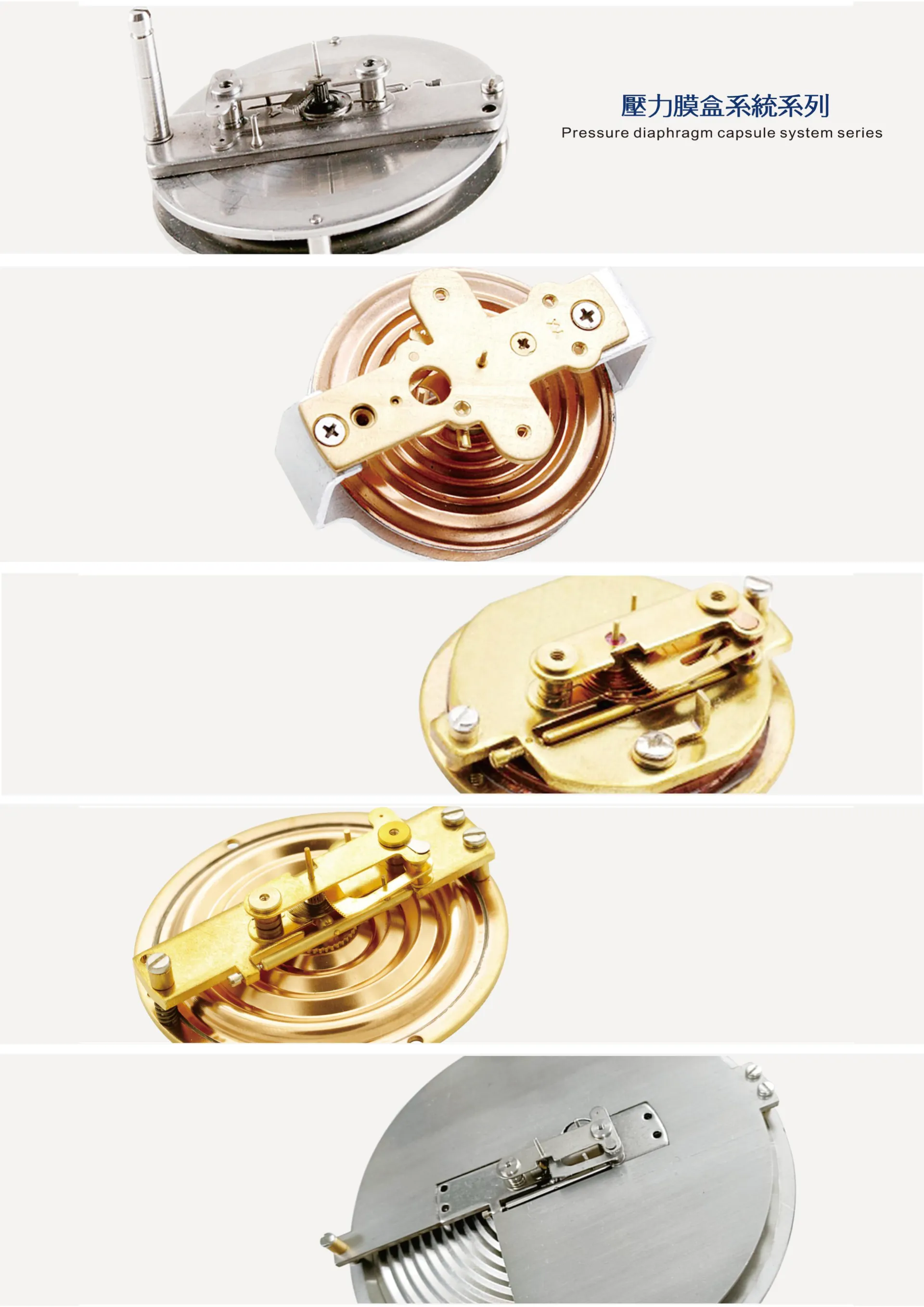
The construction of air pressure gauges relies on a selection of materials chosen for their specific mechanical and chemical properties. The Bourdon tube, the central sensing element in many gauges, is commonly manufactured from beryllium copper, phosphor bronze, or stainless steel alloys (304, 316). Beryllium copper provides excellent elasticity and corrosion resistance, while phosphor bronze offers good fatigue strength. Stainless steel is favored in aggressive environments where corrosion is a primary concern. The gauge case is typically constructed from steel, aluminum, or reinforced polymers. Glass for the window is often tempered or laminated for impact resistance. Manufacturing processes include deep drawing for the Bourdon tube, precision welding, and assembly under controlled conditions. A critical parameter is the heat treatment process applied to the Bourdon tube. Improper heat treatment can induce residual stresses, impacting accuracy and lifespan. Furthermore, the selection of sealing materials (e.g., nitrile, Viton) must be compatible with the measured fluid to prevent degradation and leaks. Precise calibration using standardized pressure sources is also essential, and any variation in the manufacturing tolerances directly affects the overall accuracy of the gauge.
Performance & Engineering
The performance of air pressure gauges is defined by several key engineering parameters. Accuracy, typically expressed as a percentage of full scale (%FS), represents the deviation between the indicated pressure and the actual pressure. Linearity describes the consistency of the output across the entire pressure range. Hysteresis quantifies the difference in readings for increasing versus decreasing pressure. Furthermore, environmental factors significantly impact performance. Temperature fluctuations can induce thermal expansion and contraction of the Bourdon tube, altering the zero point and span of the gauge. Mechanical vibration can lead to premature wear and tear of the movement and pointer, causing erratic readings. The design must account for these factors through appropriate material selection, damping mechanisms, and robust construction. Compliance requirements dictate stringent testing procedures to ensure gauges meet specified performance criteria under various operational conditions. Force analysis on the Bourdon tube reveals stresses generated during pressure exertion, informing material thickness and alloy selection to prevent permanent deformation or rupture. Furthermore, cycle testing is performed to determine the fatigue life of the device under repeated pressure fluctuations.
Technical Specifications
| Pressure Range (psi) | Accuracy (%FS) | Connection Size (NPT) | Operating Temperature (°F) |
|---|---|---|---|
| 0-30 | ±2% | 1/8" | -40 to 176 |
| 0-60 | ±1.5% | 1/4" | -20 to 200 |
| 0-100 | ±1% | 3/8" | -10 to 220 |
| 0-200 | ±0.5% | 1/2" | 0 to 250 |
| 0-300 | ±0.25% | 3/4" | -40 to 250 |
| 0-500 | ±0.2% | 1" | -20 to 300 |
Failure Mode & Maintenance
Air pressure gauges are susceptible to several failure modes. Zero drift, caused by thermal effects or mechanical stress relaxation, leads to inaccurate readings. Bourdon tube rupture, often due to overpressure or fatigue cracking, results in complete gauge failure and potential safety hazards. Leakage through the connection or case seals compromises accuracy and can introduce contaminants into the system. Pointer sticking, stemming from lubrication failure or internal component binding, causes erratic readings. Corrosion, particularly in harsh environments, degrades the Bourdon tube and other critical components. Preventive maintenance is crucial. Regular visual inspections should identify any signs of physical damage, leakage, or corrosion. Periodic calibration, using a certified pressure standard, ensures accuracy. Lubrication of the movement, as specified by the manufacturer, prevents sticking. Protection from excessive vibration and temperature extremes extends lifespan. When a gauge exhibits consistent drift or displays signs of damage, replacement is recommended to avoid process disruptions and potential safety incidents. Root cause analysis of failures can identify systemic issues and improve the overall reliability of the instrumentation system.
Industry FAQ
Q: What is the impact of pulsation on the lifespan of a pressure gauge?
A: Pulsation introduces cyclical stress on the Bourdon tube, accelerating fatigue cracking and reducing the gauge's lifespan. Implementing pulsation dampeners upstream of the gauge is crucial to mitigate this effect. Dampeners smooth out pressure fluctuations, providing a more stable reading and extending the gauge’s service life.
Q: How do I select the appropriate gauge material for a corrosive environment?
A: The choice of material depends on the specific corrosive agent. For strong acids, stainless steel alloys (316) or Hastelloy are recommended. For alkaline solutions, polypropylene or PTFE-lined gauges are suitable. Consult a materials compatibility chart to ensure the selected material is resistant to the specific fluid.
Q: What is the significance of gauge accuracy when monitoring critical processes?
A: Accuracy is paramount in critical processes. Inaccurate readings can lead to process instability, product quality issues, and even safety hazards. Choosing a gauge with an appropriate accuracy rating (%FS) is crucial, and regular calibration is essential to maintain this accuracy over time.
Q: How does altitude affect the readings of an air pressure gauge?
A: Altitude affects atmospheric pressure, which influences gauge readings. Gauges typically read ‘gauge pressure’, which is relative to atmospheric pressure. At higher altitudes, atmospheric pressure is lower, and readings will be affected. Consider using absolute pressure gauges if altitude variations are significant.
Q: What are the best practices for installing a pressure gauge to ensure accurate readings and longevity?
A: Install the gauge in a location protected from excessive vibration, temperature extremes, and direct sunlight. Use a process connection that is properly sized and sealed. Consider using a siphon or loop seal to protect the gauge from process fluid hammer. Avoid over-tightening the connection, as this can distort the Bourdon tube.
Conclusion
Air pressure gauges remain indispensable tools for monitoring and controlling fluid pressure in a vast array of industrial applications. Understanding the underlying material science, meticulous manufacturing processes, and crucial performance parameters is vital for selecting the appropriate gauge for a given application. Furthermore, proactive maintenance, coupled with a thorough understanding of potential failure modes, ensures accurate readings, maximizes gauge lifespan, and promotes operational safety. The ongoing development of sensor technologies and digital interfaces is driving advancements in pressure gauge functionality, leading to enhanced accuracy, remote monitoring capabilities, and improved data analysis.
The continued evolution of industry standards and regulations emphasizes the need for rigorous testing and quality control in the manufacture of air pressure gauges. Selecting gauges compliant with recognized standards (detailed below) provides assurance of reliability and performance. Addressing the core pain point of maintaining accuracy in harsh operating environments through advanced materials, robust designs, and proactive maintenance strategies remains paramount for ensuring the longevity and effectiveness of these critical instrumentation components. The integration of Industry 4.0 principles, such as predictive maintenance based on real-time data analysis, represents a future trend in pressure gauge management.
 English
  Arabic
  China
China  China (Taiwan)
  Danish
  Dutch
Dutch  French
  German
  Greek
Greek  Hindi
Hindi  Indonesian
  Italian
  Japanese
  Korean
  Latin
Latin  Polish
  Portuguese
  Russian
  Spanish
  Turkish