
Apr . 01, 2024 17:55 Back to list
auto fuel pressure gauge Performance Analysis
Introduction
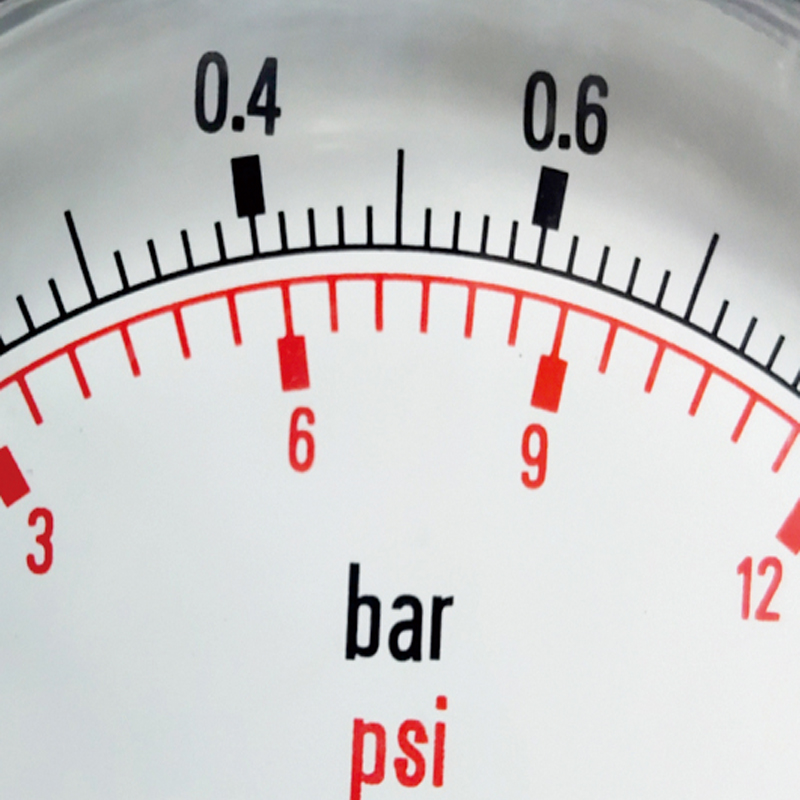
The auto fuel pressure gauge is a critical diagnostic tool used in internal combustion engine systems to measure the fuel pressure delivered to the engine's fuel injectors. Positioned within the automotive fuel delivery chain, typically after the fuel pump and before the fuel rail, it provides a direct indication of fuel system health. Core performance characteristics include accuracy of pressure readings across a specified range (typically 0-100 PSI, though variations exist), durability under exposure to automotive fuels, and resistance to vibration and temperature fluctuations. Accurate fuel pressure is paramount for efficient combustion, optimal engine performance, and adherence to emissions standards. Deviations from the manufacturer’s specified fuel pressure can lead to issues such as poor fuel economy, engine misfires, reduced power output, and potential long-term engine damage. This guide provides an in-depth technical overview of auto fuel pressure gauges, covering materials, manufacturing, performance analysis, failure modes, and relevant industry standards.
Material Science & Manufacturing
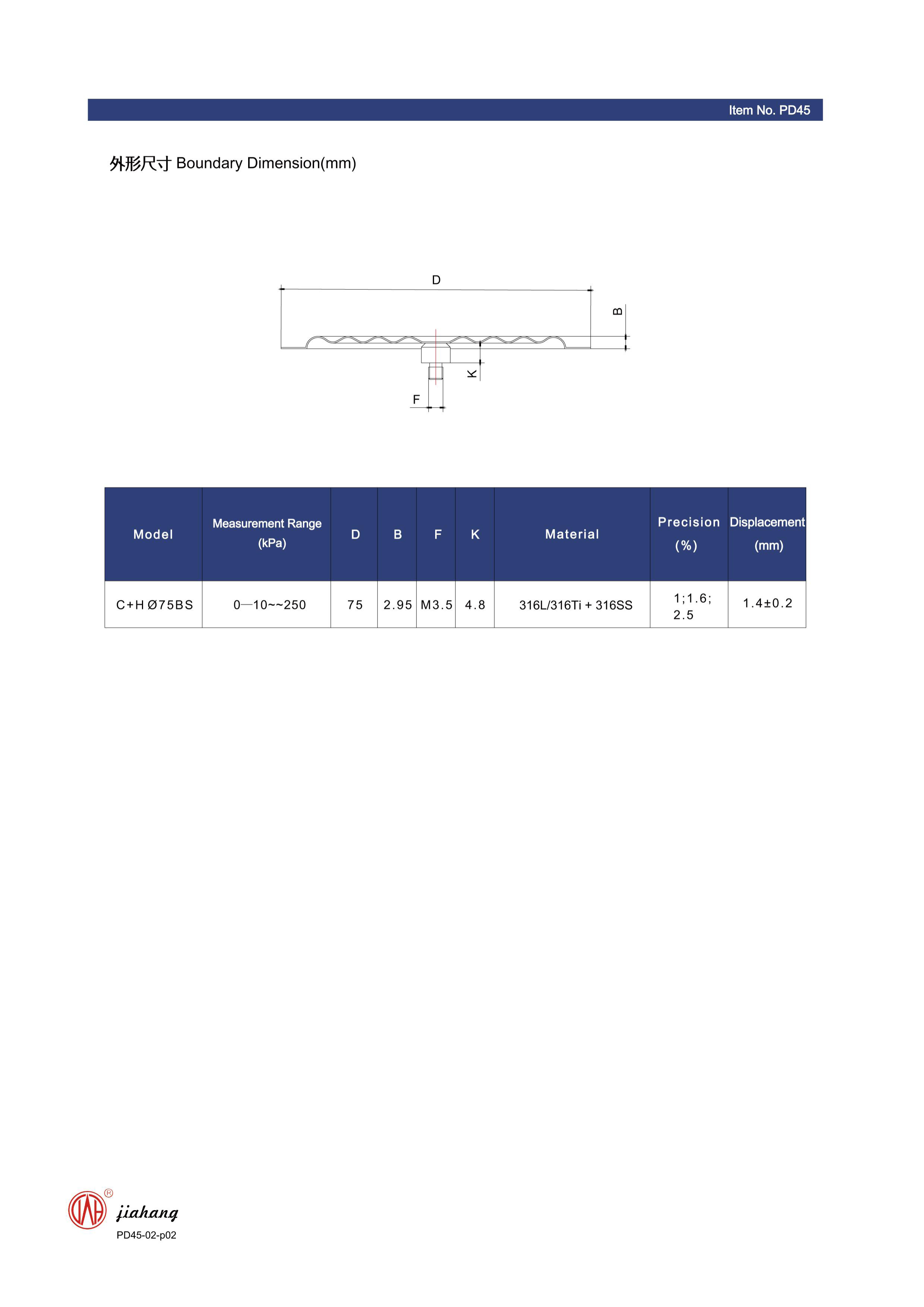
Auto fuel pressure gauges commonly utilize Bourdon tube or strain gauge-based pressure sensing elements. The Bourdon tube, typically manufactured from Beryllium Copper alloy (CuBe), or stainless steel (304/316) exhibits high elasticity and resistance to corrosion from gasoline, ethanol-blended fuels, and diesel. The manufacturing process involves cold forming the metal strip into a curved tube, heat treatment to enhance its spring characteristics, and precise calibration. Strain gauge-based gauges employ silicon or polysilicon piezoresistive sensors deposited on a diaphragm. These sensors experience a change in electrical resistance proportional to applied pressure. Diaphragm material selection (often stainless steel 316L for fuel compatibility) and thin-film deposition techniques are critical. The gauge housing is generally constructed from injection-molded nylon or ABS plastic, chosen for impact resistance and chemical inertness. A critical aspect of manufacturing is leak testing. Automated leak detection systems utilizing helium or nitrogen are employed to ensure the gauge is sealed against fuel leakage. The connection fitting, typically brass (CZ128) or stainless steel, must be precisely machined and threaded to ensure a secure, leak-proof connection to the fuel system. Quality control involves dimensional inspection, pressure cycling tests, and material analysis (e.g., spectroscopic analysis to verify alloy composition).
Performance & Engineering
The performance of an auto fuel pressure gauge is governed by several engineering principles. Hysteresis, the difference between readings taken during increasing and decreasing pressure, must be minimized for accurate measurements. This is achieved through precise material selection and manufacturing control. Linearity, the degree to which the output signal corresponds proportionally to the applied pressure, is crucial. Calibration routines, utilizing precision pressure standards, are employed to achieve linearity. Environmental resistance is a key consideration. Gauges must withstand temperature variations (typically -40°C to +85°C) and vibration experienced in automotive applications. Finite Element Analysis (FEA) is used during the design phase to optimize the gauge housing and internal components for structural integrity and vibration damping. Fuel compatibility is another critical aspect. The gauge materials must be resistant to degradation from various fuel compositions, including gasoline, diesel, and ethanol blends (E85). Compliance with industry standards, such as SAE J1926 (fuel injection system testing) and relevant EMC/EMI standards (ensuring the gauge doesn't interfere with other vehicle electronics), is mandatory. The gauge’s response time (the time it takes to register a pressure change) is also vital for accurate dynamic measurements. A faster response time allows for the detection of rapid fuel pressure fluctuations.
Technical Specifications
| Parameter | Units | Typical Value | Tolerance |
|---|---|---|---|
| Pressure Range | PSI | 0-100 | ±1% Full Scale |
| Accuracy | % Full Scale | ±2 | N/A |
| Resolution | PSI | 1 | N/A |
| Operating Temperature | °C | -40 to +85 | N/A |
| Fuel Compatibility | - | Gasoline, Diesel, E85 | N/A |
| Connection Size | NPT | 1/8" | N/A |
Failure Mode & Maintenance
Common failure modes for auto fuel pressure gauges include Bourdon tube fatigue cracking (in mechanical gauges) leading to inaccurate readings or complete failure, sensor drift (in strain gauge gauges) resulting from prolonged exposure to high temperatures or corrosive fuels, and leakage from the connection fitting due to thread damage or improper sealing. Delamination of the diaphragm (in strain gauge gauges) can also occur due to excessive pressure or mechanical shock. Oxidation of internal components, particularly electrical contacts, can lead to intermittent readings or complete electrical failure. Preventative maintenance involves regular visual inspection for leaks, corrosion, and physical damage. The connection fitting should be tightened to the manufacturer’s specified torque. If the gauge is exposed to harsh chemicals, it should be cleaned with a compatible solvent. Calibration should be performed periodically (e.g., annually) using a certified pressure standard. In the event of a suspected failure, the gauge should be removed from service and replaced. Do not attempt to repair the gauge internally unless specifically trained and equipped to do so, as this could compromise safety and accuracy. Proper storage in a clean, dry environment will extend the gauge’s lifespan.
Industry FAQ
Q: What is the significance of fuel pressure regulation in modern fuel injection systems?
A: Precise fuel pressure regulation is critical for modern fuel injection systems to ensure the correct fuel-air mixture is delivered to the engine. Variations in fuel pressure directly impact the amount of fuel injected, influencing combustion efficiency, power output, and emissions. Electronic fuel injection (EFI) systems rely on accurate fuel pressure for optimal performance, and the fuel pressure gauge serves as a key diagnostic tool to verify proper system operation.
Q: How does ethanol content in fuel affect the longevity of a fuel pressure gauge?
A: Ethanol, particularly at higher concentrations (e.g., E85), is more corrosive than gasoline. Prolonged exposure to ethanol can accelerate the corrosion of metallic components within the gauge, such as the Bourdon tube or sensor diaphragm. Therefore, gauges intended for use with ethanol-blended fuels should be constructed from materials specifically resistant to ethanol corrosion, such as stainless steel 316L or Beryllium Copper.
Q: What are the common causes of inaccurate readings on a fuel pressure gauge?
A: Inaccurate readings can stem from several sources. A leaking Bourdon tube (mechanical gauges), sensor drift (strain gauge gauges), obstruction in the gauge’s internal pathways, or a faulty electrical connection can all contribute to inaccurate measurements. Environmental factors like extreme temperatures can also affect accuracy. Regular calibration and visual inspection are essential for maintaining accuracy.
Q: What is the proper procedure for connecting a fuel pressure gauge to a fuel system?
A: Ensure the fuel system is depressurized before connecting the gauge. Disconnect the negative battery terminal to prevent accidental sparking. Locate the fuel pressure test port (typically on the fuel rail). Carefully connect the gauge, ensuring a tight, leak-proof seal. Reconnect the battery terminal and start the engine to observe the fuel pressure reading. Always follow the vehicle manufacturer’s recommended procedures.
Q: Can a fuel pressure gauge be used to diagnose fuel pump issues?
A: Yes, a fuel pressure gauge is a valuable tool for diagnosing fuel pump problems. A low fuel pressure reading may indicate a failing fuel pump, a clogged fuel filter, or a restricted fuel line. Monitoring fuel pressure during engine operation can help pinpoint the source of the issue. A fluctuating fuel pressure reading may also indicate a fuel pump malfunction.
Conclusion
The auto fuel pressure gauge remains an indispensable diagnostic tool for automotive technicians. Its ability to provide accurate and reliable fuel pressure readings is fundamental to maintaining optimal engine performance, fuel efficiency, and emissions control. Understanding the underlying material science, manufacturing processes, and performance characteristics of these gauges is crucial for selecting the appropriate gauge for specific applications and interpreting the measured data effectively.
Future developments in fuel pressure gauge technology are likely to focus on increased accuracy, improved durability, and integration with vehicle diagnostics systems. The advent of wireless pressure monitoring and data logging capabilities will further enhance the utility of these gauges, enabling real-time performance analysis and predictive maintenance. Proper maintenance and adherence to industry standards are paramount to ensuring the longevity and accuracy of these critical instruments.
 English
  Arabic
  China
China  China (Taiwan)
  Danish
  Dutch
Dutch  French
  German
  Greek
Greek  Hindi
Hindi  Indonesian
  Italian
  Japanese
  Korean
  Latin
Latin  Polish
  Portuguese
  Russian
  Spanish
  Turkish