
Apr . 01, 2024 17:55 Back to list
auto gauge oil pressure Performance Analysis
Introduction
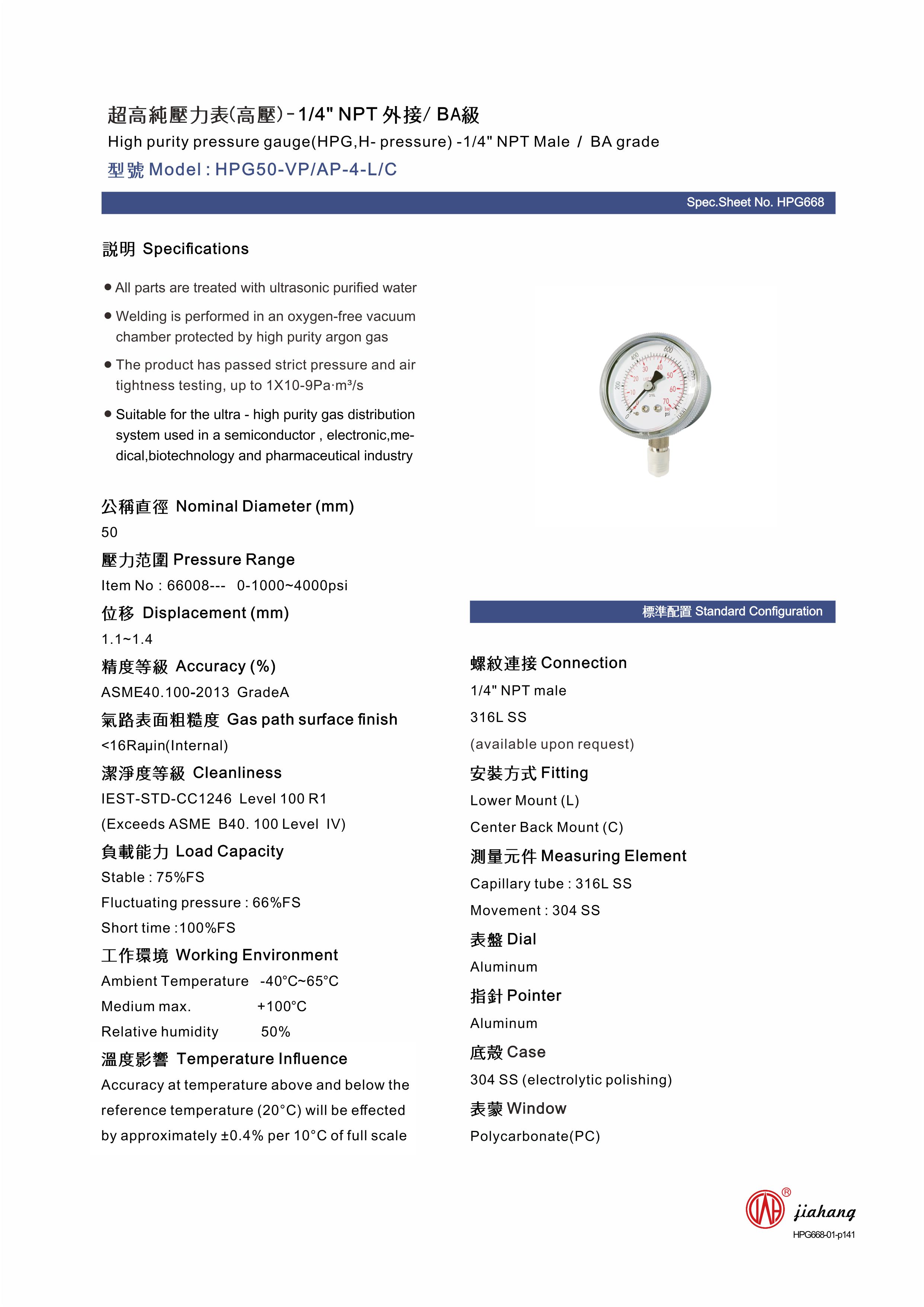
Auto gauge oil pressure measurement systems are critical components in internal combustion engine monitoring, providing essential real-time data regarding the lubricant’s performance and engine health. These systems fall within the broader category of engine instrumentation, positioned between the oil pump and the engine block, and are directly linked to the engine’s lubrication circuit. Core performance metrics center on accuracy, responsiveness, and durability under harsh operating conditions – high temperatures, vibration, and exposure to corrosive fluids. Failures in oil pressure indication can lead to catastrophic engine damage, making reliable gauge performance paramount. The industry trend is toward digital gauges offering increased precision and integration with vehicle diagnostic systems, but traditional mechanical gauges remain prevalent due to their simplicity and independence from the vehicle’s electrical system. Effective operation relies on a complete system – a sending unit (pressure transducer), a capillary tube (for mechanical gauges), and the gauge itself – each component impacting overall reliability.
Material Science & Manufacturing
The construction of auto gauge oil pressure systems involves a range of materials selected for their compatibility with engine oil, resistance to corrosion, and ability to withstand significant pressure differentials. Gauge cases are commonly manufactured from steel, often with a protective chrome plating for corrosion resistance. Bourdon tubes, the core sensing element in mechanical gauges, are typically formed from alloy steels, such as beryllium copper or stainless steel, chosen for their high elasticity and fatigue resistance. These alloys require precise cold forming and heat treatment to achieve the desired spring characteristics. Digital gauges utilize pressure transducers, employing piezoelectric crystals or silicon-based MEMS (Micro-Electro-Mechanical Systems) technology. MEMS sensors require deposition of thin films of silicon and other materials using processes like chemical vapor deposition (CVD) and sputtering. Capillary tubes are typically made from copper alloys, often with a polymer coating to prevent kinking and corrosion. Manufacturing processes for mechanical gauges involve precision machining of the Bourdon tube, meticulous assembly to minimize leaks, and calibration using certified pressure standards. Digital gauge manufacturing includes sensor calibration, PCB assembly, and software programming. Key parameter control focuses on Bourdon tube geometry, alloy composition, transducer sensitivity, and capillary tube diameter to ensure accuracy and repeatability.
Performance & Engineering
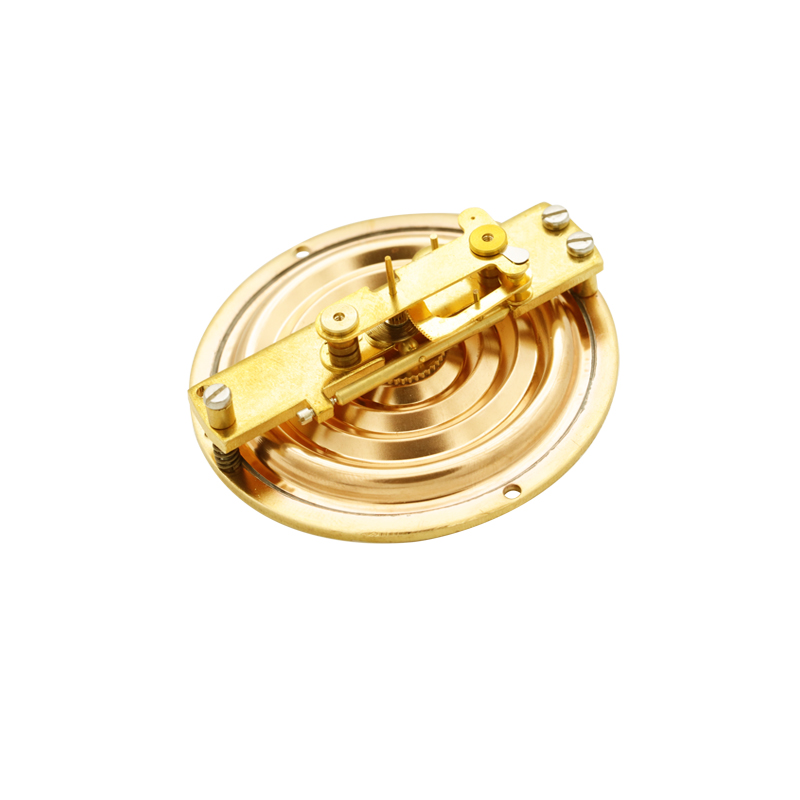
The performance of an auto gauge oil pressure system hinges on accurate transduction of pressure into a readable format. In mechanical gauges, the force exerted by the engine oil on the Bourdon tube is directly proportional to the pressure. This force causes the tube to deflect, rotating a geared mechanism that moves the gauge needle. Engineering considerations include minimizing hysteresis (the difference between readings on increasing and decreasing pressure) and ensuring linearity across the operating pressure range. Digital gauges employ electronic signal conditioning to amplify and convert the transducer output into a digital signal. Force analysis involves determining the maximum stress on the Bourdon tube or transducer diaphragm to prevent yielding or rupture. Environmental resistance is crucial; gauges must operate reliably across a wide temperature range (-40°C to 125°C is typical) and resist vibration and shock. Compliance requirements include adherence to safety standards related to material flammability and electrical isolation. Functional implementation necessitates proper integration with the vehicle’s electrical system (for digital gauges) and appropriate selection of sending unit thread size and pressure range to match the engine’s specifications.
Technical Specifications
| Parameter | Mechanical Gauge | Digital Gauge | Units |
|---|---|---|---|
| Pressure Range | 0-100 PSI | 0-1000 PSI (selectable) | PSI |
| Accuracy | ±3% Full Scale | ±0.5% Full Scale | % |
| Resolution | 1 PSI | 0.1 PSI | PSI |
| Operating Temperature | -20°C to 80°C | -40°C to 105°C | °C |
| Vibration Resistance | 10G | 20G | G |
| Electrical Connection (Digital) | N/A | 12V DC, CAN bus | V/Bus |
Failure Mode & Maintenance
Auto gauge oil pressure systems are susceptible to several failure modes. Mechanical gauges can experience Bourdon tube fatigue cracking, leading to inaccurate readings or complete failure. Corrosion of internal components, particularly in the presence of moisture or acidic contaminants in the oil, is also common. Capillary tube leaks are another frequent issue, resulting in pressure loss and inaccurate readings. Digital gauges may fail due to transducer drift, PCB component failure, or software glitches. Failure analysis often reveals that vibration accelerates fatigue cracking in mechanical gauges. Oxidation of oil can lead to the formation of sludge that clogs the sending unit, causing erroneous readings. Maintenance procedures for mechanical gauges primarily involve periodic visual inspection for leaks and damage. Calibration checks using a certified pressure source should be performed annually. Digital gauges require less frequent maintenance, but regular diagnostic checks using a compatible scan tool are recommended. Replacement of the sending unit is often necessary if the gauge consistently displays inaccurate readings. Preventive maintenance should include regular oil changes to minimize corrosion and sludge formation. Properly torquing the sending unit during installation is critical to prevent leaks.
Industry FAQ
Q: What is the typical lifespan of a mechanical oil pressure gauge?
A: A well-maintained mechanical oil pressure gauge can last 10-15 years, but lifespan is heavily influenced by operating conditions and oil quality. Vibration and corrosion are the primary limiting factors. Regular calibration and visual inspection are crucial for maximizing longevity.
Q: How do I determine if a digital oil pressure gauge is providing an accurate reading?
A: The most reliable method is to compare the digital gauge reading to that of a calibrated mechanical gauge. Discrepancies greater than 5% indicate a potential issue with the digital gauge or its sending unit. Utilizing a vehicle diagnostic scan tool to read live data from the sending unit can also provide valuable insights.
Q: What causes erratic readings on an oil pressure gauge?
A: Erratic readings can be caused by several factors, including air in the system (especially after oil changes), a failing sending unit, a loose electrical connection (for digital gauges), or a partially clogged capillary tube (for mechanical gauges). Thorough system inspection is required to pinpoint the root cause.
Q: Can a low oil level cause a false high oil pressure reading?
A: No, low oil level will generally cause a low oil pressure reading, or no reading at all, as the pump struggles to draw sufficient oil. A false high reading is more likely caused by a malfunctioning sending unit or a calibration error.
Q: What is the significance of oil pressure fluctuating with engine RPM?
A: Oil pressure should increase proportionally with engine RPM. Significant fluctuations or a failure to increase with RPM suggest a problem with the oil pump, oil viscosity, or internal engine wear. This requires immediate investigation.
Conclusion
Auto gauge oil pressure systems are fundamental to engine health monitoring, demanding precise engineering and robust material selection. Whether mechanical or digital, their efficacy relies on accurate pressure transduction, resistance to harsh operating environments, and adherence to stringent industry standards. Understanding the potential failure modes and implementing preventative maintenance practices are vital for ensuring long-term reliability and preventing catastrophic engine damage.
The trend toward digital gauges offers increased accuracy and diagnostic capabilities, aligning with the broader industry shift toward interconnected vehicle systems. However, the simplicity and independence of mechanical gauges ensure their continued relevance, particularly in applications where electrical system failures are a concern. Continued research and development focus on enhancing transducer technology and improving the durability of Bourdon tubes, ultimately leading to more reliable and long-lasting oil pressure measurement systems.
 English
  Arabic
  China
China  China (Taiwan)
  Danish
  Dutch
Dutch  French
  German
  Greek
Greek  Hindi
Hindi  Indonesian
  Italian
  Japanese
  Korean
  Latin
Latin  Polish
  Portuguese
  Russian
  Spanish
  Turkish