
Apr . 01, 2024 17:55 Back to list
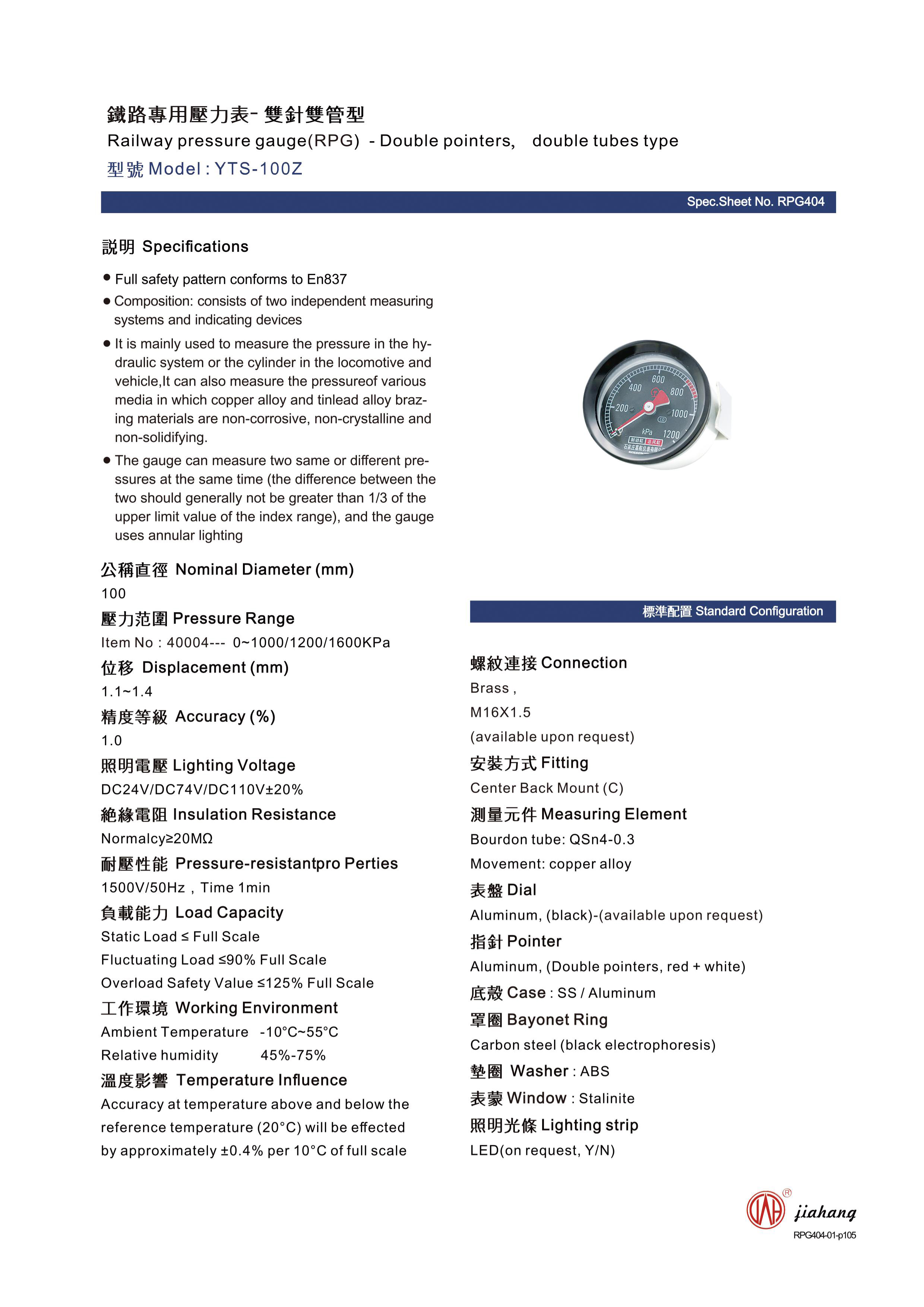
best tyre air pressure gauge Performance Analysis
Introduction
Tyre air pressure gauges are critical components in vehicle maintenance, directly impacting safety, fuel efficiency, and tyre lifespan. Functionally, these gauges measure the air pressure within a pneumatic tyre, presenting a reading typically in pounds per square inch (PSI), bar, or kilopascals (kPa). Unlike simple visual inspections, accurate pressure measurement is essential for optimal tyre performance. Within the automotive aftermarket, gauges range from basic mechanical designs to sophisticated digital models incorporating features like automatic shut-off and memory functions. The core industry challenge revolves around achieving and maintaining calibration accuracy over the gauge’s operational lifespan, a problem compounded by variations in ambient temperature and user handling. This guide provides an in-depth technical overview of tyre air pressure gauges, covering material science, manufacturing processes, performance characteristics, potential failure modes, and relevant industry standards. Accurate tyre inflation, informed by a reliable pressure gauge, is paramount to preventing premature tyre wear, reducing rolling resistance for improved fuel economy, and minimizing the risk of tyre-related accidents.
Material Science & Manufacturing
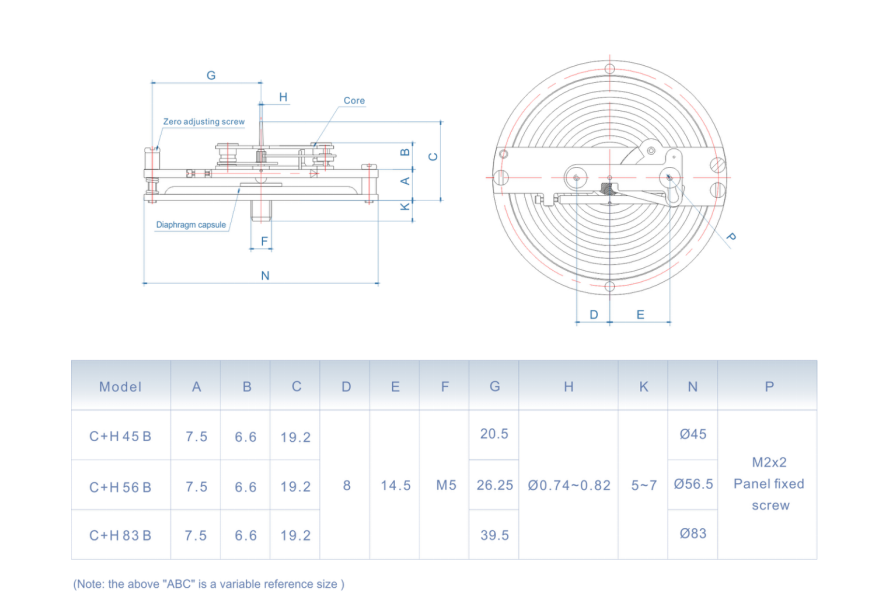
The construction of a tyre air pressure gauge involves several key materials, each selected for specific properties. Gauge housings are commonly constructed from high-impact ABS plastic or stainless steel. ABS provides a balance of cost-effectiveness and durability, resisting cracking and impact damage. Stainless steel offers superior corrosion resistance and a more premium feel. The core pressure-sensing element varies significantly based on gauge type. Mechanical gauges typically employ a Bourdon tube, fabricated from beryllium copper or steel alloys. Beryllium copper is preferred for its high elasticity and resistance to fatigue, allowing for repeated flexing without permanent deformation. Digital gauges utilize piezoresistive pressure sensors, often constructed from silicon. These sensors change electrical resistance proportionally to applied pressure. Manufacturing processes differ significantly. Mechanical gauges require precision tube forming, calibration, and assembly. The Bourdon tube is carefully bent into a C-shape or spiral, heat-treated to maintain its shape, and then linked to a geared movement to amplify and display the pressure reading. Digital gauges involve semiconductor fabrication, circuit board assembly, and display integration. Maintaining tight tolerances during sensor calibration is crucial for accuracy. A critical manufacturing parameter is the temperature compensation algorithm within digital gauges, which mitigates the impact of temperature fluctuations on sensor readings. Quality control incorporates leak testing, accuracy verification against certified standards, and durability assessments to ensure consistent performance.
Performance & Engineering
The performance of a tyre air pressure gauge is defined by its accuracy, repeatability, and operational range. Accuracy refers to the gauge's ability to provide a reading close to the actual tyre pressure. This is typically expressed as a percentage of full scale or as a specific pressure unit (e.g., ±1 PSI). Repeatability assesses the consistency of readings when measuring the same pressure multiple times. High repeatability is essential for reliable comparisons and trend analysis. The operational range specifies the minimum and maximum pressures the gauge can accurately measure. Most automotive gauges cover a range of 0-60 PSI (0-4.14 bar). Engineering considerations focus on minimizing hysteresis – the difference in readings when approaching a pressure from below versus above. Hysteresis is influenced by the material properties of the sensing element and the gauge's mechanical design. For digital gauges, signal conditioning and analog-to-digital conversion are critical aspects. Filtering algorithms are employed to reduce noise and improve signal clarity. Environmental resistance is also important; gauges must withstand temperature variations, humidity, and exposure to automotive fluids. Compliance requirements, such as those outlined by the National Highway Traffic Safety Administration (NHTSA), often specify minimum accuracy standards for tyre pressure gauges sold in the US market. Force analysis on the mechanical linkage within analog gauges assesses stress distribution and fatigue life.
Technical Specifications
| Parameter | Mechanical Gauge | Digital Gauge (Basic) | Digital Gauge (High-End) |
|---|---|---|---|
| Accuracy | ±2 PSI (±0.14 bar) | ±1 PSI (±0.07 bar) | ±0.5 PSI (±0.03 bar) |
| Resolution | 1 PSI (0.07 bar) | 0.1 PSI (0.007 bar) | 0.01 PSI (0.0007 bar) |
| Pressure Range | 0-60 PSI (0-4.14 bar) | 0-60 PSI (0-4.14 bar) | 0-100 PSI (0-6.9 bar) |
| Operating Temperature | -20°C to 60°C (-4°F to 140°F) | -10°C to 50°C (14°F to 122°F) | -20°C to 60°C (-4°F to 140°F) |
| Housing Material | ABS Plastic or Steel | ABS Plastic | Aluminum Alloy or Steel |
| Power Source | None | CR2032 Battery | CR2032 Battery, Auto-Off |
Failure Mode & Maintenance
Tyre air pressure gauges are subject to several potential failure modes. Mechanical gauges commonly experience Bourdon tube fatigue, leading to inaccurate readings or complete failure. Corrosion of the Bourdon tube, especially in environments with high humidity or exposure to road salt, can accelerate fatigue. Gear mechanism wear and lubrication breakdown can also contribute to inaccuracies. Digital gauges are susceptible to sensor drift, battery depletion, and circuit board damage. Sensor drift occurs over time due to changes in the sensor's material properties. Battery leakage can cause corrosion and short circuits. Maintenance for mechanical gauges primarily involves periodic calibration against a certified standard. Lubrication of the gear mechanism may be required. Digital gauges require battery replacement and protection from excessive moisture. Regular accuracy checks are recommended for both types. A common failure symptom is inconsistent readings or readings that deviate significantly from known pressures. Preventive maintenance includes proper storage – avoiding extreme temperatures and physical shock – and careful handling to prevent damage to the sensing element and housing. In cases of significant inaccuracy, replacement is generally recommended over repair, particularly for digital gauges due to the complexity of sensor calibration.
Industry FAQ
Q: What is the typical acceptable tolerance for a tyre pressure gauge used in a commercial fleet setting?
A: For commercial fleets, where precision is paramount for fuel efficiency and safety, an acceptable tolerance is generally ±0.5 PSI (±0.03 bar). Regular calibration, at least every six months, is essential to maintain this level of accuracy. Fleet managers often utilize digital gauges with calibration certificates for traceability.
Q: How does ambient temperature affect the accuracy of a tyre pressure gauge?
A: Ambient temperature influences tyre pressure and gauge readings. As temperature decreases, tyre pressure decreases, and vice versa. Digital gauges with temperature compensation algorithms are designed to mitigate this effect, but even these have limitations. Mechanical gauges are more susceptible to temperature-induced errors, requiring adjustments based on ambient conditions.
Q: What is the difference between a pencil-type gauge and a digital gauge in terms of long-term reliability?
A: Pencil-type (mechanical) gauges are generally more robust in terms of physical damage, but they are prone to calibration drift and wear over time. Digital gauges offer greater accuracy and repeatability but are more susceptible to electronic failures due to battery issues or sensor drift. Long-term reliability depends heavily on quality of construction and proper maintenance for both types.
Q: What are the implications of using an inaccurate tyre pressure gauge?
A: Using an inaccurate gauge can lead to under- or over-inflation. Under-inflation increases rolling resistance, reducing fuel economy and increasing tyre wear. It also poses a safety risk, increasing the likelihood of tyre failure. Over-inflation can lead to a harsh ride, reduced traction, and increased susceptibility to impact damage.
Q: Are there any specific standards for the calibration of tyre pressure gauges?
A: Calibration is typically traceable to NIST (National Institute of Standards and Technology) standards. Calibration laboratories use certified reference standards to verify the accuracy of tyre pressure gauges. Documentation, including a calibration certificate, demonstrates compliance and traceability.
Conclusion
Tyre air pressure gauges, despite appearing simple, are precision instruments critical for vehicle safety and performance. The selection of a gauge – mechanical or digital – depends on the application's specific requirements, balancing factors like accuracy, durability, and budget. The underlying material science and manufacturing processes directly influence the gauge's operational life and reliability. Maintaining accuracy through regular calibration and proper maintenance is paramount, particularly in commercial fleet applications.
Looking ahead, advancements in sensor technology and data connectivity are likely to drive further innovation in tyre pressure monitoring systems. Integration with vehicle telematics and real-time pressure reporting will provide proactive insights into tyre health, further enhancing safety and efficiency. Continuous improvement in temperature compensation algorithms and the development of more robust sensing elements will contribute to increased gauge accuracy and longevity.
 English
  Arabic
  China
China  China (Taiwan)
  Danish
  Dutch
Dutch  French
  German
  Greek
Greek  Hindi
Hindi  Indonesian
  Italian
  Japanese
  Korean
  Latin
Latin  Polish
  Portuguese
  Russian
  Spanish
  Turkish