
Apr . 01, 2024 17:55 Back to list
car ac pressure gauge Performance Analysis
Introduction
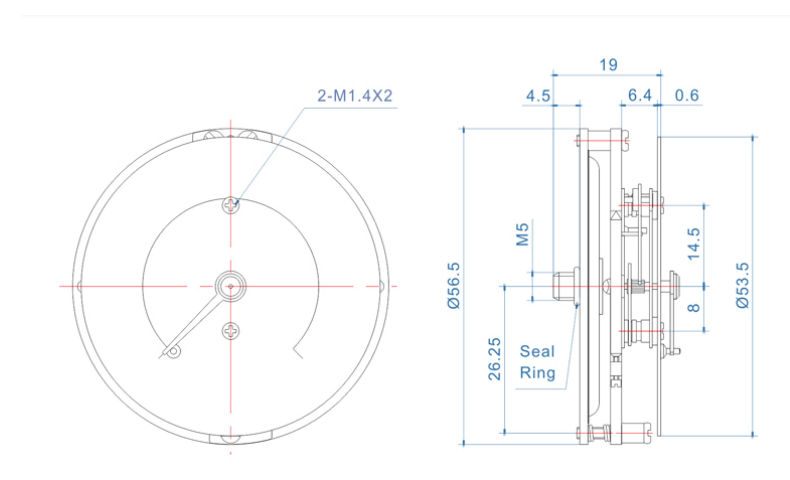
The car AC pressure gauge is a critical diagnostic tool used in automotive air conditioning systems to measure the refrigerant pressure within both the high and low sides of the system. Positioned within the refrigerant lines, these gauges provide technicians with essential data to assess system performance, identify leaks, and diagnose malfunctions. Unlike simple pressure indicators, modern gauges frequently incorporate analog or digital displays, along with color-coded ranges to quickly indicate normal, low, or high-pressure conditions. They function on the Bourdon tube principle, utilizing the mechanical deformation of a curved tube to indicate pressure. Core performance characteristics include accuracy of pressure readings (typically ±1 PSI), operating temperature range (-40°C to 120°C), compatibility with various refrigerants (R-134a, R-1234yf, and others), and resistance to vibration and corrosion inherent in the automotive environment. A malfunctioning AC pressure gauge can lead to incorrect diagnoses, inefficient AC operation, and potential damage to system components, representing a significant pain point for automotive repair facilities.
Material Science & Manufacturing
The construction of a car AC pressure gauge necessitates a careful selection of materials due to the harsh operating environment and the potentially corrosive nature of refrigerants. The Bourdon tube is typically manufactured from beryllium copper alloys (e.g., CuBe184) due to their high tensile strength, excellent elasticity, and resistance to corrosion from refrigerants and lubricating oils. The gauge housing is commonly formed from injection-molded ABS plastic, chosen for its impact resistance, low cost, and ease of manufacturing. Glass for the gauge face requires high clarity and resistance to UV degradation. The connector fittings, which interface with the AC lines, are typically made from brass (CZ132) or stainless steel (304 or 316) to ensure a leak-proof seal and compatibility with refrigerant. Manufacturing processes involve precision bending and annealing of the Bourdon tube to achieve the required spring characteristics. Leak testing is a critical step, utilizing helium leak detection to ensure zero leakage. The assembly process is often automated, employing robotic systems to ensure consistent quality. Key parameter control during manufacturing includes strict dimensional tolerances for the Bourdon tube (affecting accuracy), proper sealing of the gauge housing (preventing moisture ingress), and calibration against NIST-traceable standards.
Performance & Engineering
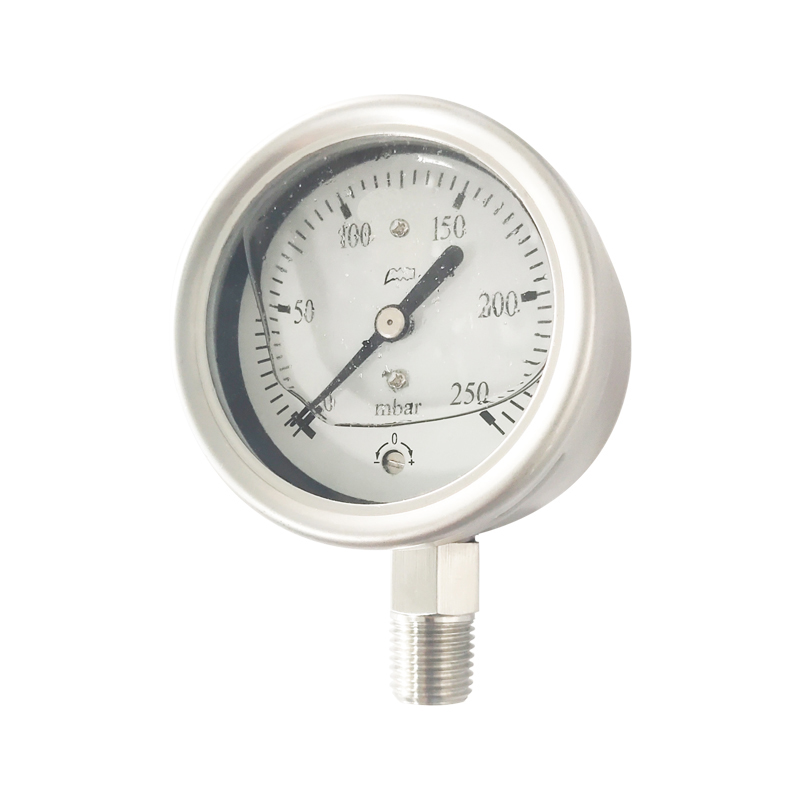
The performance of a car AC pressure gauge is deeply rooted in principles of fluid mechanics and materials science. Force analysis considers the internal pressure of the refrigerant acting on the Bourdon tube's cross-sectional area, resulting in a proportional deflection. The linkage mechanism translates this deflection into a rotational movement of the pointer. Environmental resistance is crucial, requiring the gauge to withstand temperature fluctuations, vibration, and exposure to road salts and other contaminants. Compliance requirements mandate adherence to SAE J197 standards for refrigerant handling and leak testing. Functional implementation relies on accurate calibration; each gauge undergoes a rigorous calibration process to ensure it provides precise readings across its operating range. A significant engineering challenge is minimizing hysteresis – the difference in readings between increasing and decreasing pressure. This is addressed through material selection (reducing elastic deformation) and precise mechanical design of the linkage. Failure analysis reveals that excessive vibration can lead to fatigue failure of the Bourdon tube, while exposure to incompatible chemicals can cause corrosion and inaccurate readings. Proper installation, including the use of thread sealant and torque specifications, is essential to prevent leaks and maintain accurate performance.
Technical Specifications
| Parameter | Unit | Typical Value (R-134a System) | Accuracy |
|---|---|---|---|
| Pressure Range (Low Side) | PSI | 25-55 | ±1 PSI |
| Pressure Range (High Side) | PSI | 150-250 | ±2 PSI |
| Operating Temperature | °C | -40 to 120 | N/A |
| Refrigerant Compatibility | - | R-134a, R-1234yf, R-12 | 100% |
| Housing Material | - | ABS Plastic | N/A |
| Bourdon Tube Material | - | Beryllium Copper Alloy (CuBe184) | N/A |
Failure Mode & Maintenance
Common failure modes in car AC pressure gauges include Bourdon tube rupture due to overpressure or fatigue cracking caused by prolonged vibration. Corrosion, particularly from moisture ingress or incompatible chemicals, can lead to inaccurate readings and eventual gauge failure. Leakage around the fittings is another frequent issue, resulting in pressure loss and diagnostic errors. Delamination of the gauge face coating can occur due to UV exposure. Oxidation of the Bourdon tube material, though less common, can also contribute to performance degradation. Maintenance typically involves visual inspection for physical damage, checking for leaks using soap bubble solution, and verifying calibration against a known standard. Periodic cleaning to remove dirt and contaminants is also recommended. In case of a ruptured Bourdon tube, the entire gauge must be replaced. Preventative maintenance includes proper installation, avoiding overpressure situations, and protecting the gauge from harsh chemicals. Regular calibration, ideally annually, ensures continued accuracy. Ignoring minor leaks or inaccuracies can lead to misdiagnosis of AC system problems and potentially costly repairs.
Industry FAQ
Q: What is the impact of refrigerant type on the pressure gauge reading?
A: Different refrigerants operate at different pressures for the same operating temperature. R-1234yf, for example, generally operates at higher pressures than R-134a. Therefore, it’s crucial to use a pressure gauge calibrated for the specific refrigerant in the system. Using a gauge calibrated for R-134a on an R-1234yf system will result in inaccurate readings and potentially misdiagnosis.
Q: How can I verify the accuracy of an AC pressure gauge?
A: The most accurate method is to compare the gauge reading to a calibrated, NIST-traceable digital pressure transducer. Alternatively, you can compare readings to those of a known-good gauge. However, discrepancies can be subtle, so a high-precision transducer is preferred. Regular calibration by a certified calibration laboratory is highly recommended.
Q: What causes a fluctuating pressure reading on the gauge?
A: Fluctuating readings can indicate several issues, including a failing compressor, a restriction in the refrigerant lines (e.g., a clogged orifice tube), or air and moisture within the system. It can also be caused by a loose electrical connection if the gauge is a digital model. A thorough system inspection is required to identify the root cause.
Q: Can vibration damage the Bourdon tube over time?
A: Yes, prolonged exposure to vibration, particularly in automotive applications, can lead to fatigue cracking of the Bourdon tube. This is especially true if the gauge is not securely mounted or if it is subjected to excessive shock loads. Using vibration-dampening mounts can help mitigate this risk.
Q: What should I do if I suspect a leak around the gauge fittings?
A: Immediately isolate the system and evacuate the refrigerant. Carefully inspect the fittings for cracks or damage. Tighten the fittings to the manufacturer's specified torque. If tightening does not resolve the leak, replace the fittings or the entire gauge. Always use appropriate thread sealant designed for refrigerant systems.
Conclusion
The car AC pressure gauge remains an indispensable tool for diagnosing and maintaining automotive air conditioning systems. Its functionality relies on a precise interplay of material science, engineering design, and accurate calibration. Understanding the underlying principles of operation, potential failure modes, and proper maintenance procedures is critical for ensuring reliable performance and preventing costly system repairs. The ongoing transition to new refrigerants, such as R-1234yf, necessitates the use of gauges specifically calibrated for these substances to maintain diagnostic accuracy.
Future developments may focus on integrating wireless connectivity and data logging capabilities into AC pressure gauges, allowing for remote monitoring and trend analysis. Advancements in sensor technology could also lead to smaller, more durable, and more accurate gauges. Continued adherence to industry standards (SAE, ASHRAE) and rigorous quality control measures will be crucial for maintaining the reliability and performance of these essential diagnostic tools.
 English
  Arabic
  China
China  China (Taiwan)
  Danish
  Dutch
Dutch  French
  German
  Greek
Greek  Hindi
Hindi  Indonesian
  Italian
  Japanese
  Korean
  Latin
Latin  Polish
  Portuguese
  Russian
  Spanish
  Turkish