
Apr . 01, 2024 17:55 Back to list
car vacuum pressure gauge Performance Analysis
Introduction
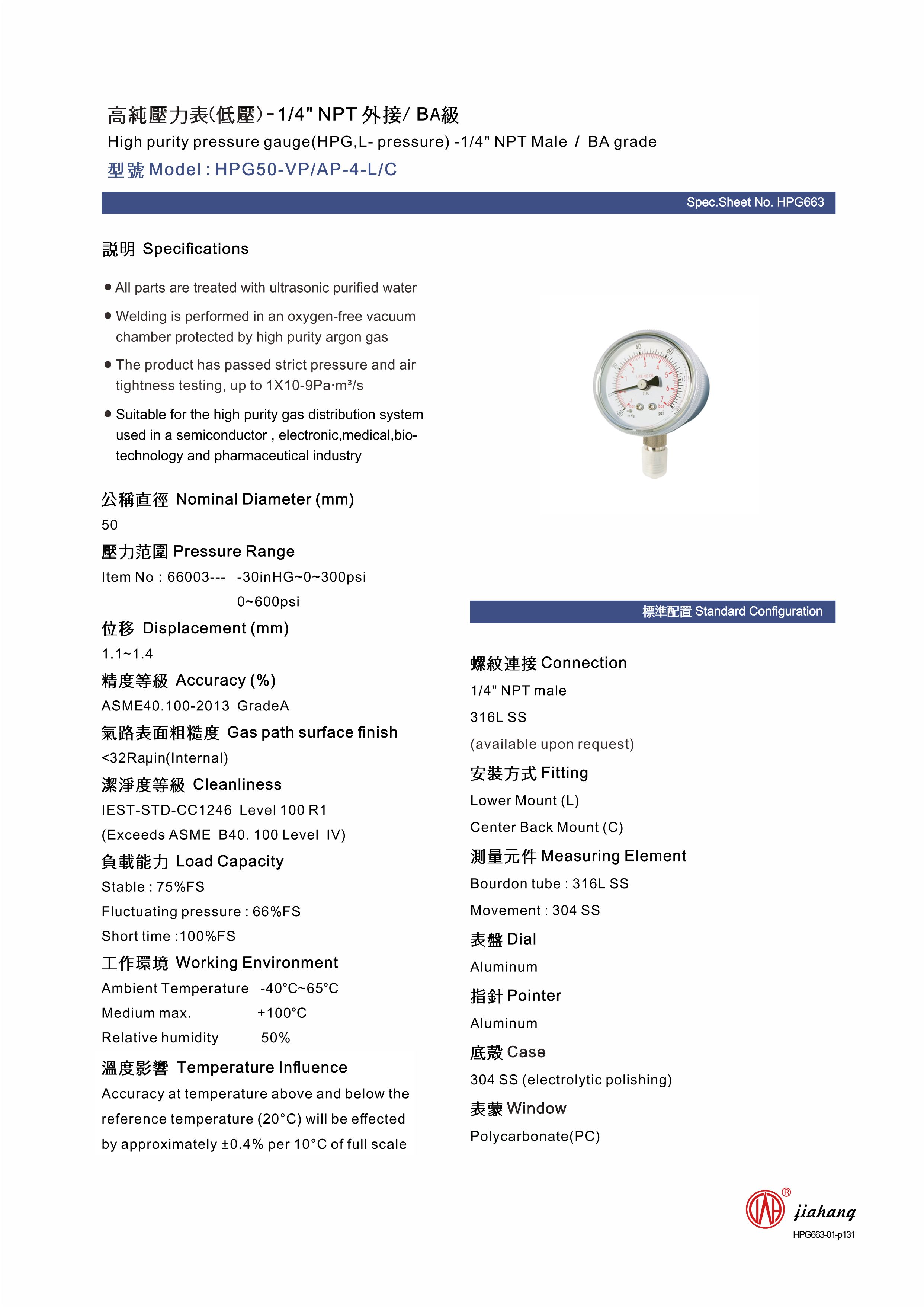
The car vacuum pressure gauge is a critical diagnostic tool utilized within the automotive maintenance and repair industry. Functioning as a manometer, it measures the manifold vacuum, a key indicator of engine health and performance. Positioned within the automotive diagnostic toolchain, it provides data essential for identifying issues related to fuel mixture, ignition timing, valve operation, and intake manifold leaks. Core performance characteristics center around accuracy, responsiveness, and durability under harsh automotive operating conditions. Vacuum measurement, typically expressed in inches of mercury (inHg) or kilopascals (kPa), provides a quantitative assessment of the negative pressure within the engine’s intake manifold. Deviations from factory specifications, documented in vehicle service manuals, often signify underlying mechanical or system malfunctions.
Material Science & Manufacturing
The typical car vacuum pressure gauge comprises several key components, each with specific material requirements. The housing is commonly constructed from ABS plastic or polypropylene, selected for their impact resistance and cost-effectiveness. The Bourdon tube, the core sensing element, is manufactured from beryllium copper or a high-grade steel alloy (often a manganese-molybdenum alloy) to ensure elasticity, resilience, and resistance to fatigue failure under cyclical loading. The gauge face utilizes a polycarbonate substrate for clarity and durability, often with a printed scale utilizing UV-cured inks for long-term legibility. Manufacturing processes vary depending on gauge complexity. Bourdon tube fabrication involves precise cold forming and heat treatment to achieve desired spring characteristics. Assembly incorporates automated welding techniques for connecting the tube to the movement mechanism. Parameter control during manufacturing is crucial. Bourdon tube dimensions must adhere to stringent tolerances (typically +/- 0.02mm) to guarantee accuracy. Heat treatment processes require precise temperature control and quenching rates to optimize material properties. Calibration is performed using precision vacuum pumps and calibrated reference gauges, with adjustments made to the movement mechanism to ensure conformance to industry standards.
Performance & Engineering
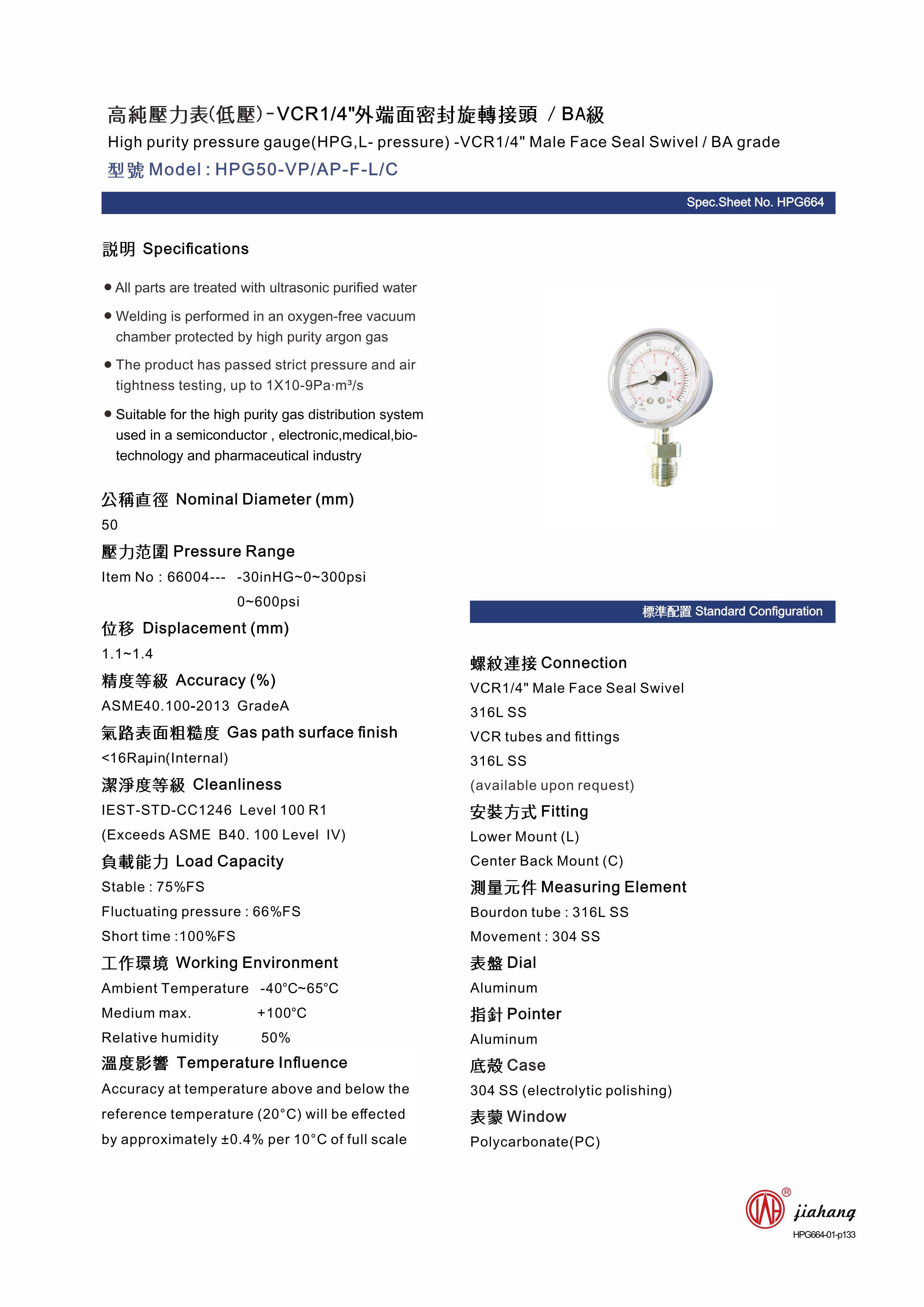
The performance of a car vacuum pressure gauge relies heavily on accurate force analysis and environmental resistance. The Bourdon tube undergoes significant stress during operation, with the applied vacuum force causing it to deflect. The magnitude of deflection is directly proportional to the vacuum level, providing the basis for the gauge reading. Engineering considerations include minimizing hysteresis (the difference between readings during increasing and decreasing vacuum) and ensuring linearity across the gauge’s range. Environmental resistance is paramount, as gauges are subjected to temperature fluctuations, vibration, and exposure to automotive fluids. The housing must provide adequate sealing against moisture and dust ingress (typically meeting IP40 or IP54 ingress protection ratings). The gauge movement mechanism is often damped with silicone oil to mitigate the effects of vibration and provide a stable reading. Compliance requirements are dictated by automotive diagnostic standards and calibration procedures. Gauges are typically calibrated to NIST-traceable standards to ensure accuracy and repeatability. Furthermore, certain gauges may need to comply with electromagnetic compatibility (EMC) directives to prevent interference with other vehicle systems.
Technical Specifications
| Parameter | Units | Typical Value | Tolerance |
|---|---|---|---|
| Measurement Range | inHg | 0-30 | ±1 |
| Resolution | inHg | 0.1 | N/A |
| Accuracy | % Full Scale | 2 | ±0.5 |
| Operating Temperature | °F | -4 to 158 | N/A |
| Housing Material | N/A | ABS Plastic | N/A |
| Bourdon Tube Material | N/A | Beryllium Copper | N/A |
Failure Mode & Maintenance
Car vacuum pressure gauges are susceptible to several failure modes. A common issue is Bourdon tube fatigue cracking, arising from repeated stress cycles and exceeding the material's endurance limit. This manifests as inaccurate readings or complete gauge failure. Another frequent failure is leakage within the gauge housing, leading to a loss of vacuum and inaccurate readings. This is often caused by deteriorated seals or cracks in the housing. Calibration drift is a gradual phenomenon, occurring over time due to mechanical wear or environmental factors. This results in systematic errors in the readings. Delamination of the gauge face printing can occur due to UV exposure or abrasion, impacting readability. Oxidation of the Bourdon tube, particularly in environments with high humidity, can reduce its elasticity and accuracy. Maintenance procedures include regular visual inspection for cracks or leaks. Periodic calibration (typically annually) using a certified reference gauge is essential. Cleaning the gauge face with a mild detergent and soft cloth can prevent the accumulation of dirt and grime. Avoid exposing the gauge to extreme temperatures or corrosive chemicals. If the Bourdon tube is damaged, the entire gauge assembly typically requires replacement.
Industry FAQ
Q: What is the significance of a consistently low vacuum reading?
A: A consistently low vacuum reading generally indicates a vacuum leak within the engine's intake system. This can be caused by a cracked intake manifold gasket, a faulty vacuum hose, a leaking PCV valve, or a malfunctioning EGR valve. A vacuum leak disrupts the air-fuel mixture, leading to reduced engine performance and potentially increased emissions.
Q: How does altitude affect vacuum readings?
A: Altitude significantly impacts vacuum readings. As altitude increases, atmospheric pressure decreases, resulting in a lower vacuum reading at idle. It's crucial to account for altitude when diagnosing engine issues, as readings should be compared to the manufacturer's specifications for the specific altitude.
Q: What is the role of the gauge’s damping fluid?
A: The damping fluid, typically silicone oil, serves to stabilize the gauge needle and reduce the effects of vibration. This ensures a smooth and readable indication, preventing erratic fluctuations that could hinder accurate diagnosis. Without damping, the needle would oscillate rapidly, making it difficult to obtain a stable reading.
Q: How often should a vacuum gauge be recalibrated?
A: A vacuum gauge should be recalibrated at least annually, or more frequently if it is subjected to harsh operating conditions or has been dropped. Regular calibration ensures the gauge maintains its accuracy and provides reliable readings, crucial for proper engine diagnostics.
Q: Can a vacuum gauge help diagnose internal engine problems?
A: Yes, a vacuum gauge can provide valuable insights into internal engine problems. Irregular vacuum fluctuations can indicate issues such as worn piston rings, leaking valves, or a faulty camshaft. Analyzing the pattern of vacuum fluctuations can help pinpoint the source of the internal engine issue.
Conclusion
The car vacuum pressure gauge remains a vital, albeit often underestimated, tool in modern automotive diagnostics. Its ability to provide a quantitative measurement of manifold vacuum allows technicians to efficiently identify a broad spectrum of engine-related problems, from simple vacuum leaks to more complex internal engine issues. Understanding the underlying material science, manufacturing processes, and potential failure modes is crucial for selecting a reliable gauge and interpreting the readings accurately.
Future advancements in vacuum gauge technology may involve digital interfaces, data logging capabilities, and integration with vehicle diagnostic systems. However, the fundamental principle of measuring manifold vacuum will continue to be a cornerstone of automotive maintenance and repair. Ensuring proper calibration and adhering to established industry standards remain paramount for maintaining accuracy and ensuring reliable diagnostic results.
 English
  Arabic
  China
China  China (Taiwan)
  Danish
  Dutch
Dutch  French
  German
  Greek
Greek  Hindi
Hindi  Indonesian
  Italian
  Japanese
  Korean
  Latin
Latin  Polish
  Portuguese
  Russian
  Spanish
  Turkish