
Apr . 01, 2024 17:55 Back to list
digital air pressure gauge Performance Analysis
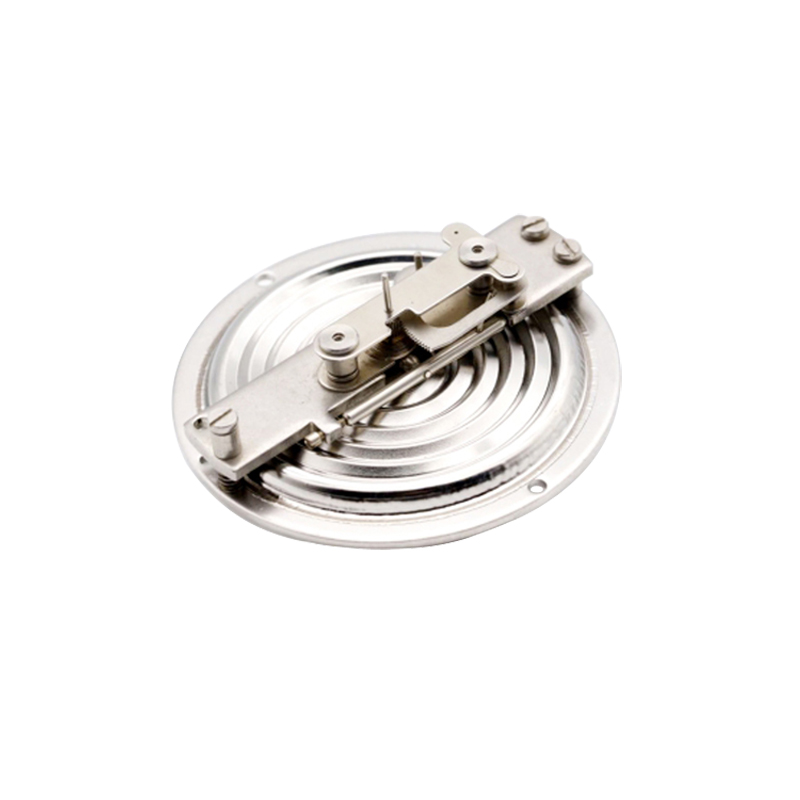
Introduction
Digital air pressure gauges represent a significant advancement in pneumatic and hydraulic system monitoring. Unlike traditional analog gauges relying on mechanical movements, these devices utilize piezoelectric or strain gauge sensors coupled with analog-to-digital converters (ADCs) and digital displays. This technology provides enhanced accuracy, resolution, and data logging capabilities critical in modern industrial applications. Positioned within the broader industrial instrumentation chain, digital air pressure gauges function as essential feedback components for process control, equipment maintenance, and safety systems. Core performance characteristics include measurement range, accuracy (expressed as a percentage of full scale – %FS), resolution, update rate, and environmental operating parameters. A key industry pain point is the need for reliable, drift-free measurements capable of integration into complex automation architectures. The evolution of these gauges has been driven by demands for predictive maintenance, reduced downtime, and increased process efficiency.
Material Science & Manufacturing
The construction of digital air pressure gauges involves a diverse array of materials selected for specific physical and chemical properties. Sensor elements are frequently fabricated from silicon (Si) due to its piezoelectric properties or from nickel-chromium alloys (Nichrome) for strain gauge construction, offering high gauge factors and temperature stability. The gauge housing is commonly constructed from stainless steel (304 or 316) providing corrosion resistance and mechanical strength, or from reinforced polymers like polycarbonate (PC) or acrylonitrile butadiene styrene (ABS) for lighter-weight applications. Manufacturing processes vary depending on the component. Sensor diaphragms are often produced via micro-electromechanical systems (MEMS) etching techniques, ensuring precise dimensions and consistent performance. Strain gauges are typically manufactured using thin-film deposition followed by photolithography. Housing components are produced using injection molding (for polymers) or machining and welding (for stainless steel). Critical parameter control during manufacturing includes sensor calibration (zero and span adjustment), temperature compensation, and linearity correction. Chemical compatibility of sealing materials (e.g., nitrile rubber, Viton) with the measured media is also crucial to prevent degradation and leakage. Adhesive bonding processes must be carefully controlled to ensure robust sensor mounting and signal integrity. The LCD display utilizes liquid crystal materials and polarized films; precise alignment and control of the liquid crystal layer are vital for optimal visibility.

Performance & Engineering
The performance of a digital air pressure gauge is fundamentally governed by force analysis relating applied pressure to sensor deflection. For diaphragm-type sensors, the relationship is non-linear, necessitating linearization algorithms implemented in the gauge's microcontroller. The sensor's spring rate and diaphragm dimensions dictate its sensitivity and range. Environmental resistance is a critical engineering consideration. Temperature variations can induce zero drift and span errors; therefore, temperature compensation circuitry is essential. Humidity can affect the sensor’s output and cause corrosion of internal components; sealed housings and conformal coatings are employed for protection. Vibration and shock can cause sensor fatigue and signal noise. Robust mechanical design and damping materials mitigate these effects. Compliance requirements, such as those outlined by the National Institute of Standards and Technology (NIST) for traceability and accuracy, influence calibration procedures and documentation. Functional implementation involves signal conditioning circuitry (amplification, filtering), ADC conversion, digital processing (linearization, temperature compensation), and display control. Data communication protocols (e.g., Modbus, HART) are often integrated to enable remote monitoring and control. Long-term stability is paramount, requiring selection of materials with low creep and hysteresis.
Technical Specifications
| Parameter | Unit | Typical Value | Tolerance |
|---|---|---|---|
| Measurement Range | psi | 0-10,000 | ±1% FS |
| Accuracy | %FS | 0.25 | ±0.05% FS |
| Resolution | psi | 0.1 | N/A |
| Update Rate | Hz | 10 | ±1 Hz |
| Operating Temperature | °C | -20 to 85 | ±2°C |
| Media Compatibility | - | Air, Nitrogen, Hydraulic Oil | Consult compatibility chart |
Failure Mode & Maintenance
Digital air pressure gauges are susceptible to several failure modes. Fatigue cracking of the sensor diaphragm can occur due to repeated pressure cycling, particularly at high pressures. Delamination of thin-film strain gauges can result from thermal stress or improper bonding. Degradation of the LCD display can occur due to UV exposure or prolonged high-temperature operation. Oxidation of internal electrical contacts can lead to signal loss or intermittent readings. Zero drift, caused by sensor aging or temperature fluctuations, can compromise accuracy. Electrical failures within the signal conditioning circuitry or microcontroller are also possible. Preventive maintenance includes regular calibration (at least annually) to ensure accuracy and traceability. Visual inspection for physical damage (e.g., cracks, leaks) should be performed routinely. Cleaning the gauge housing with a mild detergent can prevent corrosion. Periodically checking and tightening electrical connections can prevent signal loss. If the gauge is exposed to harsh environments, consider using a protective enclosure. In case of failure, the sensor element typically requires replacement. Careful handling during disassembly and reassembly is critical to avoid damaging sensitive components. Software recalibration is essential after sensor replacement.
Industry FAQ
Q: What is the impact of media temperature on the accuracy of the gauge?
A: Media temperature significantly affects accuracy. Increased temperature alters the sensor’s zero point and span. Most high-precision gauges incorporate temperature compensation circuitry; however, exceeding the specified temperature range can still introduce errors. Selecting a gauge with a suitable temperature rating and implementing external cooling or heating if necessary is crucial.
Q: How do I ensure data integrity when transmitting readings wirelessly?
A: Data integrity relies on robust wireless communication protocols and encryption. Utilize protocols like Modbus TCP/IP with TLS encryption or HART with secure messaging. Implement error detection and correction mechanisms. Regular signal strength monitoring and antenna placement optimization are also important.
Q: What is the expected lifespan of a digital air pressure gauge in a demanding industrial environment?
A: The lifespan depends heavily on operating conditions and maintenance. With proper calibration and maintenance, a high-quality gauge can operate reliably for 5-10 years. Harsh environments (vibration, extreme temperatures, corrosive media) can shorten the lifespan. Consider using a gauge specifically designed for those conditions.
Q: What are the advantages of using a digital gauge over a traditional analog gauge for process control?
A: Digital gauges offer several advantages. Higher accuracy and resolution, the ability to log data for trend analysis, and seamless integration with process control systems via digital communication protocols are key benefits. Digital gauges also eliminate parallax errors inherent in analog readings.
Q: How does the choice of pressure port material affect the performance and longevity of the gauge?
A: The pressure port material must be compatible with the measured media. Stainless steel is generally recommended for corrosive fluids. Using incompatible materials can lead to corrosion, leaks, and inaccurate readings. The port’s internal geometry should also minimize pressure drop and turbulence.
Conclusion
Digital air pressure gauges represent a critical component in modern industrial monitoring and control systems. Their superior accuracy, resolution, and data logging capabilities compared to traditional analog gauges address key industry pain points related to process optimization, predictive maintenance, and safety. Careful consideration of material science, manufacturing processes, performance parameters, and potential failure modes is essential for selecting and maintaining these devices.
The ongoing trend towards Industry 4.0 and the Industrial Internet of Things (IIoT) will continue to drive innovation in digital air pressure gauge technology. Future developments will likely focus on miniaturization, wireless connectivity, improved sensor robustness, and advanced data analytics capabilities, further enhancing their role in achieving greater operational efficiency and reliability.
 English
  Arabic
  China
China  China (Taiwan)
  Danish
  Dutch
Dutch  French
  German
  Greek
Greek  Hindi
Hindi  Indonesian
  Italian
  Japanese
  Korean
  Latin
Latin  Polish
  Portuguese
  Russian
  Spanish
  Turkish