
Apr . 01, 2024 17:55 Back to list
digital tire pressure gauge Performance Analysis
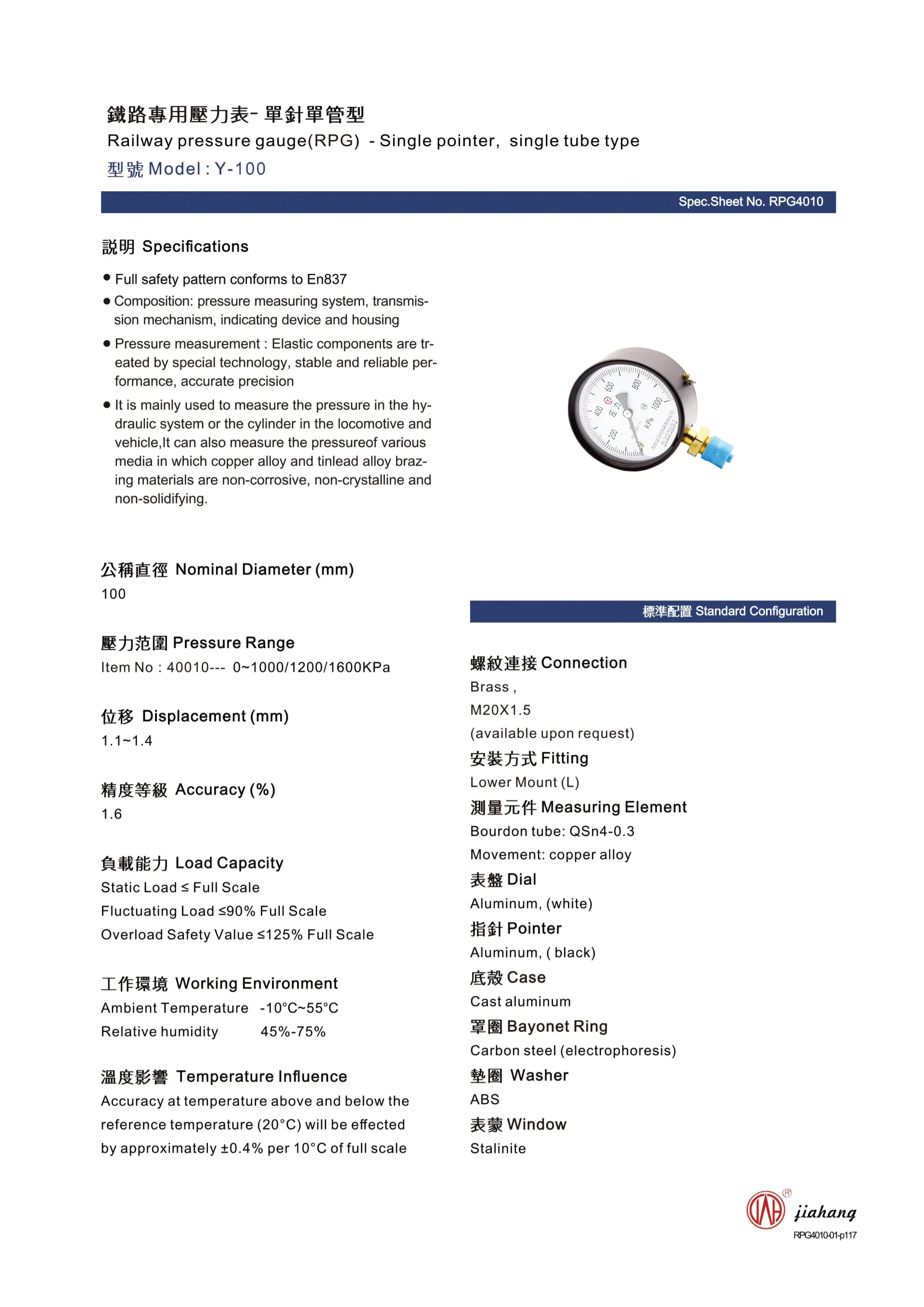
Introduction
Digital tire pressure gauges are precision instruments utilized to determine the air pressure within pneumatic tires. Positioned within the automotive aftermarket and vehicle maintenance sectors, these gauges have largely superseded analog counterparts due to their enhanced accuracy, digital display, and ease of use. Their core performance characteristics center on providing repeatable and reliable pressure readings in PSI, BAR, kPa, or other standardized units, critical for optimizing fuel efficiency, tire longevity, and vehicle safety. The industry faces continuous pressure to improve accuracy, durability, and incorporate wireless communication capabilities for real-time monitoring systems (TPMS integration). Proper tire inflation, facilitated by these gauges, mitigates risks associated with under-inflation (increased rolling resistance, overheating) and over-inflation (reduced contact patch, compromised ride comfort and braking).
Material Science & Manufacturing
The construction of a digital tire pressure gauge involves several key materials and manufacturing processes. The pressure sensor itself typically employs a piezoresistive silicon diaphragm. Silicon's high sensitivity to stress, combined with its linearity and minimal hysteresis, makes it ideal for accurate pressure transduction. The diaphragm is manufactured using micro-electromechanical systems (MEMS) fabrication techniques, including etching, deposition, and doping to create the sensitive element. The gauge housing is commonly constructed from ABS plastic or reinforced polymers for impact resistance and lightweight characteristics. Stainless steel is frequently used for the air chuck and internal components requiring corrosion resistance. The digital display utilizes an LCD (Liquid Crystal Display) module, often driven by a low-power microcontroller.
Manufacturing involves several stages: MEMS sensor fabrication, electronic component assembly (PCB population), housing molding, and final calibration. Critical parameters during sensor fabrication include maintaining precise dopant concentrations and ensuring uniform diaphragm thickness. PCB assembly requires stringent quality control to guarantee solder joint integrity and component placement accuracy. Housing molding requires control of injection pressure, temperature, and cooling rates to prevent warping or deformation. Calibration is paramount; gauges are calibrated against NIST-traceable pressure standards using automated calibration systems to minimize errors and ensure accuracy across the specified pressure range. Chemical compatibility of materials with tire inflation gases (primarily nitrogen and compressed air) is considered to prevent material degradation over time.
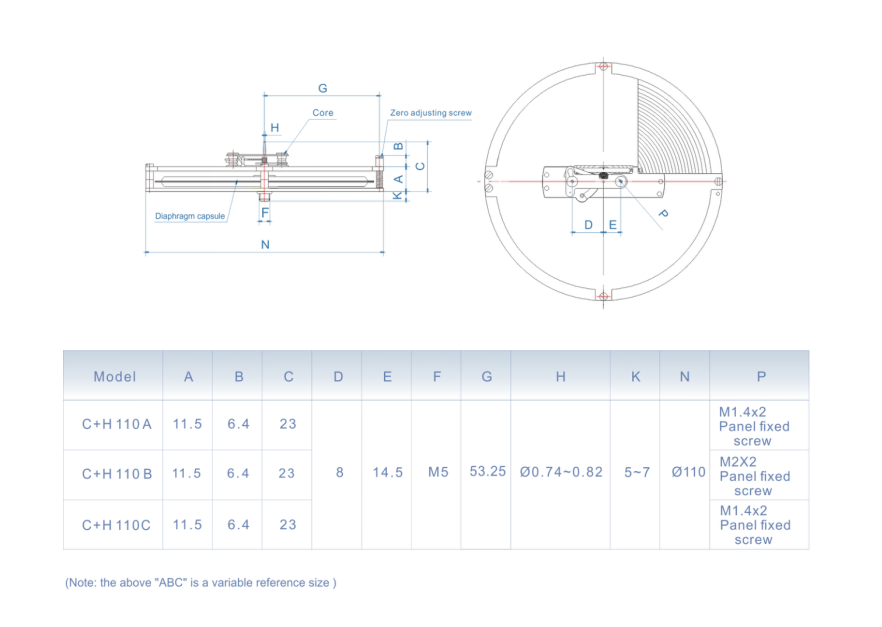
Performance & Engineering
The performance of a digital tire pressure gauge hinges on its ability to accurately and reliably measure pressure across a defined range, typically 0-100 PSI (6.9 BAR). Force analysis centers around the transduction of pneumatic pressure into an electrical signal by the piezoresistive sensor. The pressure exerted on the silicon diaphragm causes a change in its electrical resistance, which is then amplified and processed by the microcontroller. Environmental resistance is crucial; gauges must operate reliably in a wide range of temperatures (-20°C to 60°C) and humidity levels. Sealing of the electronic components is essential to prevent moisture ingress and corrosion.
Engineering considerations include minimizing non-linearity and hysteresis in the sensor response. Temperature compensation algorithms are implemented in the microcontroller firmware to mitigate the effects of temperature variations on the sensor output. The air chuck design impacts sealing performance and ease of use. Ergonomics are also important, influencing user comfort and the ability to obtain accurate readings. Compliance requirements include adherence to industry standards for accuracy (ISO 4414), safety (IEC 61010-1), and electromagnetic compatibility (EMC). Battery life and power management are significant engineering challenges, as gauges are often used in remote locations without access to external power sources.
Technical Specifications
| Parameter | Specification | Accuracy | Operating Temperature |
|---|---|---|---|
| Pressure Range | 0-100 PSI (0-6.9 BAR) | ±0.5 PSI (±0.034 BAR) | -20°C to 60°C (-4°F to 140°F) |
| Resolution | 0.1 PSI (0.007 BAR) | ||
| Units | PSI, BAR, kPa | ||
| Power Source | 3V Button Cell Battery (CR2032) | ||
| Display Type | LCD | ||
| Housing Material | ABS Plastic |
Failure Mode & Maintenance
Common failure modes for digital tire pressure gauges include sensor drift, LCD failure, battery leakage, and air chuck damage. Sensor drift occurs over time due to aging of the silicon diaphragm or changes in the electronic components. This results in inaccurate readings and necessitates recalibration. LCD failure can manifest as dimming, pixelation, or complete loss of display. Battery leakage can cause corrosion of internal components, leading to malfunction. Air chuck damage, such as cracking or deformation, can result in air leaks and inaccurate pressure readings. Fatigue cracking around the air chuck connection point is a prevalent mechanical failure.
Maintenance recommendations include periodic calibration (at least annually), battery replacement as needed, and careful handling to avoid dropping or impacting the gauge. The air chuck should be inspected regularly for damage and replaced if necessary. Avoid exposing the gauge to extreme temperatures or corrosive chemicals. Cleaning should be performed with a mild detergent and water. If the gauge exhibits significant inaccuracies or malfunctions, it should be returned to the manufacturer for repair or replacement. Proper storage in a dry, dust-free environment will extend the gauge's lifespan.
Industry FAQ
Q: What is the typical accuracy of a digital tire pressure gauge and how is it ensured?
A: A typical digital tire pressure gauge has an accuracy of ±0.5 PSI (±0.034 BAR). This is ensured through rigorous calibration against NIST-traceable pressure standards during manufacturing and periodic recalibration. The quality of the piezoresistive sensor, temperature compensation algorithms, and the precision of the analog-to-digital converter also contribute to overall accuracy.
Q: How do temperature variations affect the readings of a digital tire pressure gauge?
A: Temperature variations can significantly affect the readings of a digital tire pressure gauge due to changes in the sensor's sensitivity and the expansion/contraction of the internal components. Sophisticated gauges incorporate temperature compensation algorithms in their firmware to minimize these effects and provide accurate readings across a wide temperature range.
Q: What is the expected lifespan of a digital tire pressure gauge?
A: The expected lifespan of a digital tire pressure gauge is typically 3-5 years, depending on usage frequency and environmental conditions. Regular maintenance, including battery replacement and proper storage, can extend its lifespan. The lifespan is also impacted by the quality of the components and manufacturing processes.
Q: What materials are resistant to degradation from exposure to nitrogen inflation systems?
A: While compressed air is most common, some facilities utilize nitrogen inflation. Stainless steel, PTFE (Teflon), and certain grades of engineered polymers (like Viton) exhibit excellent resistance to nitrogen and are preferred materials for components in contact with the gas. ABS plastic is generally acceptable for the housing, but prolonged exposure should be avoided.
Q: What are the key considerations when selecting a digital tire pressure gauge for commercial vehicle maintenance?
A: For commercial vehicles, durability, accuracy at higher pressures (often exceeding 100 PSI), and a robust air chuck are paramount. A gauge with a digital display that is easily readable in low-light conditions and a rugged housing are also essential. Compliance with relevant industry safety standards is critical.
Conclusion
Digital tire pressure gauges represent a crucial component in vehicle maintenance, offering accurate and reliable pressure readings essential for safety, fuel efficiency, and tire longevity. The instrument’s performance relies on the intricate interplay of material science – specifically silicon MEMS technology – and precise manufacturing processes. Ongoing development focuses on improving accuracy, enhancing durability, and integrating wireless communication for real-time tire monitoring, driven by the increasing sophistication of vehicle technology.
Looking ahead, the integration of digital tire pressure gauges with vehicle telematics systems will become increasingly prevalent, enabling proactive tire management and predictive maintenance. The use of advanced sensor technologies and improved calibration techniques will further enhance accuracy and reliability. Adherence to international standards and a commitment to quality control will remain critical for ensuring the long-term performance and safety of these essential instruments.
 English
  Arabic
  China
China  China (Taiwan)
  Danish
  Dutch
Dutch  French
  German
  Greek
Greek  Hindi
Hindi  Indonesian
  Italian
  Japanese
  Korean
  Latin
Latin  Polish
  Portuguese
  Russian
  Spanish
  Turkish