
Apr . 01, 2024 17:55 Back to list
electric oil pressure gauge Performance Analysis
Introduction
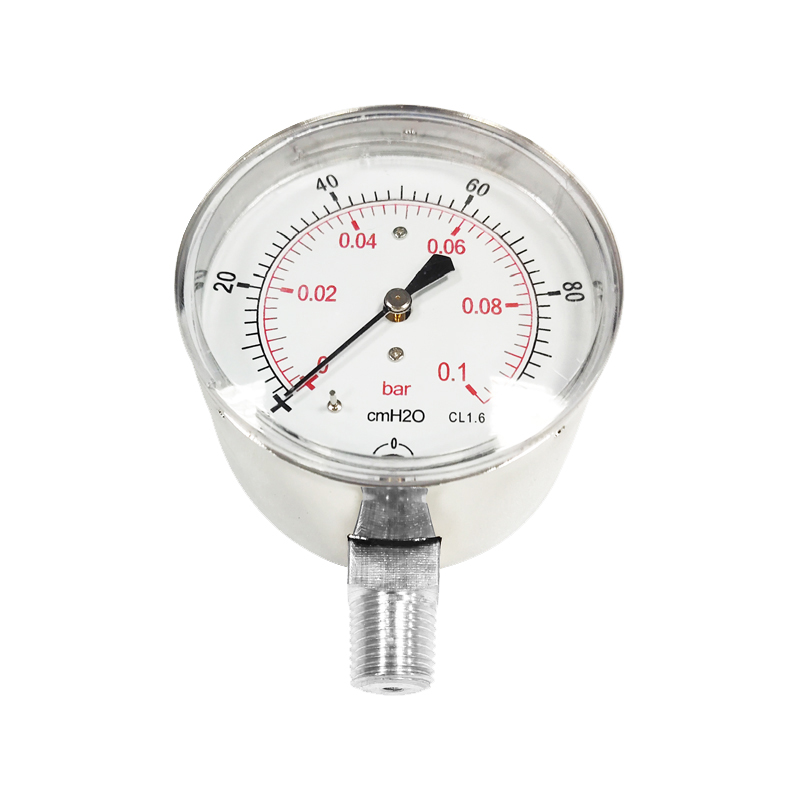
Electric oil pressure gauges are precision instruments utilized to measure the pressure of fluids, primarily hydraulic oil, within industrial machinery, automotive systems, and process control applications. Positioned within the broader network of process instrumentation, these gauges provide real-time pressure data, facilitating efficient monitoring, predictive maintenance, and system optimization. Unlike traditional mechanical gauges, electric oil pressure gauges convert pressure into an electrical signal, enabling remote data transmission, digital display, and integration with Supervisory Control and Data Acquisition (SCADA) systems. Core performance characteristics include accuracy, resolution, response time, and long-term stability, all critical factors impacting operational reliability and safety. A primary industry pain point is the susceptibility of traditional pressure sensors to signal drift, electromagnetic interference, and mechanical failure, driving demand for more robust and accurate electric alternatives.
Material Science & Manufacturing
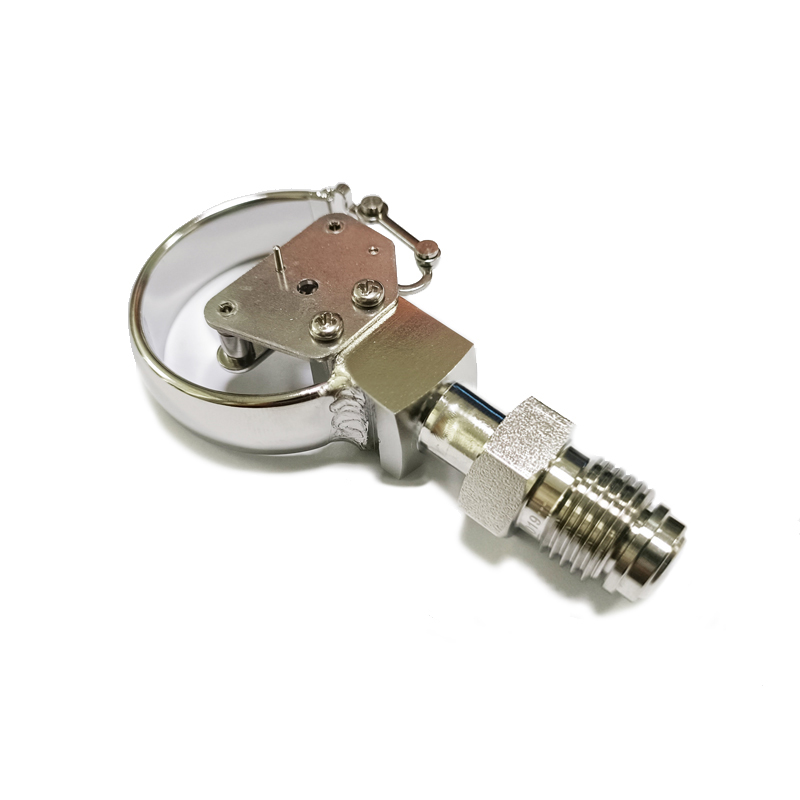
The construction of an electric oil pressure gauge relies on a combination of materials chosen for their compatibility with hydraulic fluids, mechanical strength, and electrical properties. The pressure transducer itself commonly employs a stainless steel diaphragm (typically 316L stainless steel) selected for its corrosion resistance against a wide range of hydraulic oils and coolants. Strain gauges bonded to the diaphragm, often utilizing nickel-chromium alloys, undergo deformation proportional to the applied pressure, altering their electrical resistance. The sensor housing is generally manufactured from aluminum alloy (6061-T6) or steel, providing both structural support and electromagnetic shielding. Manufacturing processes begin with diaphragm forming via deep drawing and subsequent heat treatment to relieve internal stresses. Strain gauge application requires meticulous surface preparation and adhesive bonding, followed by lead wire attachment using resistance welding. The electronic circuitry, including signal conditioning and amplification, is typically housed in a resin-encapsulated module providing environmental protection. Critical parameter control during manufacturing includes precise calibration of the strain gauges, temperature compensation circuitry tuning, and rigorous quality control testing to ensure compliance with specified accuracy levels.
Performance & Engineering
Performance of electric oil pressure gauges is fundamentally governed by principles of stress-strain analysis and fluid mechanics. The pressure applied to the diaphragm induces stress, which is linearly proportional to the strain experienced by the attached strain gauges. Signal conditioning circuitry converts the resistance changes into a standardized electrical output (typically 4-20mA or 0-5V). Engineering considerations encompass dynamic response, thermal stability, and long-term drift. Damping mechanisms, such as fluid filling the gauge housing or electronic filtering, mitigate pressure pulsations and vibration effects. Environmental resistance is crucial; gauges must withstand temperature fluctuations, humidity, and potential exposure to corrosive substances. Compliance requirements include adherence to safety standards like IECEx and ATEX for use in hazardous environments. Force analysis focuses on ensuring the diaphragm and housing can withstand maximum operating pressures without deformation or failure. Specific attention is paid to minimizing hysteresis and zero drift, ensuring accurate readings over extended periods. Furthermore, the electrical connection must be robust and shielded to prevent electromagnetic interference (EMI) impacting signal integrity.
Technical Specifications
| Pressure Range (PSI) | Accuracy (%FS) | Output Signal | Operating Temperature (°C) |
|---|---|---|---|
| 0-500 | ±0.5 | 4-20mA | -20 to 85 |
| 0-1000 | ±0.5 | 4-20mA | -20 to 85 |
| 0-2000 | ±1.0 | 4-20mA | -20 to 85 |
| 0-500 | ±0.5 | 0-5V | -20 to 85 |
| 0-1000 | ±0.5 | 0-5V | -20 to 85 |
| 0-2000 | ±1.0 | 0-5V | -20 to 85 |
Failure Mode & Maintenance
Electric oil pressure gauges, while robust, are susceptible to several failure modes. Common issues include diaphragm fatigue cracking due to cyclic pressure loading, strain gauge delamination caused by adhesive degradation or thermal stress, and sensor drift resulting from temperature variations or internal component aging. Corrosion of the diaphragm or electrical connectors can lead to inaccurate readings or complete failure. Electrical failures may stem from damaged wiring, short circuits, or component burnout in the signal conditioning circuitry. Failure analysis typically involves visual inspection for physical damage, electrical testing to verify signal integrity, and pressure testing to assess diaphragm performance. Maintenance procedures include periodic calibration against a known pressure standard, inspection of electrical connections for corrosion or looseness, and replacement of the sensor if calibration adjustments exceed acceptable limits. Regular cleaning to remove contaminants and proper handling to avoid physical shock are also crucial preventative measures. It is imperative to verify compatibility of the gauge material with the hydraulic fluid used in the system to prevent corrosion-related failures.
Industry FAQ
Q: What is the typical lifespan of an electric oil pressure gauge in a hydraulic system?
A: The lifespan typically ranges from 5 to 10 years, depending on operating conditions, fluid compatibility, and maintenance practices. Frequent pressure cycling, exposure to extreme temperatures, and corrosive fluids will shorten the lifespan. Regular calibration and preventative maintenance are crucial for maximizing operational longevity.
Q: How does temperature affect the accuracy of the gauge?
A: Temperature variations can induce zero drift and span errors. High-quality gauges incorporate temperature compensation circuitry to minimize these effects. However, significant temperature fluctuations outside the operating range can still impact accuracy. Selecting a gauge with appropriate temperature compensation and protecting it from extreme temperatures is essential.
Q: What are the advantages of a 4-20mA output signal compared to a 0-5V output signal?
A: 4-20mA is preferred for industrial applications due to its inherent noise immunity and ability to transmit signals over long distances without significant signal degradation. The 4mA zero point also allows for detection of broken wiring or sensor failures. 0-5V is more susceptible to noise and voltage drop over longer cable runs.
Q: What safety certifications are relevant for use in hazardous locations?
A: For use in potentially explosive atmospheres, certifications like IECEx and ATEX are critical. These certifications ensure the gauge is designed and manufactured to prevent ignition of flammable gases or dust. The specific certification required depends on the classification of the hazardous location.
Q: How do I determine the correct pressure range for my application?
A: Select a gauge with a pressure range that encompasses the maximum expected operating pressure plus a safety margin (typically 20-30%). Using a gauge with a range too small risks overpressure damage, while a range too large reduces resolution and accuracy.
Conclusion
Electric oil pressure gauges represent a significant advancement in fluid pressure monitoring technology, offering improved accuracy, reliability, and integration capabilities compared to traditional mechanical designs. Their ability to provide digital output and facilitate remote monitoring is crucial for optimizing industrial processes and enhancing predictive maintenance strategies. Selecting the appropriate gauge requires careful consideration of factors such as pressure range, accuracy, operating environment, and required safety certifications.
Moving forward, developments will likely focus on miniaturization, wireless communication protocols, and integration of advanced diagnostics to further enhance performance and reduce maintenance requirements. Proper installation, calibration, and preventative maintenance remain essential for ensuring long-term accuracy and operational reliability of these vital instrumentation components.
 English
  Arabic
  China
China  China (Taiwan)
  Danish
  Dutch
Dutch  French
  German
  Greek
Greek  Hindi
Hindi  Indonesian
  Italian
  Japanese
  Korean
  Latin
Latin  Polish
  Portuguese
  Russian
  Spanish
  Turkish