
Apr . 01, 2024 17:55 Back to list
Expansion Tank Pressure Gauge Hydraulic Performance Analysis
Introduction
Expansion tank pressure gauges for hydraulic systems are critical components utilized to monitor and regulate fluid pressure within closed hydraulic circuits. These gauges are not merely indicators; they are integral to system safety, efficiency, and longevity. Their technical position within the hydraulic system chain is post-pump and often strategically placed near the expansion tank, providing a representative reading of system pressure under varying operational conditions and thermal expansions. Core performance characteristics include accuracy, repeatability, media compatibility, and resistance to vibration and pulsation. The rise in demand for precise hydraulic control across industries like construction equipment, agricultural machinery, and industrial automation highlights the escalating importance of reliable pressure measurement. The primary industry pain point revolves around ensuring gauge calibration stability over extended periods, particularly in harsh operating environments, and preventing premature failure due to media incompatibility or excessive pressure spikes. Accurate pressure monitoring directly impacts actuator performance, system responsiveness, and the avoidance of catastrophic component failure.
Material Science & Manufacturing
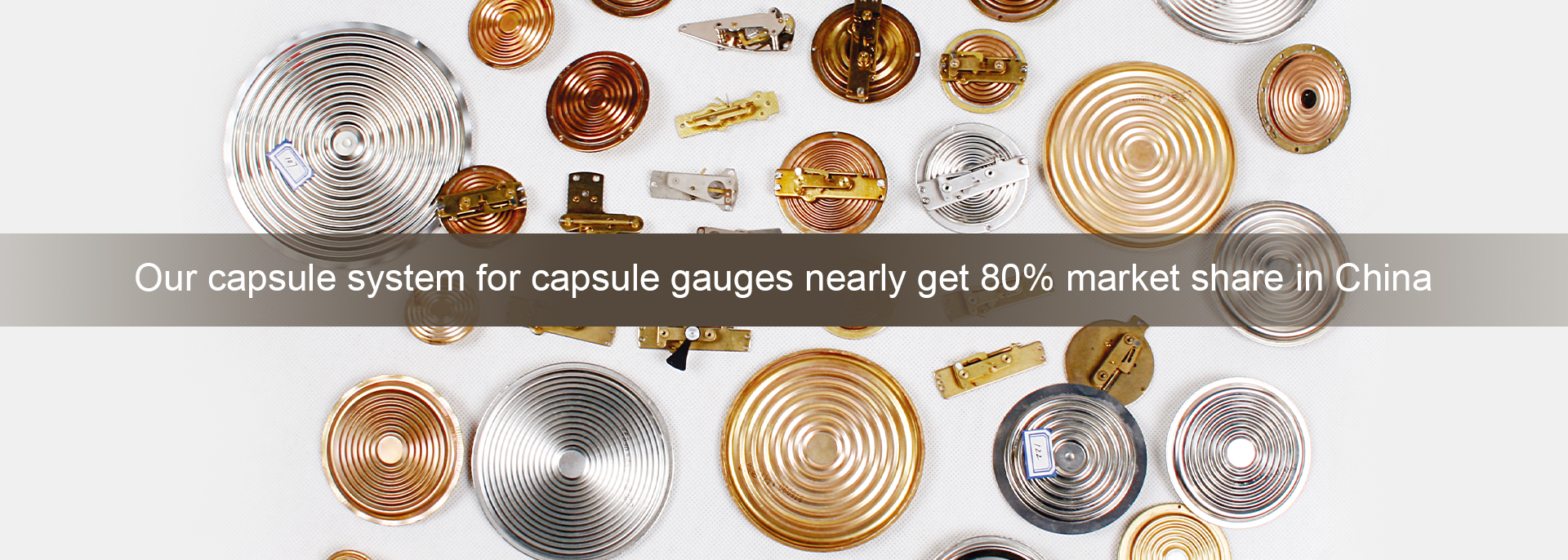
The construction of expansion tank pressure gauges typically involves several key materials. The gauge case is commonly manufactured from stainless steel (304 or 316) due to its excellent corrosion resistance and durability, crucial for compatibility with a wide range of hydraulic fluids. Bourdon tubes, the pressure-sensing element, are often crafted from beryllium copper alloys or phosphor bronze, selected for their high elasticity, fatigue strength, and resistance to creep. The movement mechanism incorporates hardened steel pivots and gears for accurate transmission of the Bourdon tube’s deformation into a readable indication. Glass or polycarbonate is used for the gauge window, with tempered glass preferred for impact resistance. Manufacturing processes begin with the cold-forming of the Bourdon tube, followed by heat treatment to achieve the desired spring characteristics. Critical parameters during tube formation include precise wall thickness control and consistent curvature. The case is often deep-drawn and machined to accommodate the movement and connection fitting. Assembly is a highly precise process, demanding meticulous calibration and leak testing. Connection fittings are typically manufactured through CNC machining to ensure dimensional accuracy and sealing integrity. Stringent quality control measures at each stage, including non-destructive testing (NDT) like dye penetrant inspection, are essential to verify material integrity and identify potential flaws. The choice of sealing materials, such as nitrile or Viton, is dictated by fluid compatibility requirements.
Performance & Engineering
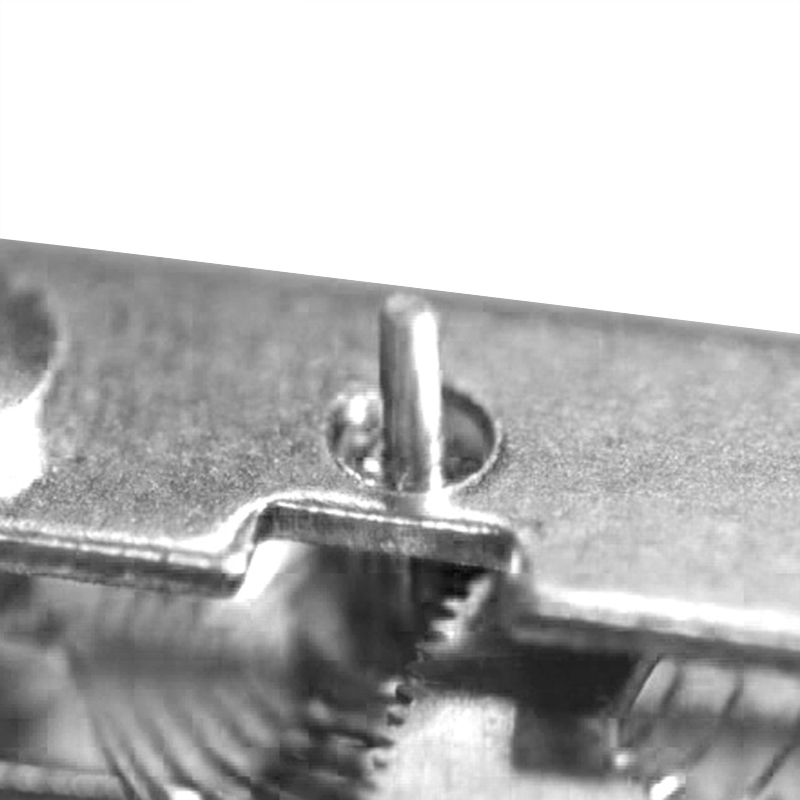
The performance of an expansion tank pressure gauge is governed by several engineering principles. Force analysis focuses on the relationship between the applied hydraulic pressure, the Bourdon tube’s cross-sectional area, and the resulting deflection. This deflection, directly proportional to pressure, drives the movement mechanism. Environmental resistance is paramount, requiring consideration of temperature fluctuations, vibration, and shock. Gauges intended for outdoor or harsh industrial environments often incorporate liquid-filling (glycerin or silicone oil) to dampen vibration, reduce wear, and prevent internal condensation. Compliance requirements, such as those dictated by ASME B40.100 (Pressure Gauges and Pressure Measuring Elements) and EN 837-1 (Pressure Gauges – Part 1: Bourdon Tube Gauges), specify accuracy classes (typically 1.6% of full scale) and safety standards. Functional implementation involves careful selection of the pressure range to match the hydraulic system’s operating parameters. Over-ranging (exceeding the gauge’s maximum pressure) can lead to catastrophic failure, while under-ranging (pressure consistently below the gauge’s minimum) results in inaccurate readings. Connection thread types (NPT, BSPT, etc.) must be compatible with the hydraulic system’s ports. Moreover, understanding the hydraulic fluid’s viscosity and compressibility is essential for accurate pressure interpretation, as these factors can influence response time and introduce hysteresis.
Technical Specifications
| Parameter | Unit | Typical Value | Tolerance |
|---|---|---|---|
| Pressure Range | PSI | 0-6000 | ±1.6% FS |
| Accuracy Class | - | 1.6 | As per ASME B40.100 |
| Connection Size | NPT | 1/4" | - |
| Case Material | - | Stainless Steel 304 | - |
| Bourdon Tube Material | - | Beryllium Copper | - |
| Operating Temperature | °F | -40 to 176 | - |
Failure Mode & Maintenance
Expansion tank pressure gauges are susceptible to several failure modes. Fatigue cracking of the Bourdon tube, induced by repeated pressure cycling, is a common occurrence, particularly at stress concentration points. Delamination of the Bourdon tube’s protective coating can lead to corrosion and eventual failure. Media incompatibility can cause internal corrosion or swelling of sealing materials, resulting in leaks or inaccurate readings. Oxidation of metallic components, particularly in environments with high humidity or corrosive fluids, reduces their strength and integrity. Loss of calibration accuracy can occur due to hysteresis, creep, or damage to the movement mechanism. Maintenance procedures should include regular visual inspections for leaks, cracks, or corrosion. Periodic calibration, typically annually or more frequently in critical applications, is essential to ensure accuracy. Before removing a gauge for maintenance, the hydraulic system should be depressurized. The gauge should be cleaned with a compatible solvent and stored in a dry environment. If the gauge exhibits signs of significant wear or damage, it should be replaced rather than repaired. Preventative maintenance also includes ensuring proper fluid filtration to minimize abrasive wear on internal components. Record-keeping of calibration and maintenance activities is crucial for traceability and compliance.
Industry FAQ
Q: What is the impact of fluid pulsation on gauge accuracy, and how can it be mitigated?
A: Fluid pulsation introduces dynamic pressure fluctuations that can lead to inaccurate readings and premature gauge failure. Mitigation strategies include incorporating pulsation dampeners upstream of the gauge, using liquid-filled gauges to dampen vibration, and selecting a gauge with a robust movement mechanism designed to withstand cyclical loading. The frequency and amplitude of the pulsation dictate the effectiveness of these measures.
Q: How does temperature affect gauge readings, and is temperature compensation necessary?
A: Temperature variations alter the hydraulic fluid’s viscosity and density, impacting pressure transmission and potentially causing thermal expansion or contraction of the gauge components. While some gauges incorporate temperature compensation mechanisms, it’s crucial to consider the operating temperature range and select a gauge rated for that environment. Significant temperature fluctuations may necessitate external temperature compensation or correction factors.
Q: What are the considerations when selecting a gauge for a system using corrosive hydraulic fluids?
A: When dealing with corrosive fluids, material compatibility is paramount. The gauge case, Bourdon tube, and internal components must be constructed from materials resistant to the specific fluid. Stainless steel (316) is often preferred over 304 for its enhanced corrosion resistance. Selecting appropriate sealing materials (Viton, PTFE) is equally crucial. Regular inspections for signs of corrosion are essential.
Q: What is the typical lifespan of an expansion tank pressure gauge under normal operating conditions?
A: The lifespan of a gauge varies depending on operating conditions, fluid compatibility, and maintenance practices. Under normal conditions, with regular calibration and proper maintenance, a high-quality gauge can last 5-10 years. Harsh environments, corrosive fluids, or frequent pressure spikes can significantly reduce its lifespan.
Q: What are the safety implications of a failing pressure gauge in a hydraulic system?
A: A failing pressure gauge can lead to inaccurate readings, potentially resulting in over-pressurization, component failure, and safety hazards. A gauge stuck at a low reading could allow the system to operate beyond its design limits, while a gauge indicating a false high pressure could trigger unnecessary shutdowns. Regular inspection and calibration are essential safety measures.
Conclusion
Expansion tank pressure gauges for hydraulic systems represent a critical link in ensuring safe and efficient operation. Their performance is intrinsically tied to material selection, manufacturing precision, and diligent maintenance. Understanding the underlying engineering principles governing their operation—force analysis, environmental resistance, and compliance with industry standards—is essential for selecting and deploying gauges that meet the demands of specific applications.
Future trends point towards the integration of digital pressure sensors and wireless communication capabilities, enabling remote monitoring, predictive maintenance, and real-time data analysis. These advancements will further enhance system reliability and reduce downtime. However, the fundamental principles of accurate pressure measurement and the importance of preventative maintenance will remain paramount.
 English
  Arabic
  China
China  China (Taiwan)
  Danish
  Dutch
Dutch  French
  German
  Greek
Greek  Hindi
Hindi  Indonesian
  Italian
  Japanese
  Korean
  Latin
Latin  Polish
  Portuguese
  Russian
  Spanish
  Turkish