
Apr . 01, 2024 17:55 Back to list
jaco tire pressure gauge Performance Analysis
Introduction
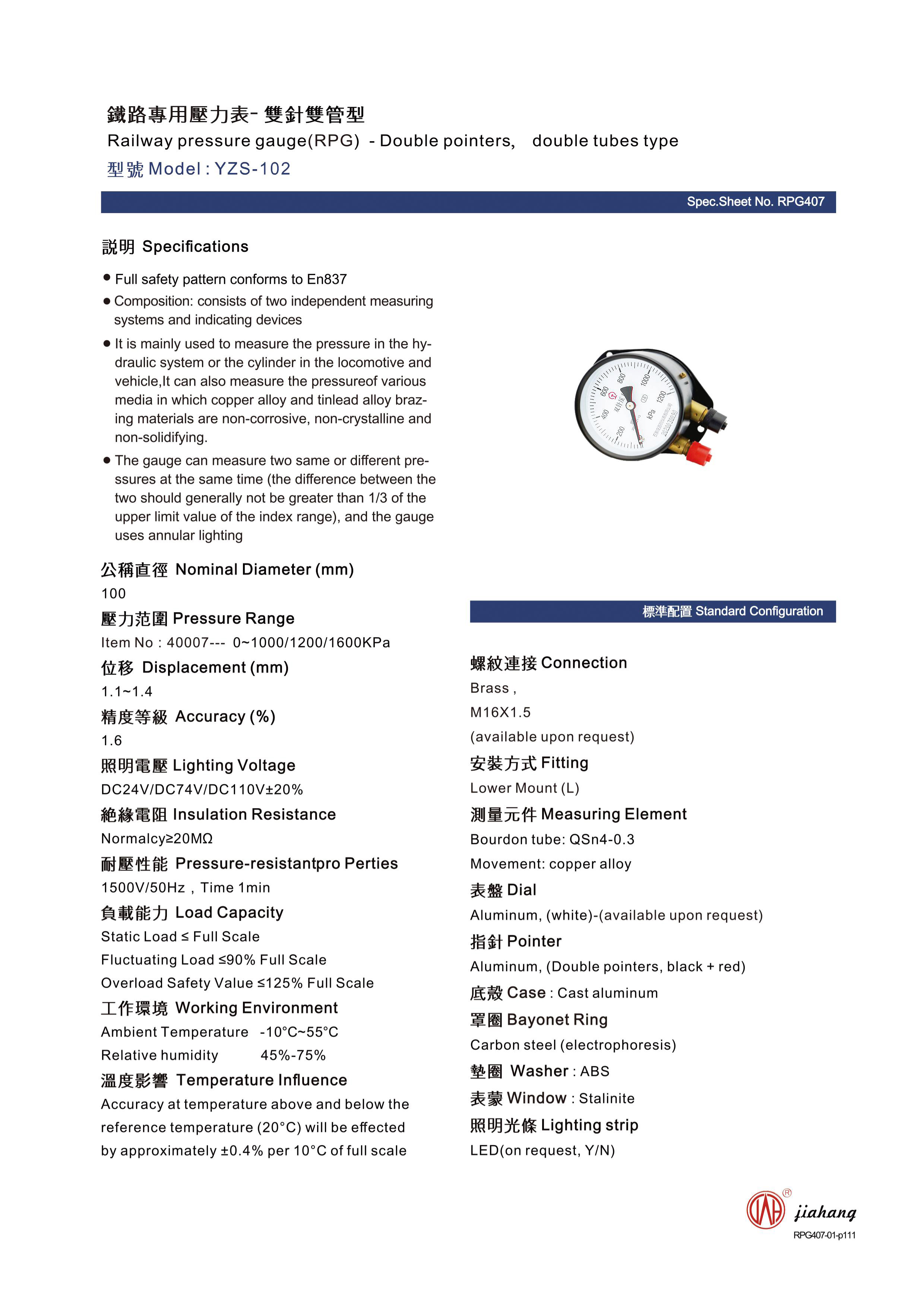
The Jaco tire pressure gauge is a precision instrument utilized for accurate measurement of tire inflation pressure in a wide range of vehicular applications, encompassing passenger vehicles, light trucks, motorcycles, and commercial transport. Its technical positioning within the automotive maintenance and safety chain is critical; accurate tire pressure directly influences vehicle handling, fuel efficiency, tire longevity, and overall road safety. These gauges employ various measurement principles, primarily mechanical (Bourdon tube) or digital (strain gauge) technology, to provide a quantifiable reading of the pressure exerted by the air within the tire, typically displayed in pounds per square inch (PSI), kilopascals (kPa), or bar. Core performance characteristics include accuracy, repeatability, durability, and ease of use, all contributing to its fundamental role in proactive vehicle maintenance and the mitigation of tire-related incidents.
Material Science & Manufacturing
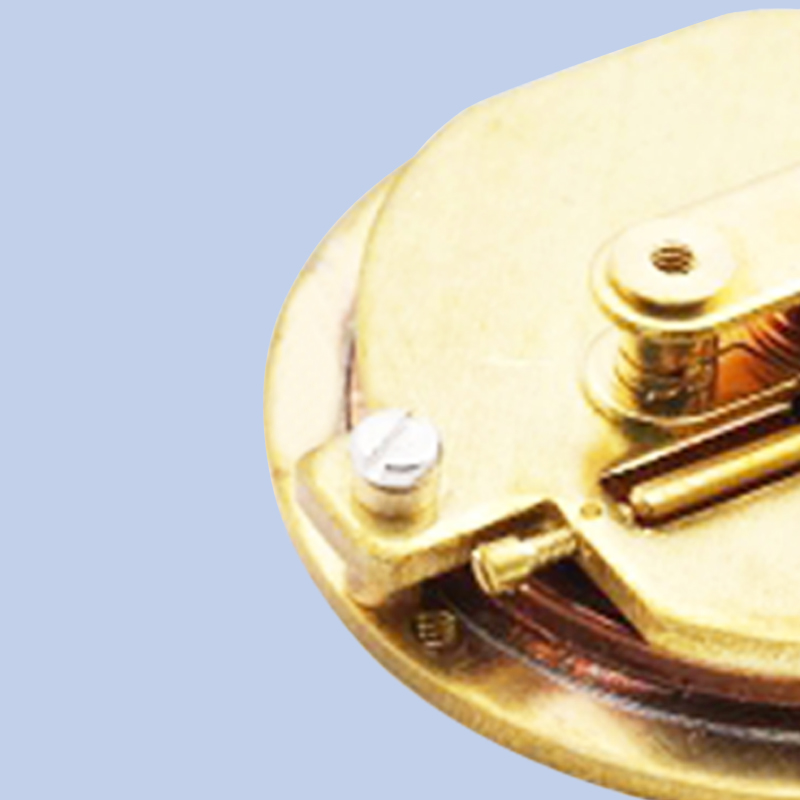
Jaco tire pressure gauges commonly employ a combination of materials chosen for their specific properties. The gauge body is frequently constructed from impact-resistant polymers such as acrylonitrile butadiene styrene (ABS) or polycarbonate, providing robust protection for the internal mechanisms. The Bourdon tube (in mechanical gauges) is typically manufactured from beryllium copper or spring steel, materials selected for their high elasticity, corrosion resistance, and ability to undergo repeated deformation without permanent set. Digital gauges utilize silicon-based strain gauges bonded to a substrate, requiring high precision etching and deposition techniques. The gauge face, whether analog or digital, is often made from acrylic or polycarbonate for clarity and impact resistance. Manufacturing processes vary. Mechanical gauges involve precision forming of the Bourdon tube, assembly with a movement mechanism, and calibration. Digital gauges incorporate circuit board assembly, sensor calibration, and digital display integration. Critical parameter control includes material homogeneity, dimensional accuracy of the Bourdon tube (within ±0.1%), precise soldering and component placement in digital gauges, and stringent calibration procedures utilizing NIST-traceable standards to ensure accuracy across the specified pressure range. The rubber boot, if present, is typically EPDM for weather and ozone resistance.
Performance & Engineering
The performance of a Jaco tire pressure gauge is fundamentally governed by principles of fluid mechanics and material science. The Bourdon tube, in mechanical gauges, operates based on the principle that a curved tube tends to straighten when subjected to internal pressure. The amount of straightening is proportional to the pressure applied, translating into movement of a geared linkage connected to the gauge needle. Digital gauges employ strain gauges; these resistive elements change resistance in response to applied force (pressure). This resistance change is measured by a Wheatstone bridge circuit and converted into a digital readout. Force analysis considers the elastic modulus of the Bourdon tube material and the geometric parameters of the tube’s cross-section. Environmental resistance is crucial; gauges must maintain accuracy over a specified temperature range (typically -20°C to 60°C) and humidity level. Compliance requirements often include adherence to safety standards (e.g., preventing static discharge) and accuracy certifications. Functional implementation details include the selection of appropriate gear ratios for mechanical gauges to optimize readability and the programming of algorithms in digital gauges for accurate pressure conversion and display. Leak testing is a critical engineering control, utilizing pressurized air and soap solutions to identify any imperfections in the gauge body or connections.
Technical Specifications
| Parameter | Unit | Mechanical Gauge | Digital Gauge |
|---|---|---|---|
| Pressure Range | PSI | 0-60 | 0-150 |
| Accuracy | % F.S. | ±3% | ±0.5% |
| Resolution | PSI | 1 | 0.1 |
| Operating Temperature | °C | -10 to 50 | -20 to 60 |
| Housing Material | - | ABS Plastic | ABS Plastic |
| Bourdon Tube Material/Sensor Type | - | Beryllium Copper | Silicon Strain Gauge |
Failure Mode & Maintenance
Jaco tire pressure gauges can experience various failure modes. Mechanical gauges are susceptible to Bourdon tube fatigue cracking due to repeated flexing, leading to inaccurate readings or complete failure. Corrosion of the Bourdon tube, particularly in humid environments, can also cause failure. Gear train wear and lubrication degradation can result in sluggish movement or sticking of the needle. Digital gauges may fail due to sensor drift, circuit board component failure (e.g., resistors, capacitors), battery leakage, or display malfunction. LCD screen degradation due to UV exposure is also common. Failure analysis involves visual inspection for physical damage, pressure testing to verify accuracy, and electrical testing of digital components. Maintenance for mechanical gauges includes periodic lubrication of the gear train with a light machine oil. For digital gauges, battery replacement is essential. Avoid dropping the gauge, as this can damage the internal components. Regular calibration against a NIST-traceable standard is recommended every 12 months to ensure continued accuracy. Storage in a dry, clean environment can mitigate corrosion and prolong gauge life. Never attempt to disassemble a digital gauge beyond battery replacement, as this can invalidate any warranty and potentially introduce errors.
Industry FAQ
Q: What is the impact of temperature on the accuracy of a Jaco tire pressure gauge?
A: Temperature affects the elasticity of the Bourdon tube in mechanical gauges and the resistance of the strain gauge in digital gauges. Higher temperatures generally reduce elasticity/increase resistance, potentially leading to slightly lower readings. Jaco gauges are specified to operate within a certain temperature range, and readings outside that range may be inaccurate. Compensation for temperature effects is implemented in higher-end digital gauges, but mechanical gauges are more susceptible to temperature-induced errors.
Q: How often should a Jaco tire pressure gauge be recalibrated?
A: It is recommended to recalibrate a Jaco tire pressure gauge every 12 months, or more frequently if it is subjected to heavy use or harsh environmental conditions. Recalibration ensures that the gauge continues to meet its specified accuracy standards and provides reliable readings.
Q: What is the difference between PSI, kPa, and bar, and can a Jaco gauge display all three?
A: PSI (pounds per square inch), kPa (kilopascals), and bar are all units of pressure. 1 PSI is approximately equal to 6.895 kPa and 0.06895 bar. Many Jaco digital tire pressure gauges can display readings in all three units, selectable via a button or menu option. Mechanical gauges typically display in PSI, but some may have a secondary scale in kPa or bar.
Q: What is the typical lifespan of a Jaco tire pressure gauge?
A: The lifespan of a Jaco tire pressure gauge depends on usage and maintenance. A well-maintained mechanical gauge can last for many years. Digital gauges typically have a shorter lifespan due to the limited lifespan of electronic components, but can still last for 5-10 years with proper care and battery replacement.
Q: Can a Jaco tire pressure gauge be used to measure the pressure in bicycle tires?
A: Yes, many Jaco tire pressure gauges can be used to measure the pressure in bicycle tires, provided the gauge has a suitable pressure range. Bicycle tires typically require lower pressures than car tires, so a gauge with a range of 0-60 PSI or 0-4 bar is generally appropriate. Ensure the gauge nozzle is compatible with the bicycle tire valve type (Presta or Schrader).
Conclusion
The Jaco tire pressure gauge represents a critical component in automotive and transportation safety protocols. Its accuracy, directly reliant on material science principles governing Bourdon tube elasticity or strain gauge sensitivity, determines the reliability of tire pressure readings. The manufacturing processes, demanding precise dimensional control and calibration, underscore the importance of quality control in ensuring consistent performance. Understanding potential failure modes – from fatigue cracking in mechanical systems to component degradation in digital versions – is paramount for effective maintenance and maximizing the operational life of the instrument.
In conclusion, selecting the appropriate Jaco tire pressure gauge necessitates considering the specific application requirements, desired accuracy levels, and environmental operating conditions. Regular calibration, diligent maintenance, and adherence to established industry standards are essential for ensuring accurate, reliable measurements and contributing to enhanced vehicle safety and operational efficiency. Continued advancements in sensor technology and digital signal processing promise further improvements in the precision and durability of these vital instruments.
 English
  Arabic
  China
China  China (Taiwan)
  Danish
  Dutch
Dutch  French
  German
  Greek
Greek  Hindi
Hindi  Indonesian
  Italian
  Japanese
  Korean
  Latin
Latin  Polish
  Portuguese
  Russian
  Spanish
  Turkish