
Apr . 01, 2024 17:55 Back to list
manifold pressure gauge Performance Analysis
Introduction
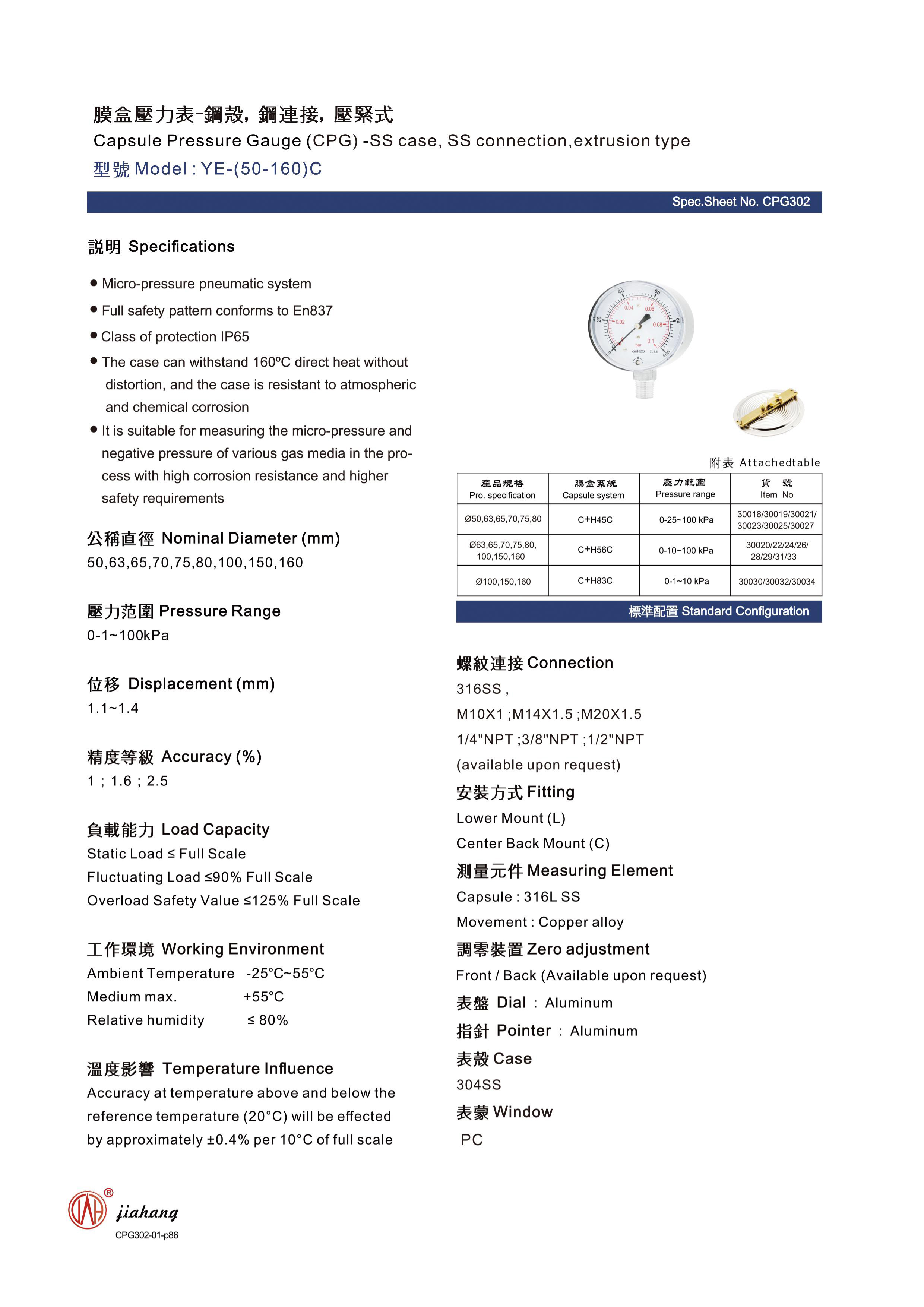
A manifold pressure gauge is a precision instrument used to measure the pressure within the intake manifold of an internal combustion engine. Positioned within the engine's air intake system, it provides a critical indication of engine load and vacuum, essential for diagnostics, tuning, and performance monitoring. Unlike simple pressure gauges, manifold pressure gauges are specifically calibrated for the relatively low-pressure ranges typical of engine manifolds (often inches of mercury or kPa). This data allows technicians to assess the efficiency of fuel delivery, valve timing, and overall engine health. The gauge's accuracy is paramount, directly influencing the reliability of engine performance assessments. Its application spans automotive repair, high-performance engine development, and aviation maintenance, serving as a fundamental tool in maintaining optimal engine operation. The core performance revolves around accurate pressure transduction, robust housing for vibration resistance, and clear, easily readable displays for immediate data interpretation.
Material Science & Manufacturing
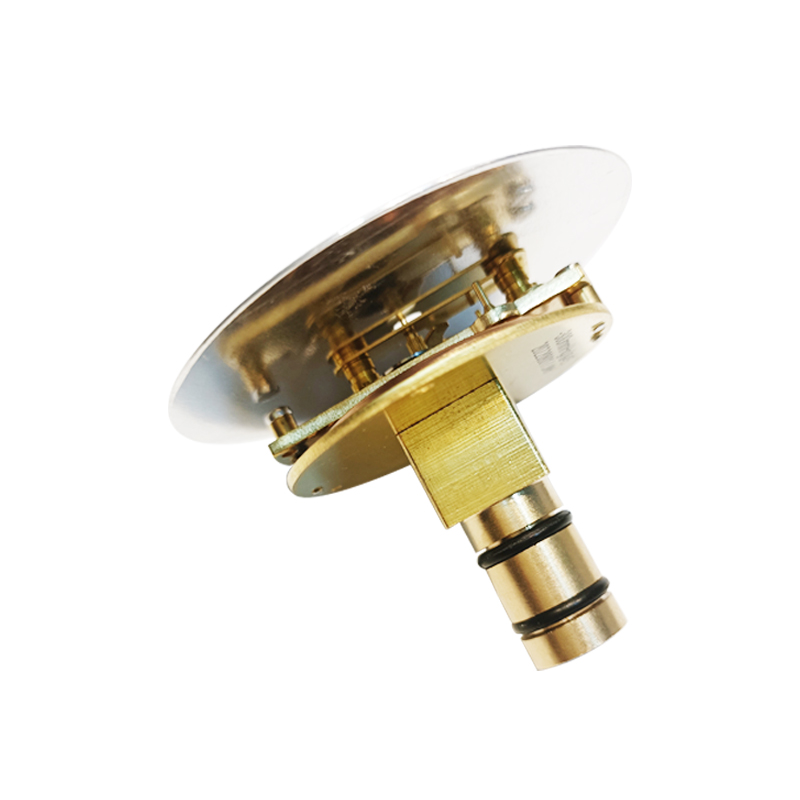
The construction of a manifold pressure gauge necessitates careful material selection and precise manufacturing processes. The gauge housing is commonly formed from aluminum alloys (6061-T6 being prevalent due to its strength-to-weight ratio and corrosion resistance) or stainless steel (304 or 316 for enhanced chemical and temperature resistance). The Bourdon tube, the pressure-sensing element, is traditionally manufactured from beryllium copper or phosphor bronze. Beryllium copper offers superior elasticity and fatigue resistance, crucial for repeated pressure cycling. Phosphor bronze provides good corrosion resistance and cost-effectiveness. Manufacturing involves a deep drawing process to create the curved tube, followed by heat treatment to relieve stress and enhance its elastic properties. The gauge face is typically acrylic or glass, providing clarity and resistance to scratching. Diaphragm gauges, increasingly common, utilize materials like stainless steel or nickel alloys for their diaphragms, selected for their resilience and ability to withstand varying pressures without permanent deformation. Seals are commonly made from nitrile rubber (Buna-N) or Viton, chosen for compatibility with automotive fluids and their sealing capabilities. Critical parameters during manufacturing include maintaining precise tube diameter, consistent heat treatment temperatures, and tight tolerances on the gauge’s internal components to ensure accuracy and minimize hysteresis. Welding processes, where applicable (e.g., connection points), require inert gas shielding (TIG welding) to prevent oxidation and maintain material integrity.
Performance & Engineering
The performance of a manifold pressure gauge is dictated by its ability to accurately translate pressure differentials into a readable output. Engineering considerations revolve around minimizing error sources such as hysteresis (the difference in readings for increasing and decreasing pressure), linearity (consistency of the response across the measurement range), and thermal drift (changes in reading due to temperature fluctuations). Force analysis is crucial in the design of the Bourdon tube or diaphragm, ensuring it can withstand maximum expected pressures without yielding or permanent deformation. Environmental resistance is vital; gauges are exposed to engine bay temperatures, vibration, and potential exposure to oil, fuel, and other automotive fluids. Robust housings and appropriate seal materials are essential. Compliance requirements vary by application, with automotive gauges often needing to meet OEM specifications. Aviation applications have stringent FAA and EASA regulations. Functional implementation requires careful calibration using precision pressure standards. Digital gauges incorporate Analog-to-Digital Converters (ADCs) with high resolution and stability. Software algorithms compensate for non-linearity and temperature drift to improve accuracy. Damping mechanisms (e.g., fluid filling) are often employed to reduce needle flutter caused by engine vibrations, enhancing readability. The gauge's response time – the time taken to register a pressure change – is another key performance parameter. It is optimized through appropriate design of the pressure-sensing element and mechanical linkages.
Technical Specifications
| Pressure Range | Accuracy | Resolution | Operating Temperature |
|---|---|---|---|
| -30 inHg to 0 inHg | ±1% of Full Scale | 1 inHg | -40°C to 85°C |
| 0 kPa to -100 kPa | ±0.5% of Full Scale | 1 kPa | -20°C to 100°C |
| -1 Bar to 0 Bar | ±1.5% of Full Scale | 0.01 Bar | -10°C to 60°C |
| -800 mm Hg to 0 mm Hg | ±2% of Full Scale | 10 mm Hg | 0°C to 70°C |
| Digital Display Range: -100 to 0 kPa | ±0.2% of Full Scale | 0.1 kPa | -30°C to 80°C |
| Analog Display Range: -30 to 0 inHg | ±1.2% of Full Scale | 0.5 inHg | -20°C to 65°C |
Failure Mode & Maintenance
Manifold pressure gauges can fail through several mechanisms. Fatigue cracking of the Bourdon tube or diaphragm is common, especially under prolonged exposure to pressure cycling and vibration. Corrosion, particularly in environments with moisture and corrosive fluids, can lead to weakening of the sensing element and housing. Hysteresis can increase over time due to wear and friction within the mechanical linkages. Zero drift, a gradual shift in the zero point of the gauge, can occur due to temperature fluctuations or material creep. Degradation of the seal materials can result in air leaks and inaccurate readings. Oxidation of electrical contacts in digital gauges can lead to signal loss and display errors. Preventive maintenance includes regular visual inspection for leaks, cracks, and corrosion. Periodic calibration against a known pressure standard is crucial to ensure accuracy. For mechanical gauges, lubricating moving parts (where applicable) can reduce friction and wear. For digital gauges, checking and cleaning electrical contacts is important. If a gauge consistently displays inaccurate readings or exhibits erratic behavior, it should be replaced. Proper installation, minimizing vibration and exposure to harsh chemicals, is also key to extending the gauge's lifespan. Avoid over-pressurization as this can cause immediate and catastrophic failure.
Industry FAQ
Q: What is the typical lifespan of a manifold pressure gauge in a standard automotive application?
A: The lifespan is highly dependent on operating conditions and quality of manufacture, but typically ranges from 5 to 10 years. Frequent and severe pressure fluctuations, exposure to extreme temperatures, and lack of maintenance will significantly shorten the lifespan. Digital gauges generally have a longer lifespan than mechanical gauges due to fewer moving parts.
Q: How does altitude affect the readings of a manifold pressure gauge?
A: Altitude affects manifold pressure readings due to the decrease in atmospheric pressure with increasing altitude. The gauge measures the pressure relative to atmospheric pressure. Therefore, at higher altitudes, a given engine load will result in a lower manifold pressure reading than at sea level. Calibration needs to account for altitude for precise readings.
Q: What are the differences between a mechanical and a digital manifold pressure gauge?
A: Mechanical gauges use a Bourdon tube or diaphragm to directly translate pressure into a needle deflection. They are generally more robust and require no external power. Digital gauges use a pressure sensor and an electronic display. They offer higher accuracy, data logging capabilities, and can be integrated into vehicle diagnostic systems, but require a power source and are more susceptible to electrical interference.
Q: Is fluid filling necessary for all manifold pressure gauges, and what benefits does it provide?
A: Fluid filling (typically with glycerin or silicone oil) isn't necessary for all gauges, but it is highly recommended, especially in applications with significant vibration. The fluid dampens the movement of the needle, reducing wear and tear on the mechanism, improving readability, and extending the gauge's life. It also provides some lubrication and corrosion protection.
Q: What calibration standards should be used to verify the accuracy of a manifold pressure gauge?
A: Calibration should be performed using a NIST-traceable pressure standard, typically a precision pressure calibrator or deadweight tester. The standard should be capable of generating pressures within the gauge’s operating range with known accuracy. Calibration records should document the date, standard used, and any adjustments made.
Conclusion
The manifold pressure gauge remains an indispensable tool for engine diagnostics and performance analysis. Its accurate measurement of intake manifold pressure provides critical insights into engine health, fuel delivery, and overall operating efficiency. Understanding the underlying material science, manufacturing processes, and potential failure modes is crucial for selecting a gauge appropriate for the application and ensuring its long-term reliability.
Ongoing advancements in sensor technology and digital displays are enhancing the accuracy and functionality of manifold pressure gauges. Future trends will likely focus on wireless connectivity, integration with vehicle control systems, and the development of more robust and corrosion-resistant materials. Proper maintenance, including regular calibration and visual inspection, remains essential for maximizing the lifespan and ensuring the continued accuracy of this vital instrument.
 English
  Arabic
  China
China  China (Taiwan)
  Danish
  Dutch
Dutch  French
  German
  Greek
Greek  Hindi
Hindi  Indonesian
  Italian
  Japanese
  Korean
  Latin
Latin  Polish
  Portuguese
  Russian
  Spanish
  Turkish