
Apr . 01, 2024 17:55 Back to list
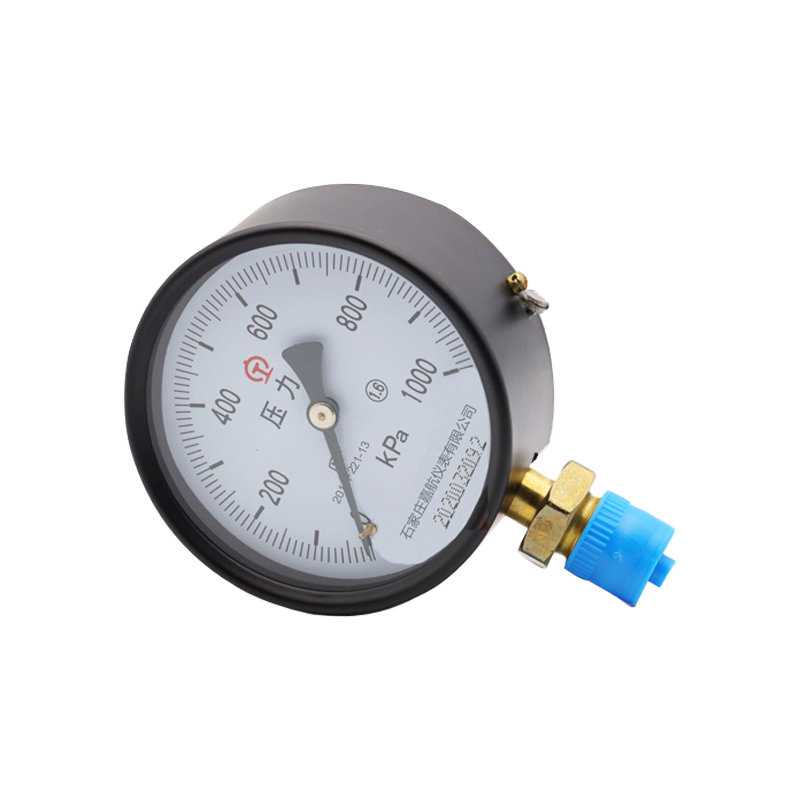
marshall excelsior megr612060 propane regulator adjustable high pressure gauge Performance Analysis
Introduction
The Marshall Excelsior MEGR-6120-60 is a high-pressure adjustable propane regulator designed for industrial and commercial gas applications. Positioned within the propane delivery and utilization chain, it functions as a critical pressure reduction component, converting high-cylinder pressure to a lower, stable output pressure suitable for various downstream equipment. Core performance characteristics center around precise pressure regulation, flow capacity (stated at 60 SCFM), robust construction for durability in harsh environments, and adherence to stringent safety standards. This regulator is frequently employed in propane delivery systems, industrial heating processes, and agricultural applications where consistent and reliable gas pressure is paramount. The MEGR-6120-60 addresses the industry pain point of inconsistent gas supply, potential over-pressurization hazards, and the need for precise control in demanding applications. Effective regulator function minimizes process variability and ensures safe operation of connected appliances and machinery.
Material Science & Manufacturing
The MEGR-6120-60’s performance is intrinsically linked to its constituent materials and manufacturing processes. The regulator body is typically constructed from die-cast zinc alloy, selected for its corrosion resistance, mechanical strength, and relatively low cost. Zinc alloys employed often contain aluminum to improve strength and ductility. Diaphragm material is predominantly reinforced synthetic rubber (typically nitrile butadiene rubber - NBR) offering elasticity, resistance to propane permeation, and compatibility with the gas. Internal valve components, including the seat and poppet, are frequently manufactured from brass (typically C36000, a free-cutting brass) due to its machinability, corrosion resistance, and ability to form a tight seal. The adjustable knob is typically a thermoplastic, such as acrylonitrile butadiene styrene (ABS), offering durability and ease of manipulation.
Manufacturing involves several key processes. Die-casting forms the regulator body, requiring precise mold design and temperature control to minimize porosity and ensure dimensional accuracy. NBR diaphragms are formed through compression molding, where the rubber compound is vulcanized under heat and pressure. Brass components are produced via CNC machining, ensuring tight tolerances for critical sealing surfaces. Assembly is a multi-stage process, involving rigorous quality control checks at each stage, including leak testing using helium or nitrogen to verify the integrity of the seals. Pressure testing to specified flow rates and output pressures is crucial. Critical parameters monitored during manufacturing include the zinc alloy composition, diaphragm thickness and hardness, brass surface finish, and overall dimensional accuracy of all components. Proper heat treatment of brass components is vital to enhance wear resistance.
Performance & Engineering
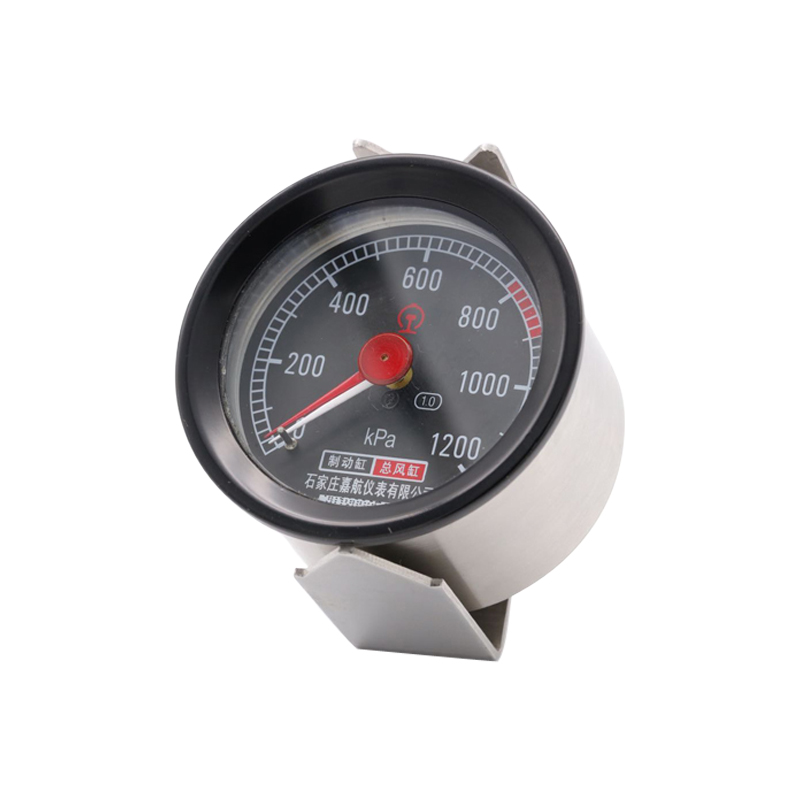
The MEGR-6120-60’s performance is governed by principles of fluid dynamics and mechanical engineering. The regulator functions based on the force balance between the downstream pressure and the force exerted by a spring on the diaphragm. As downstream pressure increases, it acts on the diaphragm, compressing the spring. This compression reduces the area available for gas flow, thereby reducing downstream pressure. Conversely, a decrease in downstream pressure allows the spring to expand the diaphragm, increasing the flow area and raising downstream pressure. This creates a self-regulating feedback loop.
Engineering considerations include stress analysis of the regulator body under maximum input pressure, ensuring structural integrity and preventing rupture. Flow analysis is vital to determine the regulator's capacity and pressure drop characteristics. The regulator's thermal performance is also crucial, as temperature variations can affect the accuracy of pressure regulation. Environmental resistance is addressed through material selection and protective coatings. Corrosion protection is particularly important in outdoor or harsh environments. Compliance requirements, specifically related to safety certifications (discussed later), drive engineering design choices and testing procedures. Fatigue analysis of the spring and diaphragm is performed to predict their lifespan under cyclical loading. The adjustable knob mechanism requires precise design to ensure smooth and accurate pressure setting while preventing accidental adjustment.
Technical Specifications
| Parameter | Specification | Unit | Test Standard |
|---|---|---|---|
| Maximum Inlet Pressure | 250 | PSI | ANSI/NFPA 58 |
| Outlet Pressure Range | 20-60 | PSI | Marshall Excelsior Internal |
| Flow Capacity (SCFM) | 60 | SCFM | Marshall Excelsior Internal |
| Port Size (Inlet/Outlet) | 3/8" NPT | Inches | ANSI B1.20.1 |
| Operating Temperature Range | -40 to 180 | °F | Marshall Excelsior Internal |
| Weight | 1.5 | lbs | Marshall Excelsior Internal |
Failure Mode & Maintenance
The MEGR-6120-60, like all mechanical devices, is susceptible to failure modes. Common failure mechanisms include diaphragm deterioration due to aging and propane permeation, leading to leakage and inaccurate pressure regulation. Corrosion of internal components, particularly the brass valve seat, can also cause leakage. Fatigue cracking of the spring can occur under prolonged cyclical loading, resulting in pressure instability. Blockage of the flow path by contaminants (e.g., rust particles, debris) can reduce flow capacity. External damage to the regulator body, caused by physical impact, can compromise its structural integrity. A major failure mode involves freezing of moisture within the regulator in cold climates, resulting in blockage and potential rupture.
Preventative maintenance is crucial to extend the regulator’s lifespan. Regular visual inspection for signs of corrosion, damage, or leakage is recommended. Periodic leak testing using a soap solution is essential. The regulator should be purged of contaminants by flushing with inert gas. The diaphragm should be replaced periodically, typically every 5-7 years, depending on usage conditions. The valve seat should be inspected for wear and replaced if necessary. In cold climates, measures should be taken to prevent moisture accumulation, such as installing a filter-regulator combination. Record-keeping of maintenance activities is crucial for tracking regulator performance and identifying potential issues. Always de-pressurize the regulator before performing any maintenance.
Industry FAQ
Q: What is the expected service life of the MEGR-6120-60 diaphragm under typical propane service conditions?
A: The diaphragm's service life is contingent upon factors like propane purity, operating temperature, and pressure cycling. However, under normal conditions (clean, dry propane, moderate temperature fluctuations), a service life of 5 to 7 years is generally expected. Regular leak testing and visual inspection are critical for monitoring diaphragm condition.
Q: What measures can be taken to mitigate the risk of freezing in cold-climate applications?
A: Implementing a combination of preventative measures is recommended. First, ensure the propane supply is thoroughly dry. Second, consider using a filter-regulator combination to remove any residual moisture. Third, insulating the regulator and associated piping can help prevent ice formation. Fourth, in extreme cold, a regulator heater may be necessary.
Q: Is the MEGR-6120-60 compatible with other fuel gases besides propane?
A: While the regulator’s materials are generally compatible with LPG (Liquefied Petroleum Gas), it is specifically calibrated for propane. Utilizing it with other fuel gases (e.g., natural gas, butane) without recalibration can lead to inaccurate pressure regulation and potentially unsafe conditions. Consult Marshall Excelsior for specific compatibility information.
Q: What is the proper procedure for adjusting the outlet pressure on the MEGR-6120-60?
A: Before adjusting, ensure the downstream equipment is off. Slowly turn the adjustment knob clockwise to increase pressure and counter-clockwise to decrease it. Monitor the outlet pressure using a calibrated pressure gauge. Make small adjustments and allow the system to stabilize before making further changes. Avoid over-tightening the adjustment knob.
Q: What certifications does the MEGR-6120-60 hold to demonstrate compliance with safety standards?
A: The MEGR-6120-60 is certified to meet or exceed applicable industry standards, including those set by the American National Standards Institute (ANSI), the National Fire Protection Association (NFPA 58), and often bears UL listing, demonstrating independent testing and verification of its safety performance.
Conclusion
The Marshall Excelsior MEGR-6120-60 propane regulator represents a critical component in safe and efficient propane delivery systems. Its robust construction, precise pressure regulation capabilities, and adherence to stringent industry standards make it a reliable choice for a wide range of industrial and commercial applications. Understanding the material science behind its construction, the engineering principles governing its operation, and potential failure modes is essential for optimal performance and longevity.
Proactive maintenance, including regular inspection, leak testing, and timely replacement of key components such as the diaphragm, is paramount to ensuring continued safe operation. As the industry moves toward increased emphasis on safety and environmental sustainability, proper regulator selection, installation, and maintenance will become even more critical. Further advancements in materials science and manufacturing processes may lead to regulators with improved durability, reduced maintenance requirements, and enhanced safety features.
 English
  Arabic
  China
China  China (Taiwan)
  Danish
  Dutch
Dutch  French
  German
  Greek
Greek  Hindi
Hindi  Indonesian
  Italian
  Japanese
  Korean
  Latin
Latin  Polish
  Portuguese
  Russian
  Spanish
  Turkish