
Apr . 01, 2024 17:55 Back to list
pool filter pressure gauge Performance Analysis
Introduction
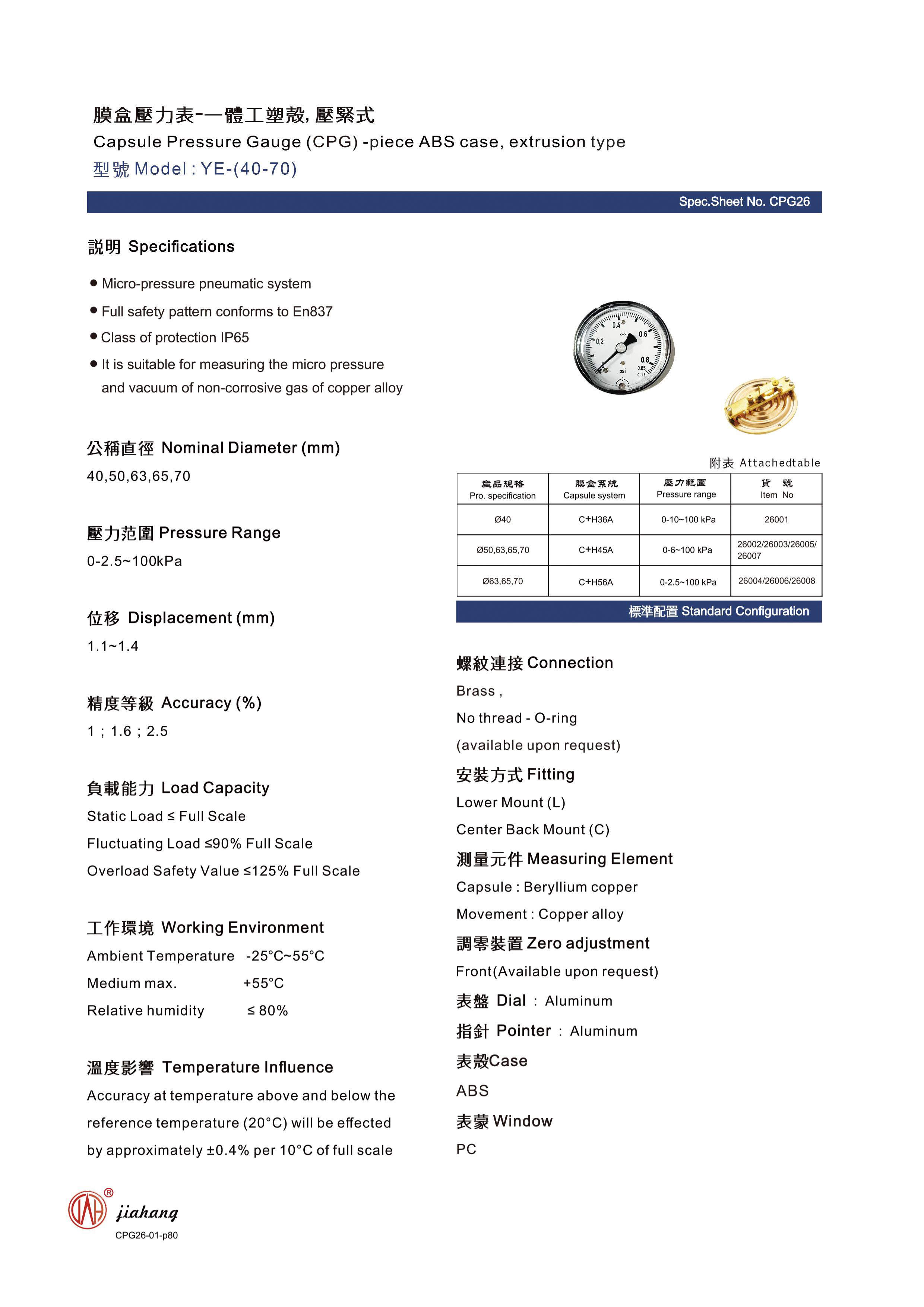
The pool filter pressure gauge is a critical component in maintaining effective pool water filtration systems. Positioned downstream of the filter media, it indicates the differential pressure, reflecting the cleanliness of the filter element. A rise in pressure signifies filter restriction due to accumulated debris, necessitating backwashing or filter replacement. This guide provides a detailed examination of the gauge’s material science, manufacturing processes, performance characteristics, potential failure modes, and relevant industry standards. Its accuracy directly impacts water clarity, pump efficiency, and overall pool hygiene, making it a vital instrument for pool maintenance professionals and homeowners alike. The core pain point in the industry stems from premature gauge failure due to corrosion, inaccurate readings resulting from material degradation, and a lack of standardized testing for long-term durability.
Material Science & Manufacturing
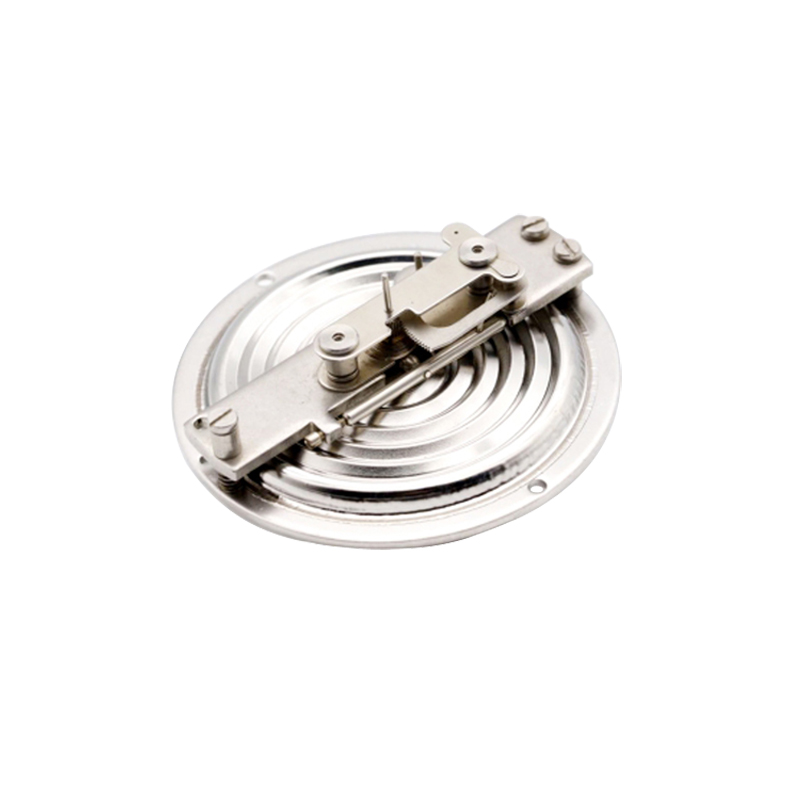
Pool filter pressure gauges are typically constructed utilizing a combination of materials selected for corrosion resistance and mechanical strength. The gauge housing is commonly composed of Acrylonitrile Butadiene Styrene (ABS) plastic, chosen for its low cost, impact resistance, and reasonable chemical inertness to pool chemicals. However, higher-end gauges utilize Polycarbonate (PC) or Polypropylene (PP) for enhanced UV resistance and temperature stability. The Bourdon tube, the core pressure-sensing element, is frequently crafted from brass (CuZn39Pb3) or stainless steel (304/316). Brass offers excellent formability for the coiled tube shape, but its susceptibility to corrosion necessitates a protective coating (e.g., nickel plating). Stainless steel, while more expensive, provides superior corrosion resistance, particularly in saltwater environments. The gauge face is usually made of Acrylic or Polycarbonate for clarity and impact resistance.
Manufacturing involves several key steps. Brass Bourdon tubes are formed through a process of deep drawing and annealing, followed by heat treatment to achieve the desired spring characteristics. Stainless steel tubes are often formed via hydraulic forming. The gauge movement is assembled with a precision gear train, calibrated to translate pressure into needle deflection. ABS or PC housings are typically produced via injection molding, requiring precise mold design and parameter control (temperature, pressure, injection speed) to ensure dimensional accuracy and prevent warping. Post-molding, components undergo rigorous testing for leak tightness, accuracy (calibrated against a NIST traceable standard), and functionality. Sealants used, often nitrile rubber or EPDM, must exhibit compatibility with chlorine and other pool sanitizers.
Performance & Engineering
The primary performance characteristic of a pool filter pressure gauge is its accuracy, typically specified as a percentage of full scale (e.g., ±3% FS). This accuracy is affected by temperature variations, media compatibility, and hysteresis (the difference in readings during increasing and decreasing pressure). Engineering considerations include the Bourdon tube’s material properties (Young’s modulus, yield strength), which dictate its sensitivity and maximum operating pressure. The gauge must withstand continuous exposure to chlorinated water, UV radiation, and fluctuating temperatures. Pressure range selection is crucial; gauges are commonly available in ranges of 0-30 psi, 0-60 psi, and 0-100 psi to suit various filter systems. Force analysis focuses on the stress distribution within the Bourdon tube during pressure application, ensuring it operates within its elastic limit to prevent permanent deformation. Compliance requirements demand adherence to standards regarding lead content (RoHS compliance) and material safety (NSF/ANSI 50 for components in contact with drinking water).
The gauge’s response time is also a performance factor, generally within a few seconds for a typical pressure change. The engineering design prioritizes minimizing parallax error through proper needle and dial design. Long-term durability is improved by employing corrosion-resistant materials and utilizing a dampening fluid within the gauge mechanism to reduce wear and tear from pulsations and vibrations. Fail-safe design principles dictate that a gauge failure should not result in a sudden and uncontrolled release of water, typically achieved through a robust housing and sealing system.
Technical Specifications
| Parameter | Units | Typical Value | Testing Standard |
|---|---|---|---|
| Pressure Range | psi | 0-30, 0-60, 0-100 | ASTM E74 |
| Accuracy | %FS | ±3% | EN 837-1 |
| Housing Material | - | ABS, PC, PP | UL 746C |
| Bourdon Tube Material | - | Brass (CuZn39Pb3), SS304/SS316 | ASTM A487/A789 |
| Operating Temperature | °F | 32-122 | IEC 60068-2-1 |
| Connection Size | NPT | 1/4", 1/2" | ANSI/NPT |
Failure Mode & Maintenance
Common failure modes include Bourdon tube rupture due to overpressure or fatigue cracking from repeated pressure cycles, particularly in brass tubes. Corrosion, especially in environments with high chlorine levels or saltwater, leads to weakening of the Bourdon tube and housing, resulting in leaks and inaccurate readings. Lens fogging or yellowing due to UV exposure impairs readability. Gear train wear causes erratic needle movements or complete gauge failure. Seal degradation results in leaks at the connection points.
Preventative maintenance involves regular visual inspections for corrosion, cracks, or leaks. Periodic calibration against a known pressure standard (every 6-12 months) is recommended to ensure accuracy. Avoid exposing the gauge to extreme temperatures or direct sunlight for prolonged periods. If the gauge exhibits consistent inaccuracies, unusual needle behavior, or signs of leakage, it should be replaced. Cleaning the lens with a mild detergent and water can restore clarity. Do not attempt to disassemble the gauge for repair unless qualified; the internal mechanisms are delicate and require specialized tools and expertise. Proper installation, ensuring correct torque on connections, minimizes the risk of leaks.
Industry FAQ
Q: What is the impact of water hammer on pressure gauge accuracy and lifespan?
A: Water hammer, the sudden pressure surge caused by rapidly closing valves, can significantly impact gauge accuracy and lifespan. Repeated surges induce fatigue stress on the Bourdon tube, accelerating crack propagation and potentially leading to rupture. It also stresses the gear train and seals. Installing a pressure snubber (a dampening device) upstream of the gauge is crucial to mitigate the effects of water hammer and prolong gauge life.
Q: How does saltwater exposure affect the gauge, and what materials are best suited for marine applications?
A: Saltwater is highly corrosive, accelerating the degradation of brass and even stainless steel components. Salt ions penetrate the metal matrix, leading to pitting corrosion and weakening of the Bourdon tube and housing. For marine applications, gauges constructed with 316 stainless steel (superior chloride resistance) and a polycarbonate housing are recommended. Regular rinsing with fresh water after exposure to saltwater helps to minimize corrosion.
Q: What is the significance of the gauge’s accuracy class, and how does it relate to the cost?
A: The accuracy class (e.g., ±3% FS) defines the permissible deviation between the indicated pressure and the actual pressure. Higher accuracy classes necessitate more precise manufacturing processes, tighter tolerances, and more sophisticated calibration procedures, leading to increased production costs. For most pool applications, an accuracy of ±3% is sufficient. However, critical systems requiring precise pressure monitoring may benefit from higher accuracy gauges.
Q: What are the common causes of needle "flutter" or erratic readings, and how can they be addressed?
A: Needle flutter is often caused by pulsations in the water flow, vibrations from the pump, or a worn gear train within the gauge. Installing a pressure snubber can dampen pulsations. Checking and tightening all connections to minimize vibration is also helpful. If the flutter persists, it likely indicates a worn gear train, requiring gauge replacement.
Q: Is it necessary to replace the pressure gauge if the lens is cracked, even if the readings appear accurate?
A: Yes. A cracked lens compromises the gauge’s ability to maintain a sealed environment, increasing the risk of moisture ingress and corrosion of internal components. Even if the readings currently appear accurate, the crack will likely accelerate the degradation process, leading to eventual failure and inaccurate readings. Replacement is the recommended course of action.
Conclusion
The pool filter pressure gauge, despite its seemingly simple function, is a crucial component for maintaining efficient and hygienic pool water filtration. Its material selection, manufacturing precision, and ongoing maintenance directly impact its performance and longevity. Understanding the potential failure modes – corrosion, fatigue, and seal degradation – allows for proactive preventative measures, minimizing downtime and ensuring accurate pressure readings.
Advancements in material science, such as the development of more corrosion-resistant alloys and polymers, are driving improvements in gauge durability. Future trends may include the integration of digital pressure sensors and wireless communication capabilities, enabling remote monitoring and predictive maintenance. The adherence to rigorous industry standards, like those outlined below, is essential for ensuring the quality and reliability of these critical instruments.
 English
  Arabic
  China
China  China (Taiwan)
  Danish
  Dutch
Dutch  French
  German
  Greek
Greek  Hindi
Hindi  Indonesian
  Italian
  Japanese
  Korean
  Latin
Latin  Polish
  Portuguese
  Russian
  Spanish
  Turkish