
Apr . 01, 2024 17:55 Back to list
pool pressure gauge Performance Analysis
Introduction
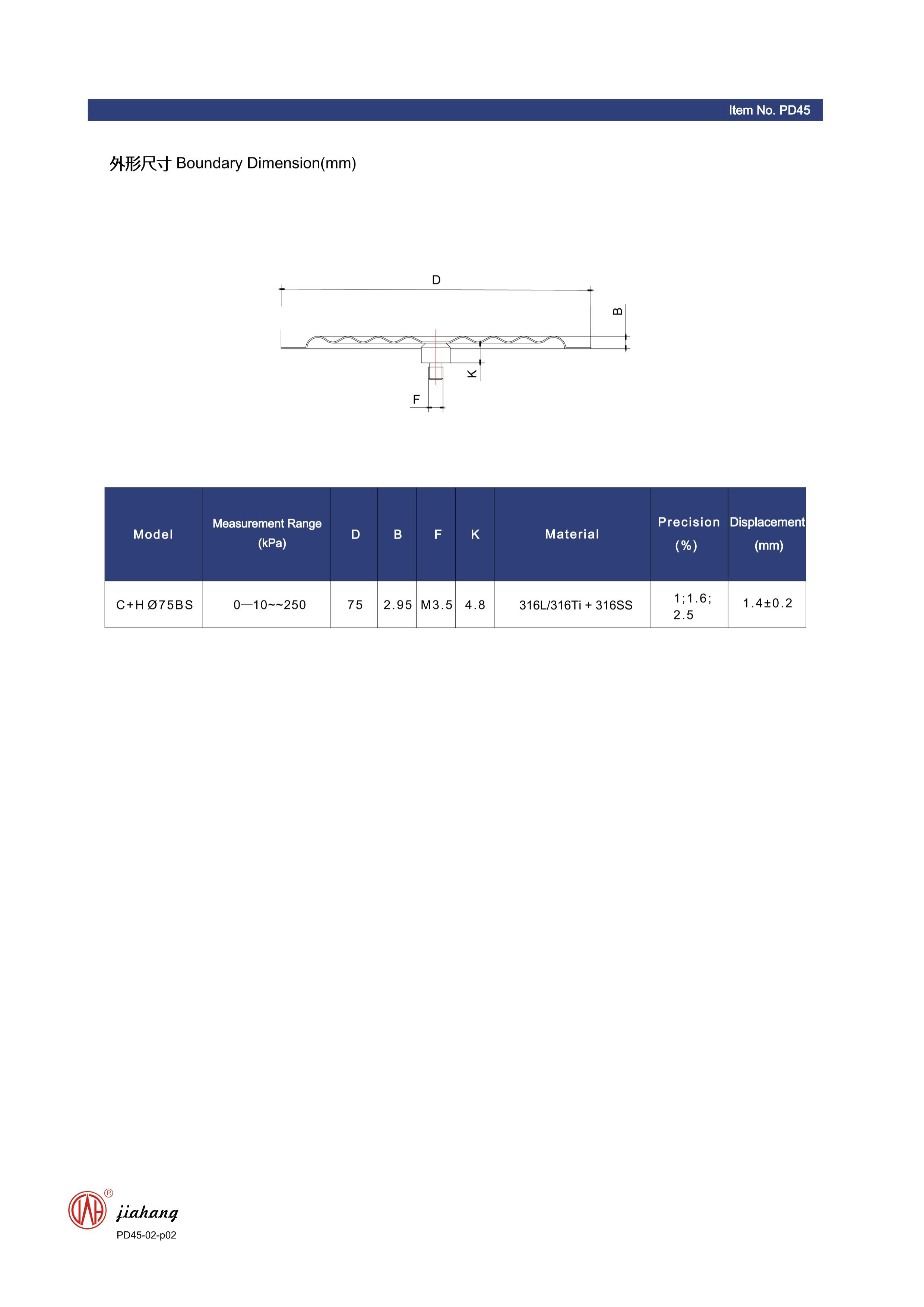
Pool pressure gauges are critical components in swimming pool filtration systems, providing a visual indication of the pressure differential across the filter. This pressure reading is directly correlated to the filter's cleanliness; increasing pressure indicates a buildup of debris within the filter media. Their technical position lies within the hydraulic measurement and control segment of the pool maintenance industry. A properly functioning pressure gauge is essential for maintaining water clarity, protecting the pump from overexertion, and ensuring efficient operation of the entire circulation system. Core performance characteristics include accuracy, repeatability, corrosion resistance, and the ability to withstand the continuous pressure fluctuations inherent in pool filtration cycles. The gauge's design must balance readability for pool operators with robust construction capable of enduring outdoor environmental conditions and the chemical exposure typical of chlorinated water systems. A failure to accurately measure pressure can lead to reduced filtration efficiency, potential pump damage, and compromised water quality, resulting in health risks.
Material Science & Manufacturing
The primary materials used in pool pressure gauge construction are brass for the gauge housing, copper alloy for the Bourdon tube (the pressure-sensing element), and tempered glass for the lens. Brass is chosen for its corrosion resistance to chlorine and other pool chemicals, though specific alloys (e.g., naval brass, manganese bronze) offer varying degrees of protection. Copper alloys, particularly beryllium copper, provide excellent elasticity and fatigue resistance, crucial for the repetitive flexing of the Bourdon tube under pressure. The tempered glass lens is selected for its impact resistance and clarity. Manufacturing typically begins with brass casting or forging for the housing, followed by machining to precise tolerances. The Bourdon tube is formed from a flat strip of copper alloy through a bending process, requiring careful control of bending radius and wall thickness to ensure linearity and accuracy. Assembly involves calibrating the gauge movement mechanism, often employing a gear and pinion system linked to the pointer. Critical parameters during manufacturing include material purity (to minimize corrosion), heat treatment of the Bourdon tube (to enhance elasticity), and leak testing (to verify pressure integrity). Seals are often made of nitrile rubber or EPDM for compatibility with pool chemicals and resistance to degradation. Quality control throughout the manufacturing process relies heavily on pressure calibration using certified test equipment.
Performance & Engineering
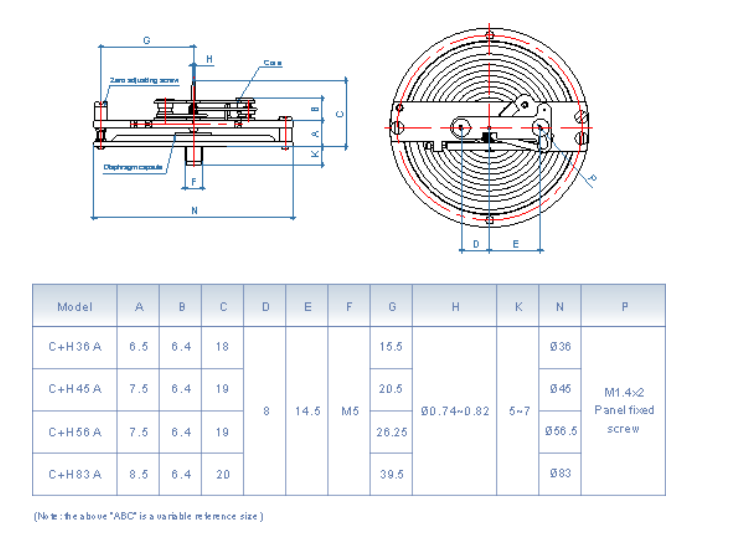
The performance of a pool pressure gauge is heavily influenced by force analysis relating to the Bourdon tube’s deformation under pressure. The relationship between applied pressure and tube displacement is not perfectly linear; manufacturers implement mechanical linkages and dial calibrations to compensate for this non-linearity, aiming for an accuracy within ±1% of full scale. Environmental resistance is paramount. Prolonged exposure to UV radiation can degrade the plastic components (if present) and fade the dial markings. Cyclic pressure fluctuations cause fatigue stress on the Bourdon tube, necessitating careful material selection and manufacturing processes to prevent cracking. Compliance with industry standards, such as those set by NSF International for potable water system components, is essential. Furthermore, the gauge's connection port (typically a 1/4" NPT thread) must be designed to withstand the hydrostatic pressure of the pool system, typically up to 50 PSI, and be compatible with commonly used plumbing fittings. Engineering considerations also include the design of the gauge housing to protect the internal mechanism from dust, debris, and water ingress, often achieved through gasketed housings and sealed movements.
Technical Specifications
| Pressure Range (PSI) | Accuracy (% of Full Scale) | Connection Size (NPT) | Housing Material |
|---|---|---|---|
| 0-30 PSI | ±1.5% | 1/4" | Brass (C3600) |
| 0-60 PSI | ±1.0% | 1/4" | Brass (C3600) |
| 0-100 PSI | ±1.0% | 1/4" | Brass (C3600) |
| 0-30 PSI | ±2.0% | 1/2" | Stainless Steel (316) |
| 0-60 PSI | ±1.5% | 1/2" | Stainless Steel (316) |
| 0-100 PSI | ±1.5% | 1/2" | Stainless Steel (316) |
Failure Mode & Maintenance
Common failure modes for pool pressure gauges include Bourdon tube rupture due to overpressure or fatigue cracking, leaks at the connection port due to thread damage or seal degradation, and obstruction of the internal mechanism by debris. Corrosion, particularly galvanic corrosion between dissimilar metals, can also lead to premature failure. Dial face fading or delamination can occur with prolonged UV exposure. Failure analysis reveals that many Bourdon tube failures originate at stress concentrations caused by improper bending or material defects. Maintenance involves periodic visual inspection for leaks, corrosion, or physical damage. The gauge should be gently tapped to check for free movement of the pointer; a sticky pointer indicates internal obstruction. If the gauge consistently reads zero or beyond its calibrated range, it should be replaced. Preventative maintenance includes regular backwashing of the filter to reduce pressure fluctuations and minimizing exposure to harsh chemicals. When replacing a gauge, ensure the connection threads are clean and properly sealed with Teflon tape or pipe dope to prevent leaks. Avoid using excessive force when tightening the gauge onto the filter housing, as this can damage the threads.
Industry FAQ
Q: What does a high-pressure reading on my pool pressure gauge indicate?
A: A high-pressure reading typically indicates a dirty filter. As debris accumulates within the filter media (sand, cartridge, or DE), it restricts water flow, increasing the pressure differential. Prolonged high pressure can damage the pump and reduce filtration efficiency. You should backwash the filter or clean/replace the filter element.
Q: How often should I replace my pool pressure gauge?
A: Generally, pool pressure gauges should be replaced every 3-5 years, or sooner if they exhibit signs of damage, inaccuracy, or corrosion. Regular inspection and calibration can help determine if replacement is necessary.
Q: My pressure gauge fluctuates wildly. What could be the cause?
A: Wild fluctuations can be caused by air trapped within the filter system, a variable speed pump rapidly changing speed, or a failing check valve. Bleeding the air from the system and inspecting the pump and check valve are recommended troubleshooting steps.
Q: What is the difference between a glycerin-filled and a dry pressure gauge?
A: Glycerin-filled gauges contain a glycerin solution that dampens the effects of vibration and pulsation, providing a more stable reading and extending the life of the internal mechanism. Dry gauges are less expensive but are more susceptible to damage from vibration and pressure surges.
Q: Is there a specific pressure range I should choose for my pool?
A: The appropriate pressure range depends on the size and type of your filter system. Typically, a 0-60 PSI gauge is suitable for most residential pools. Consult your filter manufacturer’s recommendations for the optimal pressure range.
Conclusion
Pool pressure gauges represent a vital, yet often overlooked, component of effective pool water management. Their accurate operation is directly linked to efficient filtration, pump longevity, and swimmer safety. Understanding the material science behind their construction, the engineering principles governing their performance, and the potential failure modes allows for proactive maintenance and informed replacement decisions. Selecting a gauge with appropriate specifications, based on the specific pool system requirements, is crucial for optimal performance.
The future of pool pressure gauge technology is likely to incorporate smart features such as wireless connectivity and data logging, enabling remote monitoring of filter performance and predictive maintenance alerts. Advancements in material science may lead to more corrosion-resistant alloys and improved sealing materials, further extending gauge lifespan and reliability. Continued adherence to industry standards and rigorous quality control procedures will remain essential for ensuring the accuracy and dependability of these critical instruments.
 English
  Arabic
  China
China  China (Taiwan)
  Danish
  Dutch
Dutch  French
  German
  Greek
Greek  Hindi
Hindi  Indonesian
  Italian
  Japanese
  Korean
  Latin
Latin  Polish
  Portuguese
  Russian
  Spanish
  Turkish