
Apr . 01, 2024 17:55 Back to list
pool pump pressure gauge Performance Analysis
Introduction
The pool pump pressure gauge is a critical component in maintaining the efficient and safe operation of pool filtration systems. Functioning as a dynamic pressure indicator, it measures and displays the pressure within the pump and filter assembly, providing vital information for assessing system performance and identifying potential issues. Positioned within the plumbing circuit downstream of the pump and upstream of the filter, the gauge serves as an essential diagnostic tool for pool service technicians and homeowners. Its core performance characteristics revolve around accuracy, durability in a chemically aggressive environment (chlorine, bromine, algaecides), and resistance to hydraulic shock. Deviation from established pressure ranges often indicates obstructions in the filter, impeller damage, or air leaks within the system, potentially leading to reduced flow, motor overload, and overall system failure. The gauge's reliability directly impacts water quality, energy consumption, and the longevity of the entire pool circulation infrastructure.
Material Science & Manufacturing
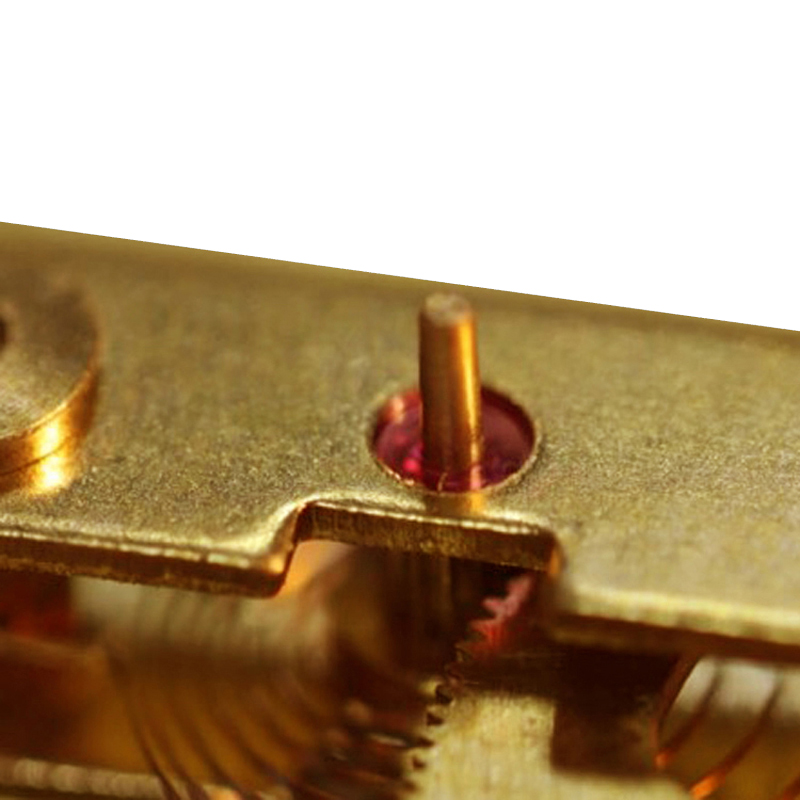
Pool pump pressure gauges predominantly utilize a Bourdon tube mechanism constructed from copper alloys, specifically beryllium copper (CuBe) or brass (CuZn). Beryllium copper is favored for its superior elasticity, corrosion resistance, and ability to withstand repeated cyclical pressure fluctuations. Brass provides a more cost-effective solution, although with a reduced lifespan in highly chlorinated environments. The gauge case is typically manufactured from thermoplastic materials like acrylonitrile butadiene styrene (ABS) or polycarbonate (PC), chosen for their impact resistance and chemical inertness. The lens is generally made of tempered glass or acrylic, providing clarity and protection against physical damage. Manufacturing involves several key steps: Bourdon tube forming – precise bending and annealing of the copper alloy tube to create the characteristic C-shape. Connection fitting fabrication – machining and threading of brass or stainless steel fittings for secure connection to the plumbing system. Assembly – careful calibration of the Bourdon tube and pointer mechanism, ensuring accuracy across the gauge’s pressure range. Case molding – injection molding of the thermoplastic case, incorporating mounting features and a pressure reading dial. Quality control includes leak testing, accuracy verification using calibrated pressure sources, and visual inspection for defects. Parameter control during manufacturing focuses on precise temperature control during tube forming to maintain material properties, tight tolerances in fitting machining for leak-proof connections, and consistent calibration procedures for reliable pressure readings. The sealing materials must be compatible with pool chemicals, typically employing EPDM or Viton O-rings.
Performance & Engineering
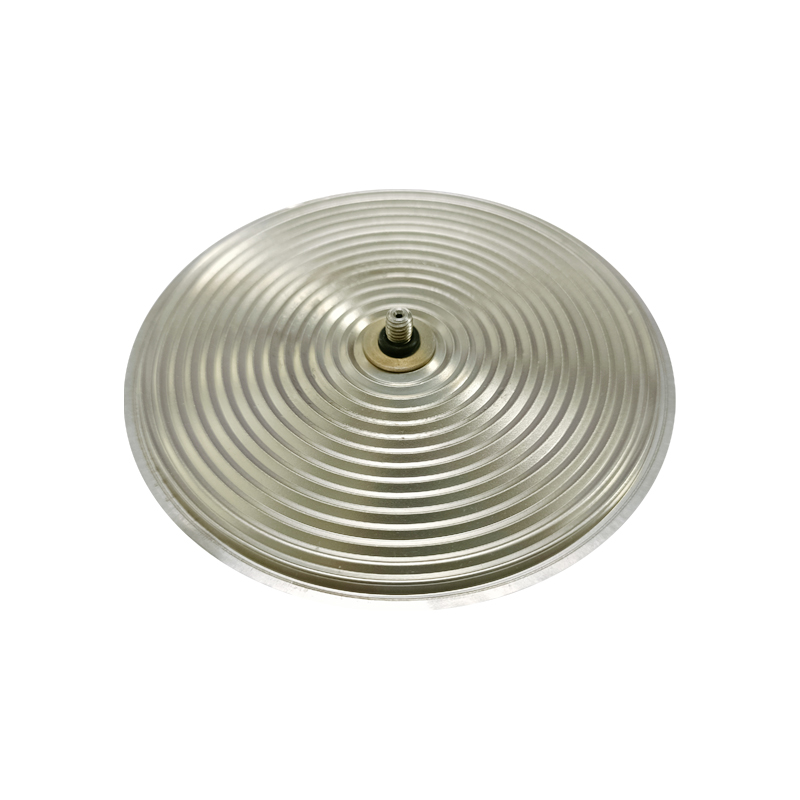
The performance of a pool pump pressure gauge is governed by several engineering principles. Firstly, Hooke’s Law dictates the linear relationship between the applied pressure and the deflection of the Bourdon tube. The tube’s cross-sectional shape and material properties directly influence its sensitivity and range. Secondly, hydrostatic pressure analysis is crucial in determining the stress distribution within the gauge’s housing and connections, ensuring structural integrity. The gauge must withstand sustained pressure, pressure spikes (water hammer), and the corrosive effects of pool chemicals. Environmental resistance is paramount; prolonged exposure to UV radiation can degrade the plastic case, affecting its durability. Temperature fluctuations impact accuracy, as the expansion and contraction of materials alter the calibration. Compliance requirements include adherence to relevant safety standards (UL listing) and dimensional specifications (NPT thread standards for connections). Functional implementation requires proper installation, ensuring the gauge is oriented vertically for accurate readings and protected from physical impact. Regular calibration, typically annually, is recommended to maintain accuracy. Force analysis focuses on the torsional stress within the Bourdon tube and the mechanical linkage to the pointer, minimizing hysteresis and ensuring repeatable readings. The gauge’s response time – the time taken to register a pressure change – is a critical performance parameter, influencing the ability to detect sudden system fluctuations.
Technical Specifications
| Pressure Range (psi) | Accuracy (±%) | Connection Size (NPT) | Case Material |
|---|---|---|---|
| 0-60 | 2 | 1/4" | ABS |
| 0-60 | 1.5 | 1/4" | Polycarbonate |
| 0-100 | 2 | 1/4" | ABS |
| 0-100 | 1.5 | 1/4" | Polycarbonate |
| 0-150 | 2.5 | 1/2" | ABS |
| 0-150 | 2 | 1/2" | Polycarbonate |
Failure Mode & Maintenance
Pool pump pressure gauges are susceptible to several failure modes. One common issue is Bourdon tube fatigue cracking, resulting from repeated pressure cycles and corrosion, leading to inaccurate readings and eventual gauge failure. Lens cracking or discoloration can occur due to UV exposure or impact damage, hindering visibility. Connection leaks are frequently caused by damaged threads, improper sealing, or corrosion of the fitting materials. Pointer sticking or sluggish response can result from friction within the mechanism or corrosion of internal components. Zero shift – a consistent inaccuracy where the gauge reads a non-zero pressure even when no pressure is applied – is indicative of a deformed Bourdon tube or a calibration error. Maintenance practices include regular visual inspection for cracks, leaks, and discoloration. Periodically clean the lens with a mild detergent to remove debris. Tighten connections as needed, ensuring proper sealing. Calibrate the gauge annually using a calibrated pressure source. If a leak is detected, replace the O-ring or the entire fitting. If the pointer is sticking, attempt gentle lubrication with a silicone-based lubricant. Preventative measures include shielding the gauge from direct sunlight and ensuring the pool water chemistry is properly balanced to minimize corrosion. For significant failures, replacement is recommended over repair, as internal component damage may compromise accuracy and reliability.
Industry FAQ
Q: What pressure reading indicates a clogged filter?
A: A pressure reading 8-10 psi higher than the clean filter reading typically indicates a clogged filter. However, this value varies depending on the filter type and size. Regular recording of the "clean filter" pressure is essential for accurate assessment.
Q: Can a pressure gauge reading be affected by air in the system?
A: Yes, air trapped in the pump or plumbing can cause fluctuating and inaccurate pressure readings. Properly bleeding the air from the system, typically through the pump lid or a dedicated air bleed valve, is crucial for obtaining reliable measurements.
Q: What material is best for a pressure gauge in saltwater pools?
A: For saltwater pools, gauges with beryllium copper Bourdon tubes and polycarbonate cases are highly recommended. Beryllium copper offers superior corrosion resistance compared to brass, and polycarbonate is more resistant to the effects of salt spray than ABS.
Q: How often should a pool pump pressure gauge be replaced?
A: While a well-maintained gauge can last several years, it is recommended to replace it every 5-7 years, or sooner if signs of damage or inaccuracy are observed. Regular calibration can extend its lifespan, but eventual material degradation is inevitable.
Q: What does a consistently low pressure reading indicate?
A: A consistently low pressure reading, particularly if it’s significantly lower than expected, may indicate an air leak in the suction side of the pump, a failing pump impeller, or a blockage in the intake plumbing. A thorough inspection of the entire system is necessary.
Conclusion
The pool pump pressure gauge remains an indispensable component in modern pool maintenance, providing essential feedback on system health and performance. Its functionality hinges on a delicate balance of material science – leveraging the elasticity of copper alloys and the durability of engineered plastics – and precise manufacturing processes to ensure accuracy and longevity. Understanding the potential failure modes, implementing proactive maintenance strategies, and adhering to relevant industry standards are crucial for maximizing the gauge’s lifespan and ensuring the reliable operation of the entire pool circulation system.
Future developments in this area may focus on integrating digital pressure sensors with wireless communication capabilities, enabling remote monitoring and predictive maintenance. Improved corrosion-resistant materials and more robust housing designs will further enhance durability and reduce the need for frequent replacement. Continued refinement of calibration techniques and automated testing procedures will ensure consistent accuracy and reliability, ultimately contributing to more efficient and cost-effective pool operation.
 English
  Arabic
  China
China  China (Taiwan)
  Danish
  Dutch
Dutch  French
  German
  Greek
Greek  Hindi
Hindi  Indonesian
  Italian
  Japanese
  Korean
  Latin
Latin  Polish
  Portuguese
  Russian
  Spanish
  Turkish