
Apr . 01, 2024 17:55 Back to list
pressure gauge for pool filter Material Science
Introduction
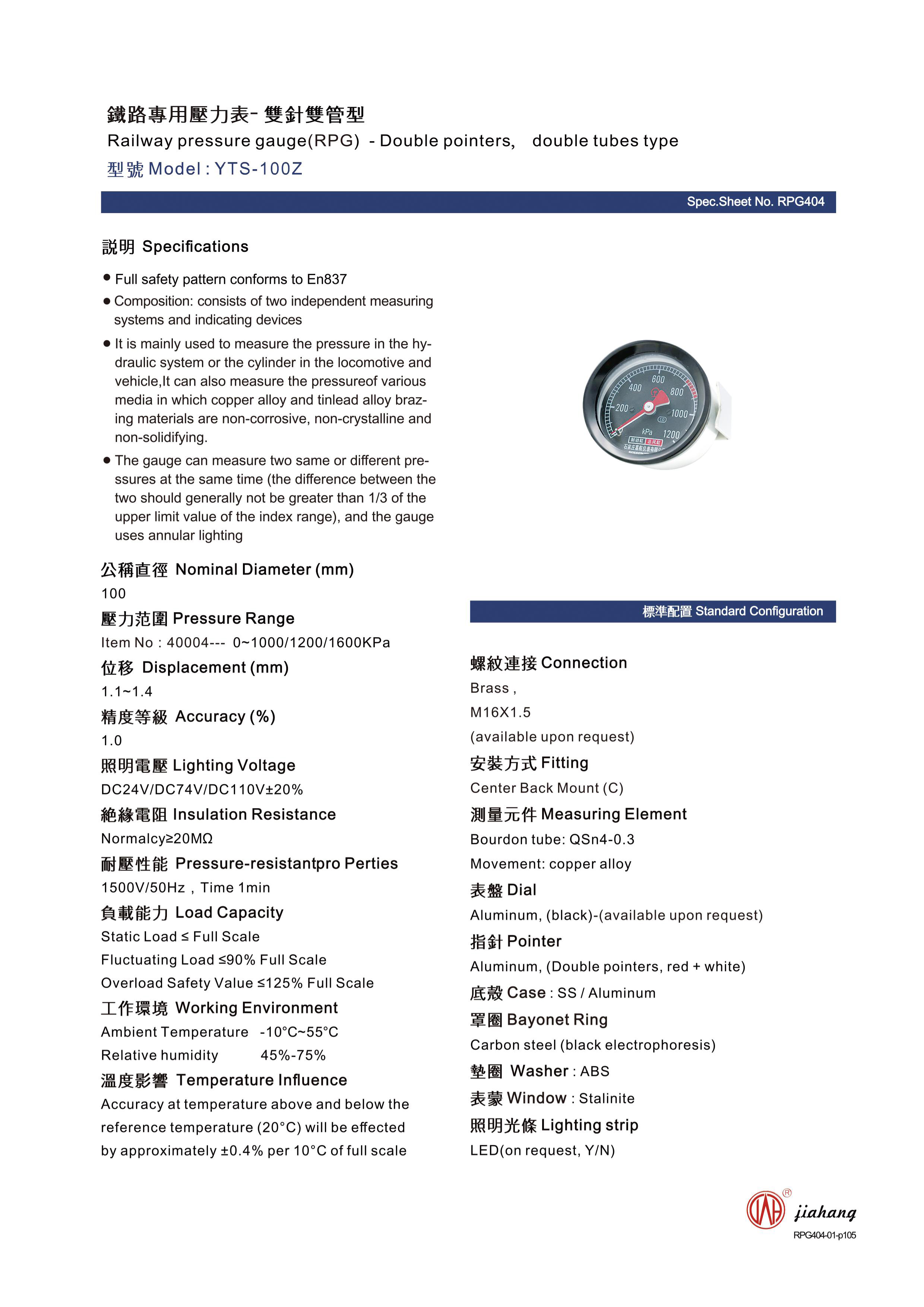
The pressure gauge for pool filters is a critical instrument used to monitor the differential pressure across the filter media. This differential pressure is a direct indicator of filter loading and the need for backwashing or cleaning. Positioned within the pool water circulation system, typically between the pump outlet and the filter inlet, it provides a real-time measurement of the resistance the water encounters as it passes through the filter. Core performance characteristics include accuracy in pressure measurement, corrosion resistance in chlorinated water environments, legibility of the display, and robust mechanical construction to withstand sustained pressure and vibration. A malfunctioning or inaccurately calibrated pressure gauge can lead to inefficient filtration, reduced water flow, and potentially damage to the pump or filter system itself. The gauge allows for preventative maintenance scheduling, optimizing the lifespan of the filter media and reducing energy consumption.
Material Science & Manufacturing
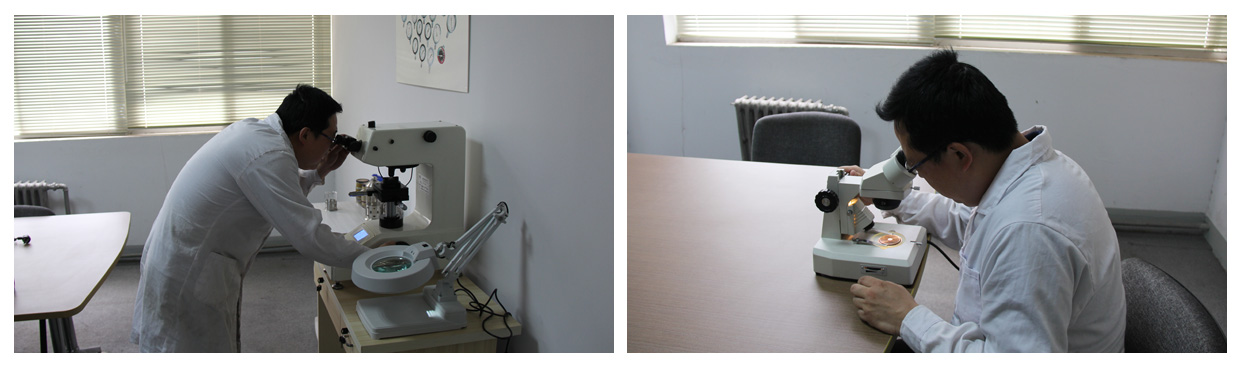
The primary materials used in the construction of pressure gauges for pool filters are carefully selected for their compatibility with chlorinated water, UV exposure, and mechanical stress. The gauge case is typically manufactured from acrylonitrile butadiene styrene (ABS) plastic, known for its impact resistance and low cost, or polypropylene (PP) offering excellent chemical resistance. The Bourdon tube, the core pressure-sensing element, is commonly made from beryllium copper alloy (CuBe) due to its high elasticity, fatigue strength, and corrosion resistance. Stainless steel (316L grade) is also utilized for Bourdon tubes in higher-pressure applications or where superior corrosion resistance is required. The dial face is typically constructed from polycarbonate (PC) for its clarity and UV stability. Manufacturing processes begin with the forming of the Bourdon tube through a cold drawing process. This process work-hardens the metal, imparting the necessary spring characteristics. The tube is then heat-treated to relieve stress and enhance its elasticity. Assembly involves calibrating the Bourdon tube's movement to a standardized pressure scale, connecting it to the gauge mechanism, and encasing the assembly within the plastic housing. Key parameter control during manufacturing includes precise tube dimensions, accurate calibration of the movement, leak testing to ensure a sealed system, and visual inspection for defects. Post-assembly, gauges undergo rigorous testing with pressurized water to verify accuracy and durability under simulated operating conditions. Careful selection of seal materials, typically nitrile rubber (NBR) or ethylene propylene diene monomer (EPDM), is critical to prevent leakage and ensure long-term performance in chlorinated water.
Performance & Engineering
The performance of a pool filter pressure gauge is dictated by several engineering principles. Force analysis centers on the stress distribution within the Bourdon tube as it deflects under pressure. The tube’s curvature and wall thickness are meticulously calculated to ensure linear deflection within the operating pressure range, providing accurate readings. Environmental resistance is paramount. The gauge must withstand continuous exposure to chlorine, UV radiation, and varying temperatures. Material selection plays a vital role; the materials must be resistant to degradation and maintain their mechanical properties over an extended period. Compliance requirements are governed by standards related to pressure vessel safety and accuracy. Gauges are typically tested to withstand a specified overpressure without permanent deformation or failure. The engineering design must also address vibration dampening to minimize errors caused by pump pulsations and water hammer. Functional implementation involves a calibrated movement that translates the Bourdon tube’s deflection into a visual reading on the dial. The dial is designed for easy readability, with clear markings and contrasting colors. The connection port, typically a 1/4" NPT female thread, must provide a leak-proof seal when connected to the filter system. Consideration is also given to the gauge’s mounting orientation – vertical or horizontal – to ensure accurate readings regardless of installation position. Furthermore, the pressure range selection (e.g., 0-30 psi, 0-60 psi) must be appropriate for the specific filter system’s operating parameters to achieve optimal accuracy and prevent damage.
Technical Specifications
| Parameter | Unit | Typical Value | Tolerance |
|---|---|---|---|
| Pressure Range | psi | 0-30 | ±1.6% of full scale |
| Accuracy | %FS | ±2.5 | As per ASIME B40.100 |
| Case Material | - | ABS Plastic | UV Stabilized |
| Bourdon Tube Material | - | Beryllium Copper Alloy | - |
| Connection Size | inches | 1/4" NPT (Female) | - |
| Operating Temperature | °F | 32 to 122 | - |
Failure Mode & Maintenance
Pressure gauges for pool filters are susceptible to several failure modes. Fatigue cracking in the Bourdon tube can occur due to repeated pressure cycling and vibration, eventually leading to inaccurate readings or complete failure. Corrosion, particularly pitting corrosion in the presence of chlorine, can weaken the Bourdon tube and cause leakage. Delamination of the dial face coating can occur due to UV exposure, reducing readability. Degradation of the seal materials (NBR or EPDM) can result in pressure loss and inaccurate readings. Oxidation of the internal mechanism can cause sticking and inaccurate measurements. A common failure point is the connection thread, which can become stripped due to improper installation or excessive torque. Maintenance involves periodic visual inspection for signs of corrosion, cracking, or delamination. The gauge should be gently tapped to check for free movement of the needle. If the needle sticks or the readings are erratic, the gauge should be replaced. Annual calibration is recommended to ensure accuracy. Preventative maintenance includes flushing the connection port to remove debris and ensuring the gauge is properly protected from direct sunlight and extreme temperatures. When replacing a gauge, it’s critical to use Teflon tape on the threads to create a leak-proof seal and avoid over-tightening. Regularly checking the pressure reading against other indicators in the system can also help identify potential failures before they become critical.
Industry FAQ
Q: What is the typical lifespan of a pressure gauge in a pool filter application?
A: The typical lifespan is 3-5 years, dependent on water chemistry, UV exposure, and the frequency of pressure cycles. Aggressive water chemistry (high chlorine levels) and prolonged UV exposure will shorten the lifespan.
Q: How often should a pressure gauge be calibrated?
A: Annual calibration is recommended, particularly in commercial pool applications. For residential pools, bi-annual calibration is sufficient, unless accuracy is questionable.
Q: What is the impact of inaccurate pressure readings on the filter system?
A: Inaccurate readings can lead to delayed backwashing, resulting in increased filter loading, reduced water flow, and potential damage to the pump. Conversely, premature backwashing wastes water and energy.
Q: Can a pressure gauge be repaired, or is replacement the only option?
A: Repair is generally not economically feasible. While the Bourdon tube could theoretically be replaced, the cost of labor and calibration often exceeds the cost of a new gauge. Replacement is the recommended solution.
Q: What is the significance of the pressure range selected for the gauge?
A: The pressure range should be selected to match the operating pressure of the filter system. Using a range that is too wide reduces accuracy, while using a range that is too narrow increases the risk of overpressure damage.
Conclusion
The pressure gauge for pool filters is an essential component for maintaining efficient and reliable water filtration. Its proper selection, installation, and maintenance are critical to ensuring optimal filter performance, protecting the pump, and minimizing energy consumption. Understanding the material science behind its construction, the engineering principles governing its operation, and the potential failure modes allows for informed decision-making regarding gauge replacement and system upkeep.
Looking ahead, advancements in sensor technology may lead to the development of digital pressure gauges with enhanced accuracy, data logging capabilities, and remote monitoring features. Further research into corrosion-resistant materials will also extend the lifespan of these gauges in challenging chlorinated water environments. By prioritizing preventative maintenance and utilizing accurate instrumentation, pool operators can ensure the long-term health and efficiency of their filtration systems.
 English
  Arabic
  China
China  China (Taiwan)
  Danish
  Dutch
Dutch  French
  German
  Greek
Greek  Hindi
Hindi  Indonesian
  Italian
  Japanese
  Korean
  Latin
Latin  Polish
  Portuguese
  Russian
  Spanish
  Turkish