
Apr . 01, 2024 17:55 Back to list
Pressure Sensors absolute vs gauge pressure Performance Analysis
Introduction
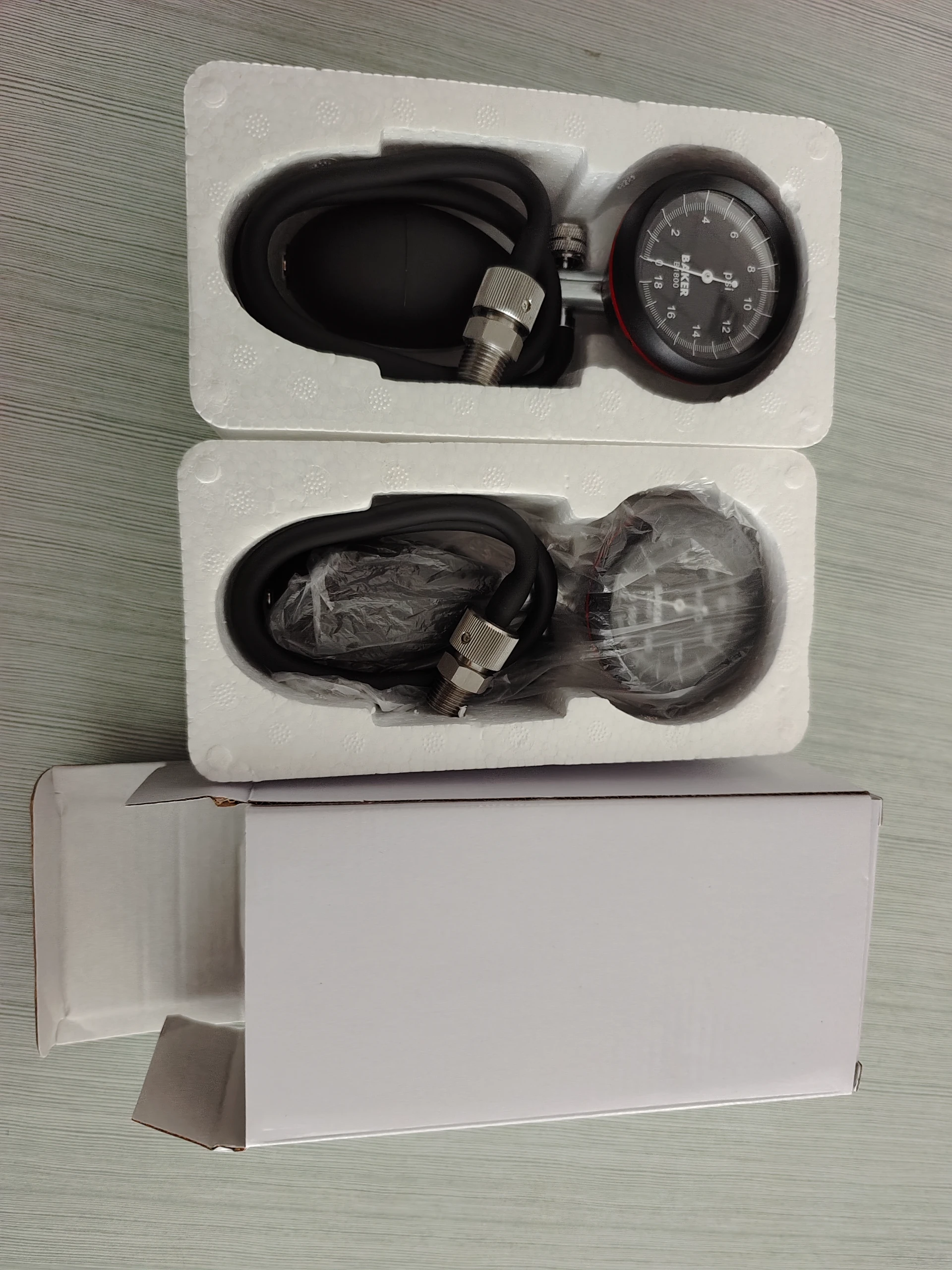
Pressure measurement is fundamental across numerous industrial sectors, from process control in chemical plants to aerospace engineering. Two primary reference conditions define how pressure is quantified: absolute and gauge. Absolute pressure is measured relative to a perfect vacuum – zero pressure – while gauge pressure is measured relative to atmospheric pressure. The distinction is crucial as it directly impacts calculations involving fluid dynamics, thermodynamics, and system control. Misunderstanding this difference can lead to significant errors in process monitoring, safety systems, and overall operational efficiency. This guide provides a comprehensive technical overview of absolute and gauge pressure, covering material considerations for sensing elements, manufacturing nuances, performance characteristics, potential failure modes, and relevant industry standards. The core pain point addressed is ensuring accurate and reliable pressure readings to prevent process upsets, equipment damage, and safety hazards, particularly in applications where atmospheric pressure fluctuations are significant.
Material Science & Manufacturing
The materials used in pressure sensor construction directly impact their performance and suitability for specific applications. Diaphragms, a critical component in many pressure transducers, are commonly manufactured from stainless steel alloys (316L, 17-4PH), nickel-based alloys (Inconel, Hastelloy) for corrosive environments, and silicon for micro-electro-mechanical systems (MEMS) based sensors. Stainless steel offers good corrosion resistance and mechanical strength, but may be susceptible to chloride-induced stress corrosion cracking in marine environments. Nickel alloys provide superior resistance to a broader range of chemicals but are more expensive. Silicon, used in MEMS devices, allows for miniaturization and high sensitivity but has limited temperature tolerance. Manufacturing processes include deep reactive-ion etching (DRIE) for silicon diaphragms, laser welding for stainless steel encapsulation, and diffusion bonding for creating leak-tight seals. Key parameter control during manufacturing involves precise diaphragm thickness control (affecting sensitivity), surface finish (minimizing hysteresis), and weld integrity (preventing leaks). For sensors intended for high-pressure applications, material yield strength and fatigue life are critical considerations. The choice between absolute and gauge sensors isn't fundamentally tied to material selection, but the sensor's housing must be designed to either isolate the sensing element from atmospheric pressure (absolute) or allow for atmospheric pressure equalization (gauge).
Performance & Engineering
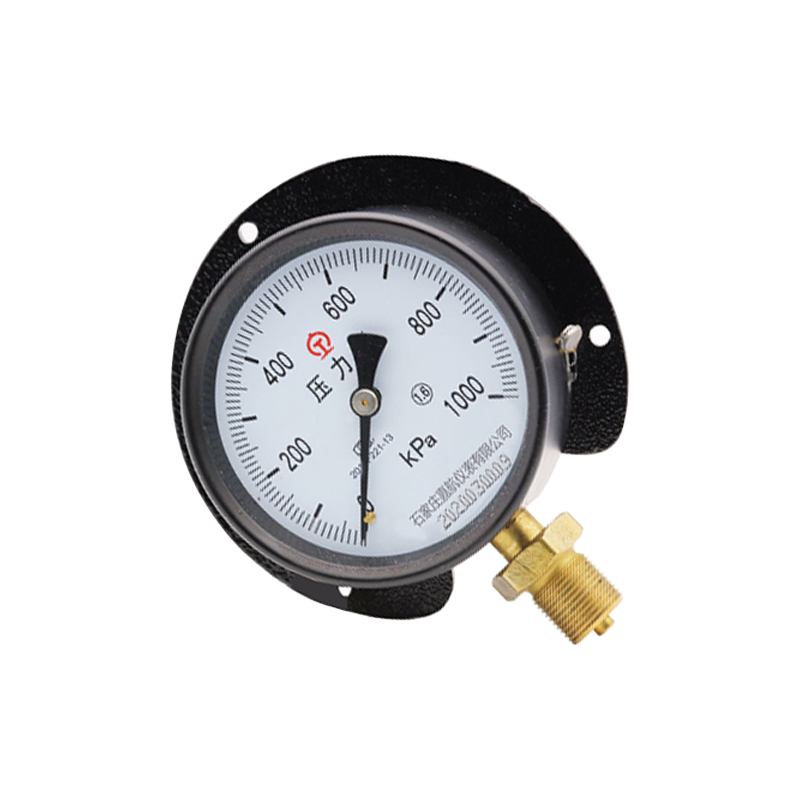
The performance of pressure sensors is characterized by accuracy, repeatability, hysteresis, linearity, and thermal stability. Accuracy is determined by calibration against a traceable standard, while repeatability measures the consistency of readings under identical conditions. Hysteresis describes the difference in output for increasing versus decreasing pressure, influenced by material properties and mechanical stress. Linearity quantifies how closely the output signal follows a straight-line relationship with applied pressure. Thermal stability addresses the impact of temperature changes on sensor output. Engineering considerations for both absolute and gauge sensors include compensation for temperature effects using thermistors or other temperature-sensing elements. For gauge sensors, accounting for atmospheric pressure variations is crucial, especially in altitude-sensitive applications. Force analysis involves calculating the stress distribution within the diaphragm under pressure, determining the maximum allowable pressure before yielding. Environmental resistance necessitates selecting materials and sealing methods that withstand the operating temperature, humidity, and corrosive elements. Compliance requirements, such as those dictated by IEC 61000-6-2 for electromagnetic compatibility (EMC) and SIL (Safety Integrity Level) standards for safety-critical applications, must be rigorously adhered to.
Technical Specifications
| Parameter | Absolute Pressure Sensor | Gauge Pressure Sensor | Units |
|---|---|---|---|
| Pressure Range | 0 – 100 kPa to 0 – 100 MPa | -100 kPa to 10 MPa | kPa, MPa |
| Accuracy | ±0.1% FS | ±0.25% FS | % Full Scale |
| Media Compatibility | General Purpose (Stainless Steel, NBR) | General Purpose (Stainless Steel, NBR), Corrosive Media (Hastelloy, PTFE) | Material Designation |
| Operating Temperature | -40°C to +125°C | -40°C to +85°C | °C |
| Output Signal | 4-20 mA, 0-10 V, Digital (I2C, SPI) | 4-20 mA, 0-10 V, Digital (I2C, SPI) | Electrical Signal |
| Housing Material | Stainless Steel, Aluminum | Stainless Steel, Aluminum | Material Designation |
Failure Mode & Maintenance
Common failure modes for pressure sensors include diaphragm rupture (due to overpressure), drift in output signal (caused by temperature fluctuations or material aging), leakage (resulting from seal degradation), and corrosion of internal components. Fatigue cracking can occur in diaphragms subjected to cyclic pressure loads, particularly at higher frequencies. Delamination of sensing elements in MEMS sensors can also lead to failure. Oxidation of metallic components can increase resistance and affect accuracy. Preventive maintenance involves regular calibration to verify accuracy, inspection of seals for leaks, and cleaning to remove contaminants. For applications involving corrosive fluids, periodic replacement of sensors may be necessary. Troubleshooting often involves verifying power supply voltage, checking wiring connections, and performing a functional test to determine if the sensor is responding correctly to pressure changes. Failure analysis should involve visual inspection for physical damage, electrical testing to assess signal integrity, and potentially metallurgical analysis to identify material degradation mechanisms.
Industry FAQ
Q: What is the impact of altitude on gauge pressure readings?
A: Gauge pressure readings are directly affected by altitude because atmospheric pressure decreases with increasing altitude. A gauge pressure sensor will indicate a lower pressure reading at higher altitudes compared to sea level, even if the actual process pressure remains constant. Therefore, altitude compensation is critical in applications like aviation or high-elevation process monitoring.
Q: Can I directly interchange an absolute and a gauge pressure sensor in an existing system?
A: No, direct interchange is generally not possible without recalibration and potential modifications to the control system. The output signal from an absolute sensor will be different from a gauge sensor for the same applied pressure, leading to inaccurate control and potentially damaging consequences. A careful system analysis is required before considering any sensor replacement.
Q: How does temperature affect the accuracy of pressure sensors?
A: Temperature changes can affect the accuracy of pressure sensors through thermal expansion of components, changes in material properties, and drift in electronic components. Temperature compensation techniques, such as using thermistors or software algorithms, are employed to minimize these effects.
Q: What is the significance of "Full Scale" (FS) in pressure sensor specifications?
A: Full Scale represents the maximum pressure the sensor is designed to measure. Accuracy is often specified as a percentage of Full Scale (e.g., ±0.1% FS), meaning the maximum acceptable error is 0.1% of the sensor's maximum pressure range.
Q: What are the common applications where absolute pressure sensors are preferred over gauge sensors?
A: Absolute pressure sensors are preferred in applications where a true reference to a vacuum is required, such as barometric pressure measurement, altitude determination, and leak detection. They are also used in applications where atmospheric pressure variations are undesirable, like vacuum system monitoring and certain scientific instruments.
Conclusion
The selection between absolute and gauge pressure sensors is fundamentally dictated by the application's requirements and the need for a specific pressure reference. Understanding the underlying principles of absolute versus gauge pressure, coupled with a thorough consideration of material science, manufacturing processes, and potential failure modes, is paramount for ensuring accurate, reliable, and safe operation of pressure-sensitive systems. Ignoring this distinction can introduce significant errors and compromise the integrity of the process.
Advancements in MEMS technology are leading to increasingly smaller, more accurate, and more cost-effective pressure sensors, broadening their applicability across diverse industries. Future trends include the development of self-calibrating sensors and integrated systems that provide real-time compensation for environmental factors. Continued innovation in materials and manufacturing techniques will further enhance sensor performance and durability, contributing to improved process control and safety in demanding industrial environments.
 English
  Arabic
  China
China  China (Taiwan)
  Danish
  Dutch
Dutch  French
  German
  Greek
Greek  Hindi
Hindi  Indonesian
  Italian
  Japanese
  Korean
  Latin
Latin  Polish
  Portuguese
  Russian
  Spanish
  Turkish