
Apr . 01, 2024 17:55 Back to list
quality tire pressure gauge Performance and Engineering
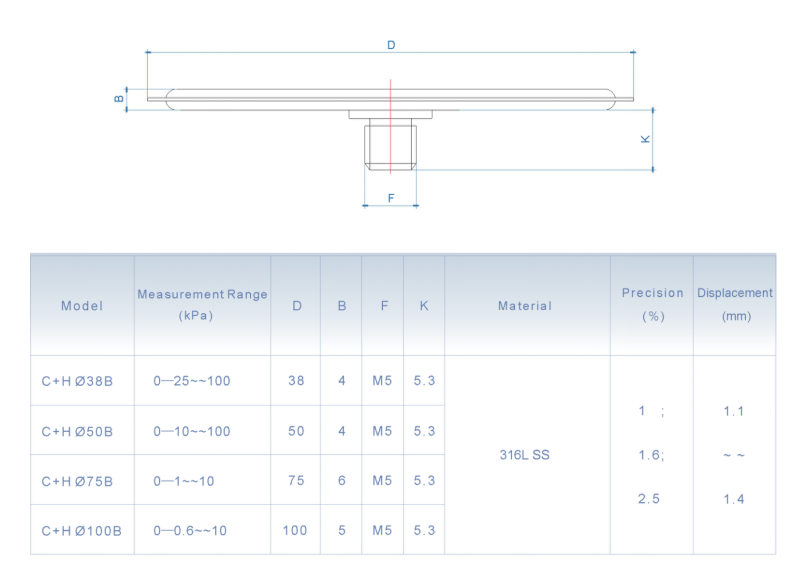
Introduction
A quality tire pressure gauge is a precision instrument utilized to measure the air pressure within pneumatic tires. Functionally positioned within the automotive maintenance and safety equipment supply chain, these gauges are essential for vehicle operation, fuel efficiency, and tire longevity. Core performance metrics center around accuracy, repeatability, and durability, directly impacting driver safety and preventing premature tire wear. Industry pain points frequently revolve around gauge drift due to temperature fluctuations, inconsistent readings stemming from manufacturing tolerances, and mechanical failure of sensitive components. Modern gauges employ various technologies, ranging from analog dial indicators to digital displays with integrated sensors, each presenting unique advantages and disadvantages regarding precision and ease of use. Ensuring correct tire inflation is directly correlated with reduced rolling resistance, leading to optimized fuel economy, and minimizing the risk of tire-related incidents like blowouts.
Material Science & Manufacturing
The construction of a quality tire pressure gauge necessitates careful material selection and precise manufacturing processes. Analog gauges typically utilize a Bourdon tube, crafted from beryllium copper or phosphor bronze, chosen for their high elasticity and resistance to fatigue. The tube's material composition dictates its sensitivity and operational temperature range. Digital gauges leverage piezoresistive pressure sensors, often constructed from silicon, owing to its excellent pressure sensitivity and linearity. Housing materials frequently consist of stainless steel, aluminum alloys (6061-T6 being common), or high-impact ABS plastic. Stainless steel offers superior corrosion resistance and durability, crucial for longevity, while aluminum provides a lightweight alternative. ABS plastic is utilized in lower-cost models prioritizing affordability. Manufacturing involves precision machining of the Bourdon tube or sensor diaphragm, followed by calibration against NIST-traceable standards. Assembly requires tight tolerances to minimize air leaks and ensure accurate readings. Critical parameters include heat treatment of metallic components to achieve desired hardness and spring characteristics, as well as rigorous quality control throughout the assembly process. The sealing compound used in the gauge head must exhibit chemical compatibility with both the internal sensing element and the external environment to prevent degradation and maintain airtight integrity. The Schrader valve connector, typically brass or stainless steel, is subjected to hardness testing and dimensional checks to ensure proper engagement with the tire valve stem.
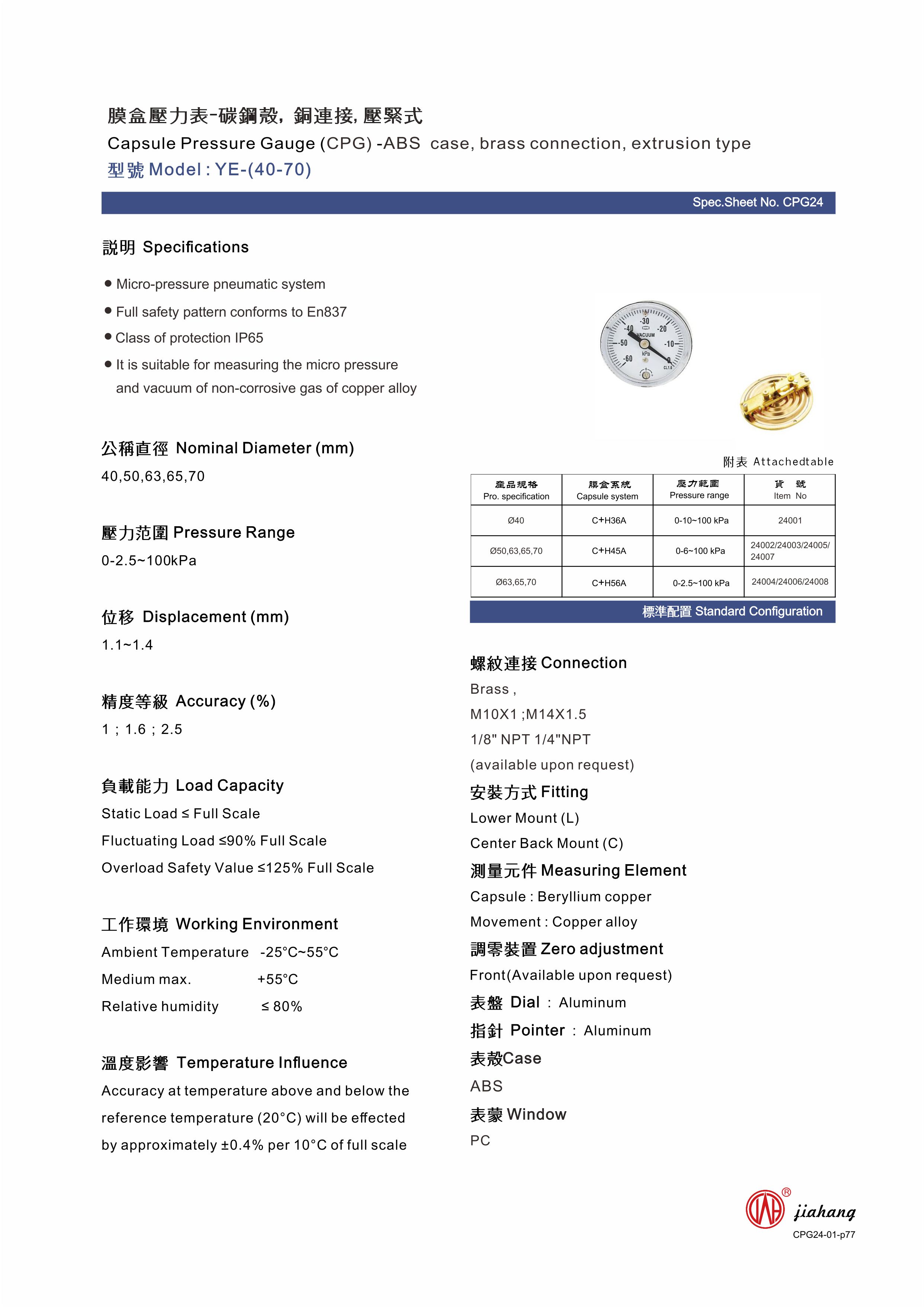
Performance & Engineering
The performance of a tire pressure gauge is governed by principles of fluid mechanics, material science, and metrology. Force analysis centers on accurately translating the pneumatic pressure exerted by the tire onto a measurable mechanical deflection (analog gauges) or an electrical signal (digital gauges). Environmental resistance is paramount, requiring gauges to operate reliably across a broad temperature spectrum (-20°C to 60°C is typical) and in the presence of moisture and contaminants. Compliance requirements mandate adherence to accuracy standards such as SAE J1926, which specifies permissible error limits for tire pressure gauges. Functional implementation involves the design of a robust mechanical linkage (analog gauges) or signal conditioning circuitry (digital gauges) to amplify and process the pressure signal. Digital gauges often incorporate automatic shut-off features to conserve battery life and may include memory functions to store previous readings. Engineering considerations include minimizing hysteresis – the difference between readings obtained when approaching a pressure from above or below – and ensuring linearity of the pressure-output relationship. Fatigue life of the Bourdon tube or sensor diaphragm is a critical design parameter, dictated by the expected number of pressure cycles throughout the gauge's service life. The Schrader valve connector geometry must be optimized to prevent air leakage and minimize wear on the tire valve stem.
Technical Specifications
| Parameter | Analog Gauge (Typical) | Digital Gauge (Typical) | Accuracy |
|---|---|---|---|
| Pressure Range | 0-60 PSI (0-4.14 bar) | 0-150 PSI (0-10.34 bar) | ±1.5% Full Scale |
| Resolution | 1 PSI (0.07 bar) | 0.1 PSI (0.007 bar) | N/A |
| Operating Temperature | -10°C to 50°C (14°F to 122°F) | -20°C to 60°C (-4°F to 140°F) | Dependent on sensor calibration |
| Housing Material | Stainless Steel / Aluminum | ABS Plastic / Aluminum | N/A |
| Sensor Type | Bourdon Tube (BeCu/PhBr) | Piezoresistive Silicon | N/A |
| Display Type | Analog Dial | LCD / Digital Display | N/A |
Failure Mode & Maintenance
Common failure modes in tire pressure gauges include drift in analog gauges due to Bourdon tube fatigue or temperature-induced stress, sensor malfunction in digital gauges stemming from electrical shorts or damage to the piezoresistive element, and leaks at the Schrader valve connector. Fatigue cracking in the Bourdon tube is often initiated by repeated pressure cycling and can be exacerbated by corrosion. Delamination of the diaphragm in digital gauges can occur due to manufacturing defects or exposure to harsh chemicals. Digital display failures may result from battery depletion, LCD damage, or internal circuitry malfunctions. Oxidation of metallic components can lead to corrosion and reduced accuracy. Maintenance involves periodic calibration against a certified pressure standard. For analog gauges, gentle tapping of the gauge face can sometimes temporarily restore accuracy if the Bourdon tube is stuck. Digital gauges should be protected from extreme temperatures and moisture. Regular inspection of the Schrader valve connector for damage or wear is crucial. If leaks are detected, the connector should be replaced. Avoid dropping the gauge, as this can damage the internal components. Proper storage in a clean, dry environment will extend the gauge's service life. Calibration intervals should be dictated by usage frequency and criticality of application, generally recommended annually.
Industry FAQ
Q: What is the impact of temperature on tire pressure gauge accuracy?
A: Temperature significantly impacts accuracy. Analog gauges are susceptible to drift as the Bourdon tube’s elasticity changes with temperature. Digital gauges with temperature compensation circuitry minimize this effect, but even they have operational limits. Readings should be taken and recorded at a consistent temperature, or temperature compensation adjustments should be applied.
Q: How often should a tire pressure gauge be calibrated?
A: Calibration frequency depends on usage. For professional automotive technicians, annual calibration is recommended. For occasional home use, calibration every 2-3 years is generally sufficient. Any gauge suspected of providing inaccurate readings should be immediately calibrated.
Q: What is the difference between PSI, bar, and kPa units of pressure?
A: PSI (pounds per square inch), bar, and kPa (kilopascals) are different units for measuring pressure. 1 PSI is approximately equal to 0.0689 bar and 6.895 kPa. Modern gauges often allow switching between these units.
Q: What are the potential consequences of using an inaccurate tire pressure gauge?
A: Using an inaccurate gauge can lead to under-inflated or over-inflated tires. Under-inflation increases rolling resistance, reduces fuel economy, and increases the risk of tire failure. Over-inflation reduces tire contact patch, leading to decreased handling and increased wear in the center of the tire.
Q: What material is best for a high-reliability tire pressure gauge intended for industrial use?
A: For industrial applications demanding high reliability, a digital gauge with a stainless steel housing and a temperature-compensated piezoresistive silicon sensor is recommended. Stainless steel provides superior corrosion resistance and durability, while temperature compensation ensures accuracy across a wide range of operating conditions.
Conclusion
The quality of a tire pressure gauge is paramount for ensuring vehicle safety, optimizing fuel efficiency, and maximizing tire lifespan. Accurate measurement relies on a confluence of robust material selection, precise manufacturing techniques, and adherence to established metrological standards. Understanding the underlying principles of operation, potential failure modes, and proper maintenance procedures are crucial for selecting and maintaining a gauge that delivers reliable performance over an extended service life.
Future developments in tire pressure gauge technology are likely to focus on wireless connectivity (Bluetooth/WiFi), integration with vehicle telematics systems, and the development of self-calibrating sensors. Continued advancements in materials science will contribute to the creation of more durable and accurate gauges capable of withstanding increasingly demanding operating environments.
 English
  Arabic
  China
China  China (Taiwan)
  Danish
  Dutch
Dutch  French
  German
  Greek
Greek  Hindi
Hindi  Indonesian
  Italian
  Japanese
  Korean
  Latin
Latin  Polish
  Portuguese
  Russian
  Spanish
  Turkish